The defence The Arthouse Gremlin
“Its refusal to behave is the point.”
The strange choices create the kind of friction that follows you out of the theatre and into the argument.
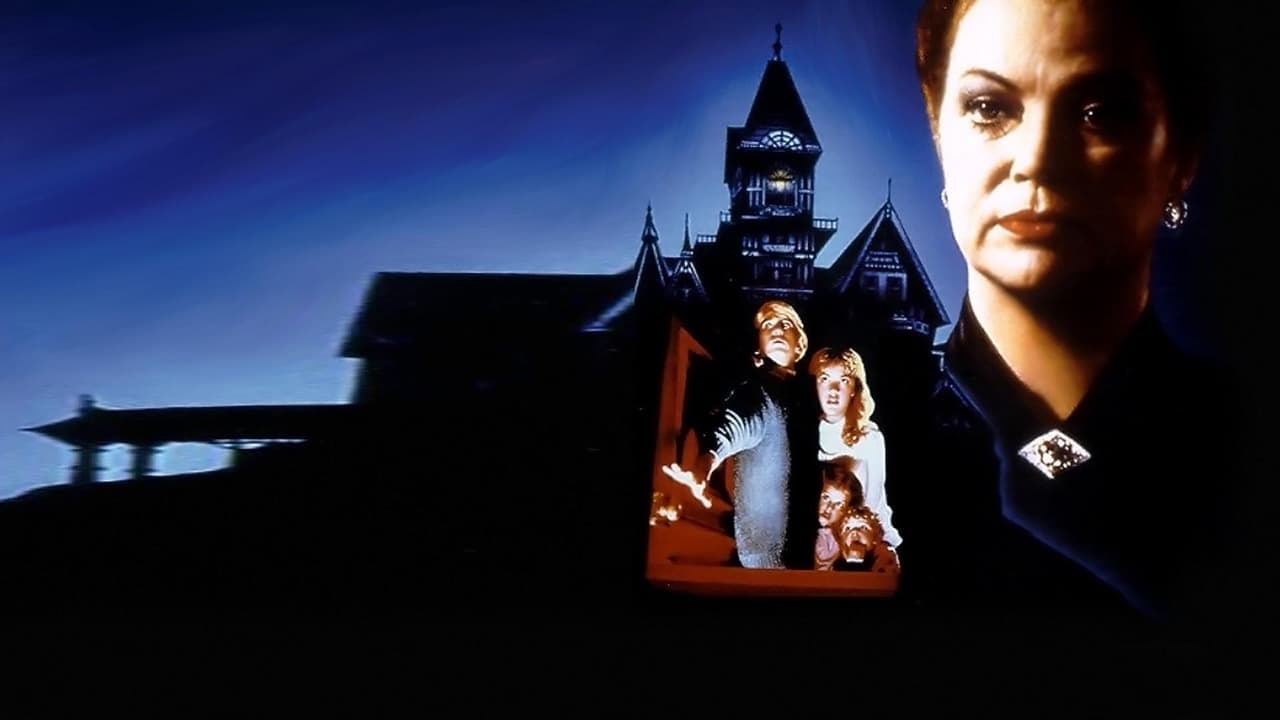

Flowers in the Attic
Drama · Mystery · Thriller · 1987
After the death of her husband, a mother takes her kids off to live with their grandparents in a huge, decrepit old mansion. However, the kids are kept hidden in a room just below the attic, visited only by their mother who becomes less and less concerned about them and their failing health, and more concerned about herself and the inheritence she plans to win back from her dying father.
“Home sweet home is murder.”
Critical arithmetic
Scores change. Arguments endure.
TMDB
6.3 / 10
Community rating
After the death of her husband, a mother takes her kids off to live with their grandparents in a huge, decrepit old mansion. However, the kids are kept hidden in a room just below the attic, visited only by their mother who becomes less and less concerned about them and their failing health, and more concerned about herself and the inheritence she plans to win back from her dying father.
Not a recommendation score. A measure of how closely the film’s taste signals resemble yours.
The archetype split
The Arthouse Gremlin
“The stranger, the better.”
Read their caseThe Popcorn Loyalist
“Big screen, big feelings, no apologies.”
Read their objectionThe split comes from the same five-axis model used by the test, not audience ratings or review sentiment.
TMDB supplies the candidates. CriticWise reorders them by craft, strangeness, prestige, emotion, and pace.
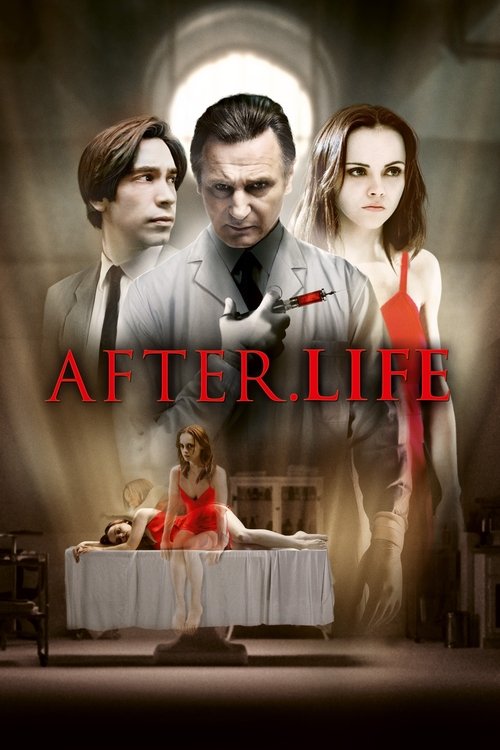
After.Life
Drama · 2009
Following a terrible car crash, a woman awakes to find an enigmatic mortician preparing her for burial.
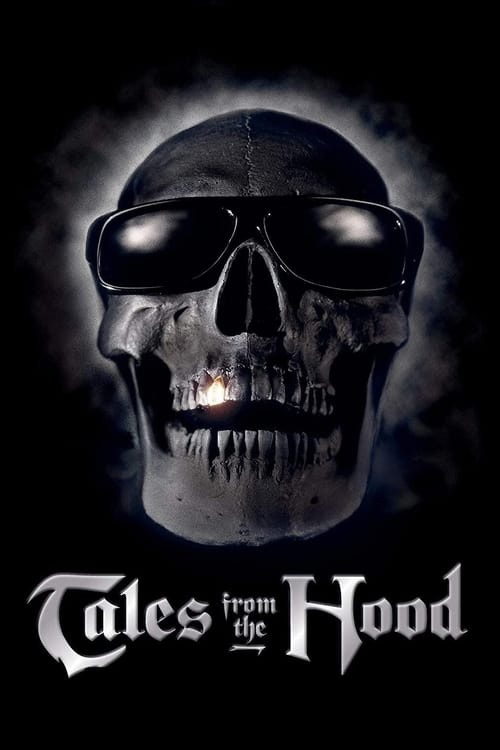
Tales from the Hood
Horror · 1995
A strange mortician tells four horrific tales to three drug dealers that he traps in a local funeral parlor.

Blackwater Lane
Thriller · 2024
An American school teacher in England drives past an abandoned car late one night, unaware that the driver was the victim of a murder. As she comes to terms with the realization, seemingly supernatural events start to affect the gothic manor she lives in with her husband.
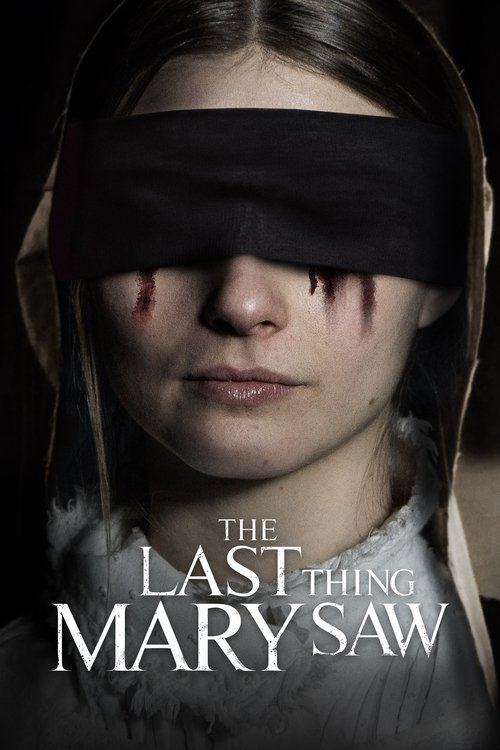
The Last Thing Mary Saw
Horror · 2021
Winter, 1843. A young woman is under investigation following the mysterious death of her family's matriarch. Her recollection of the events sheds new light on the ageless forces behind the tragedy.
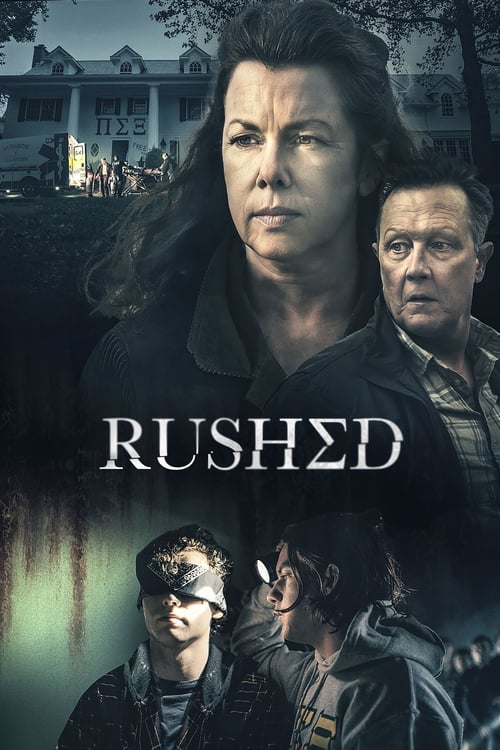
Rushed
Mystery · 2021
Barbara O’Brien, an Irish Catholic mother, has her life turned upside-down when her son, a freshman in college, is involved in a tragic hazing incident. Taking justice into her own hands, she travels across the country recording mothers who have lost sons to hazing in an effort to prove the university’s liability. When she is confronted by corruption and cover ups, she seeks revenge on the one person she finds truly responsible, proving that hell hath no fury like a mother scorned.
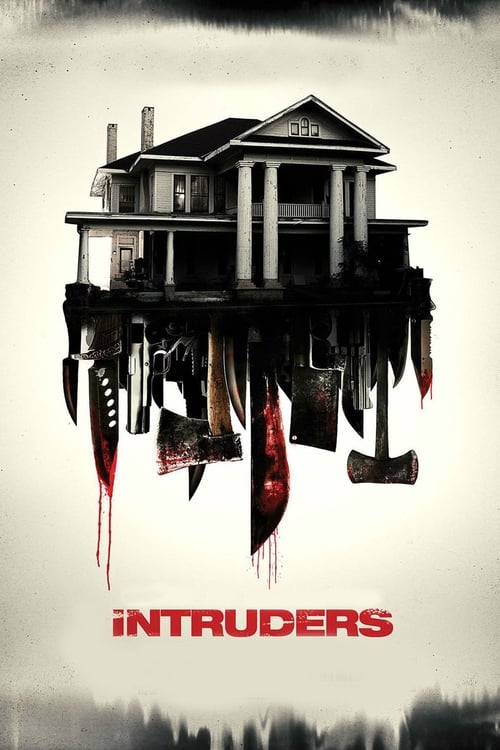
Intruders
Drama · 2015
Anna suffers from agoraphobia so crippling that when a trio of criminals break into her house, she cannot bring herself to flee. But what the intruders don't realize is that agoraphobia is not her only psychosis.
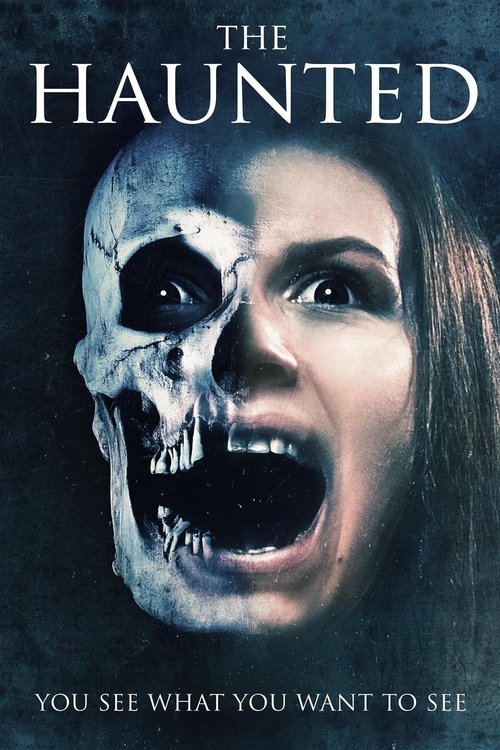
The Haunted
Horror · 2018
In a rambling, isolated house, Emily’s first night-shift as carer to an elderly dementia patient turns into a nightmare as she is tormented by a vengeful spirit and uncovers the house's dark secrets.
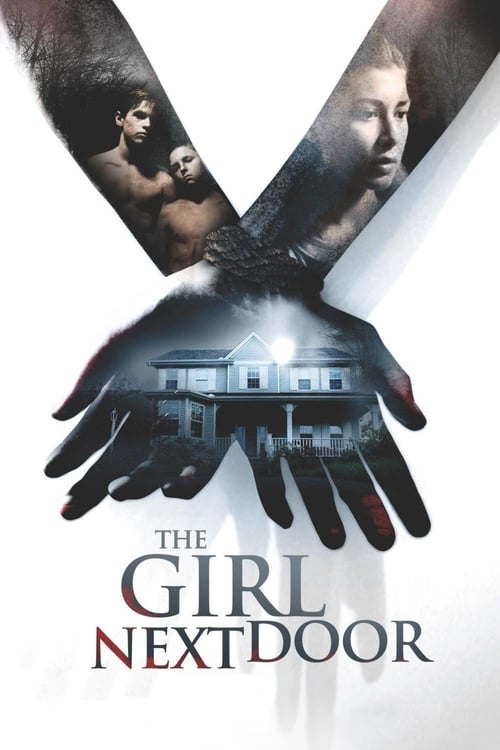
The Girl Next Door
Thriller · 2007
In a quiet suburban town in the summer of 1958, two recently orphaned sisters are placed in the care of their mentally unstable Aunt Ruth. But Ruth's depraved sense of discipline will soon lead to unspeakable acts of abuse and torture that involve her young sons, the neighborhood children, and one 12-year-old boy whose life will be changed forever.

Burnt Offerings
Horror · 1976
A family moves into a large old mansion in the countryside which seems to have a mysterious and sinister power over its new residents.

Split
Fantasy · 2016
The story of a young woman who takes an epic journey to claim her own darkness and sexuality so she can stop putting it into the hands of her abusive lover. When Inanna, a young actress, working as a stripper, becomes obsessed with a mask maker, she sacrifices parts of herself and her life, piece by piece, in order to win his love. At the same time she enters a mythic journey in the theater. One that forces her to face the many abuses endured by women around that world and that blurs her performance, her dreams and her real life and results in a provocative and powerful confrontation that frees her. -- from official website
Cinema release signals and current streaming, rental, and purchase options for your region.
Streaming availability data supplied by JustWatch.
Cast & crew
Directed by
Jeffrey Bloom
Written by
Jeffrey Bloom

Louise Fletcher
Olivia Foxworth

Victoria Tennant
Corrine Dollanganger
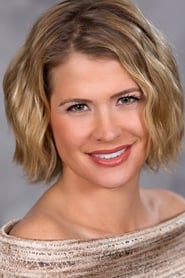
Kristy Swanson
Cathy Dollanganger
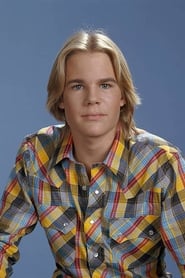
Jeb Stuart Adams
Chris Dollanganger

Ben Ryan Ganger
Cory

Lindsay Parker
Carrie

Nathan Davis
Grandfather
Two incompatible taste archetypes. One film. Read the arguments, then issue a completely binding cultural ruling.
“Its refusal to behave is the point.”
The strange choices create the kind of friction that follows you out of the theatre and into the argument.
“Oddness is not depth.”
A film can break every rule and still leave nothing behind but the memory of how hard it tried to be singular.