The defence The Prestige Tourist
“Sincerity is not manipulation.”
The film risks embarrassment to make emotion communal, and that openness is harder than fashionable detachment.


Thank You for Smoking
Comedy · Drama · 2005
Nick Naylor is a charismatic spin-doctor for Big Tobacco who'll fight to protect America's right to smoke -- even if it kills him -- while still remaining a role model for his 12-year old son. When he incurs the wrath of a senator bent on snuffing out cigarettes, Nick's powers of "filtering the truth" will be put to the test.
“Nick Naylor doesn't hide the truth...he filters it.”
Critical arithmetic
Scores change. Arguments endure.
TMDB
7.2 / 10
Community rating
Nick Naylor is a charismatic spin-doctor for Big Tobacco who'll fight to protect America's right to smoke -- even if it kills him -- while still remaining a role model for his 12-year old son. When he incurs the wrath of a senator bent on snuffing out cigarettes, Nick's powers of "filtering the truth" will be put to the test.
Not a recommendation score. A measure of how closely the film’s taste signals resemble yours.
The archetype split
The Prestige Tourist
“You like your greatness pre-approved.”
Read their caseThe Popcorn Loyalist
“Big screen, big feelings, no apologies.”
Read their objectionThe split comes from the same five-axis model used by the test, not audience ratings or review sentiment.
TMDB supplies the candidates. CriticWise reorders them by craft, strangeness, prestige, emotion, and pace.

Coffee and Cigarettes
Comedy · 2004
An anthology of eleven vignettes featuring star-studded casts of extremely unique individuals who all share the common activities of conversing while drinking coffee and smoking cigarettes.

Being There
Comedy · 1979
A simple-minded gardener named Chance has spent all his life in the Washington D.C. house of an old man. When the man dies, Chance is put out on the street with no knowledge of the world except what he has learned from television.

The Rainmaker
Drama · 1997
Fresh out of law school and desperate for work, idealistic rookie Rudy Baylor takes on a powerful insurance company accused of denying a dying boy’s claim. Teaming up with a scrappy, unlicensed paralegal, he finds himself in a David-versus-Goliath courtroom battle that tests his ethics, courage, and belief in justice.

Losing Isaiah
Drama · 1995
Khaila Richards, a crack-addicted single mother, accidentally leaves her baby in a dumpster while high and returns the next day in a panic to find he is missing. In reality, the baby has been adopted by a warm-hearted social worker, Margaret Lewin, and her husband, Charles. Years later, Khaila has gone through rehab and holds a steady job. After learning that her child is still alive, she challenges Margaret for the custody.

Dad
Drama · 1989
A busy executive learns during a meeting that his mother may be dying and rushes home to her side. He ends up being his father's caretaker and becomes closer to him than ever before. Estranged from his own son, the executive comes to realize what has been missing in his own life.

Trumbo
Drama · 2015
The career of screenwriter Dalton Trumbo is halted by a witch hunt in the late 1940s when he defies the anti-communist HUAC committee and is blacklisted.
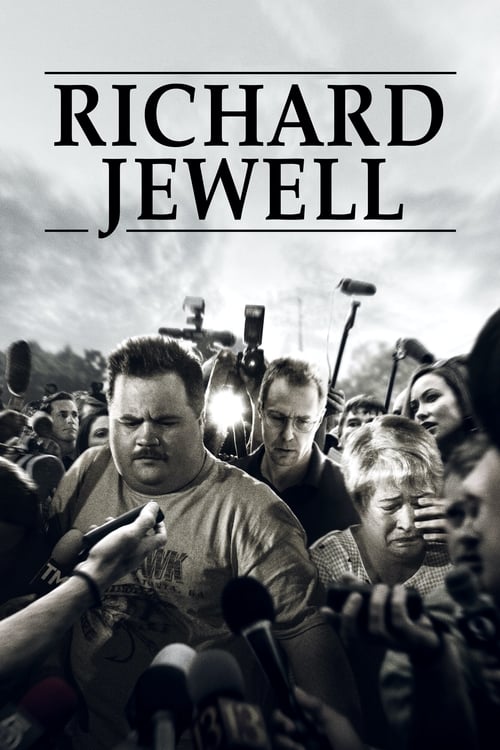
Richard Jewell
Drama · 2019
Richard Jewell thinks quick, works fast, and saves hundreds, perhaps thousands, of lives after a domestic terrorist plants several pipe bombs and they explode during a concert, only to be falsely suspected of the crime by sloppy FBI work and sensational media coverage.

Come Sunday
Drama · 2018
Evangelist Carlton Pearson is ostracized by his church for preaching that there is no Hell.
Power
Drama · 1986
Pete St. John is a powerful and successful political consultant, with clients spread around the country. When his long-time friend and client Ohio senator Sam Hastings decides to quit politics, he is rapidly drafted to help with the campaign of the man destined to succeed him, unknown and mysterious businessman Jerome Cade...

Fahrenheit 451
Drama · 1966
In the future, the government maintains control of public opinion by outlawing literature and maintaining a group of enforcers, known as “firemen,” to perform the necessary book burnings. Fireman Montag begins to question the morality of his vocation…
Cinema release signals and current streaming, rental, and purchase options for your region.
Streaming availability data supplied by JustWatch.
Cast & crew
Directed by
Jason Reitman
Written by
Jason Reitman
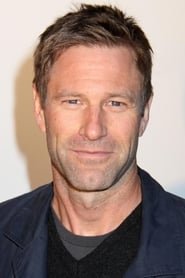
Aaron Eckhart
Nick Naylor

Maria Bello
Polly Bailey

Cameron Bright
Joey Naylor
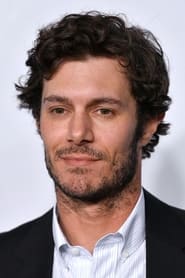
Adam Brody
Jack
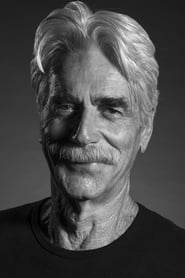
Sam Elliott
Lorne Lutch

Katie Holmes
Heather Holloway
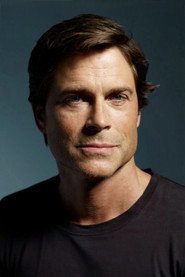
Rob Lowe
Jeff Megall
Two incompatible taste archetypes. One film. Read the arguments, then issue a completely binding cultural ruling.
“Sincerity is not manipulation.”
The film risks embarrassment to make emotion communal, and that openness is harder than fashionable detachment.
“The strings are showing.”
Every cue tells you exactly what to feel and when, leaving sentiment to do the work character should have done.