The defence The Arthouse Gremlin
“Its refusal to behave is the point.”
The strange choices create the kind of friction that follows you out of the theatre and into the argument.
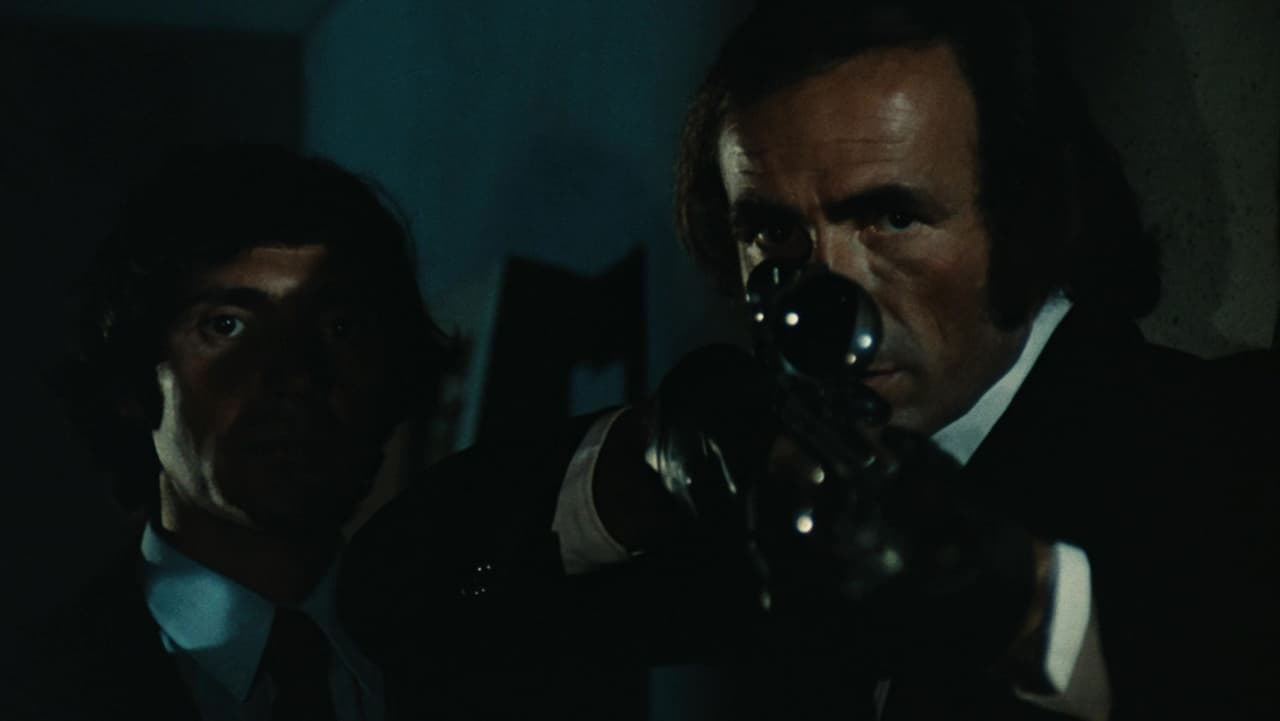
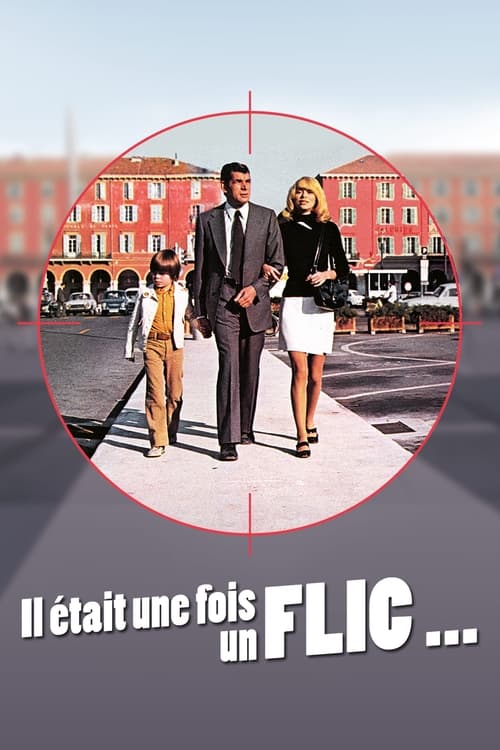
There Once Was a Cop
Crime · Comedy · 1972
Campana, a commissar at the drugs bureau of Paris police gets an undercover job in Nice to catch an Italian-French mafia boss. As he slips into the identity of a gangster's brother, who was already killed, he has to play the role of a loving husband with child - something that is not so easy for a confirmed single like Campana. Unfortunately American killers chase behind the Nice mafia clan too, in order to get control of French drug trades to USA.
Critical arithmetic
Scores change. Arguments endure.
TMDB
6.1 / 10
Community rating
Campana, a commissar at the drugs bureau of Paris police gets an undercover job in Nice to catch an Italian-French mafia boss. As he slips into the identity of a gangster's brother, who was already killed, he has to play the role of a loving husband with child - something that is not so easy for a confirmed single like Campana. Unfortunately American killers chase behind the Nice mafia clan too, in order to get control of French drug trades to USA.
Not a recommendation score. A measure of how closely the film’s taste signals resemble yours.
The archetype split
The Arthouse Gremlin
“The stranger, the better.”
Read their caseThe Popcorn Loyalist
“Big screen, big feelings, no apologies.”
Read their objectionThe split comes from the same five-axis model used by the test, not audience ratings or review sentiment.
TMDB supplies the candidates. CriticWise reorders them by craft, strangeness, prestige, emotion, and pace.
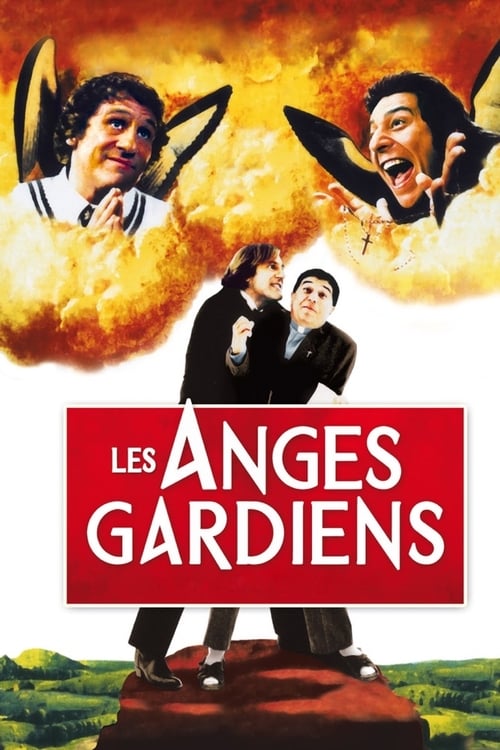
Guardian Angels
Comedy · 1995
A sleazy Paris nightclub owner and ex-detective flies to Hong Kong to rescue the young son of a friend murdered by the Chinese mob.
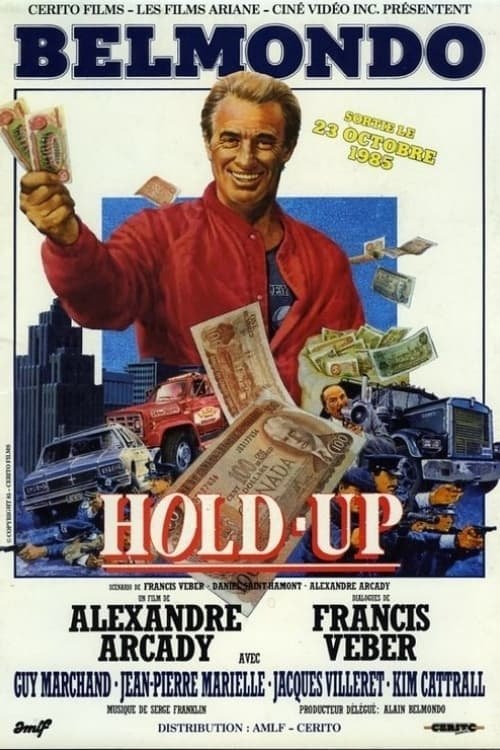
Hold-up
Comedy · 1985
Dressed as a clown, the clever rascal Grimm holds up the most secure bank of Montreal and takes 30 hostages. While confusing and ridiculing the police with his strange behavior, he calmly manages to rid the bank of a fortune. But then an unsatisfied companion arouses trouble...
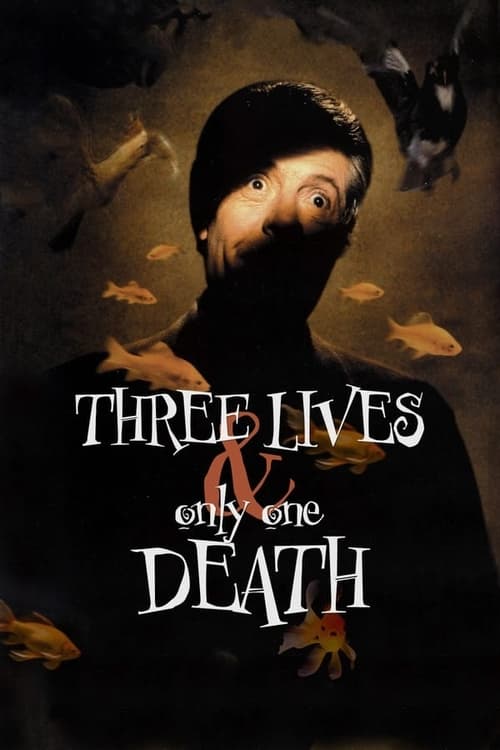
Three Lives and Only One Death
Comedy · 1996
Four intertwining stories of bizarre occurrences in Paris featuring a man who was stolen away by fairies, a professor who becomes a tramp, the lovers who inherit a chateau – and the last tale that connects all that has gone before.
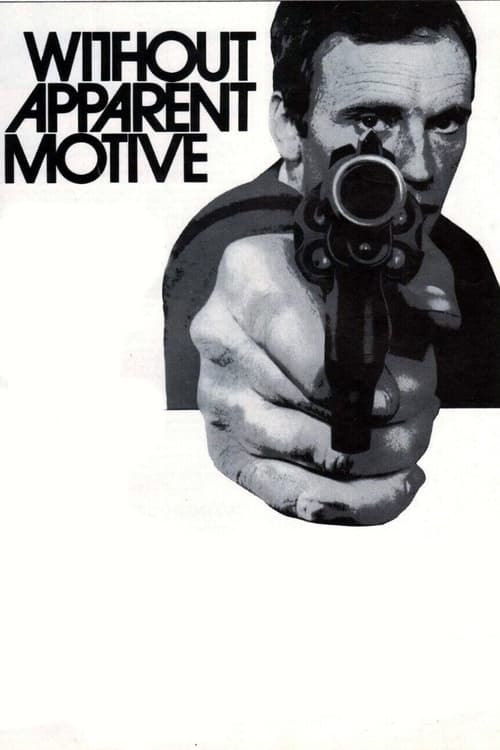
Without Apparent Motive
Crime · 1971
A series of murders is committed in Nice on the French riviera. The commissaire Carella is in charge and tries to find a missing link between all these murders.
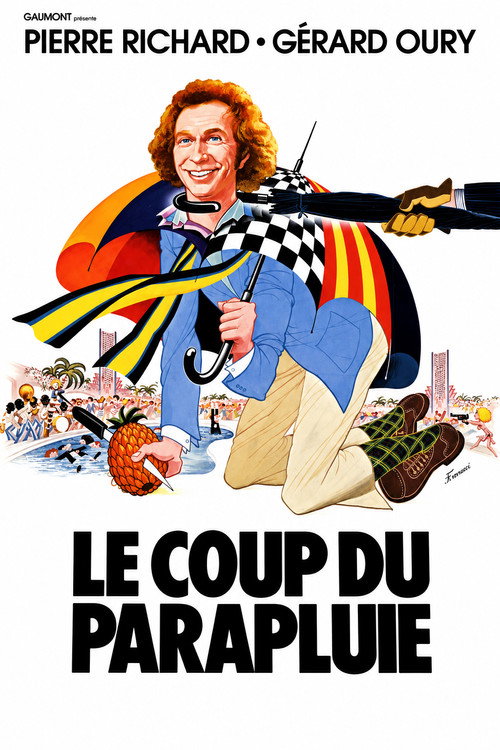
Umbrella Coup
Comedy · 1980
Grégoire Lecomte, the unlucky actor anxious to find a "real job", goes to take a screen test for a role of a killer, but gets to mafiosi by mistake. He takes their don for a producer, and they mistake him for a hitman with whom they had an appointment. Deluded Lecomte signs contract with them. He is supposed to kill gun dealer Otto Krampe at his birthday party in Saint-Tropez by piercing him with a cap of the umbrella with a built-in syringe with potassium cyanide. Lecomte is not aware that it has to be a real murder.
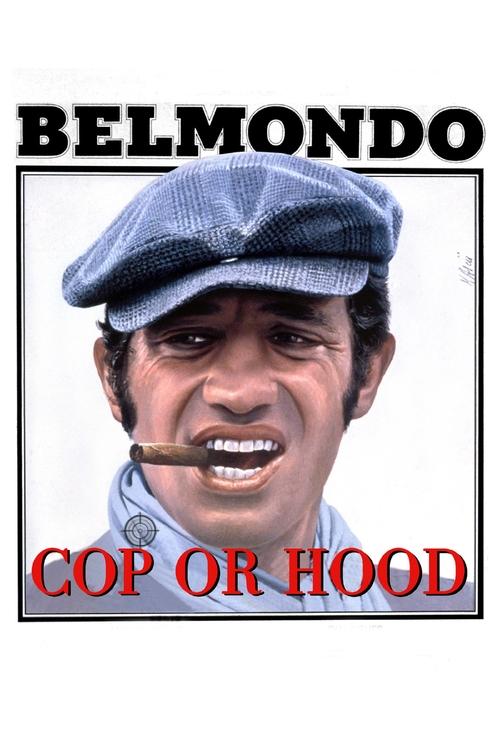
Cop or Hood
Comedy · 1979
When the local police inspector was found dead in a prostitute's house, police division commissioner Stan Borowitz is sent to investigate the situation. Posing as the prostitute's long-lost brother "Antonio Cerruti," he discovers a mare's nest of police corruption. In fact, in this comedy thriller the whole town is corrupt. If they were closely examined, Stan's methods for pursuing this investigation might embarrass the police. For instance, he drives into a criminal's house in a fancy, expensive race car. In another incident, he callously blows up a casino owned by Musard , one of the town's crime bosses. On that occasion, he first forces Musard to remove his clothes, and the poor criminal watches his casino explode from across the square while standing naked in a phone booth. Meanwhile, Stan seduces the lovely Edmonde.

Buffet Froid
Comedy · 1979
Alphonse Tram is unwittingly involved in several murders despite having no memory of committing the crimes. His confusion lead him to confess to his neighbour, Inspector Morvandieu. Alphonse and Morvandieu become the axis around which murders occur.
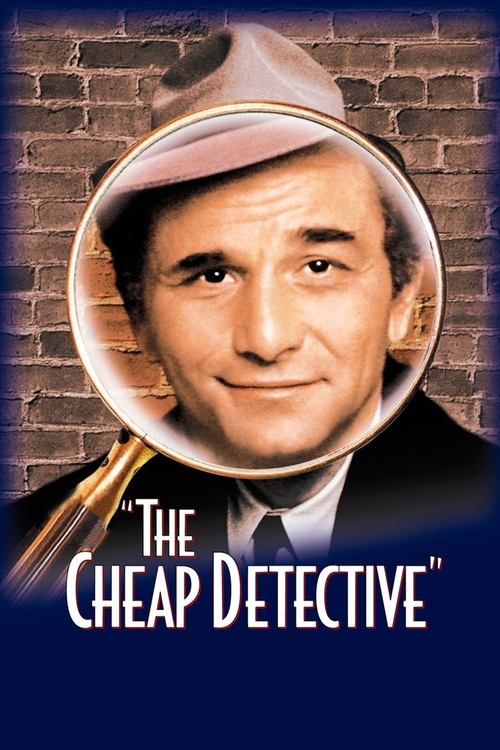
The Cheap Detective
Comedy · 1978
A spoof of the entire 1940s detective genre. San Francisco private detective, Lou Pekinpaugh is accused of murdering his partner at the instigation of his mistress—his partner's wife.
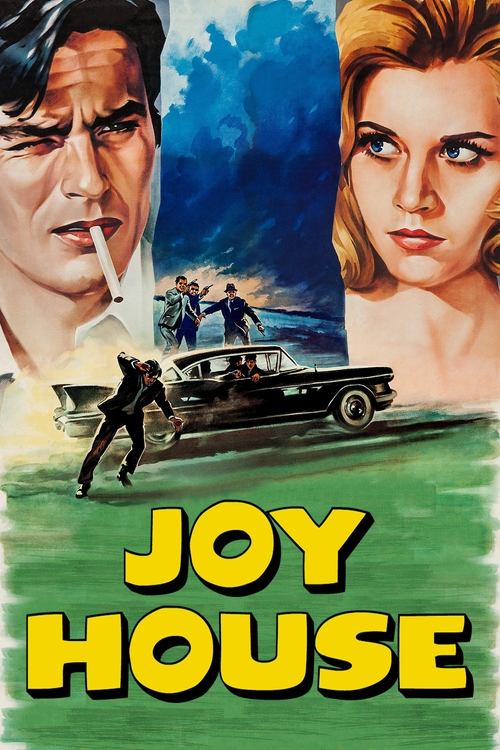
Joy House
Thriller · 1964
A small-time con man on the run from his girlfriend's gangster husband hides out in a strange, brooding mansion run by two mysterious women, where he finds himself trapped in deception between the two.
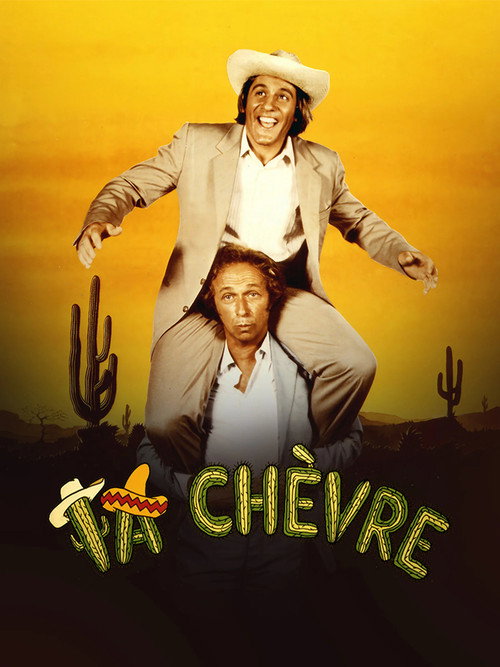
La Chèvre
Comedy · 1981
When the boss' unlucky daughter is missing in South America, Campana is sent to watch the boss' most unlucky employee who is sent as a private detective in hopes he can duplicate the daughter's mistakes.
Cinema release signals and current streaming, rental, and purchase options for your region.
Streaming availability data supplied by JustWatch.
Cast & crew
Directed by
Georges Lautner
Written by
Georges Lautner · Francis Veber
Michael Lonsdale
Commissioner Lucas
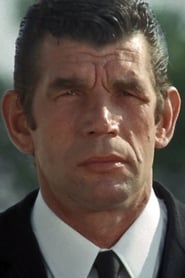
Michel Constantin
Commissioner Campana alias Louis Lopez

Mireille Darc
Christine alias Françoise
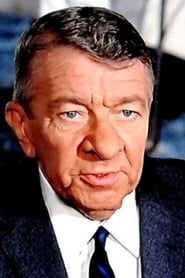
Robert Dalban
Commissioner Chauvet, Superintendent in Nice
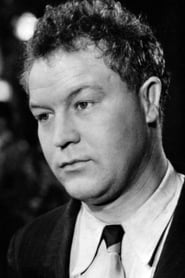
Daniel Ivernel
Ligmann

Venantino Venantini
Felice, killer
Hervé Hillien
Bertrand, Christine's son
Two incompatible taste archetypes. One film. Read the arguments, then issue a completely binding cultural ruling.
“Its refusal to behave is the point.”
The strange choices create the kind of friction that follows you out of the theatre and into the argument.
“Oddness is not depth.”
A film can break every rule and still leave nothing behind but the memory of how hard it tried to be singular.