The defence The Arthouse Gremlin
“Its refusal to behave is the point.”
The strange choices create the kind of friction that follows you out of the theatre and into the argument.
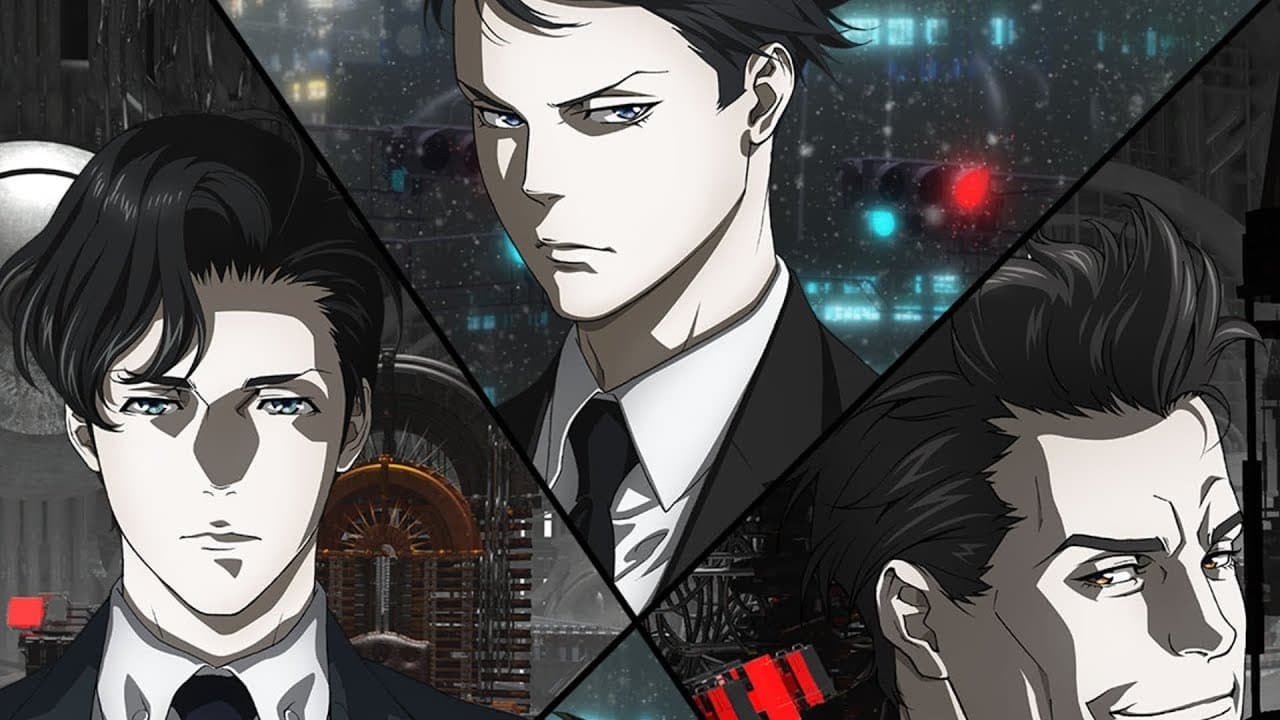
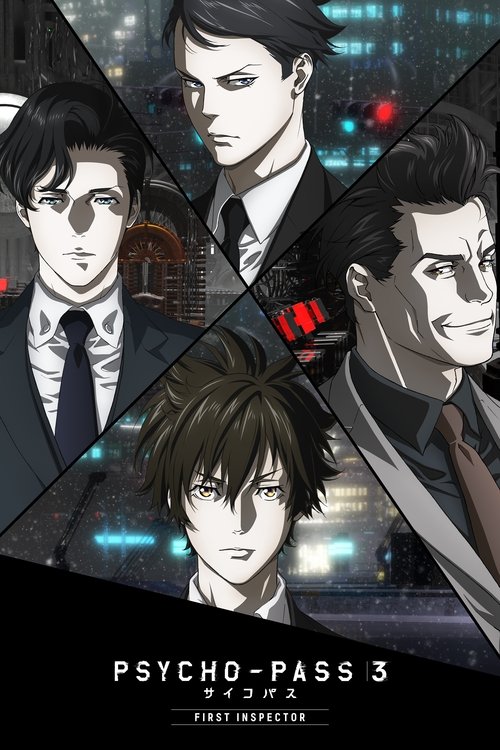
Psycho-Pass 3: First Inspector
Science Fiction · Action · Crime · 2020
Inspector Kei Mikhail Ignatov finds himself involved with an organization named Bifrost with the possibility of freeing his wife if he betrays Unit One. Koichi Azusawa coordinates an assault on the Public Safety Bureau tower using his hacker Obata, locking down the building and kidnapping Inspector Arata Shindo. Azusawa demands that governor Karina Komiya resign from her position.
Critical arithmetic
Scores change. Arguments endure.
TMDB
7.5 / 10
Community rating
Inspector Kei Mikhail Ignatov finds himself involved with an organization named Bifrost with the possibility of freeing his wife if he betrays Unit One. Koichi Azusawa coordinates an assault on the Public Safety Bureau tower using his hacker Obata, locking down the building and kidnapping Inspector Arata Shindo. Azusawa demands that governor Karina Komiya resign from her position.
Not a recommendation score. A measure of how closely the film’s taste signals resemble yours.
The archetype split
The Arthouse Gremlin
“The stranger, the better.”
Read their caseThe Popcorn Loyalist
“Big screen, big feelings, no apologies.”
Read their objectionThe split comes from the same five-axis model used by the test, not audience ratings or review sentiment.
TMDB supplies the candidates. CriticWise reorders them by craft, strangeness, prestige, emotion, and pace.
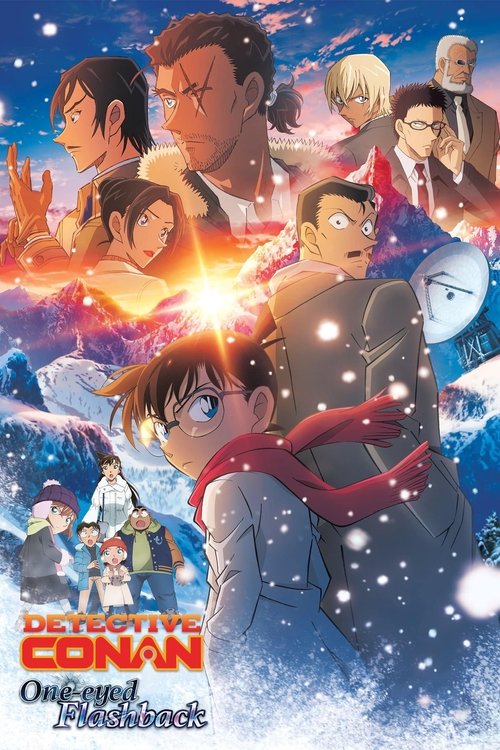
Detective Conan: One-Eyed Flashback
Animation · 2025
As police inspector Yamato Kansuke pursues a certain man in the snowy mountains of Nagano, a shadow suddenly appears in his field of vision. While he's distracted, a rifle bullet fired by someone grazes his left eye and causes an avalanche accompanied by a roar. Ten months later, Kansuke, having miraculously survived the avalanche, receives a report that a researcher at the Nobeyama National Astronomical Observatory has been attacked.
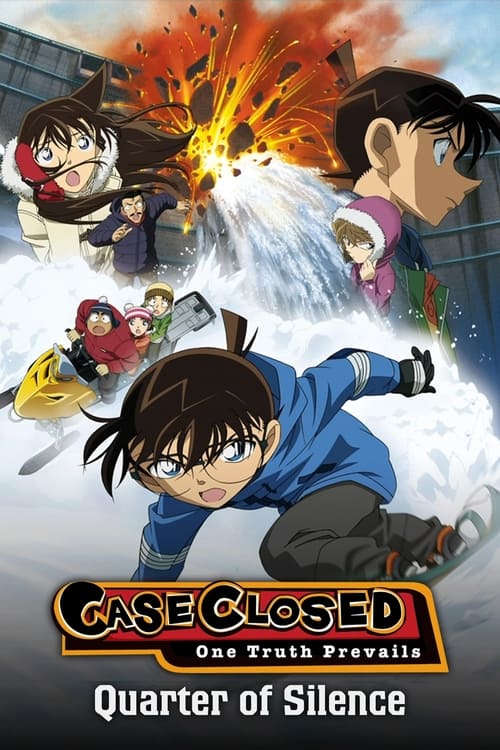
Detective Conan: Quarter of Silence
Animation · 2011
The explosion of a new Tokyo Subway line leads Conan and his friends in a snow-clad village. Here, after eight years, the little detective sheds light on the dynamics behind the shocking event that caused the death of a woman and the coma of a 15-year-old boy. Under the beautiful snow, Conan gets involved in something bigger than him.

Ghost in the Shell: Stand Alone Complex - Solid State Society
Animation · 2007
The story takes place in the year 2034, two years after the events in Ghost in the Shell: S.A.C. 2nd GIG. Female cyborg Major Motoko Kusanagi has left Public Security Section 9, an elite counter-terrorist and anti-crime unit specializing in cyber-warfare, which has expanded to a team of 20 field operatives with Togusa acting as the field lead.
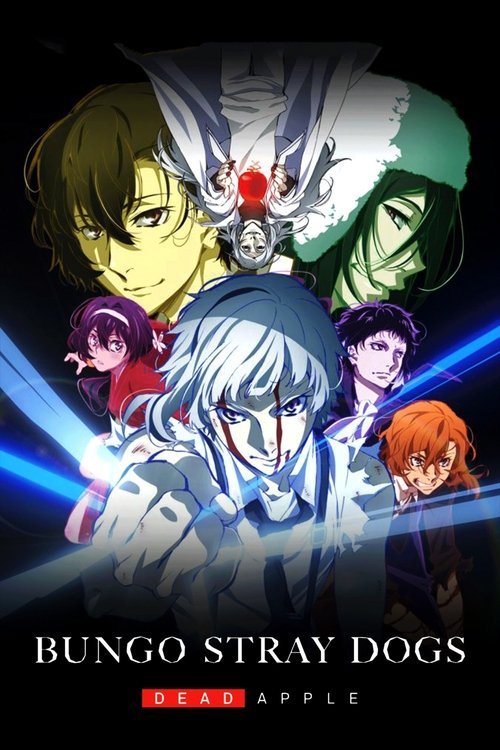
Bungo Stray Dogs: Dead Apple
Animation · 2018
A large scale catastrophe is occurring across the planet. Ability users are discovered after the appearance of a mysterious fog, apparently having committed suicide, so the Armed Detective Agency sets out to investigate these mysterious deaths. The case seems to involve an unknown ability user referred to as "Collector," a man who could be the mastermind behind the incident. Trust and courage are put to the test in order to save the city of Yokohama and ability users across the world from the grip of Collector where the Armed Detective Agency forms an unlikely partnership with the dangerous Port Mafia.
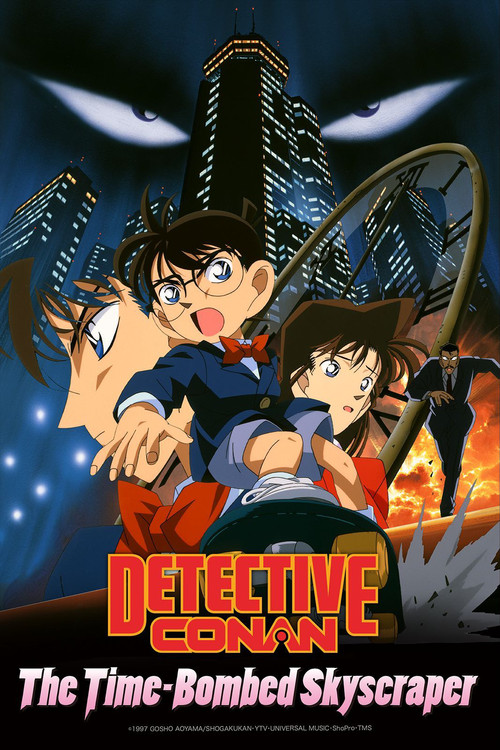
Detective Conan: The Time Bombed Skyscraper
Animation · 1997
Once brilliant teenage detective Shinichi Kudo was given a poison that reverted him to a 4-year-old. He's adopted the pseudonym Conan Edogawa so no one (save for an eccentric inventor) will know. Now he's got to solve a series of bombings before his loved ones become victims. Who is this madman and why is he doing this? Only the young genius can save the day but will even he be up to the task?
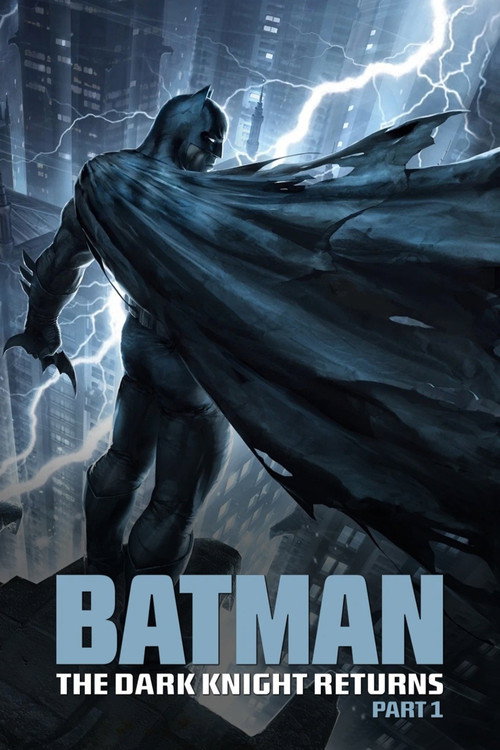
Batman: The Dark Knight Returns, Part 1
Sci-fi · 2012
Batman has not been seen for ten years. A new breed of criminal ravages Gotham City, forcing 55-year-old Bruce Wayne back into the cape and cowl. But, does he still have what it takes to fight crime in a new era?
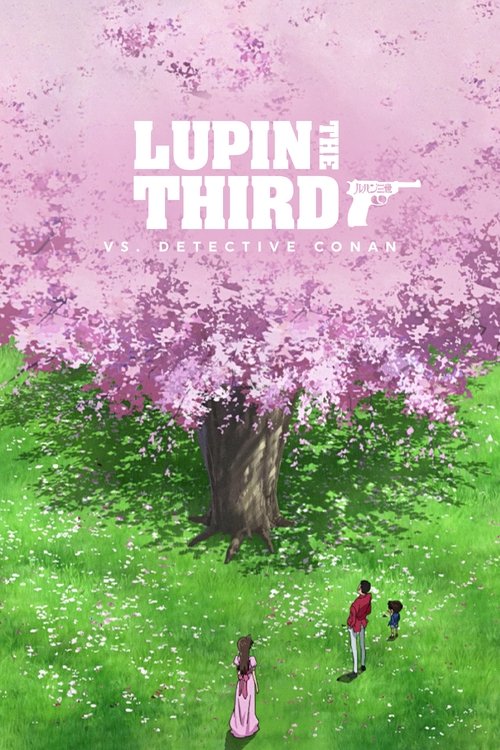
Lupin the Third vs. Detective Conan
TV Movie · 2009
When a wealthy woman and her son die in a hunting accident, it's up to Conan Edogawa to solve the case. Meanwhile, Lupin the Third is after the Queen Crown, owned by the Vesparand royal family. When these two legendary characters meet, who will win the day?! Followed by “Lupin the Third vs. Detective Conan: The Movie” (2013).
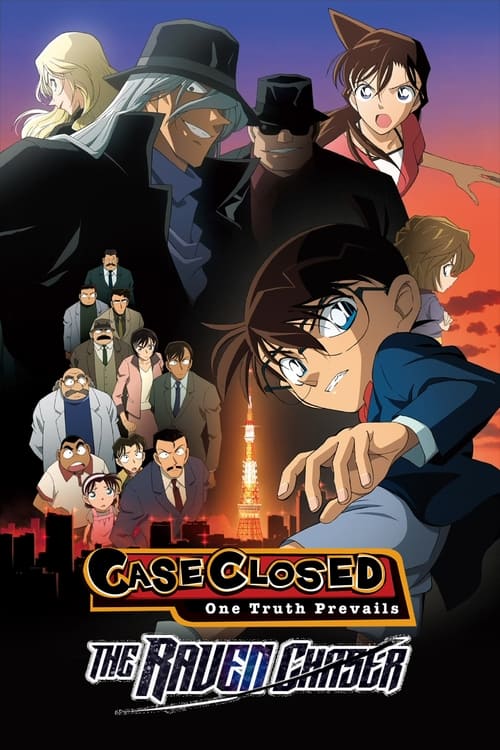
Detective Conan: The Raven Chaser
Animation · 2009
A new member from the Black Organization that shrunk Shinichi's body manages to find out about Shinichi's transformation into Conan. This discovery starts to put those around him in danger as Gin and the other Black Organization members start to take action.
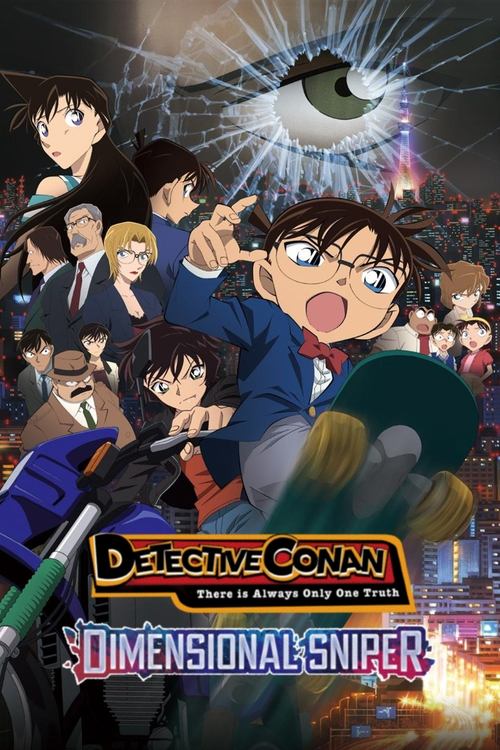
Detective Conan: Dimensional Sniper
Animation · 2014
A rash of sniper attacks leaves the streets of Tokyo empty and the public terrified to go outside. It’s up to Conan and his friends to find the culprit, but the case goes deeper than it seems. Military cover-ups, conspiracies and murder abound in this fast-paced, thrilling mystery!
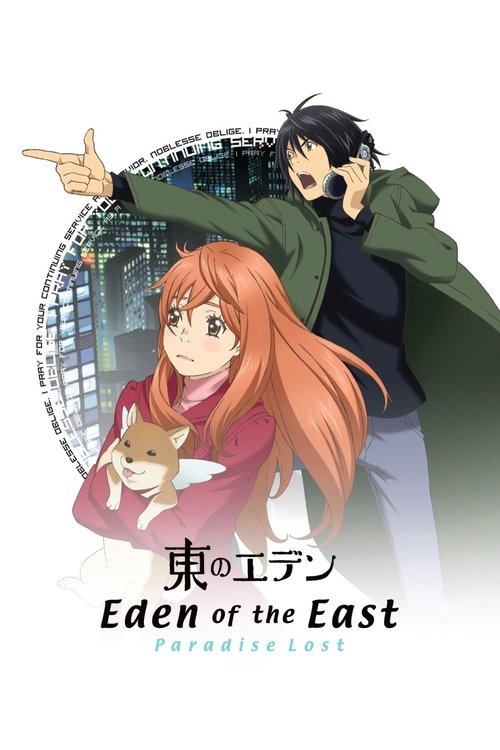
Eden of the East Movie II: Paradise Lost
Animation · 2010
Accused of terrorism and feeling the heat, Saki's high-tech crew is in the crosshairs. Meanwhile, the shroud of mystery covering Takizawa is lifted as he and his fellow Selecao make their final moves. Every game must come to an end. For those playing Mr. Outside's twisted game of conspiracy thrills, the end comes now.
Cinema release signals and current streaming, rental, and purchase options for your region.
Streaming availability data supplied by JustWatch.
Cast & crew
Directed by
Naoyoshi Shiotani
Written by
Makoto Fukami · Tow Ubukata

Takahiro Sakurai
Hinakawa Shou (voice)
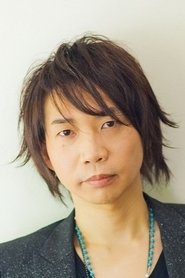
Junichi Suwabe
Irie Kazumichi (voice)
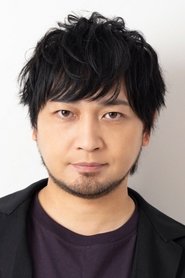
Yuichi Nakamura
Kei Michael Ignatov (voice)

Kaori Nazuka
Kisaragi Mao (voice)

Ayane Sakura
Shimotsuki Mika (voice)

Yuki Kaji
Shindou Arata (voice)

Akio Otsuka
Todoroki Tenma (voice)
Two incompatible taste archetypes. One film. Read the arguments, then issue a completely binding cultural ruling.
“Its refusal to behave is the point.”
The strange choices create the kind of friction that follows you out of the theatre and into the argument.
“Oddness is not depth.”
A film can break every rule and still leave nothing behind but the memory of how hard it tried to be singular.