The defence The Sentimental Softie
“Sincerity is not manipulation.”
The film risks embarrassment to make emotion communal, and that openness is harder than fashionable detachment.
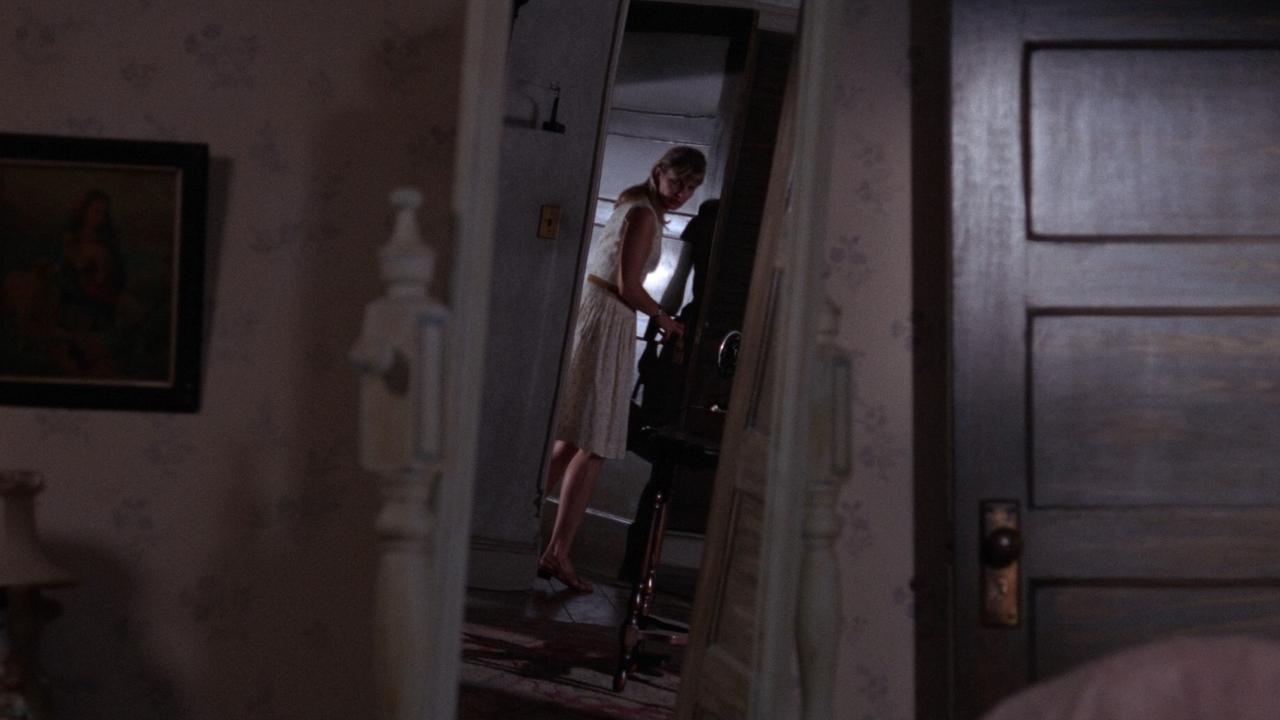

Rachel, Rachel
Drama · Romance · 1968
Rachel is a 35-year-old school teacher who has no man in her life and lives with her mother. When a man from the big city returns and asks her out, she begins to have to make decisions about her life and where she wants it to go.
“Who cares about a 35 year old virgin?”
Critical arithmetic
Scores change. Arguments endure.
TMDB
6.6 / 10
Community rating
Rachel is a 35-year-old school teacher who has no man in her life and lives with her mother. When a man from the big city returns and asks her out, she begins to have to make decisions about her life and where she wants it to go.
Not a recommendation score. A measure of how closely the film’s taste signals resemble yours.
The archetype split
The Sentimental Softie
“You came to feel something, and you will.”
Read their caseThe Cool Ironist
“Feeling things is a little embarrassing.”
Read their objectionThe split comes from the same five-axis model used by the test, not audience ratings or review sentiment.
TMDB supplies the candidates. CriticWise reorders them by craft, strangeness, prestige, emotion, and pace.

On the Edge
Drama · 2001
A suicidal young man is committed to a Dublin psychiatric hospital where he meets new friends who greatly influence his life.

Two for the Seesaw
Drama · 1962
After leaving his wife, lawyer Jerry Ryan moves from Omaha, Nebraska to New York City to start a new life. While studying for the New York Bar Examination and working to finalize his divorce, Ryan meets dancer Gittel Mosca, and the two begin a cautious courtship. However, Ryan feels that he must come to terms with his failed marriage and overcome his lingering attachment to his ex-wife before he can redefine himself and embrace his budding romance.

Time Is Up
Romance · 2021
Vivien, an accomplished student with a passion for physics, and Roy, a troubled young man, are involved in an accident that forces them to reclaim their lives one minute at the time.
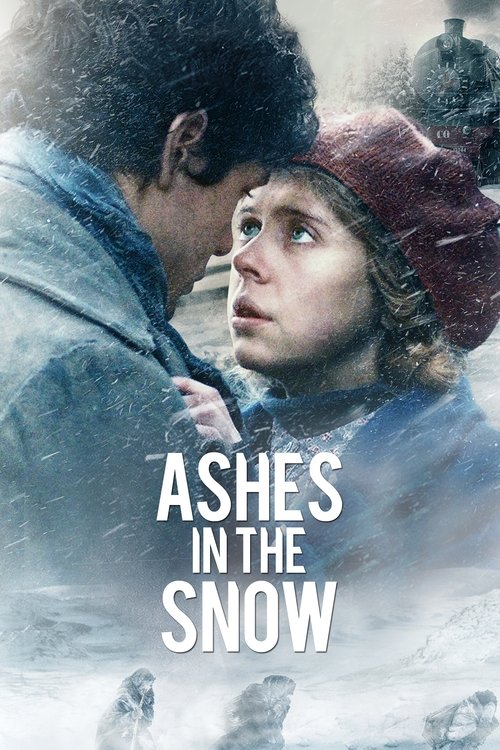
Ashes in the Snow
Drama · 2018
The coming-of-age tale of 16-year-old Lina Vilkas who is deported to Siberia amid Stalin's reign of terror in the Baltic region during WWII. An aspiring artist, she secretly documents her harrowing journey with her drawings.
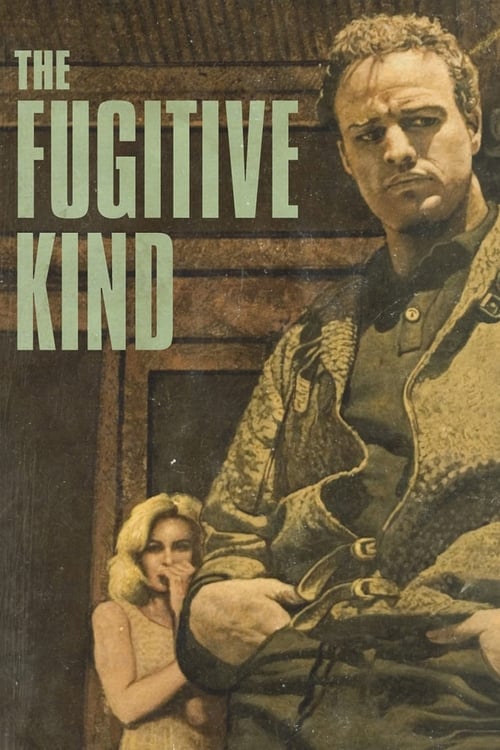
The Fugitive Kind
Romance · 1960
Val Xavier, a drifter of obscure origins, arrives at a small town and gets a job in a store run by Lady Torrence. Her husband, Jabe M. Torrance, is dying of cancer. Val is pursued by Carol Cutere, the enigmatic local tramp-of-good-family.

A Journal for Jordan
Drama · 2021
Based on the true story of First Sergeant Charles Monroe King, a soldier deployed to Iraq begins to keep a journal of love and advice for his infant son. Back at home, senior New York Times editor Dana Canedy revisits the story of her unlikely, life-altering relationship with King and his enduring devotion to her and their child.

Dirt Music
Drama · 2020
Georgie is slowly suffocating in a loveless marriage to fishing tycoon Jim Buckridge. Handsome poacher Lu is an irresistible symbol of the excitement she craves. A passionate affair follows that reveals the dark secrets in Lu’s past and forces him to take flight into the blistering heat of the outback. Georgie follows, determined to find him and bring him back.
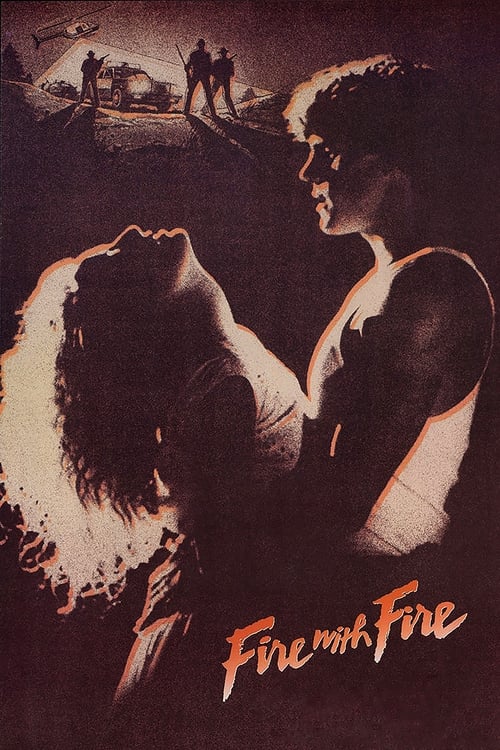
Fire with Fire
Drama · 1986
A tough, street-smart kid serving a sentence in a state youth reformatory meets a beautiful, innocent girl studying at a nearby convent. When forbidden love blossoms between them, they must fight the prison authorities, their parents and the law.

Sylvie's Love
Romance · 2020
When a young woman meets an aspiring saxophonist in her father’s record shop in 1950s Harlem, their love ignites a sweeping romance that transcends changing times, geography, and professional success.
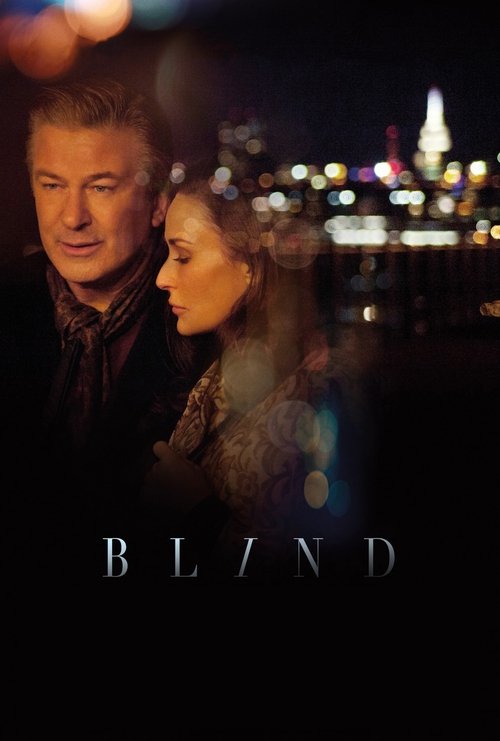
Blind
Drama · 2017
A novelist is blinded in a car crash that killed his wife and several years later rediscovers his passion for life and writing when he embarks on an affair with the neglected wife of an indicted businessman.
Cinema release signals and current streaming, rental, and purchase options for your region.
Streaming availability data supplied by JustWatch.
Cast & crew
Directed by
Paul Newman
Written by
Stewart Stern

Joanne Woodward
Rachel Cameron

James Olson
Nick Kazlik
Kate Harrington
Mrs. Cameron

Estelle Parsons
Calla Mackie

Donald Moffat
Niall Cameron

Terry Kiser
Preacher

Frank Corsaro
Hector Jonas
Two incompatible taste archetypes. One film. Read the arguments, then issue a completely binding cultural ruling.
“Sincerity is not manipulation.”
The film risks embarrassment to make emotion communal, and that openness is harder than fashionable detachment.
“The strings are showing.”
Every cue tells you exactly what to feel and when, leaving sentiment to do the work character should have done.