The defence The Sentimental Softie
“Sincerity is not manipulation.”
The film risks embarrassment to make emotion communal, and that openness is harder than fashionable detachment.


Lover Come Back
Comedy · Romance · 1961
Jerry Webster and Carol Templeton are rival Madison Avenue advertising executives who each dislike each other’s methods. After he steals a client out from under her cute little nose, revenge prompts her to infiltrate his secret "VIP" campaign in order to persuade the mystery product’s scientist to switch to her firm.
“A riotous new twist in the art of gentle persuasion!”
Critical arithmetic
Scores change. Arguments endure.
TMDB
7.0 / 10
Community rating
Jerry Webster and Carol Templeton are rival Madison Avenue advertising executives who each dislike each other’s methods. After he steals a client out from under her cute little nose, revenge prompts her to infiltrate his secret "VIP" campaign in order to persuade the mystery product’s scientist to switch to her firm.
Not a recommendation score. A measure of how closely the film’s taste signals resemble yours.
The archetype split
The Sentimental Softie
“You came to feel something, and you will.”
Read their caseThe Cool Ironist
“Feeling things is a little embarrassing.”
Read their objectionThe split comes from the same five-axis model used by the test, not audience ratings or review sentiment.
TMDB supplies the candidates. CriticWise reorders them by craft, strangeness, prestige, emotion, and pace.

Man's Favorite Sport?
Comedy · 1964
Roger Willoughby is a renowned fishing expert, who, unbeknownst to his friends, co-workers, or boss, has never cast a line in his life. One day, he crosses paths with Abigail Paige, a sweetly annoying girl who has just badgered his boss into signing Roger up for an annual fishing tournament.
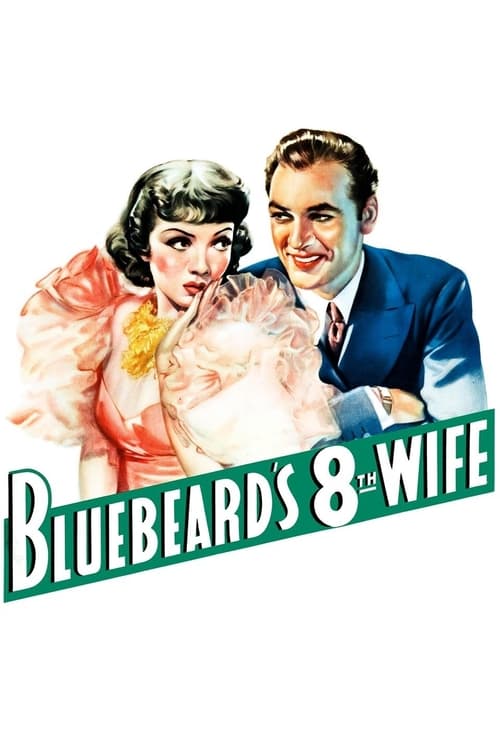
Bluebeard's Eighth Wife
Comedy · 1938
American multi-millionaire Michael Brandon marries his eighth wife, Nicole, the daughter of a broke French Marquis. But she doesn't want to be only a number in the line of his ex-wives and undertakes her own strategy to tame him.
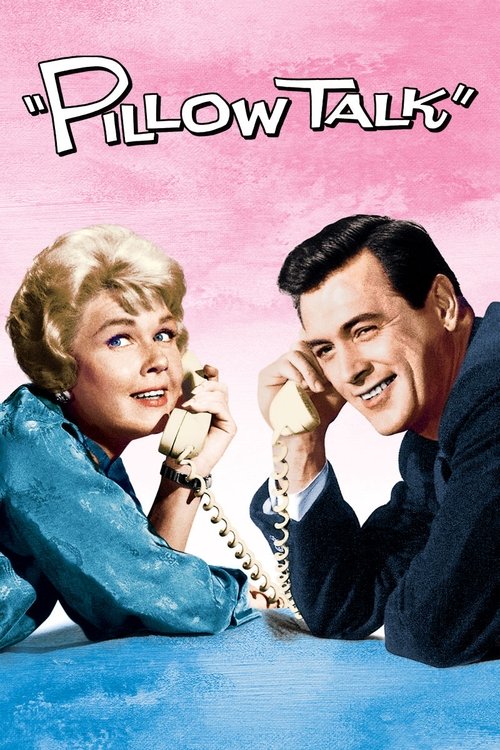
Pillow Talk
Comedy · 1959
Playboy songwriter Brad Allen's succession of romances annoys his neighbor, interior designer Jan Morrow, who shares a telephone party line with him and hears all his breezy routines. After Jan unsuccessfully lodges a complaint against him, Brad sets about to seduce her in the guise of a sincere and upstanding Texas rancher. When mutual friend Jonathan discovers that his best friend is moving in on the girl he desires, however, sparks fly.

What a Way to Go!
Comedy · 1964
A four-time widow discusses her four marriages, in which all of her husbands became incredibly rich and died prematurely because of their drive to be rich.

I Love You Again
Comedy · 1940
Boring businessman Larry Wilson recovers from amnesia and discovers he's really a con man...and loves his soon-to-be-ex wife.
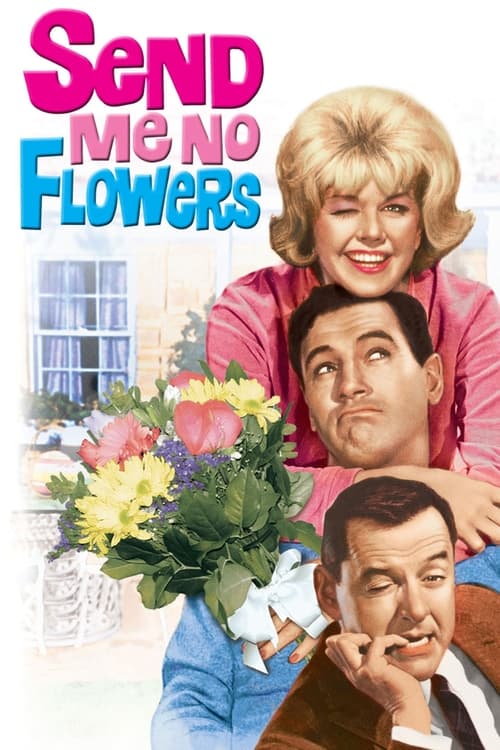
Send Me No Flowers
Comedy · 1964
When a hypochondriac assumes that he is dying, he makes an elaborate plan to ensure his wife's happiness. However, trouble ensues when she misunderstands his intentions.
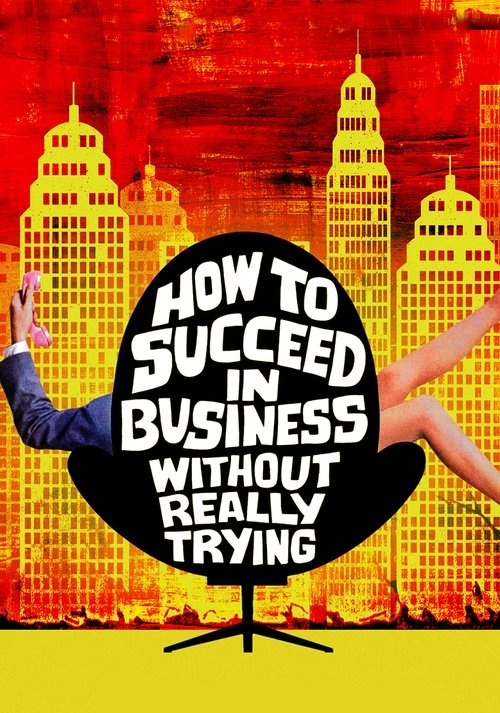
How to Succeed in Business Without Really Trying
Comedy · 1967
A young but bright former window cleaner rises to the top of his company by following the advice of a book about ruthless advancement in business.

That Touch of Mink
Comedy · 1962
Cathy Timberlake is en route to a job interview when a car transporting businessman Philip Shayne covers her in mud. He sends his assistant, Roger, to apologize, but upon meeting Cathy, Roger knows that she would be a suitable match for his boss. Despite their mutual attraction, Cathy and Philip want different things. Philip wants a fling, while Cathy wants a marriage. As they travel to exotic locales, their differing motivations are put to the test.

The Other End of the Line
Comedy · 2007
An employee at an Indian call-center travels to San Francisco to be with a guy she falls for over the phone.

Sex and the Single Girl
Comedy · 1964
A womanizing reporter for a sleazy tabloid magazine impersonates his hen-pecked neighbor in order to get an expose on renowned psychologist Helen Gurley Brown.
Cinema release signals and current streaming, rental, and purchase options for your region.
Streaming availability data supplied by JustWatch.
Cast & crew
Directed by
Delbert Mann
Written by
Stanley Shapiro · Paul Henning

Rock Hudson
Jerry Webster

Doris Day
Carol Templeton

Tony Randall
Peter 'Pete' Ramsey

Edie Adams
Rebel Davis
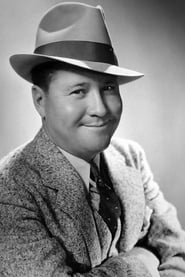
Jack Oakie
J. Paxton Miller

Jack Kruschen
Doctor Linus Tyler

Ann B. Davis
Millie, Carol's Secretary
Two incompatible taste archetypes. One film. Read the arguments, then issue a completely binding cultural ruling.
“Sincerity is not manipulation.”
The film risks embarrassment to make emotion communal, and that openness is harder than fashionable detachment.
“The strings are showing.”
Every cue tells you exactly what to feel and when, leaving sentiment to do the work character should have done.