The defence The Prestige Tourist
“Sincerity is not manipulation.”
The film risks embarrassment to make emotion communal, and that openness is harder than fashionable detachment.


The River
Drama · 1984
Tom and Mae Garvey are a Tennessee farming couple battling violent floods to save their land. In addition to natural disasters, the Garveys fight to stop a selfish land developer and a local corporation from foreclosing on their farm. While Mae stays at home to care for their children and tend to the crops, Tom finds work as a scab at a steel mill to preserve his family's property.
“He might be able to hold back the river. But could he hold back the greed of man?”
Critical arithmetic
Scores change. Arguments endure.
TMDB
6.4 / 10
Community rating
Tom and Mae Garvey are a Tennessee farming couple battling violent floods to save their land. In addition to natural disasters, the Garveys fight to stop a selfish land developer and a local corporation from foreclosing on their farm. While Mae stays at home to care for their children and tend to the crops, Tom finds work as a scab at a steel mill to preserve his family's property.
Not a recommendation score. A measure of how closely the film’s taste signals resemble yours.
The archetype split
The Prestige Tourist
“You like your greatness pre-approved.”
Read their caseThe Adrenaline Seeker
“If it slows down, you check your phone.”
Read their objectionThe split comes from the same five-axis model used by the test, not audience ratings or review sentiment.
TMDB supplies the candidates. CriticWise reorders them by craft, strangeness, prestige, emotion, and pace.
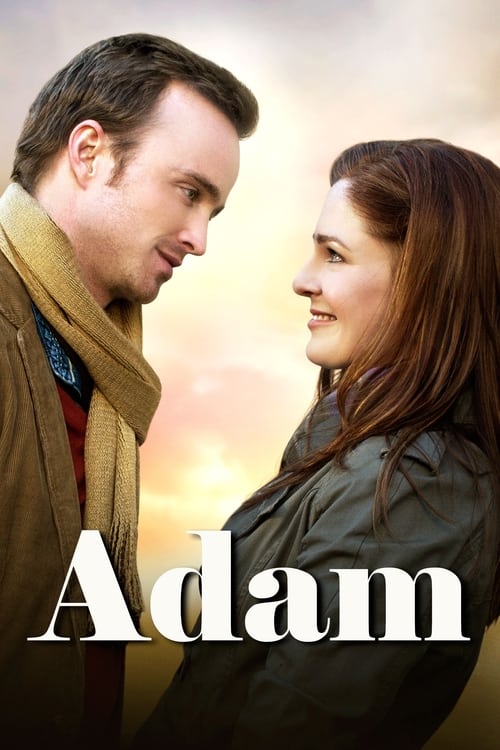
Adam
Drama · 2020
A hard-living salesman becomes a quadriplegic after an accident.

Flash of Genius
Drama · 2008
In this David vs. Goliath drama based on a true story, college professor Robert Kearns goes up against the giants of the auto industry when they fail to give him credit for inventing intermittent windshield wipers. Kearns doggedly pursues recognition for his invention, as well as the much-deserved financial rewards for the sake of his wife and six kids.
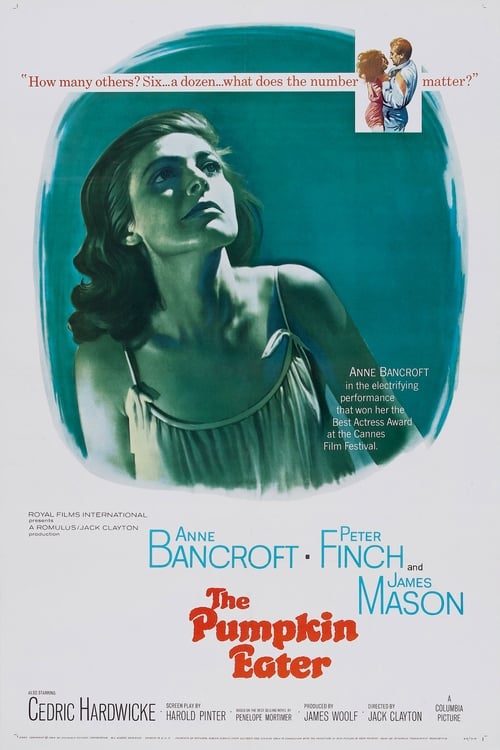
The Pumpkin Eater
Drama · 1964
Jo, the mother of seven children, divorces her second husband in order to marry Jake, a successful but promiscuous screenwriter. Though they are physically and emotionally compatible, they are slowly torn apart.

TalhotBlond
Drama · 2012
Thomas Montgomery, a married father of two young daughters, gets seduced by the world of online gambling and chat rooms where a virtual romance and sexual obsession ultimately leads to the murder of an innocent man.
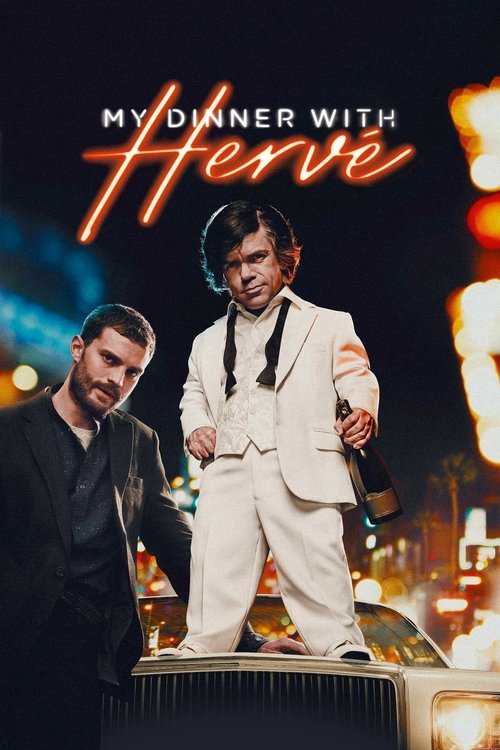
My Dinner with Hervé
Drama · 2018
An unlikely friendship evolves over one wild night in LA between a struggling journalist and actor Hervé Villechaize, the world's most famous gun-toting dwarf, resulting in life-changing consequences for both.

All Together Now
Drama · 2020
An optimistic, talented teen clings to a huge secret: she's homeless and living on a school bus. When tragedy strikes, can she learn to accept a helping hand?

Call Me Crazy: A Five Film
Drama · 2013
A psychotherapist helps a law student cope with schizophrenia in one of five interconnected tales dealing with mental illness.
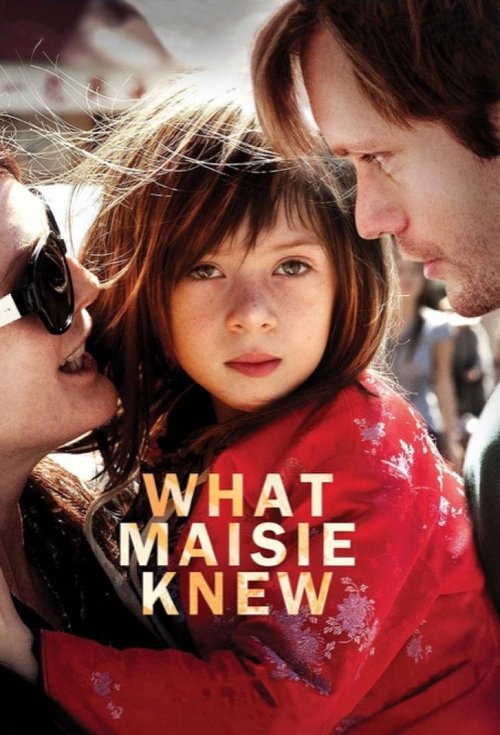
What Maisie Knew
Drama · 2013
In New York City, a young girl is caught in the middle of her parents' bitter custody battle.

Bobby Jones: Stroke of Genius
Drama · 2004
The story of golf icon and legend, Bobby Jones, who retired from competition at the tender age of 28.

Come Sunday
Drama · 2018
Evangelist Carlton Pearson is ostracized by his church for preaching that there is no Hell.
Cinema release signals and current streaming, rental, and purchase options for your region.
Streaming availability data supplied by JustWatch.
Cast & crew
Directed by
Mark Rydell
Written by
Robert Dillon · Julian Barry

Mel Gibson
Tom Garvey

Sissy Spacek
Mae Garvey
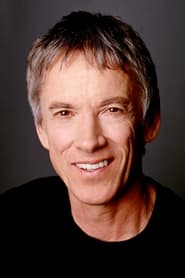
Scott Glenn
Joe Wade

Billy Green Bush
Harve Stanley
Shane Bailey
Lewis Garvey
Becky Jo Lynch
Beth Garvey
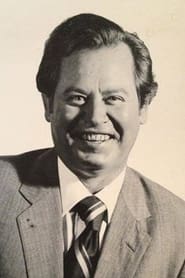
Don Hood
Senator Neiswinder
Two incompatible taste archetypes. One film. Read the arguments, then issue a completely binding cultural ruling.
“Sincerity is not manipulation.”
The film risks embarrassment to make emotion communal, and that openness is harder than fashionable detachment.
“The strings are showing.”
Every cue tells you exactly what to feel and when, leaving sentiment to do the work character should have done.