The defence The Arthouse Gremlin
“Its refusal to behave is the point.”
The strange choices create the kind of friction that follows you out of the theatre and into the argument.
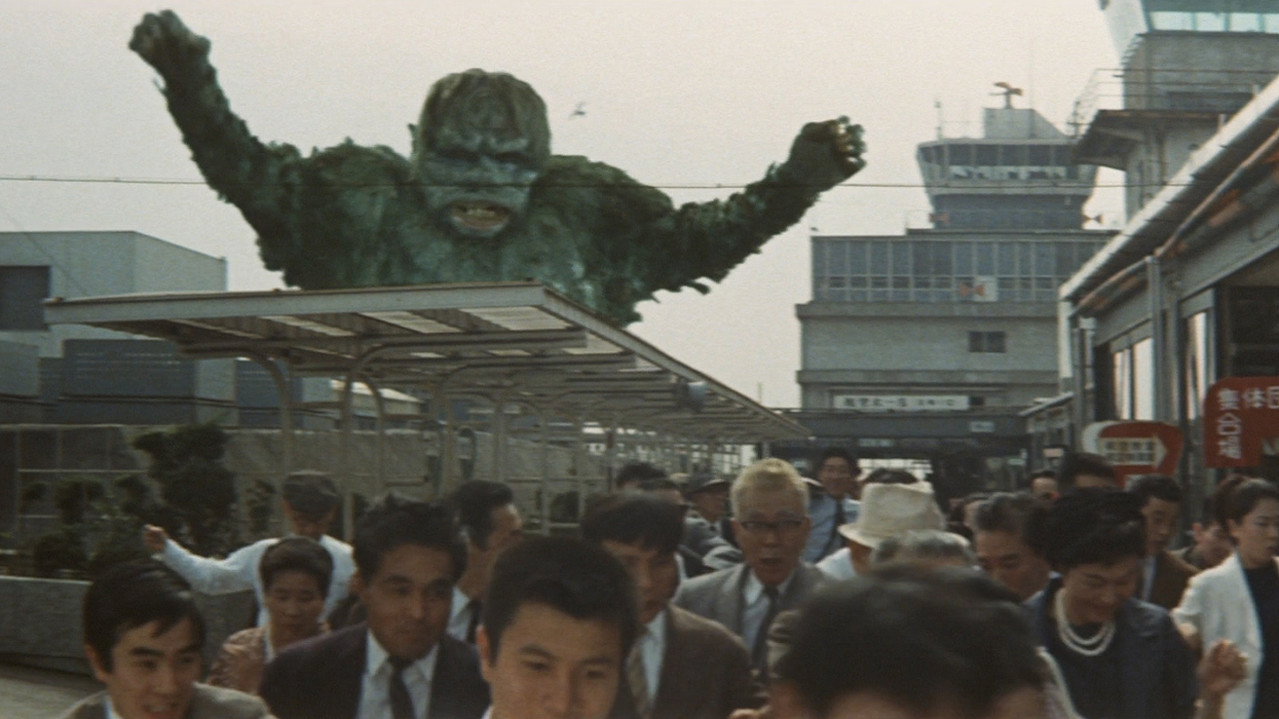
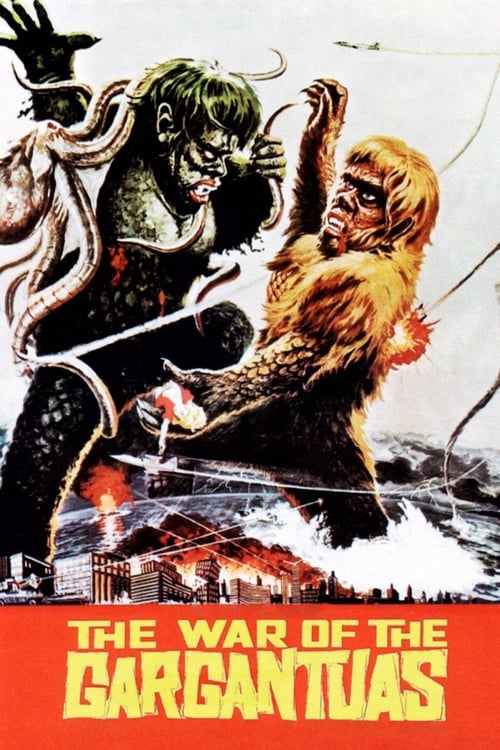
The War of the Gargantuas
Action · Horror · Science Fiction · 1966
Gaira, a humanoid sea beast spawned from the discarded cells of Frankenstein's monster, attacks the shores of Tokyo. While the Japanese military prepares to take action, Gaira's Gargantua brother, Sanda, descends from the mountains to defend his kin. A battle between good and evil ensues, leaving brothers divided and a city in ruins.
“A crisis, striking from the mountains and the sea! Greater Tokyo is the battlefield of death!”
Critical arithmetic
Scores change. Arguments endure.
IMDb
6.2 / 10
3.7K votes
TMDB
6.3 / 10
Community rating
External scores via OMDb · CC BY-NC 4.0. Values normalized for display; availability varies by title.
Gaira, a humanoid sea beast spawned from the discarded cells of Frankenstein's monster, attacks the shores of Tokyo. While the Japanese military prepares to take action, Gaira's Gargantua brother, Sanda, descends from the mountains to defend his kin. A battle between good and evil ensues, leaving brothers divided and a city in ruins.
Not a recommendation score. A measure of how closely the film’s taste signals resemble yours.
The archetype split
The Arthouse Gremlin
“The stranger, the better.”
Read their caseThe Prestige Tourist
“You like your greatness pre-approved.”
Read their objectionThe split comes from the same five-axis model used by the test, not audience ratings or review sentiment.
TMDB supplies the candidates. CriticWise reorders them by craft, strangeness, prestige, emotion, and pace.
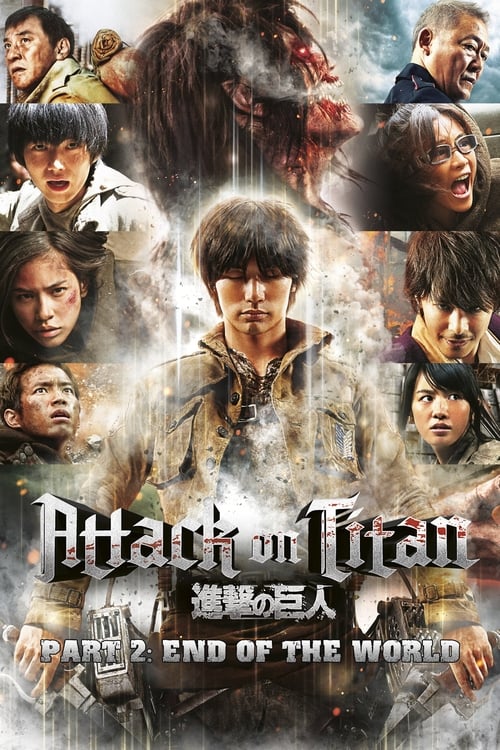
Attack on Titan II: End of the World
Horror · 2015
Eren Yeager leaves to restore a break in the wall destroyed by a Titan. He comes under attack by the Titans and is cornered. Shikishima comes to his aid. The titans never stops attacking. Eren is now injured and tries to protect Armin, but is swallowed by a titan. A Titan with black hair appears and begins to expel the other titans.
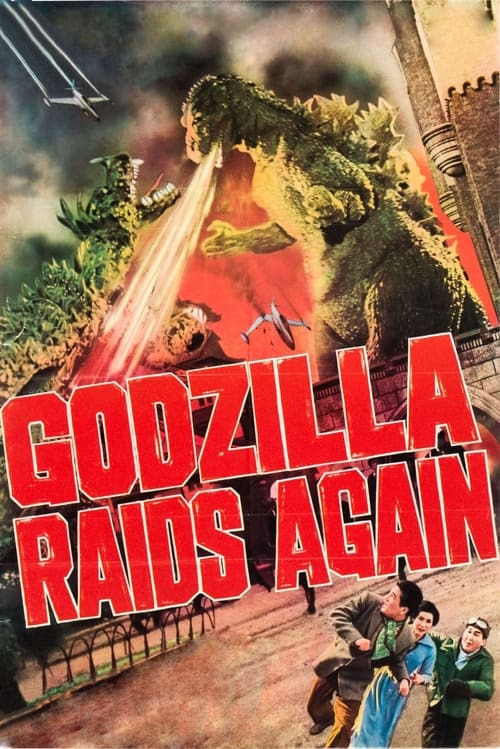
Godzilla Raids Again
Sci-fi · 1955
Two fishing scout pilots make a horrifying discovery when they encounter a second Godzilla alongside a new monster named Anguirus. Without the weapon that killed the original, authorities attempt to lure Godzilla away from the mainland. But Anguirus soon arrives and the two monsters make their way towards Osaka as Japan braces for tragedy.
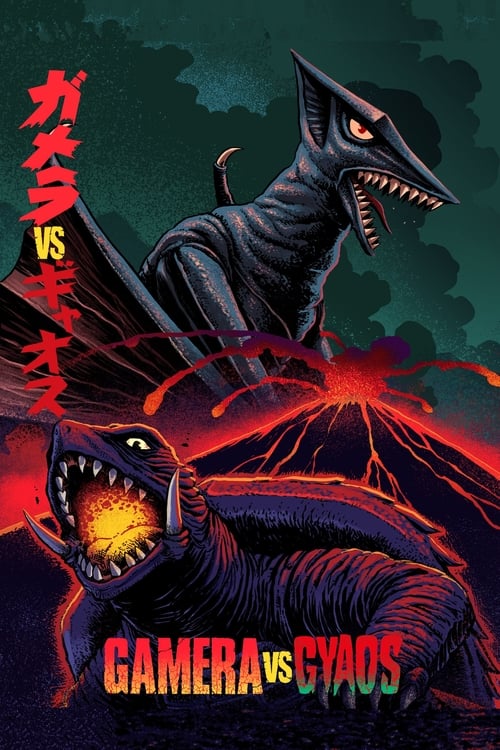
Gamera vs. Gyaos
Action · 1967
Unusual volcanic activity in Japan awakens Gyaos, a bloodthirsty flying monster with the power to slice things in half with an ultrasonic ray. While scientists and the military scramble to devise a way to stop this new threat, a young boy forms an alliance with Gamera; a monster no one else seems to trust.
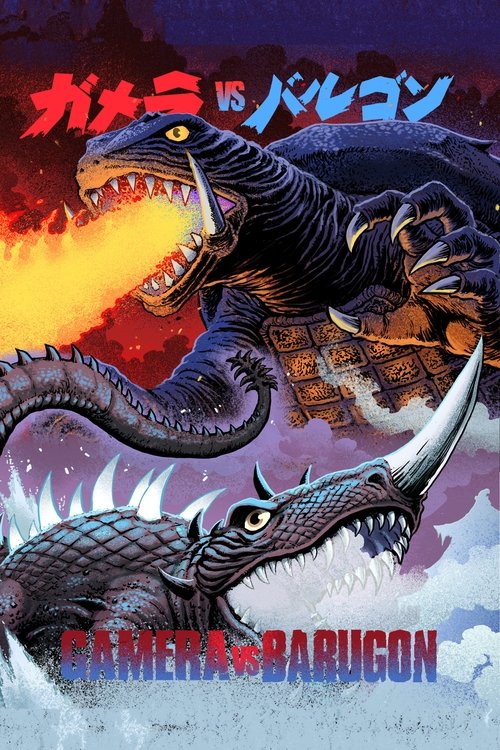
Gamera vs. Barugon
Fantasy · 1966
Gamera escapes from his rocket enclosure and makes his way back to Earth as a giant opal from New Guinea is brought back to Japan. The opal is discovered to have been an egg that births a new monster called Barugon. The creature attacks the city of Osaka by emitting a destructive rainbow ray from his back, along with a freezing spray capable of incapacitating Gamera.
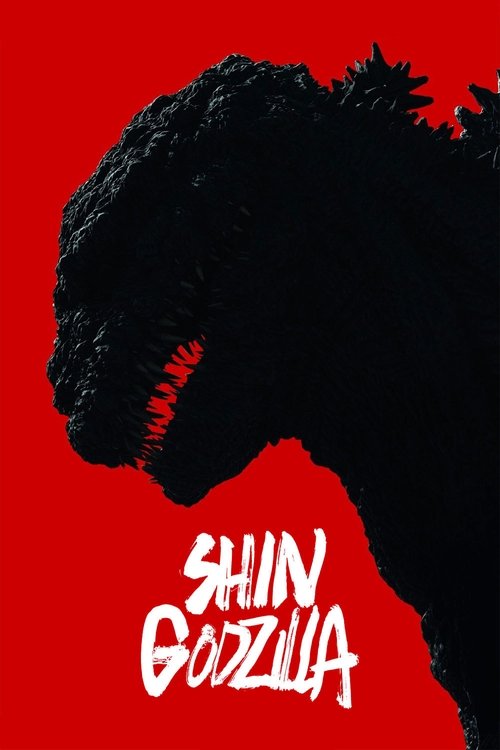
Shin Godzilla
Action · 2016
When a massive, gilled monster emerges from the deep and tears through the city, the government scrambles to save its citizens. A rag-tag team of volunteers cuts through a web of red tape to uncover the monster's weakness and its mysterious ties to a foreign superpower. But time is not on their side - the greatest catastrophe to ever befall the world is about to evolve right before their very eyes.
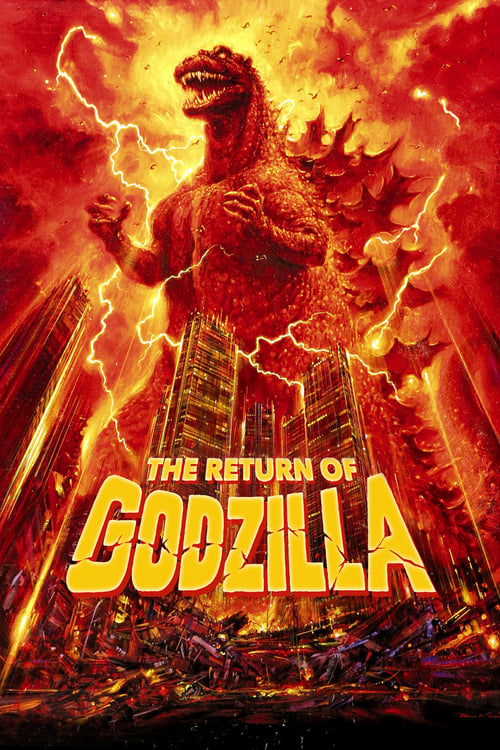
The Return of Godzilla
Sci-fi · 1984
After a fishing boat is attacked, the sole surviving crew member realizes it is none other than a resurrected Godzilla. However, efforts to bring the story to light are suppressed by the Japanese government amid growing political tensions between the United States and the Soviet Union, who are both willing to bomb Japan to stop the monster.
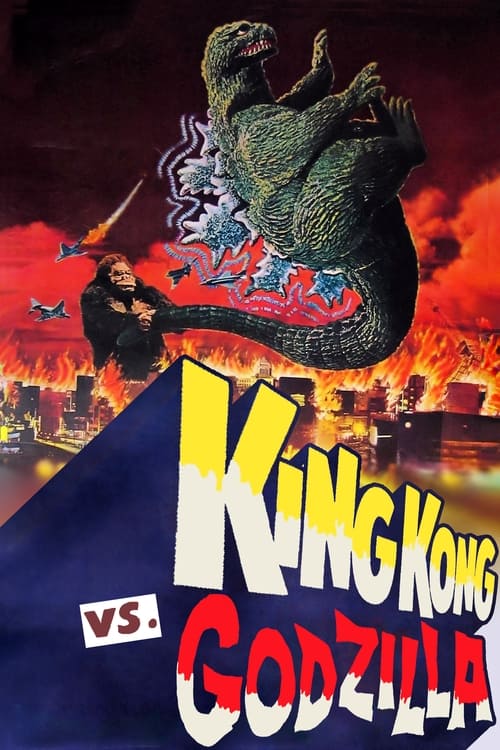
King Kong vs. Godzilla
Sci-fi · 1962
The advertising director of Pacific Pharmaceuticals, frustrated with the low ratings of their sponsored TV program, seeks a more sensationalist approach. He orders his staff to Faro Island to capture King Kong for exploitation. As Godzilla re-emerges, a media frenzy generates with Pacific looking to capitalize off of the ultimate battle.
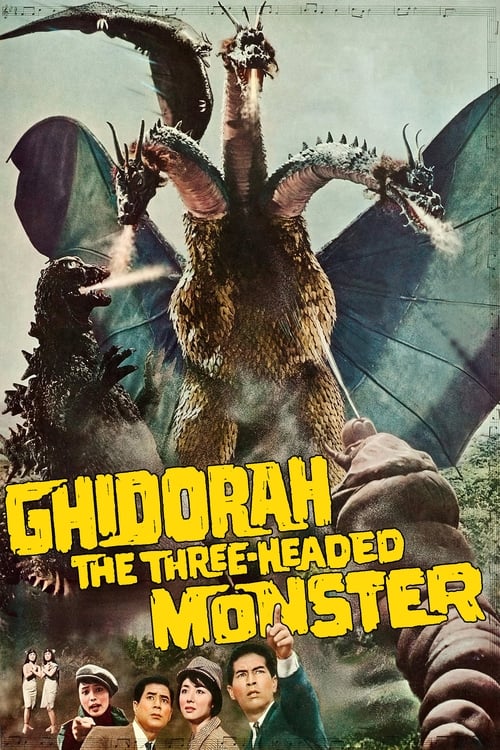
Ghidorah, the Three-Headed Monster
Sci-fi · 1964
After a meteorite unleashes a three-headed beast upon Tokyo, Mothra tries to unite with Godzilla and Rodan to battle the extraterrestrial threat.

Invasion of Astro-Monster
Sci-fi · 1965
Astronauts Glenn and Fuji investigate Planet X and encounter mysterious aliens known as the Xiliens, who ask Earth's people to help save their world from "Monster Zero". In exchange for borrowing Godzilla and Rodan, the Xiliens offer a cure for cancer. As Glenn investigates, he develops a romance with Miss Namikawa and uncovers the Xilien's true intentions.
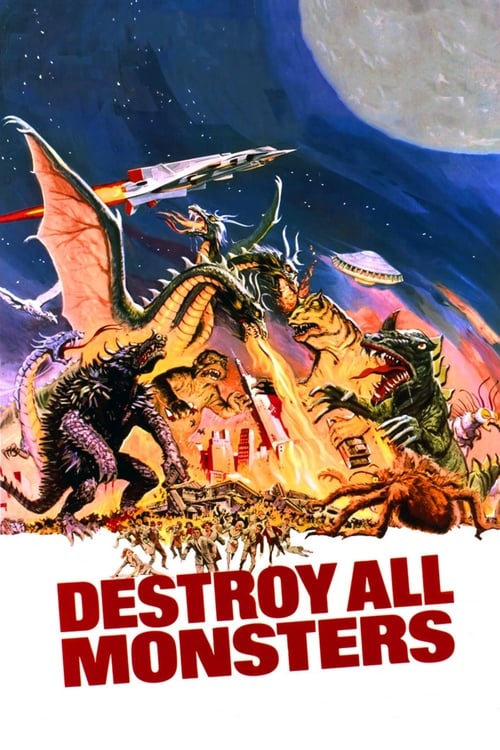
Destroy All Monsters
Sci-fi · 1968
At the turn of the century, all of the Earth's monsters have been rounded up and kept safely on Monsterland. Chaos erupts when a race of she-aliens known as the Kilaaks unleash the monsters across the world.
Cinema release signals and current streaming, rental, and purchase options for your region.
Streaming availability data supplied by JustWatch.
Cast & crew
Directed by
Ishirō Honda
Written by
Reuben Bercovitch · Takeshi Kimura · Ishirō Honda

Kenji Sahara
Dr. Yuzo Mamiya

Kumi Mizuno
Akemi Togawa

Russ Tamblyn
Dr. Paul Stewart
Jun Tazaki
General Hashimoto

Kipp Hamilton
Singer

Yoshibumi Tajima
Officer Hirai

Nobuo Nakamura
Professor Kita
Two incompatible taste archetypes. One film. Read the arguments, then issue a completely binding cultural ruling.
“Its refusal to behave is the point.”
The strange choices create the kind of friction that follows you out of the theatre and into the argument.
“Oddness is not depth.”
A film can break every rule and still leave nothing behind but the memory of how hard it tried to be singular.