The defence The Sentimental Softie
“Sincerity is not manipulation.”
The film risks embarrassment to make emotion communal, and that openness is harder than fashionable detachment.

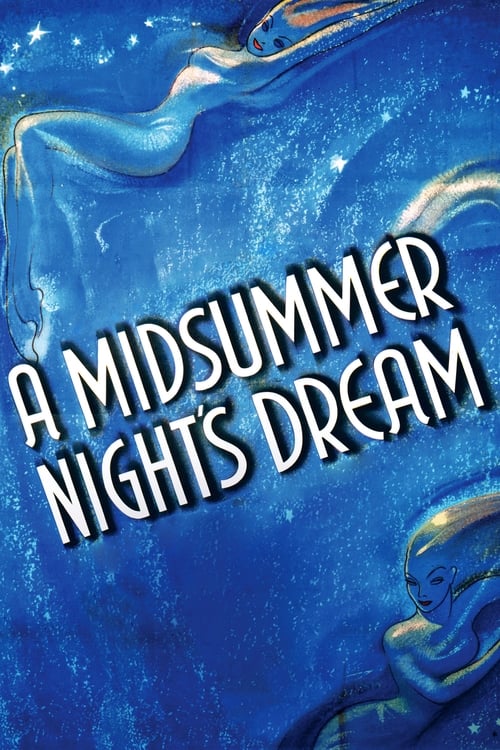
A Midsummer Night's Dream
Fantasy · Romance · Comedy · 1935
Mistaken identity, unrequited love, and the supernatural are combined in Shakespeare's classic set in the woods of Greece on a moonlit night.
“Three Centuries In The Making! An immortal literary classic becomes a triumph of the ages!”
Critical arithmetic
Scores change. Arguments endure.
IMDb
6.8 / 10
4K votes
Rotten Tomatoes
92 %
Tomatometer
TMDB
6.4 / 10
Community rating
External scores via OMDb · CC BY-NC 4.0. Values normalized for display; availability varies by title.
Mistaken identity, unrequited love, and the supernatural are combined in Shakespeare's classic set in the woods of Greece on a moonlit night.
Not a recommendation score. A measure of how closely the film’s taste signals resemble yours.
The archetype split
The Sentimental Softie
“You came to feel something, and you will.”
Read their caseThe Cool Ironist
“Feeling things is a little embarrassing.”
Read their objectionThe split comes from the same five-axis model used by the test, not audience ratings or review sentiment.
TMDB supplies the candidates. CriticWise reorders them by craft, strangeness, prestige, emotion, and pace.
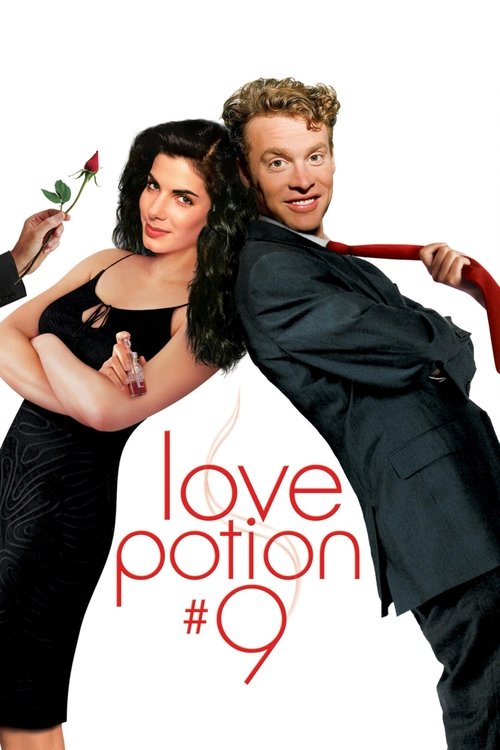
Love Potion No. 9
Comedy · 1992
Unlucky in love, chemist Paul Matthews visits gypsy Madame Rosa for help. Quickly realizing he is a hopeless nerd, she gifts him with Love Potion No. 8, which makes anyone who wears it irresistible to the opposite sex for four hours. Paul and animal psychologist coworker Diane Farrow decide to test it on themselves. The awkward pair suddenly find themselves alluring to anyone they approach, but soon realize they are most attracted to each other.
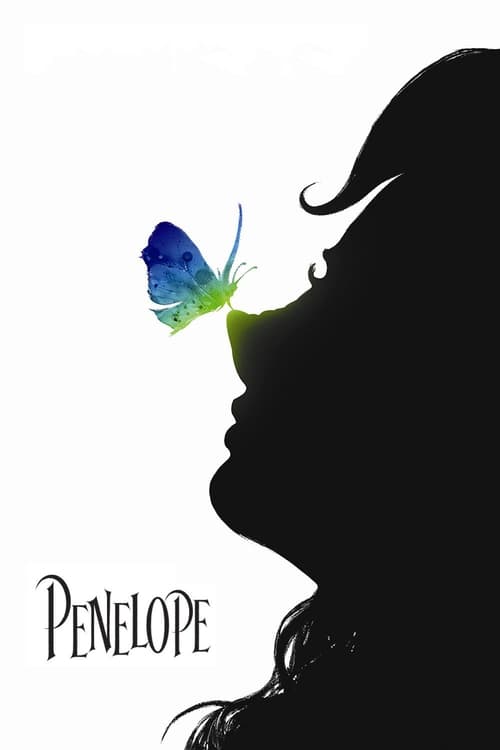
Penelope
Fantasy · 2006
Forlorn heiress Penelope Wilhern is cursed, and the only way out is to fall in love with someone of suitable stock. But how can she find her soulmate when she's sequestered inside her family's estate with only her parents to keep her company? This untraditional fairy tale is about a girl who bucks convention to create her own happy ending.

I Do, I Do, I Do
Romance · 2015
An architect heads to the altar with her fiancé, unsure of her marriage and their future. She relives her disastrous wedding day, put together by her fiance’s overbearing mother, over and over until, with the help of his brother, she begins to face her biggest fears and discover what she really wants in herself and in her life.
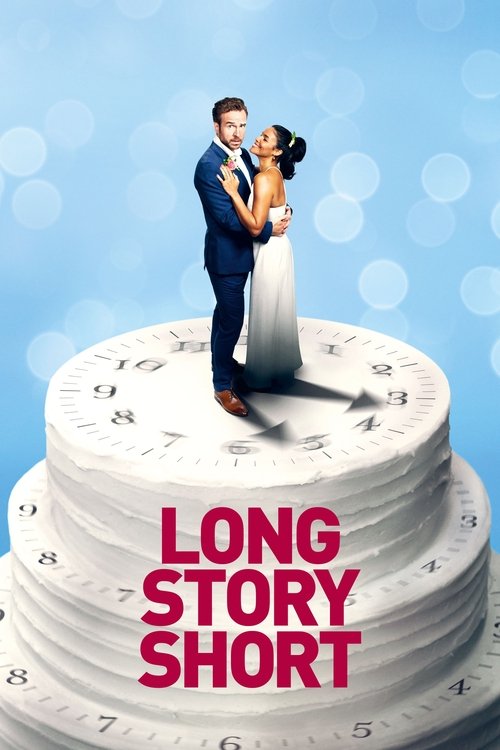
Long Story Short
Romance · 2021
Teddy wakes up the morning after his wedding to discover that he's jumped forward a year in his life to his first anniversary. Trapped in an endless cycle of time jumps, transported another year ahead every few minutes, he is faced with a race against time as his life crumbles around him.
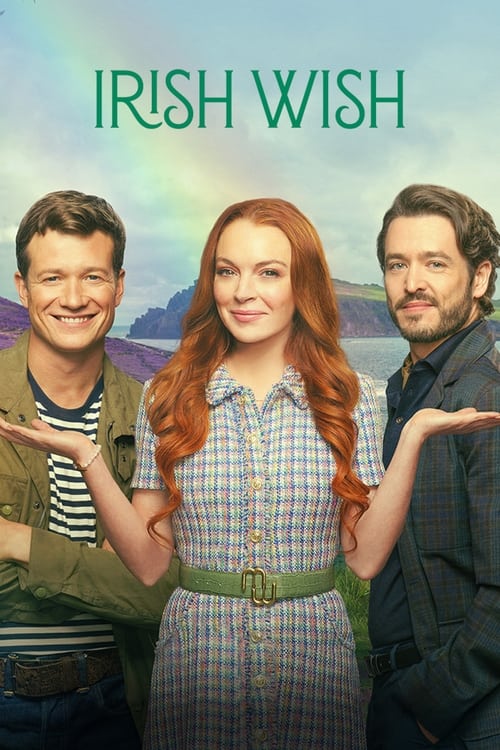
Irish Wish
Romance · 2024
Maddie's dream guy is days away from marrying her best friend when a wish for true love made on an ancient stone in Ireland magically alters her fate.
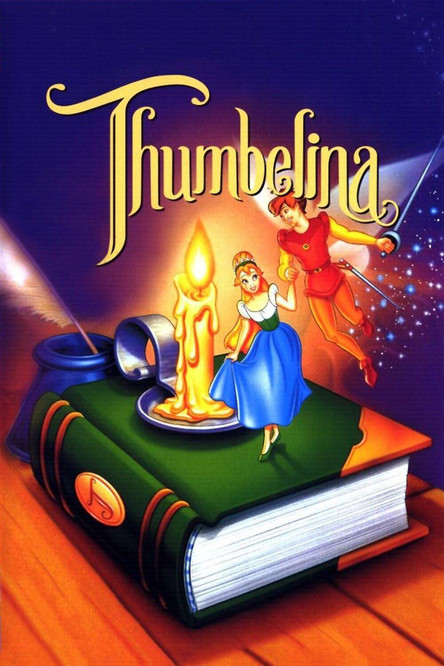
Thumbelina
Animation · 1994
Born of a flower and growing to only a couple of inches tall, poor Thumbelina is worried she'll never meet someone her own size, until she happens to catch the eye of Prince Cornelius of the Fairies. Just as soon as she finds love, however, it's torn away when she's kidnapped by Ms. Toad. Now Thumbelina has to escape Ms. Toad's grasp and search for Prince Cornelius. Luckily, there's a whole city of animals willing to help.
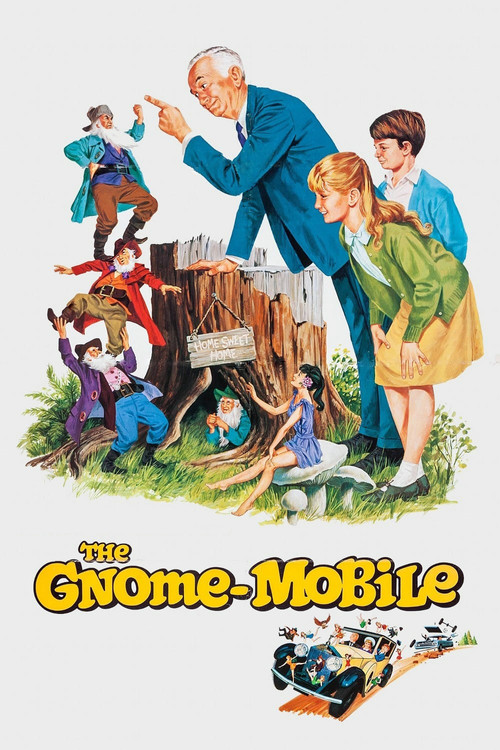
The Gnome-Mobile
Fantasy · 1967
An eccentric millionaire and his grandchildren are embroiled in the plights of some forest gnomes who are searching for the rest of their tribe. While helping them, the millionaire is suspected of being crazy because he's seeing gnomes! He's committed, and the niece and nephew and the gnomes have to find him and free him.
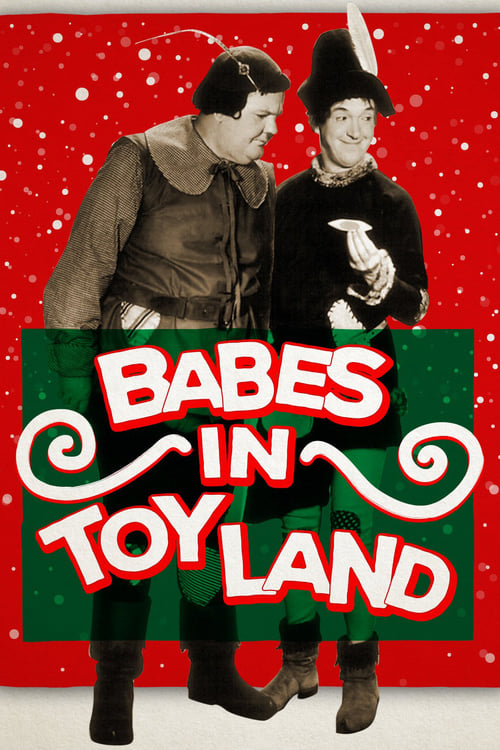
Babes in Toyland
Fantasy · 1934
Ollie Dee and Stannie Dum try to borrow money from their employer, the toymaker, to pay off the mortgage on Mother Peep's shoe and keep it and Little Bo Peep from the clutches of the evil Barnaby. When that fails, they trick Barnaby, enraging him.
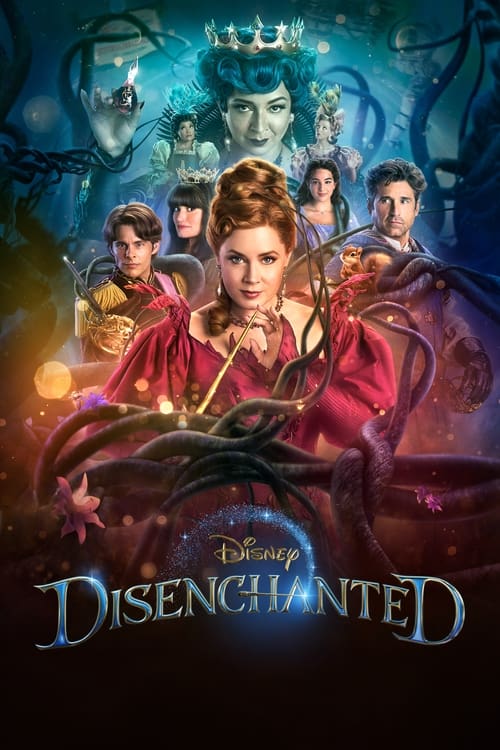
Disenchanted
Comedy · 2022
Disillusioned with life in the city, feeling out of place in suburbia, and frustrated that her happily ever after hasn’t been so easy to find, Giselle turns to the magic of Andalasia for help. Accidentally transforming the entire town into a real-life fairy tale and placing her family’s future happiness in jeopardy, she must race against time to reverse the spell and determine what happily ever after truly means to her and her family.
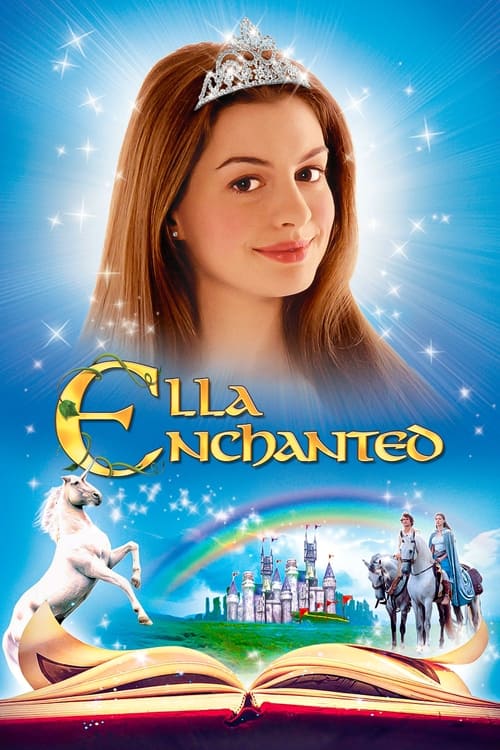
Ella Enchanted
Family · 2004
Ella lives in a magical world in which each child, at the moment of their birth, is given a virtuous "gift" from a fairy godmother. Ella's so-called gift, however, is obedience. This birthright proves itself to be quite the curse once Ella finds herself in the hands of several unscrupulous characters whom she quite literally cannot disobey. Determined to gain control of her life and decisions, Ella sets off on a journey to find her fairy godmother who she hopes will lift the curse. The path, however, isn't easy -- Ella must outwit a slew of unpleasant obstacles including ogres, giants, wicked stepsisters, elves and Prince Charmont's evil uncle, who wants to take over the crown and rule the kingdom.
Cinema release signals and current streaming, rental, and purchase options for your region.
Streaming availability data supplied by JustWatch.
Cast & crew
Directed by
William Dieterle · Max Reinhardt
Written by
Mary C. McCall, Jr. · Charles Kenyon
Ian Hunter
Theseus

Verree Teasdale
Hippolyta

Hobart Cavanaugh
Philostrate

Dick Powell
Lysander

Ross Alexander
Demetrius

Olivia de Havilland
Hermia

Jean Muir
Helena
Two incompatible taste archetypes. One film. Read the arguments, then issue a completely binding cultural ruling.
“Sincerity is not manipulation.”
The film risks embarrassment to make emotion communal, and that openness is harder than fashionable detachment.
“The strings are showing.”
Every cue tells you exactly what to feel and when, leaving sentiment to do the work character should have done.