The defence The Sentimental Softie
“Sincerity is not manipulation.”
The film risks embarrassment to make emotion communal, and that openness is harder than fashionable detachment.


In Good Company
Comedy · Drama · Romance · 2004
Dan Foreman is a seasoned advertisement sales executive at a high-ranking publication when a corporate takeover results in him being placed under naive supervisor Carter Duryea, who is half his age. Matters are made worse when Dan's new supervisor becomes romantically involved with his daughter an 18 year-old college student Alex.
“He's rich, young and handsome. He's in love with you and he's your dad's boss.”
Critical arithmetic
Scores change. Arguments endure.
TMDB
6.1 / 10
Community rating
Dan Foreman is a seasoned advertisement sales executive at a high-ranking publication when a corporate takeover results in him being placed under naive supervisor Carter Duryea, who is half his age. Matters are made worse when Dan's new supervisor becomes romantically involved with his daughter an 18 year-old college student Alex.
Not a recommendation score. A measure of how closely the film’s taste signals resemble yours.
The archetype split
The Sentimental Softie
“You came to feel something, and you will.”
Read their caseThe Cool Ironist
“Feeling things is a little embarrassing.”
Read their objectionThe split comes from the same five-axis model used by the test, not audience ratings or review sentiment.
TMDB supplies the candidates. CriticWise reorders them by craft, strangeness, prestige, emotion, and pace.

Laggies
Comedy · 2014
Overeducated and underemployed, 28 year old Megan is in the throes of a quarterlife crisis. Squarely into adulthood with no career prospects, no particular motivation to think about her future and no one to relate to, Megan is comfortable lagging a few steps behind - while her friends check off milestones and celebrate their new grown-up status. When her high-school sweetheart proposes, Megan panics and- given an unexpected opportunity to escape for a week - hides out in the home of her new friend, 16-year old Annika and Annika's world-weary single dad Craig.

Queen Bees
Romance · 2021
Helen is an independent widow who moves into the Pine Grove Senior Community and discovers it’s just like high school – full of cliques and flirtatious suitors. What she initially avoids leads her to exactly what she has been missing: new friendships and a chance at love again with newcomer Dan.

Chéri
Drama · 2009
The son of a courtesan retreats into a fantasy world after being forced to end his relationship with the older woman who educated him in the ways of love.
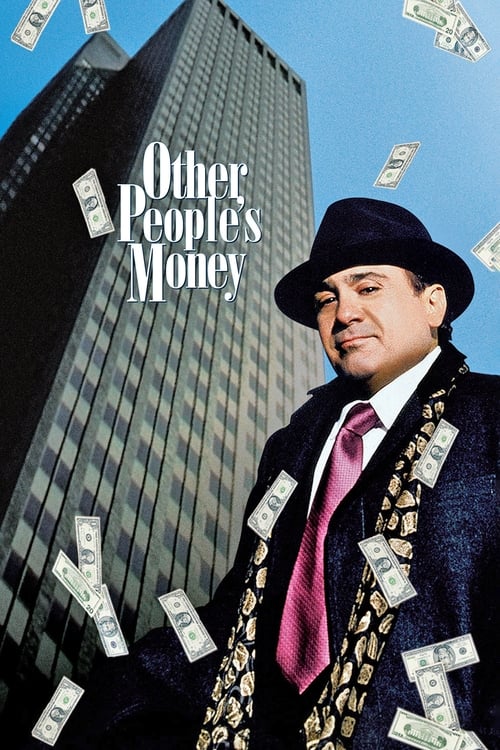
Other People's Money
Comedy · 1991
When a corporate raider threatens a hostile takeover of a 'mom and pop' company, the patriarch of the company enlists the help of his wife's attractive daughter—who is a lawyer—to stop the takeover. However, the raider soon becomes infatuated with her, and enjoys the legal manoeuvring as he tries to win her heart.

Jersey Girl
Comedy · 2004
Ollie Trinke is a young, suave music publicist who seems to have it all, with a new wife and a baby on the way. But life deals him a bum hand when he's suddenly faced with single fatherhood, a defunct career and having to move in with his father. To bounce back, it takes a new love and the courage instilled in him by his daughter.

You Will Meet a Tall Dark Stranger
Comedy · 2010
Two married couples find only trouble and heartache as their complicated lives unfold. After 40 years of marriage, Alfie leaves his wife to pursue what he thinks is happiness with a call girl. His wife, Helena, reeling from abandonment, decides to follow the advice of a psychic. Sally, the daughter of Alfie and Helena, is unhappy in her marriage and develops a crush on her boss, while her husband, Roy, falls for a woman engaged to be married.

Anything Else
Drama · 2003
Jerry Falk, an aspiring writer in New York, falls in love at first sight with a free-spirited young woman named Amanda. He has heard the phrase that life is like "anything else," but soon he finds that life with the unpredictable Amanda isn't like anything else at all.

Catch and Release
Comedy · 2006
For a grieving fiancée, learning to love again requires the help of her late love's three best friends.

The Private Lives of Pippa Lee
Comedy · 2009
After her much older husband forces a move to a suburban retirement community, Pippa Lee engages in a period of reflection and finds herself heading toward a quiet nervous breakdown.

Peace, Love & Misunderstanding
Comedy · 2011
A conservative lawyer named Diane takes her two teenage children Jake and Zoe to meet their estranged, hippie grandmother in Woodstock after her husband asks for a divorce.
Cinema release signals and current streaming, rental, and purchase options for your region.
Streaming availability data supplied by JustWatch.
Cast & crew
Directed by
Paul Weitz
Written by
Paul Weitz

Dennis Quaid
Dan

Topher Grace
Carter

Scarlett Johansson
Alex

Marg Helgenberger
Ann

David Paymer
Morty

Clark Gregg
Steckle

Philip Baker Hall
Eugene Kalb
Two incompatible taste archetypes. One film. Read the arguments, then issue a completely binding cultural ruling.
“Sincerity is not manipulation.”
The film risks embarrassment to make emotion communal, and that openness is harder than fashionable detachment.
“The strings are showing.”
Every cue tells you exactly what to feel and when, leaving sentiment to do the work character should have done.