The defence The Sentimental Softie
“Sincerity is not manipulation.”
The film risks embarrassment to make emotion communal, and that openness is harder than fashionable detachment.


Return to Peyton Place
Drama · Romance · 1961
Residents of the small town of Peyton Place aren't pleased when they realize they're the characters in local writer Allison MacKenzie's controversial first novel. A sequel to the hit 1957 film.
Critical arithmetic
Scores change. Arguments endure.
IMDb
5.9 / 10
991 votes
TMDB
6.6 / 10
Community rating
External scores via OMDb · CC BY-NC 4.0. Values normalized for display; availability varies by title.
Residents of the small town of Peyton Place aren't pleased when they realize they're the characters in local writer Allison MacKenzie's controversial first novel. A sequel to the hit 1957 film.
Not a recommendation score. A measure of how closely the film’s taste signals resemble yours.
The archetype split
The Sentimental Softie
“You came to feel something, and you will.”
Read their caseThe Cool Ironist
“Feeling things is a little embarrassing.”
Read their objectionThe split comes from the same five-axis model used by the test, not audience ratings or review sentiment.
TMDB supplies the candidates. CriticWise reorders them by craft, strangeness, prestige, emotion, and pace.
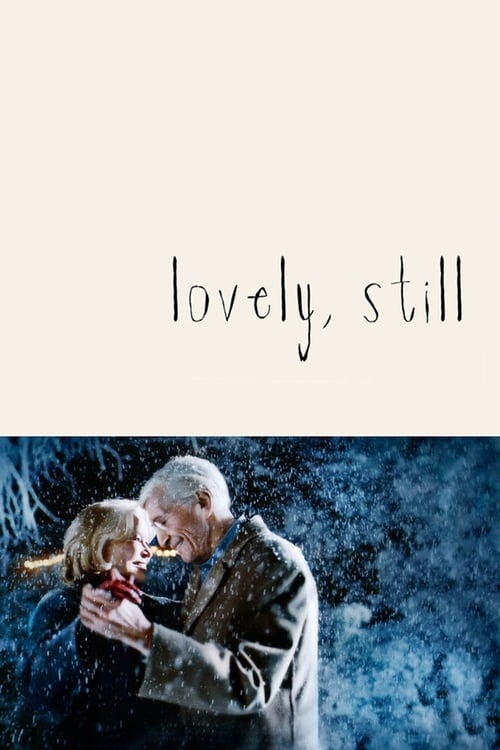
Lovely, Still
Drama · 2009
A holiday fable that tells the story of an elderly man discovering love for the first time.

A Ring of Endless Light
Romance · 2002
When 15-year-old Vicky Austin, her sister Suzy and little brother Rob visit their grandfather on Seven Bay Island, Vicky faces several unexpected challenges. Her beloved grandfather, retired Reverend Eaton, seems to be seriously ill, but tries to pretend that nothing is wrong. Vicky met the rich but emotionally troubled Zachary Gray the previous summer, and he reappears to renew the acquaintance. Another boy, 17-year-old Adam Eddington, recruits Vicky to help him with a research project, working with a dolphin called Basil. Vicky discovers she can communicate telepathically with the dolphin and his mate - and possibly with Adam as well

Désirée
Drama · 1954
In Marseilles, France in 1794, Desiree Clary, a young millinery clerk, becomes infatuated with Napoleon Bonaparte, but winds up wedding General Jean-Baptiste Berandotte, an aid to Napoleon who later joins the forces that bring about the Emperor's downfall. Josephine Beauharnais, a worldly courtesan marries Napoleon and becomes Empress of France, but is then cast aside by her spouse when she proves unable to produce an heir to the throne.
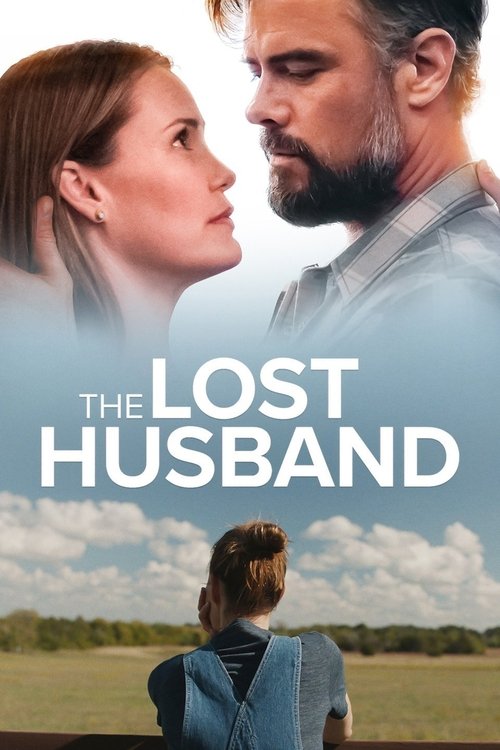
The Lost Husband
Drama · 2020
Trying to put her life back together after the death of her husband, Libby and her children move to her estranged Aunt's goat farm in central Texas.

Small Town Christmas
Drama · 2018
Author Nell Phillips’ first book has become a surprise best-seller of the Christmas season. Nell’s last stop on a nationwide book tour takes her to the town of Springdale, the hometown of Emmett Turner, a young man she met over five years ago while both were junior copy editors at a New York publishing company. Nell was hurt when Emmett stood her up for a dinner date and then disappeared from New York without any explanation. As Nell is quick to admit, Emmett’s colorful, nostalgic anecdotes about Springdale inspired her to write this book that is shaping her life and especially this holiday season.
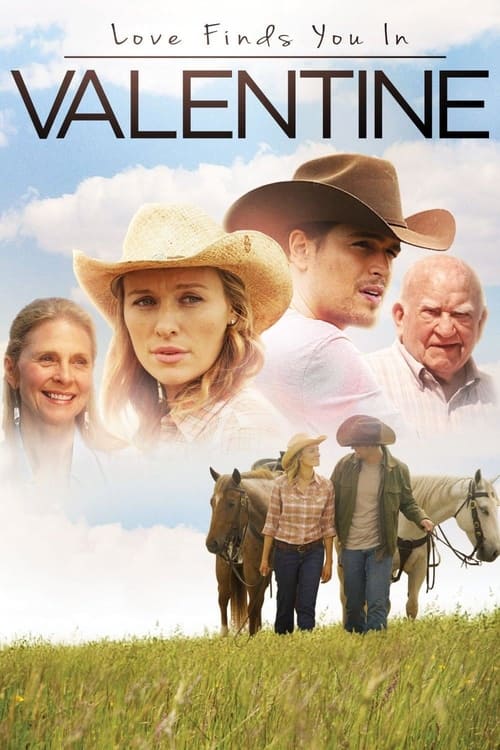
Love Finds You in Valentine
Drama · 2016
Kennedy Blaine, a Californian girl, inherits a ranch in the small town of Valentine in Nebraska. Before she sells the property, she decides to spend the summer in her house and learn more about her family.

Racing with the Moon
Drama · 1984
In a small coastal California town, Henry and Nicky are pals from blue collar families with only a short time before they ship off to World War II. Henry begins romancing new-to-town Caddie Winger, believing her to be wealthy. Mischievous and irresponsible, Nicky gets into trouble which forces the other two to become involved, testing their relationship, as well as the friendship between the boys.
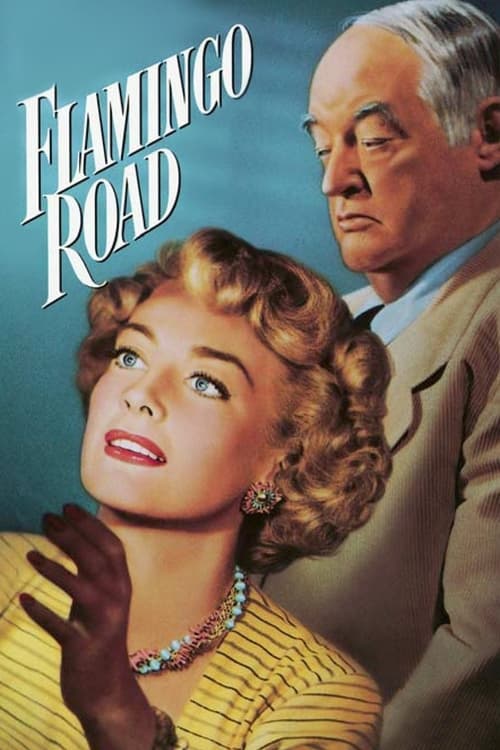
Flamingo Road
Drama · 1949
A stranded carnival dancer takes on a corrupt political boss when she marries into small-town society.

A Very Country Christmas
Drama · 2017
Jeanette Williams is a busy single parent, trying to make the best life for her and her daughter. With no time to follow current celebrity gossip, Jeanette is unaware of when a Country superstar returns to their small town to escape the intrusive paparazzi and the chaos of fame. A chance meeting between the two have them both letting their guards down and opening their hearts to the possibility of romance.
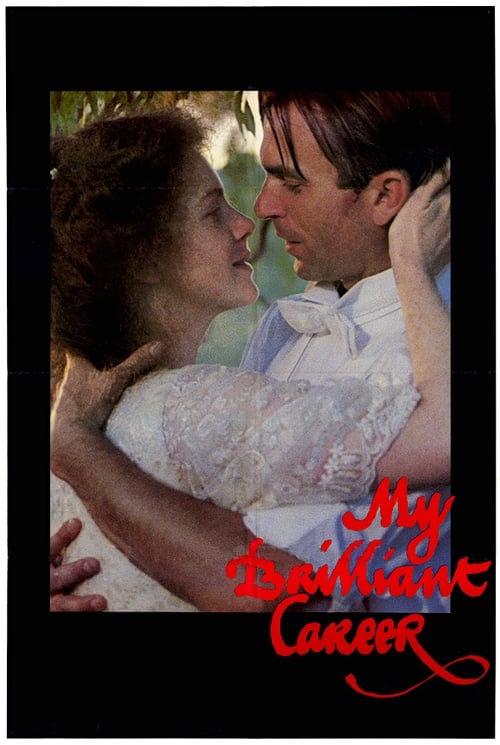
My Brilliant Career
Drama · 1979
A young woman who is determined to maintain her independence finds herself at odds with her family who wants her to tame her wild side and get married.
Cinema release signals and current streaming, rental, and purchase options for your region.
Streaming availability data supplied by JustWatch.
Cast & crew
Directed by
José Ferrer
Written by
Ronald Alexander

Carol Lynley
Allison MacKenzie

Jeff Chandler
Lewis Jackman

Eleanor Parker
Connie Rossi

Mary Astor
Roberta Carter

Robert Sterling
Mike Rossi

Luciana Paluzzi
Raffaella Carter

Brett Halsey
Ted Carter
Two incompatible taste archetypes. One film. Read the arguments, then issue a completely binding cultural ruling.
“Sincerity is not manipulation.”
The film risks embarrassment to make emotion communal, and that openness is harder than fashionable detachment.
“The strings are showing.”
Every cue tells you exactly what to feel and when, leaving sentiment to do the work character should have done.