The defence The Prestige Tourist
“Sincerity is not manipulation.”
The film risks embarrassment to make emotion communal, and that openness is harder than fashionable detachment.

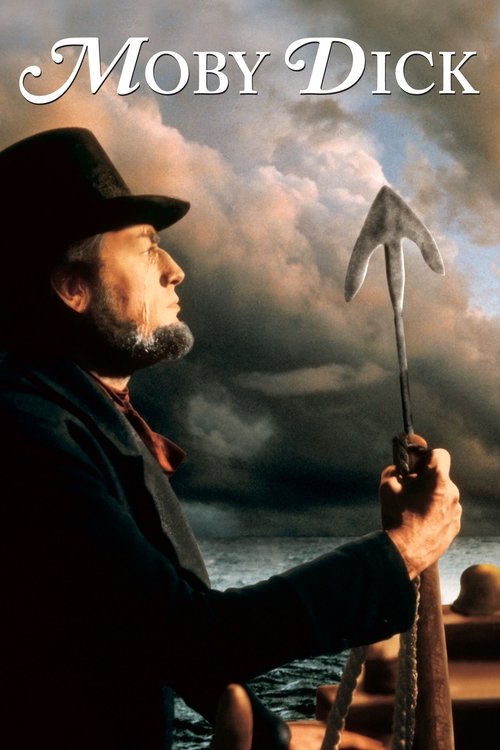
Moby Dick
Adventure · Drama · 1956
In 1841, young Ishmael signs up for service aboard the Pequod, a whaler sailing out of New Bedford. The ship is under the command of Captain Ahab, a strict disciplinarian who exhorts his men to find Moby Dick, the great white whale. Ahab lost his leg to that creature and is desperate for revenge. As the crew soon learns, he will stop at nothing to gain satisfaction.
“The man – The whale – The vengeance – The mightiest adventure ever seen!”
Critical arithmetic
Scores change. Arguments endure.
TMDB
7.1 / 10
Community rating
In 1841, young Ishmael signs up for service aboard the Pequod, a whaler sailing out of New Bedford. The ship is under the command of Captain Ahab, a strict disciplinarian who exhorts his men to find Moby Dick, the great white whale. Ahab lost his leg to that creature and is desperate for revenge. As the crew soon learns, he will stop at nothing to gain satisfaction.
Not a recommendation score. A measure of how closely the film’s taste signals resemble yours.
The archetype split
The Prestige Tourist
“You like your greatness pre-approved.”
Read their caseThe Popcorn Loyalist
“Big screen, big feelings, no apologies.”
Read their objectionThe split comes from the same five-axis model used by the test, not audience ratings or review sentiment.
TMDB supplies the candidates. CriticWise reorders them by craft, strangeness, prestige, emotion, and pace.
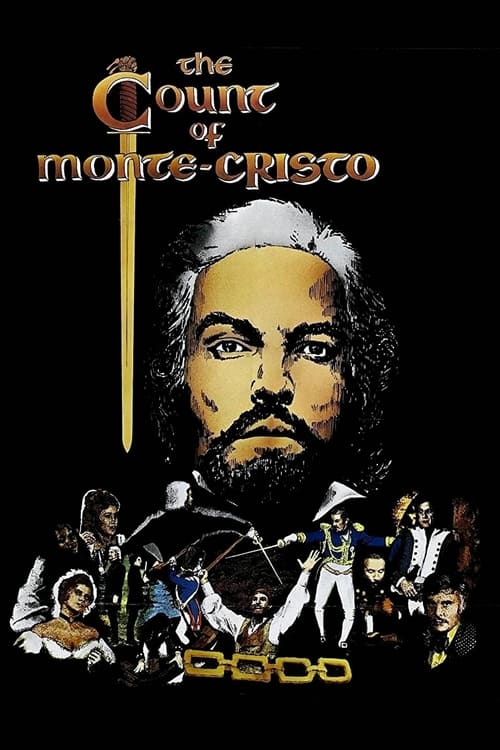
The Count of Monte-Cristo
Adventure · 1975
Young sailor Edmond Dantès is wrongfully imprisoned, escapes, finds treasure, and reinvents himself as the wealthy Count of Monte Cristo to exact revenge on those who betrayed him.
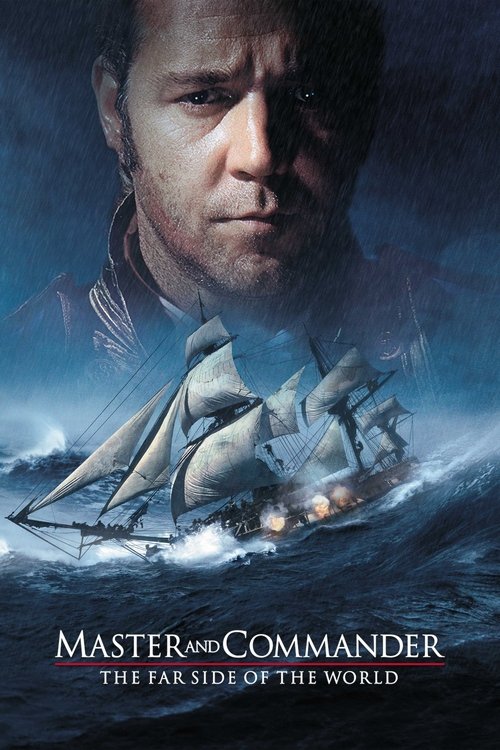
Master and Commander: The Far Side of the World
Adventure · 2003
After an abrupt and violent encounter with a French warship inflicts severe damage upon his ship, a captain of the British Royal Navy begins a chase over two oceans to capture or destroy the enemy, though he must weigh his commitment to duty and ferocious pursuit of glory against the safety of his devoted crew, including the ship's thoughtful surgeon, his best friend.

Wake of the Red Witch
Adventure · 1948
Captain Ralls fights Dutch shipping magnate Mayrant Sidneye for the woman he loves, Angelique Desaix, and for a fortune in gold aboard the Red Witch.
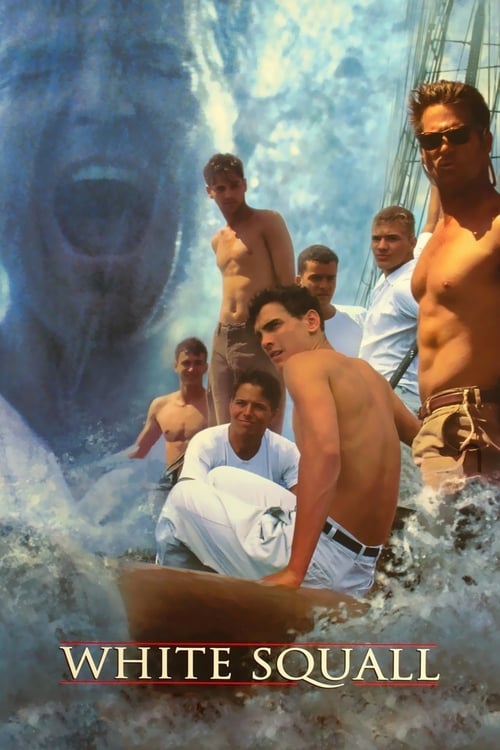
White Squall
Drama · 1996
In 1960, a hardy group of prep school students boards an old-fashioned sailing ship. With Capt. Christopher Sheldon at the helm, the oceangoing voyage is intended to teach the boys fortitude and discipline. But the youthful crew are about to get some unexpected instruction in survival when they get caught in the clutches of a white squall storm.
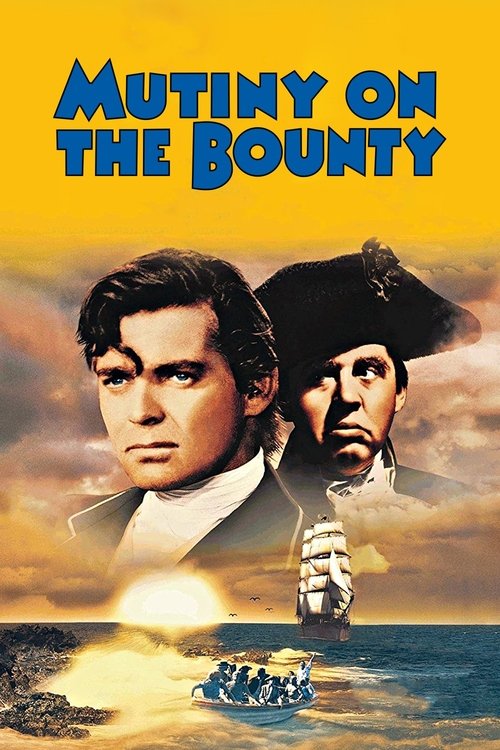
Mutiny on the Bounty
Adventure · 1935
Fletcher Christian successfully leads a revolt against the ruthless Captain Bligh on the HMS Bounty. However, Bligh returns one year later, hell bent on revenge.
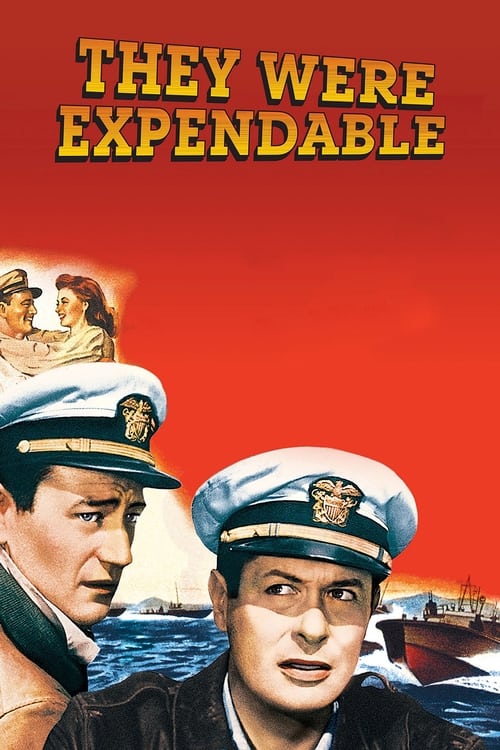
They Were Expendable
Drama · 1945
After a demonstration of new PT boats, Navy brass are still unconvinced of their viability in combat, leaving Lt. "Rusty" Ryan frustrated. After the attack on Pearl Harbor, however, Ryan and his buddy Lt. Brickley are told they can finally take their squadron into battle. The PT boats quickly prove their worth, successfully shooting down Japanese planes, relaying messages between islands, and picking off a multitude of enemy ships.

Deepwater Horizon
Drama · 2016
A story set on the offshore drilling rig Deepwater Horizon, which exploded during April 2010 and created the worst oil spill in U.S. history.

Gray Lady Down
Thriller · 1978
The USS Neptune, a nuclear submarine, is sunk off the coast of Connecticut after a collision with a Norwegian cargo ship. The navy must attempt a potentially dangerous rescue in the hope of saving the lives of the crew.

The Vikings
Adventure · 1958
Einar, brutal son of the viking Ragnar and future heir to his throne, tangles with clever slave Eric, for the hand of a beautiful English maiden.

Star Trek IV: The Voyage Home
Sci-fi · 1986
When a huge alien probe enters the galaxy and begins to vaporize Earth's oceans, Kirk and his crew must travel back in time in order to bring back whales and save the planet.
Cinema release signals and current streaming, rental, and purchase options for your region.
Streaming availability data supplied by JustWatch.
Cast & crew
Directed by
John Huston
Written by
Ray Bradbury · John Huston

Gregory Peck
Captain Ahab
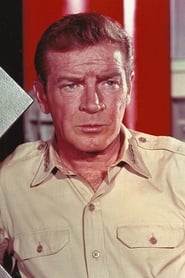
Richard Basehart
Ishmael

Leo Genn
Starbuck

James Robertson Justice
Capt. Boomer

Harry Andrews
Stubb

Bernard Miles
The Manxman

Noel Purcell
Ship's Carpenter
Two incompatible taste archetypes. One film. Read the arguments, then issue a completely binding cultural ruling.
“Sincerity is not manipulation.”
The film risks embarrassment to make emotion communal, and that openness is harder than fashionable detachment.
“The strings are showing.”
Every cue tells you exactly what to feel and when, leaving sentiment to do the work character should have done.