The defence The Sentimental Softie
“Sincerity is not manipulation.”
The film risks embarrassment to make emotion communal, and that openness is harder than fashionable detachment.
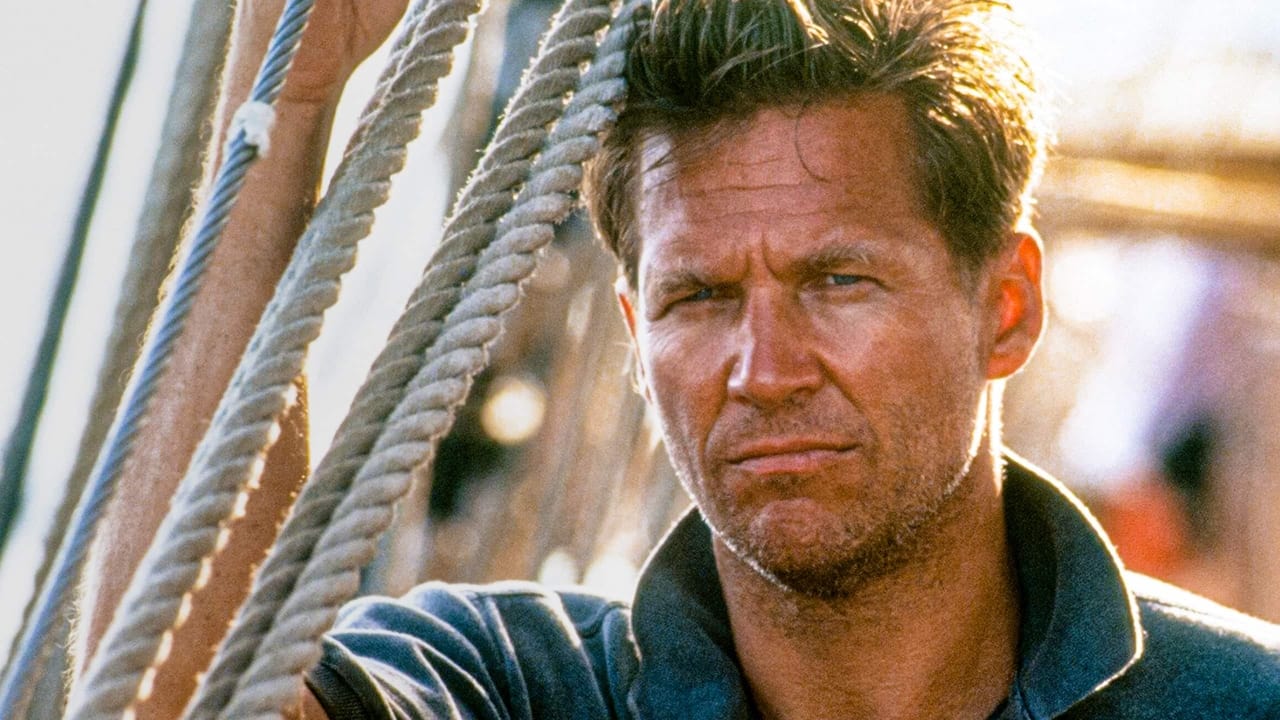
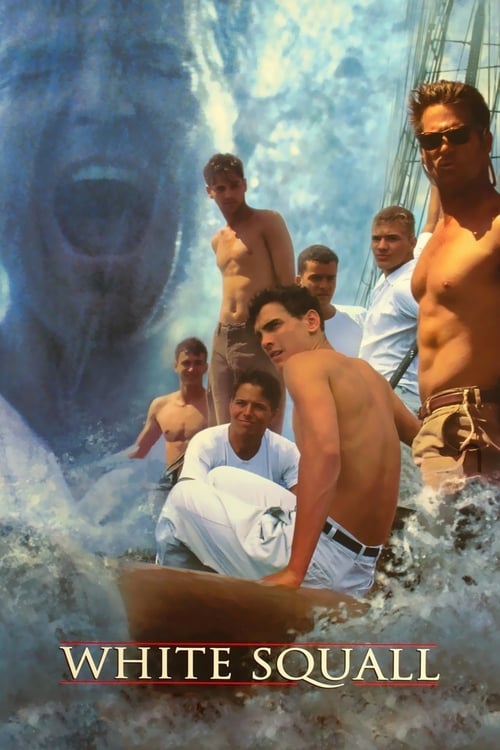
White Squall
Drama · Adventure · 1996
In 1960, a hardy group of prep school students boards an old-fashioned sailing ship. With Capt. Christopher Sheldon at the helm, the oceangoing voyage is intended to teach the boys fortitude and discipline. But the youthful crew are about to get some unexpected instruction in survival when they get caught in the clutches of a white squall storm.
“The strongest will in nature is the will to survive.”
Critical arithmetic
Scores change. Arguments endure.
TMDB
6.3 / 10
Community rating
In 1960, a hardy group of prep school students boards an old-fashioned sailing ship. With Capt. Christopher Sheldon at the helm, the oceangoing voyage is intended to teach the boys fortitude and discipline. But the youthful crew are about to get some unexpected instruction in survival when they get caught in the clutches of a white squall storm.
Not a recommendation score. A measure of how closely the film’s taste signals resemble yours.
The archetype split
The Sentimental Softie
“You came to feel something, and you will.”
Read their caseThe Cool Ironist
“Feeling things is a little embarrassing.”
Read their objectionThe split comes from the same five-axis model used by the test, not audience ratings or review sentiment.
TMDB supplies the candidates. CriticWise reorders them by craft, strangeness, prestige, emotion, and pace.
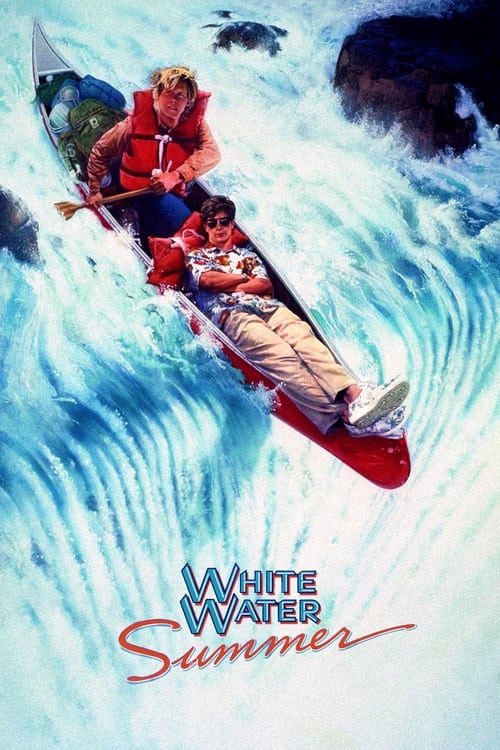
White Water Summer
Adventure · 1987
When the experienced guide Vic accompanies the city boy Alan and his three friends on their first wilderness experience, he not only hopes to teach the four boys lessons about the wilderness, but about themselves. Vic pushes them to the limit. Soon after alienating the boys, Vic finds himself in desperate need of help and must rely on his students in order to survive.
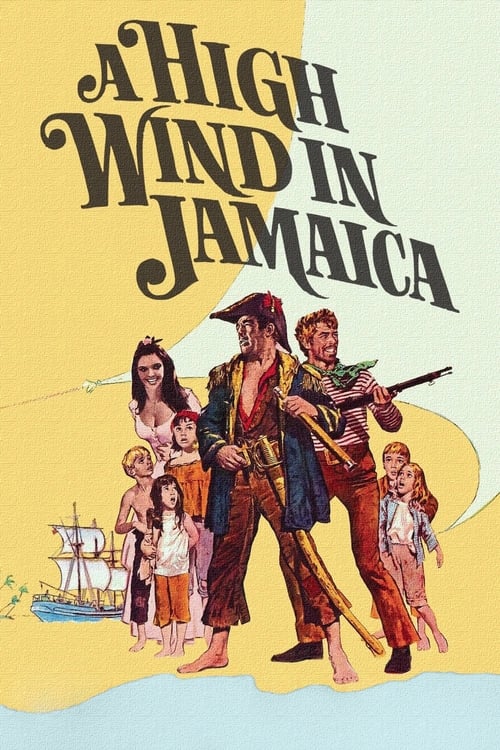
A High Wind in Jamaica
Adventure · 1965
In 1870, a Jamaican colonial family sends its children to Britain for proper schooling, but their ship is taken over by pirates, who become fond of the kids.
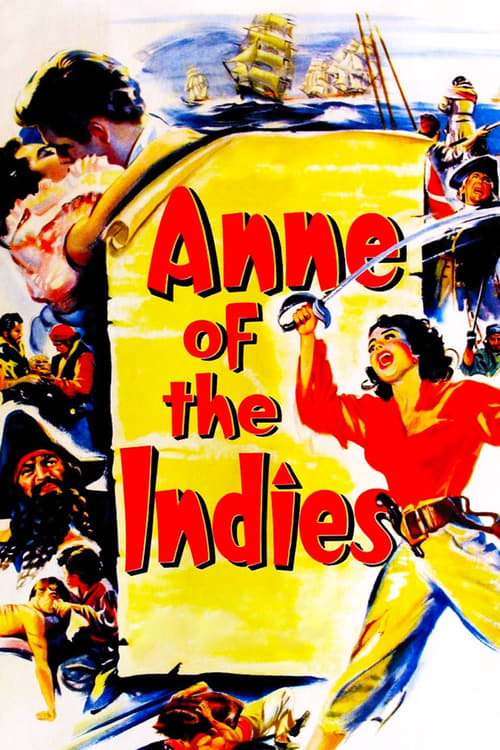
Anne of the Indies
Adventure · 1951
After buccaneer captain Anne Providence spares Pierre LaRochelle and recruits him into her pirate crew, their growing attraction is tested when Captain Blackbeard reveals LaRochelle's true identity as a former French navy officer.
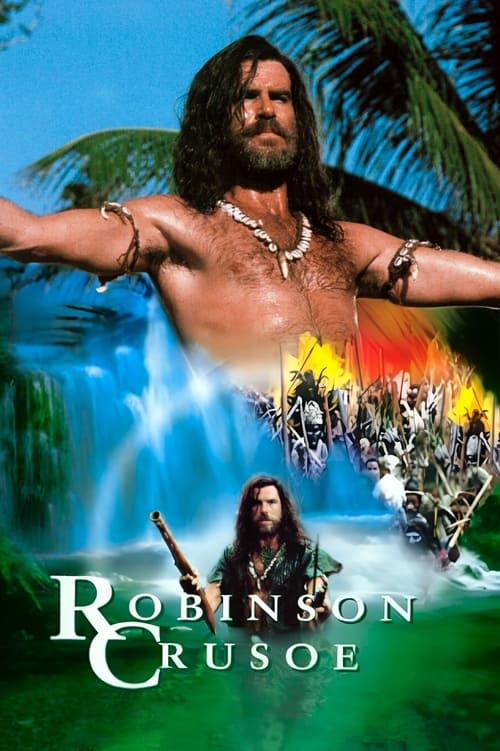
Robinson Crusoe
Adventure · 1997
Robinson Crusoe flees Britain on a ship after killing his friend over the love of Mary. A fierce ocean storm wrecks his ship and leaves him stranded by himself on an uncharted island. Left to fend for himself, Crusoe seeks out a tentative survival on the island, until he meets Friday, a tribesman whom he saves from being sacrificed. Initially, Crusoe is thrilled to finally have a friend, but he has to defend himself against the tribe who uses the island to sacrifice tribesman to their gods. During time their relationship changes from master-slave to a mutual respected friendship despite their difference in culture and religion.
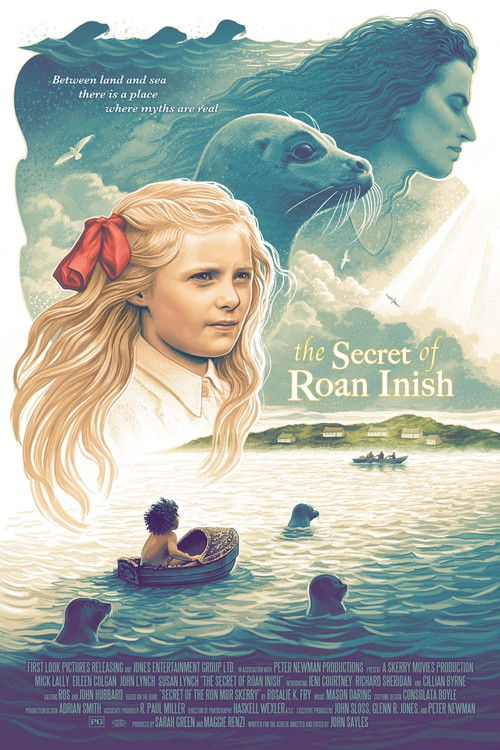
The Secret of Roan Inish
Adventure · 1994
Ten-year-old Fiona is sent to live with her grandparents in a small fishing village in Donegal, Ireland. She soon learns the local legend that an ancestor of hers married a Selkie – a seal who can turn into a human. Years earlier, her baby brother was washed out to sea and never seen again, so when Fiona spies a naked little boy on the abandoned Isle of Roan Inish, she is compelled to investigate.
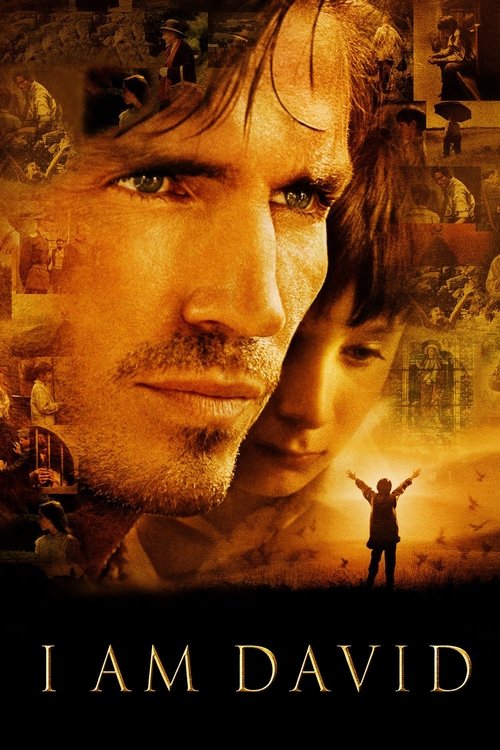
I Am David
Drama · 2003
A 12-year-old boy manages to flee a Communist concentration camp on his own, through sheer will and determination. All he has in his possession is a loaf of bread, a letter to deliver to someone in Denmark, and a compass to help get him there.
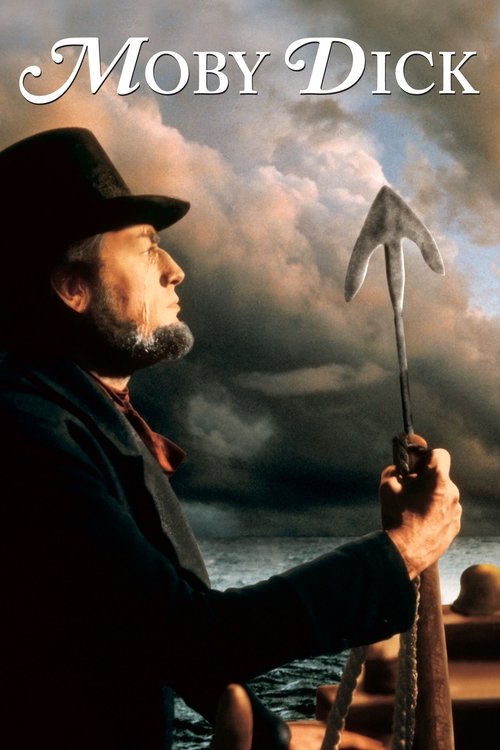
Moby Dick
Adventure · 1956
In 1841, young Ishmael signs up for service aboard the Pequod, a whaler sailing out of New Bedford. The ship is under the command of Captain Ahab, a strict disciplinarian who exhorts his men to find Moby Dick, the great white whale. Ahab lost his leg to that creature and is desperate for revenge. As the crew soon learns, he will stop at nothing to gain satisfaction.
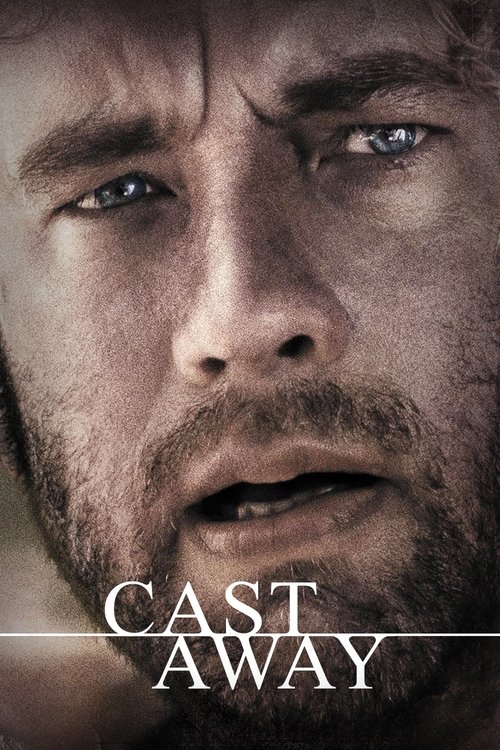
Cast Away
Adventure · 2000
Chuck Noland, a top international manager for FedEx, and Kelly, a Ph.D. student, are in love and heading towards marriage. Then Chuck's plane to Malaysia crashes at sea during a terrible storm. He's the only survivor, and finds himself marooned on a desolate island. With no way to escape, Chuck must find ways to survive in his new home.
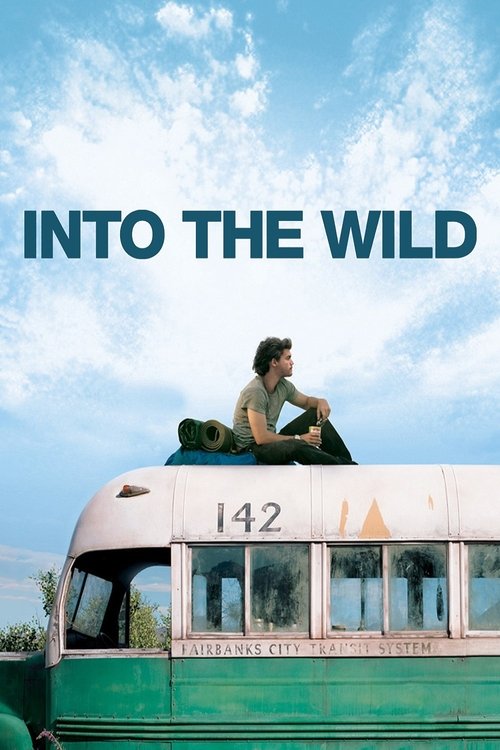
Into the Wild
Adventure · 2007
After graduating from Emory University in 1992, top student and athlete Christopher McCandless abandons his possessions, gives his entire $24,000 savings account to charity, and hitchhikes to Alaska to live in the wilderness.
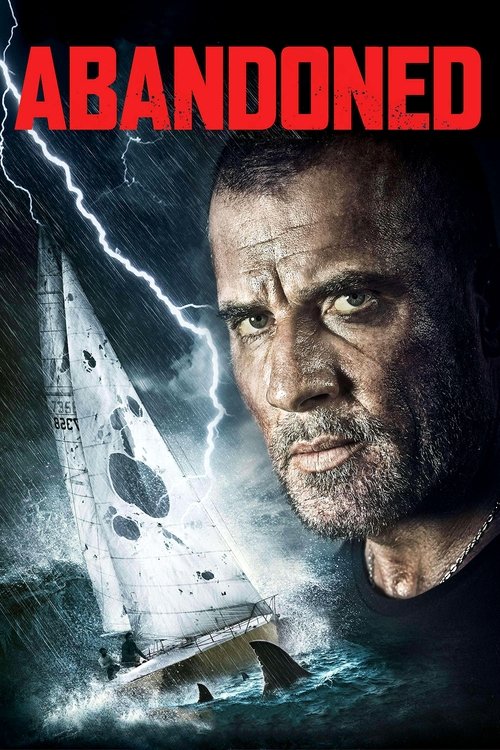
Abandoned
Drama · 2016
In 1989 the trimaran Rose Noelle set sail from Picton, New Zealand, bound for Tonga with four crew. After a freak wave capsized the yacht, they drifted for 119 days before landing on Great Barrier Island.
Cinema release signals and current streaming, rental, and purchase options for your region.
Streaming availability data supplied by JustWatch.
Cast & crew
Directed by
Ridley Scott
Written by
Todd Robinson
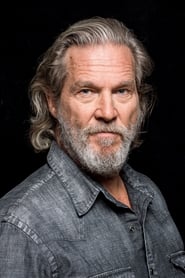
Jeff Bridges
Christopher 'Skipper' Sheldon

Caroline Goodall
Alice Sheldon

John Savage
McCrea

Scott Wolf
Chuck Gieg

Jeremy Sisto
Frank Beaumont

Ryan Phillippe
Gil Martin

David Lascher
Robert Marsh
Two incompatible taste archetypes. One film. Read the arguments, then issue a completely binding cultural ruling.
“Sincerity is not manipulation.”
The film risks embarrassment to make emotion communal, and that openness is harder than fashionable detachment.
“The strings are showing.”
Every cue tells you exactly what to feel and when, leaving sentiment to do the work character should have done.