AI Cinema · Opening argument 06
Why AI films should stop chasing photorealism
The race to make a synthetic image look ordinary is technically impressive and aesthetically suspicious. Instability may be the medium’s first honest accent.
Filed by
CriticWise Editorial
3 minute read · 454 words

Photorealism is a benchmark, not a point of view
Photorealism is easy to measure. A face remains stable, a hand completes its assignment and a room obeys the geometry expected of rooms. These improvements matter for production, but technical concealment is not automatically an artistic destination.
When an AI-assisted film spends all its energy proving that its images could pass for conventional footage, the reward is comparison. The audience watches for failure. Cinema becomes a test the tool may eventually pass, leaving the film with no argument beyond having passed it.
Instability can become grammar
Synthetic images are unusually comfortable with mutation. Faces drift, architecture breathes and objects surrender one identity for another. Used without control, this is noise. Used with editorial intention, it can express memory, dream, bodily anxiety or a world whose rules are failing in front of us.
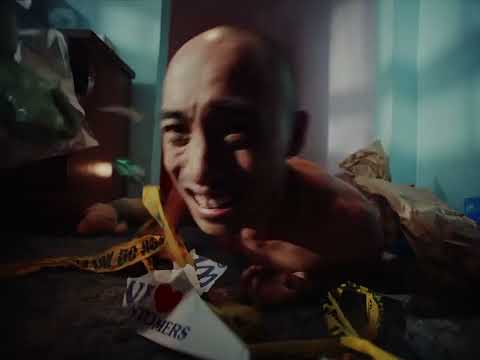
Lapse is interesting because discontinuity belongs to its treatment of time and identity. Pantomime places unstable bodies inside a performance frame. In both cases the visible seam can contribute meaning instead of remaining an apology hidden between cuts.
“The question is not whether the image is imperfect. It is whether the film has given the imperfection a job.”
Stylisation does not excuse weak filmmaking
A declared dream logic cannot rescue interchangeable shots. The more elastic the image becomes, the more discipline is required from duration, sound and sequence. Viewers still need changes in expectation, emotion or information—even when cause and effect operate poetically.
Sound is especially decisive. A stable sonic environment can give synthetic images weight; a deliberate rupture can make visual mutation feel consequential. Generic music merely tells the audience that a collection of unusual pictures would like to be considered a film.
Four films that use the seam
A better target for AI cinema
The durable goal is not maximum realism. It is maximum correspondence between form and intention. Some stories will require stable characters and invisible technique; others should mutate because mutation is what they mean.
As tools improve, imperfection will become more optional. That makes the present moment useful: filmmakers can decide which strange behaviours deserve to survive after they are no longer compulsory.