AI Cinema · Opening argument 02
Feast: appetite, texture and two-minute confidence
Most generative shorts are tempted to show everything they can make. Feast understands that appetite grows from what the film refuses to explain.
Filed by
CriticWise Editorial
3 minute read · 339 words

A banquet designed as a threat
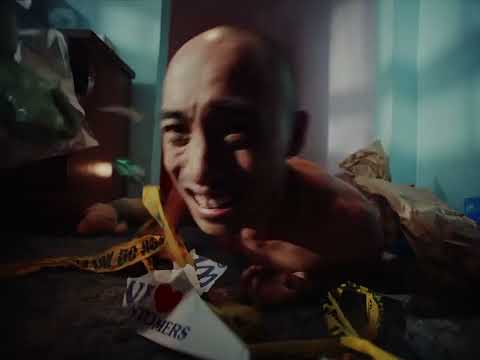
Feast turns abundance into menace. Food, surface and bodies occupy the frame with the intensity of a fairy tale that has forgotten the moral but remembers the danger. The imagery is sensuous enough to attract and unstable enough to prevent comfort.
The short does not build a conventional world around its central idea. It offers a concentrated ritual, trusting the viewer to connect appetite, consumption and transformation without explanatory dialogue.
Why the brevity matters
Generative imagery can lose force when a filmmaker treats every usable shot as recovered treasure. Feast edits with greater discipline. The sequence escalates, repeats textures and leaves before visual abundance becomes ordinary.
That restraint is authorship. The film’s confidence is visible not simply in what was produced but in what was excluded from the final two minutes.
“The most important generative tool in Feast may be the decision to cut away.”
Where the synthetic image helps
The small discontinuities of texture and form are compatible with a world organised by appetite rather than physical law. Objects feel as though they could become ingredients, and characters seem only temporarily separate from the feast around them.
This is a strong use of current image instability because the story does not require realism to remain intact. The medium’s tendency to mutate becomes thematic pressure instead of an error demanding concealment.
The CriticWise verdict
Feast is not important because it settles the future of AI filmmaking. It is worth programming because it creates a specific sensory experience, controls its duration and leaves the machinery outside the frame.
Watch it in CriticWise AI Cinema, then watch it again while paying attention to the cuts rather than the generated details. The editorial intelligence is where the film becomes more than a demonstration.