AI Cinema · Opening argument 03
Where is the human author in an AI-generated film?
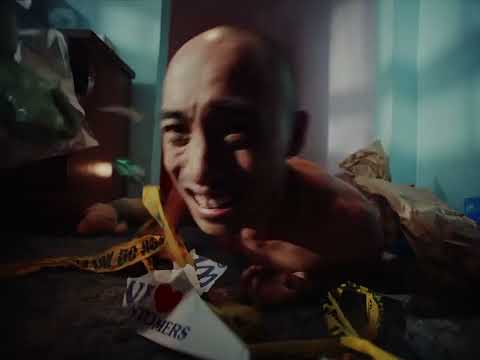
The machine can produce the frame. Authorship begins where somebody decides which frame belongs, what follows it and what the sequence is trying to do.
Filed by
CriticWise Editorial
3 minute read · 355 words

A prompt is not the whole production
Public discussion often reduces AI filmmaking to text entry followed by automatic result. That model overlooks iteration, reference design, performance capture, compositing, sound, editing and the thousands of rejected outputs surrounding a finished short.
It can also overstate labour as proof of art. Effort alone does not create authorship. The meaningful evidence is a pattern of choices that produces an identifiable intention across the work.
Credit should become more precise, not less
“Made with AI” is too vague to explain a workflow, while “made by AI” erases the human decisions and existing creative infrastructure around the model. Useful credits can name direction, writing, generation systems, editing, sound, performers and source footage where applicable.
Transparency is not an apology. It gives the audience enough information to evaluate innovation, labour and appropriation without guessing.
“Authorship is not located in one button. It is distributed across the decisions that make an output become this film.”
The critical standard remains recognisable
We can ask of an AI-assisted film what we ask of any film: does it have a point of view, control attention, transform its materials and justify its duration? We can then ask additional production questions without pretending the aesthetic judgement has disappeared.
The human author is visible wherever the work becomes more specific than the system’s default possibility.