The defence The Sentimental Softie
“Form is the argument.”
Every composed frame and deliberate cut is evidence that control can be thrilling in its own right.
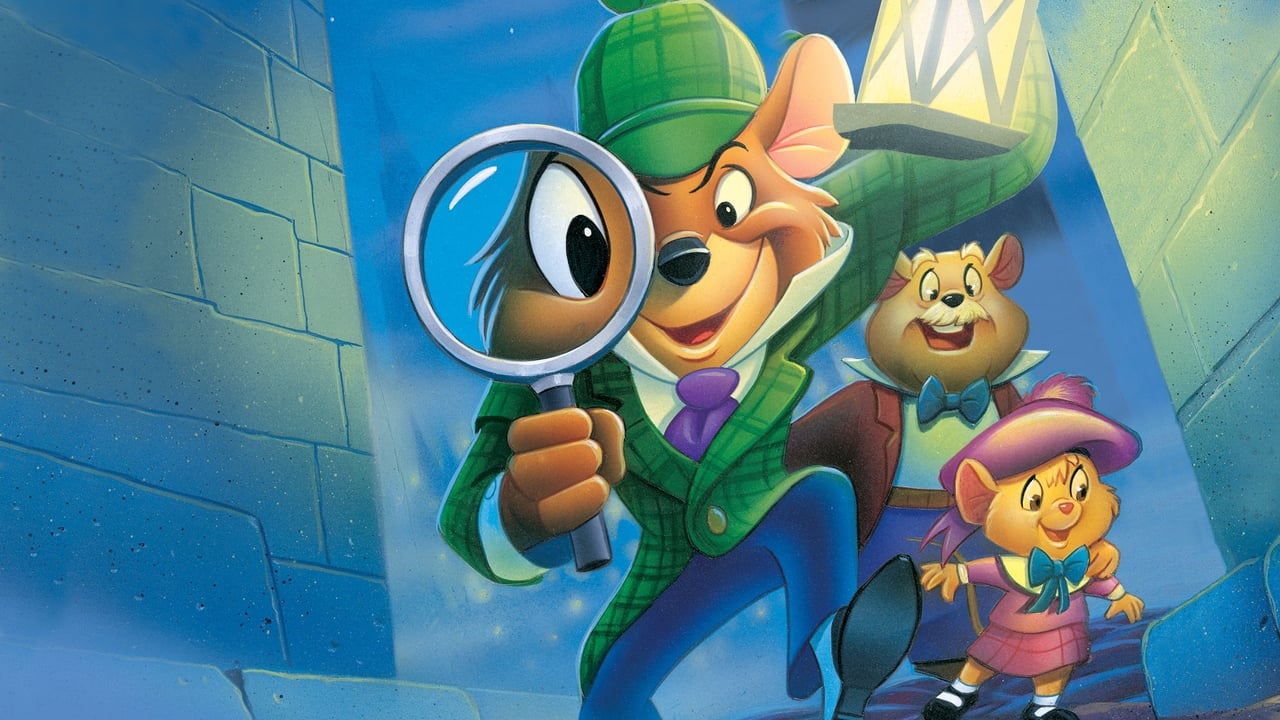
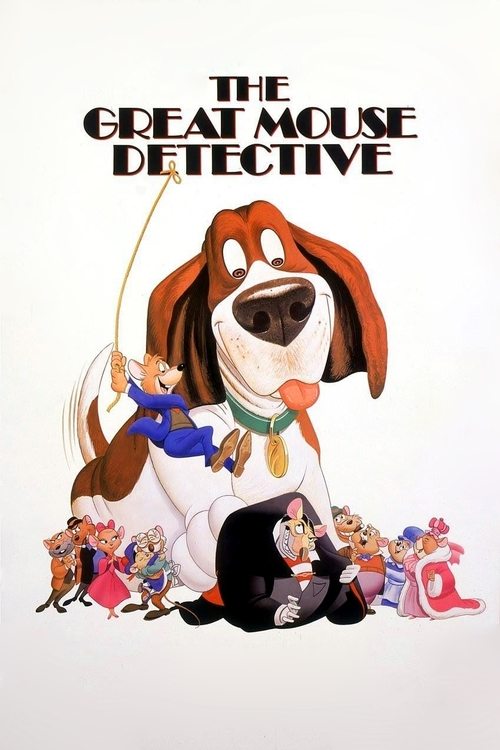
The Great Mouse Detective
Animation · Family · Mystery · 1986
When the diabolical Professor Ratigan kidnaps London's master toymaker, the brilliant master of disguise Basil of Baker Street and his trusted sidekick Dawson try to elude the ultimate trap and foil the perfect crime.
“London's crime-fighting ace on his most baffling case!”
Critical arithmetic
Scores change. Arguments endure.
TMDB
7.0 / 10
Community rating
When the diabolical Professor Ratigan kidnaps London's master toymaker, the brilliant master of disguise Basil of Baker Street and his trusted sidekick Dawson try to elude the ultimate trap and foil the perfect crime.
Not a recommendation score. A measure of how closely the film’s taste signals resemble yours.
The archetype split
The Sentimental Softie
“You came to feel something, and you will.”
Read their caseThe Cool Ironist
“Feeling things is a little embarrassing.”
Read their objectionThe split comes from the same five-axis model used by the test, not audience ratings or review sentiment.
TMDB supplies the candidates. CriticWise reorders them by craft, strangeness, prestige, emotion, and pace.
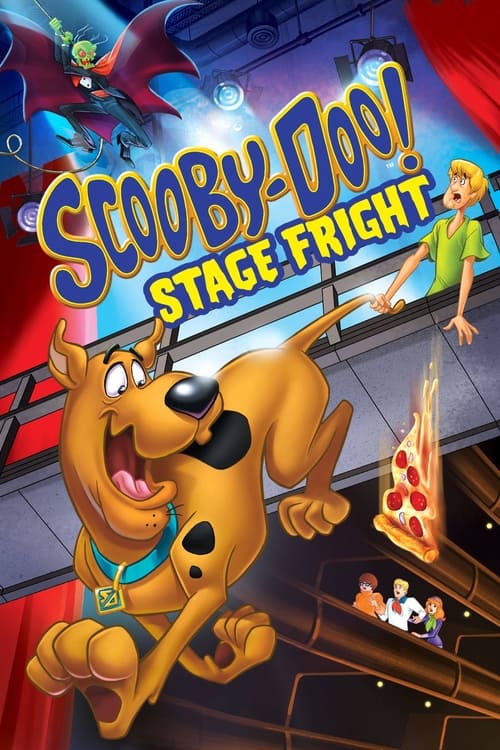
Scooby-Doo! Stage Fright
Family · 2013
Join Scooby-Doo, Shaggy and the Mystery Inc. crew as they head to Chicago for Talent Star, a hit talent show in which Fred and Daphne are finalists with some high hopes. Unlucky for them, the competition is frightful as the show is being broadcast from an opera house with a history of horrors and a particularly vengeful phantom that has cursed the show's production.

Scooby-Doo! and the Curse of the 13th Ghost
Comedy · 2019
Mystery Inc. withdraws from solving crimes after botching a case. When Vincent Van Ghoul contacts the gang about an unfinished investigation from Daphne, Shaggy and Scooby's past, the gang springs into action to finish the job that involves catching the 13th Ghost that escaped from the Chest of Demons and is still at large.
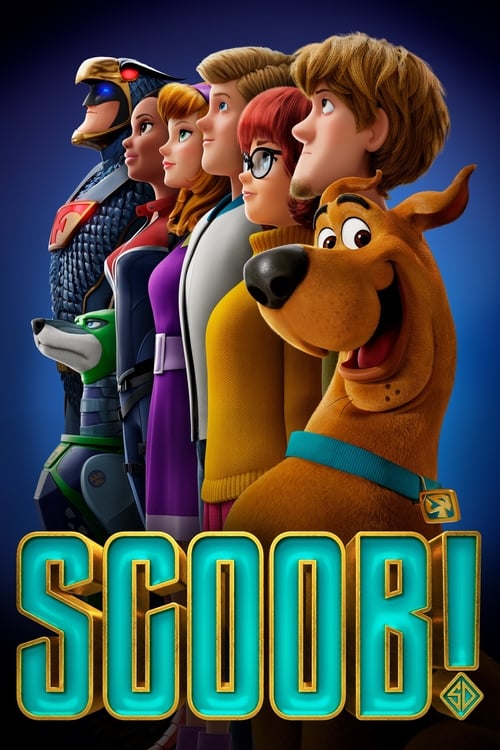
Scoob!
Animation · 2020
In Scooby-Doo’s greatest adventure yet, see the never-before told story of how lifelong friends Scooby and Shaggy first met and how they joined forces with young detectives Fred, Velma, and Daphne to form the famous Mystery Inc. Now, with hundreds of cases solved, Scooby and the gang face their biggest, toughest mystery ever: an evil plot to unleash the ghost dog Cerberus upon the world. As they race to stop this global “dogpocalypse,” the gang discovers that Scooby has a secret legacy and an epic destiny greater than anyone ever imagined.
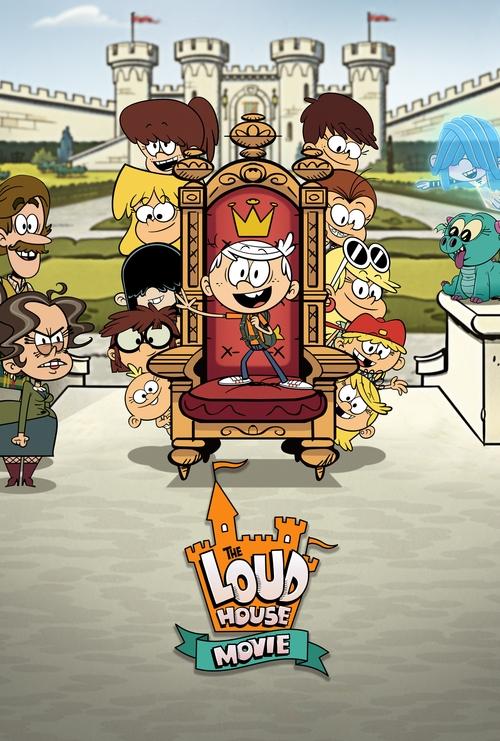
The Loud House Movie
Animation · 2021
The Loud family travel to Scotland and discover they are descendants of Scottish royalty as they move into their giant ancestral castle.

Tom and Jerry Meet Sherlock Holmes
Animation · 2010
Tom and Jerry need to learn to work together in order to help Sherlock Holmes with an investigation of a jewel theft. But still, they are cat and mouse!
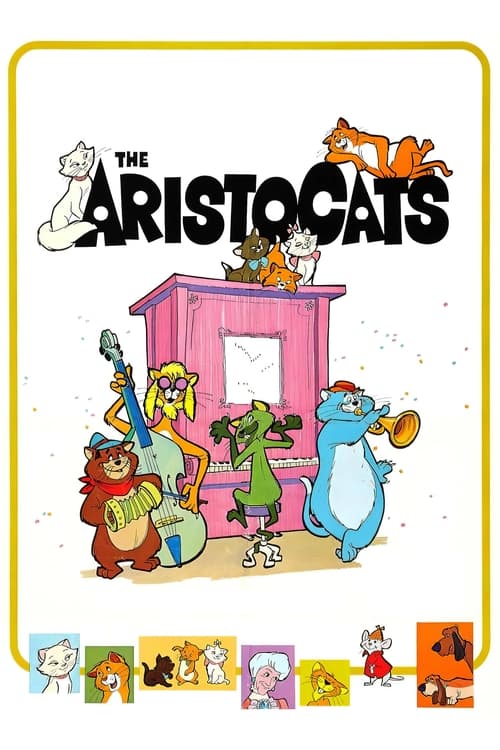
The Aristocats
Animation · 1970
When Madame Adelaide Bonfamille leaves her fortune to Duchess and her children—Bonfamille’s beloved family of cats—the butler plots to steal the money and kidnaps the legatees, leaving them out on a country road. All seems lost until the wily Thomas O’Malley Cat and his jazz-playing alley cats come to the aristocats’ rescue.
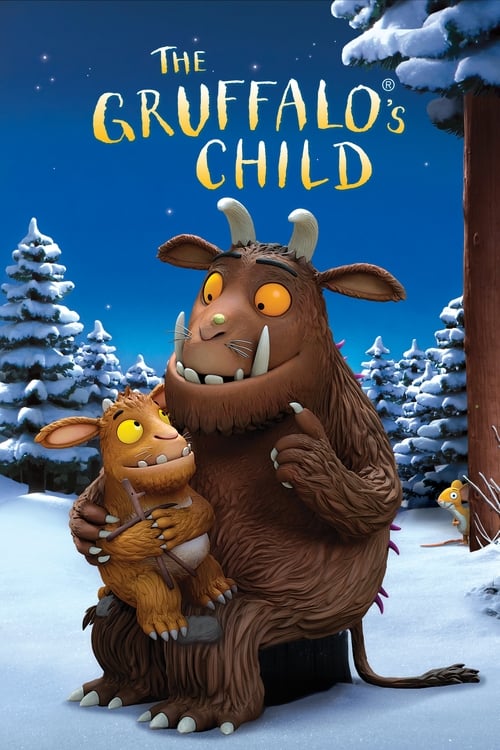
The Gruffalo's Child
Adventure · 2011
A follow up to the 2009 animated feature and adapted from the childrens' book by Julia Donaldson and Alex Scheffler. The Gruffalo's child explores the deep dark wood in search of the big bad mouse and meets the Snake, Owl and Fox in the process. She eventually finds the mouse, who manages to outwit her like the Gruffalo before!
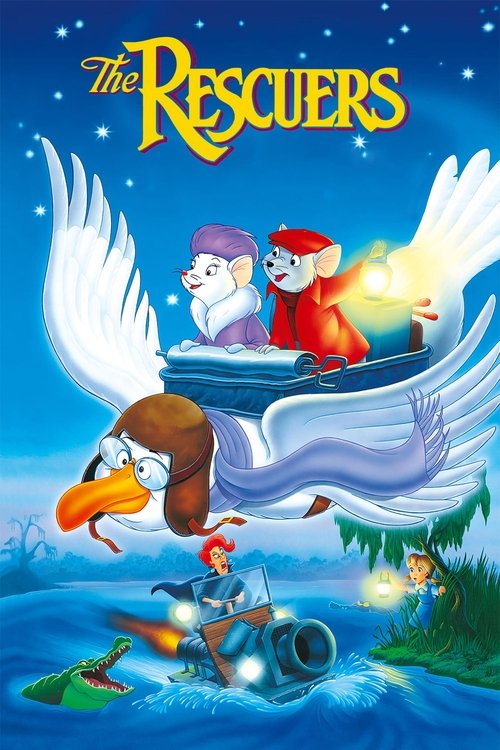
The Rescuers
Fantasy · 1977
Two agents of the mouse-run International Rescue Aid Society search for a little orphan girl kidnapped by sinister treasure hunters.
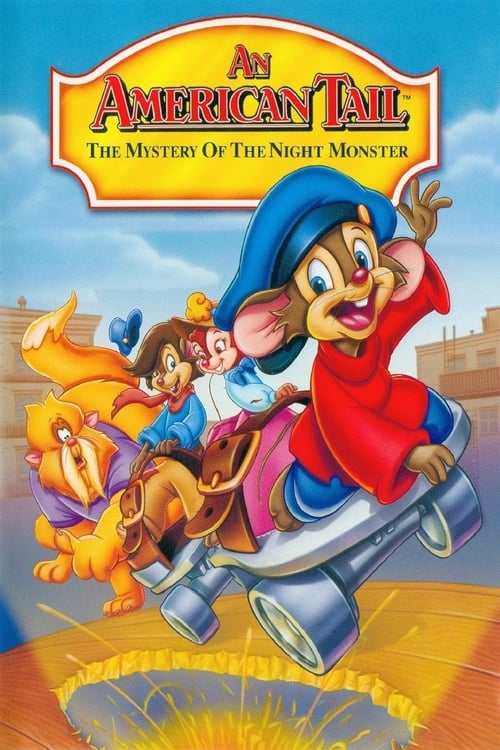
An American Tail: The Mystery of the Night Monster
Adventure · 1999
Follow the clues to fun and excitement as the beloved little mouse takes on a big monster in this charming, full-length adventure. When a ferocious, mouse-nabbing creature puts fear into the hearts of New York City's rodents, Fievel and his friends team up with a reporter to chase after the scoop of the century and -- just maybe -- get a close-up look at the bad guy himself!
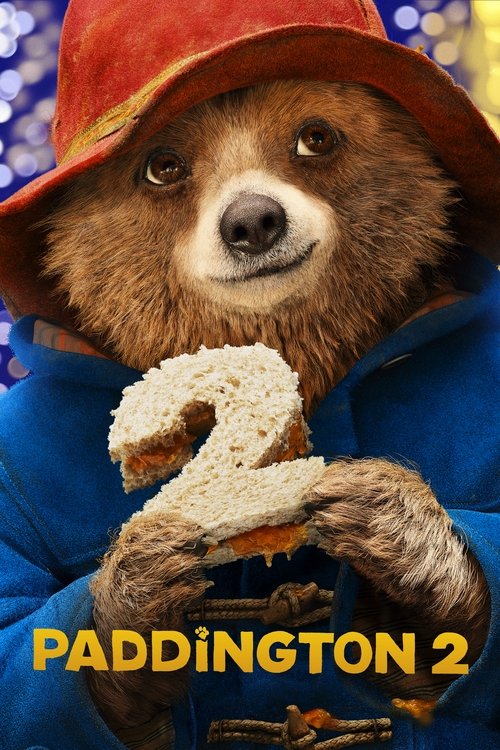
Paddington 2
Adventure · 2017
Paddington, now happily settled with the Browns, picks up a series of odd jobs to buy the perfect present for his Aunt Lucy, but it is stolen.
Cinema release signals and current streaming, rental, and purchase options for your region.
Streaming availability data supplied by JustWatch.
Cast & crew
Directed by
Ron Clements · John Musker · Burny Mattinson
Written by
Matthew O'Callaghan · Peter Young · Ron Clements · John Musker

Barrie Ingham
Basil of Baker Street / Bartholomew (voice)

Vincent Price
Professor Ratigan (voice)

Val Bettin
Dr. David Q. Dawson / Thug Guard (voice)
Susanne Pollatschek
Olivia Flaversham (voice)

Candy Candido
Fidget (voice)

Diana Chesney
Mrs. Judson (voice)

Eve Brenner
The Mouse Queen (voice)
Two incompatible taste archetypes. One film. Read the arguments, then issue a completely binding cultural ruling.
“Form is the argument.”
Every composed frame and deliberate cut is evidence that control can be thrilling in its own right.
“Technique in search of a pulse.”
Immaculate construction is still construction. The film may be too busy proving its craft to feel alive.