The defence The Sentimental Softie
“Sincerity is not manipulation.”
The film risks embarrassment to make emotion communal, and that openness is harder than fashionable detachment.
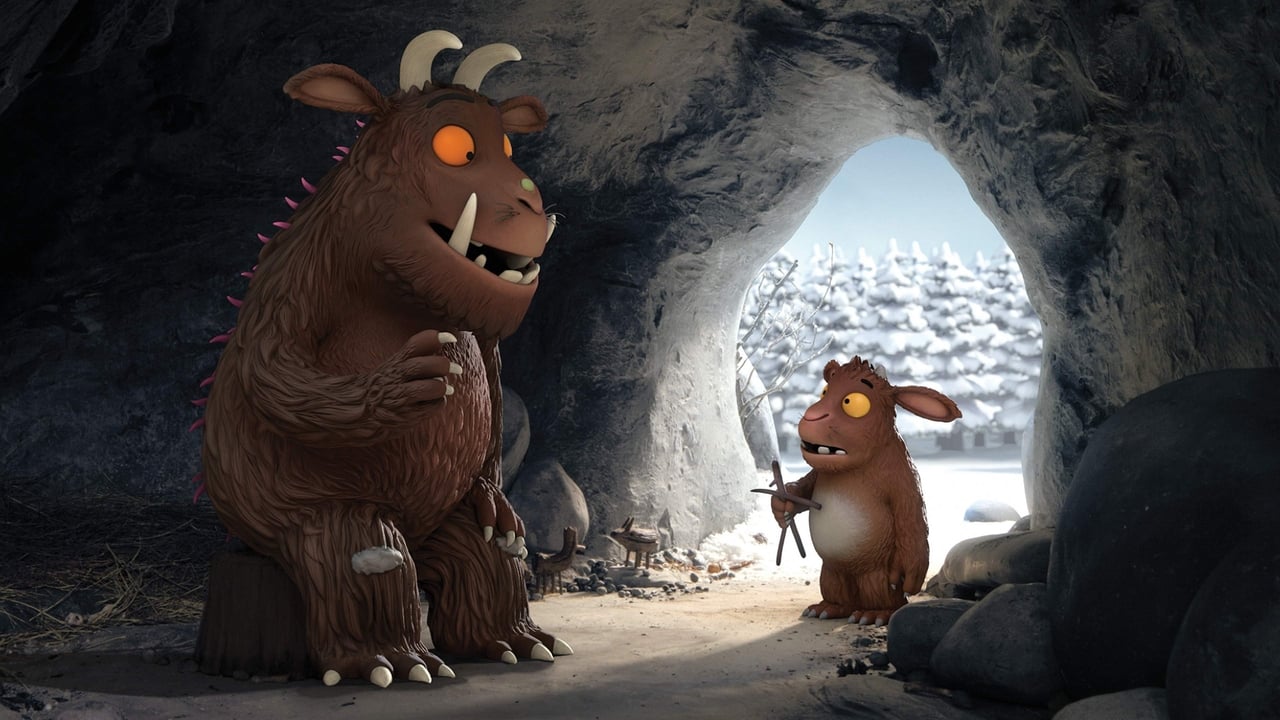
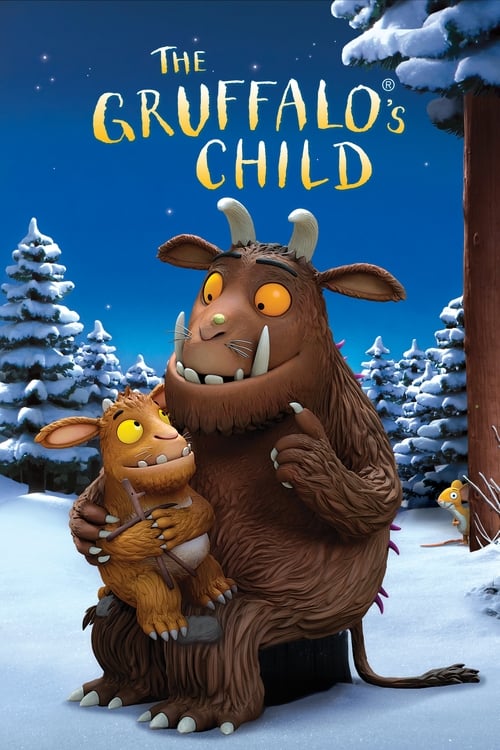
The Gruffalo's Child
Adventure · Animation · Family · 2011
A follow up to the 2009 animated feature and adapted from the childrens' book by Julia Donaldson and Alex Scheffler. The Gruffalo's child explores the deep dark wood in search of the big bad mouse and meets the Snake, Owl and Fox in the process. She eventually finds the mouse, who manages to outwit her like the Gruffalo before!
Critical arithmetic
Scores change. Arguments endure.
TMDB
6.8 / 10
Community rating
A follow up to the 2009 animated feature and adapted from the childrens' book by Julia Donaldson and Alex Scheffler. The Gruffalo's child explores the deep dark wood in search of the big bad mouse and meets the Snake, Owl and Fox in the process. She eventually finds the mouse, who manages to outwit her like the Gruffalo before!
Not a recommendation score. A measure of how closely the film’s taste signals resemble yours.
The archetype split
The Sentimental Softie
“You came to feel something, and you will.”
Read their caseThe Cool Ironist
“Feeling things is a little embarrassing.”
Read their objectionThe split comes from the same five-axis model used by the test, not audience ratings or review sentiment.
TMDB supplies the candidates. CriticWise reorders them by craft, strangeness, prestige, emotion, and pace.

Zog
Family · 2018
Zog is a keen young dragon who wants to learn to fly, roar, and breathe fire, so he studies at the Dragon School. He is desperate to impress his teacher and win a golden star, but he is prone to accidents and he has to be helped by a kind young girl who patches up his bumps and bruises.
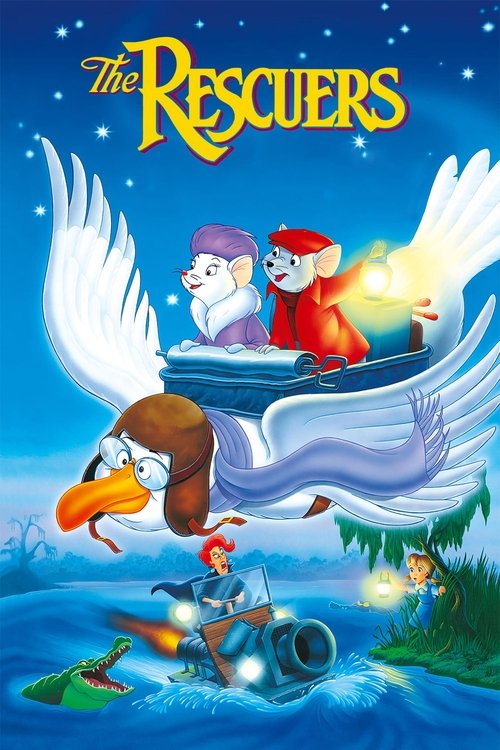
The Rescuers
Fantasy · 1977
Two agents of the mouse-run International Rescue Aid Society search for a little orphan girl kidnapped by sinister treasure hunters.
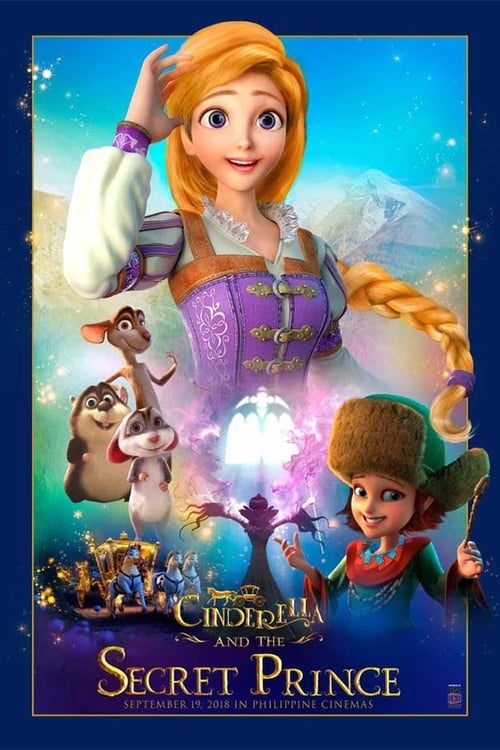
Cinderella and the Secret Prince
Animation · 2018
Cinderella discovers a secret that could shake their world: an evil witch turned the prince into a mouse and replaced him with a look-alike. Cinderella and her friends must save the real prince and help him defeat the evil witch.

Spellbound
Animation · 2024
When a powerful spell turns her parents into giant monsters, a teenage princess must journey into the wild to reverse the curse before it's too late.

Where the Wild Things Are
Adventure · 2009
Max imagines running away from his mom and sailing to a far-off land where large talking beasts—Ira, Carol, Douglas, the Bull, Judith and Alexander—crown him as their king, play rumpus, build forts and discover secret hideaways.
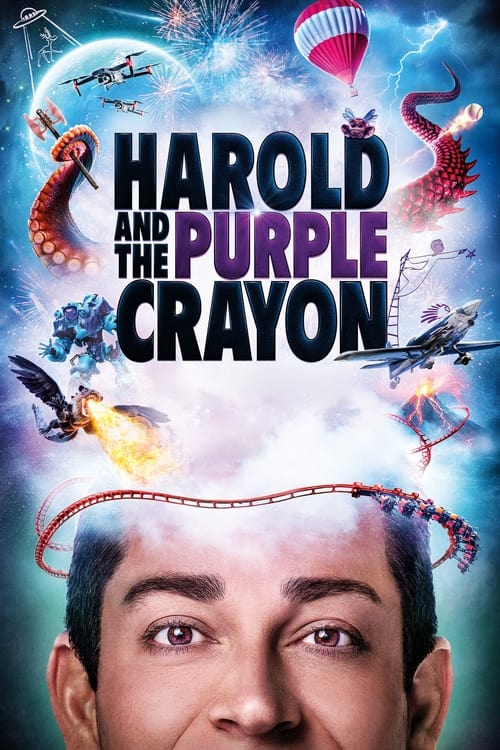
Harold and the Purple Crayon
Family · 2024
Inside of his book, adventurous Harold can make anything come to life simply by drawing it. After he grows up and draws himself off the book's pages and into the physical world, Harold finds he has a lot to learn about real life.

Tom and Jerry & The Wizard of Oz
Animation · 2011
After a deadly storm, Tom and Jerry find themselves stranded on an unknown island ruled by the evil Wizard of Oz. As they try to find their way back home, they worry for their master Dorothy's safety.
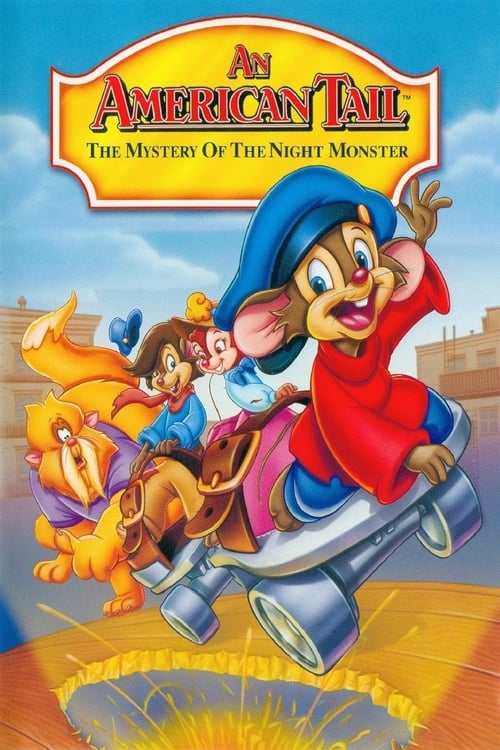
An American Tail: The Mystery of the Night Monster
Adventure · 1999
Follow the clues to fun and excitement as the beloved little mouse takes on a big monster in this charming, full-length adventure. When a ferocious, mouse-nabbing creature puts fear into the hearts of New York City's rodents, Fievel and his friends team up with a reporter to chase after the scoop of the century and -- just maybe -- get a close-up look at the bad guy himself!
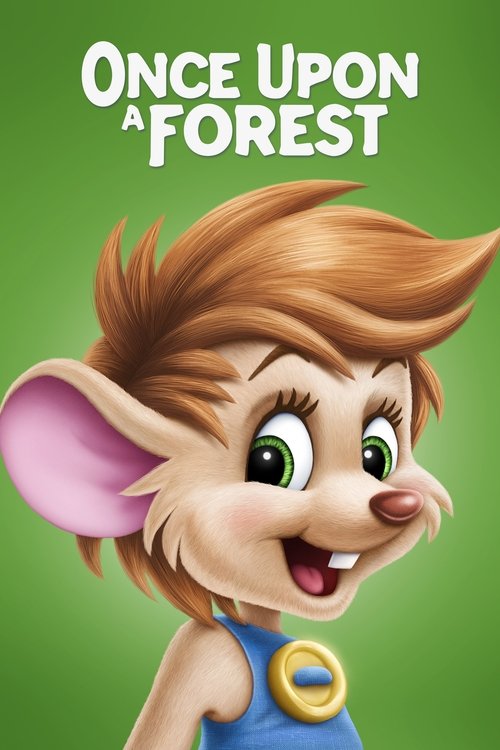
Once Upon a Forest
Animation · 1993
A young mouse, mole and hedgehog risk their lives to find a cure for their badger friend, who's been poisoned by men.
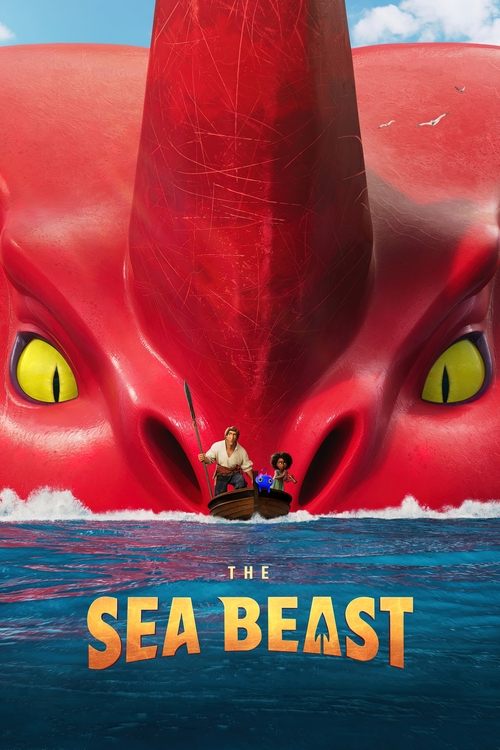
The Sea Beast
Animation · 2022
When a young girl stows away on the ship of a legendary sea monster hunter, they launch an epic journey into uncharted waters — and make history to boot.
Cinema release signals and current streaming, rental, and purchase options for your region.
Streaming availability data supplied by JustWatch.
Cast & crew
Directed by
Uwe Heidschötter · Johannes Weiland
Written by
Julia Donaldson · Johanna Stuttmann

Helena Bonham Carter
Mother Squirrel (voice)

Shirley Henderson
The Gruffalo's Child (voice)

Robbie Coltrane
The Gruffalo (voice)
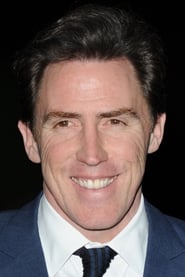
Rob Brydon
The Snake (voice)

John Hurt
The Owl (voice)

Tom Wilkinson
The Fox (voice)

James Corden
The Mouse (voice)
Two incompatible taste archetypes. One film. Read the arguments, then issue a completely binding cultural ruling.
“Sincerity is not manipulation.”
The film risks embarrassment to make emotion communal, and that openness is harder than fashionable detachment.
“The strings are showing.”
Every cue tells you exactly what to feel and when, leaving sentiment to do the work character should have done.