The defence The Sentimental Softie
“It owes the canon nothing.”
The movie pursues immediacy and audience pleasure without begging institutions to certify its worth.


The Jerk
Comedy · 1979
After discovering he's not really black like the rest of his family, likable dimwit Navin Johnson sets off on a hilarious misadventure that takes him from rags to riches and back again. The slaphappy jerk strikes it rich, but life in the fast lane isn't all it's cracked up to be and, in the end, all that really matters to Johnson is his true love.
“A rags to riches to rags story.”
Critical arithmetic
Scores change. Arguments endure.
TMDB
6.9 / 10
Community rating
After discovering he's not really black like the rest of his family, likable dimwit Navin Johnson sets off on a hilarious misadventure that takes him from rags to riches and back again. The slaphappy jerk strikes it rich, but life in the fast lane isn't all it's cracked up to be and, in the end, all that really matters to Johnson is his true love.
Not a recommendation score. A measure of how closely the film’s taste signals resemble yours.
The archetype split
The Sentimental Softie
“You came to feel something, and you will.”
Read their caseThe Cool Ironist
“Feeling things is a little embarrassing.”
Read their objectionThe split comes from the same five-axis model used by the test, not audience ratings or review sentiment.
TMDB supplies the candidates. CriticWise reorders them by craft, strangeness, prestige, emotion, and pace.

St. Vincent
Comedy · 2014
A young boy whose parents just divorced finds an unlikely friend and mentor in the misanthropic, bawdy, hedonistic, war veteran who lives next door.

Old Boys
Comedy · 2018
In the school-set re-working of Cyrano, an awkward but imaginative pupil helps the handsome but spectacularly dim school-hero pursue the fiery daughter of a visiting French teacher.

Kingpin
Comedy · 1996
After bowler Roy Munson swindles the wrong crowd and is left with a hook for a hand, he settles into impoverished obscurity. That is, until he uncovers the next big thing: an Amish kid named Ishmael. So, the corrupt and the hopelessly naive hit the circuit intent on settling an old score with Big Ern.

Spa Weekend
Comedy · 2026
Four lifelong friends realize that somewhere between careers, relationships, families, and everyday responsibilities, they’ve forgotten how to take care of themselves and each other. Burned out and overdue for a break, the women escape to a luxury spa retreat for an unforgettable weekend dedicated to fun, laughter, and a lot of really bad decisions.
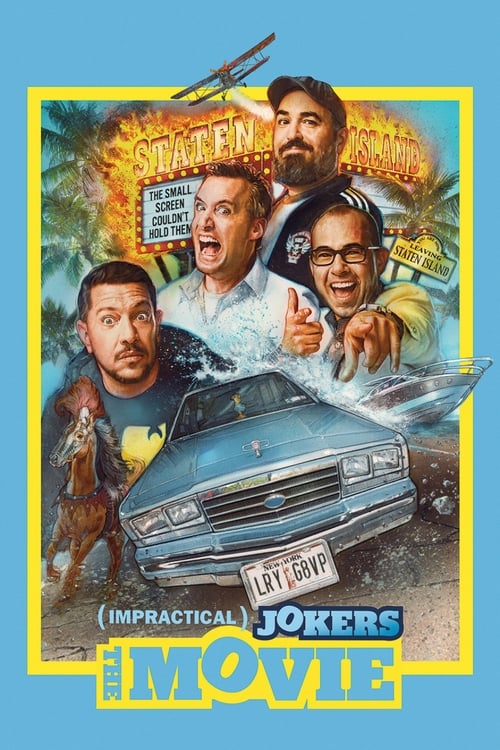
Impractical Jokers: The Movie
Comedy · 2020
The story of a humiliating high school mishap from 1992 that sends the Impractical Jokers on the road competing in hidden-camera challenges for the chance to turn back the clock and redeem three of the four Jokers.

The Dink
Comedy · 2026
Desperate to save a struggling country club and earn his father's respect, a washed-up tennis pro is compelled to break a sacred vow and do the unthinkable: play pickleball.

Taking Care of Business
Comedy · 1990
An uptight advertising exec has his entire life in a filofax organizer which mistakenly ends up in the hands of a friendly convict who poses as him.
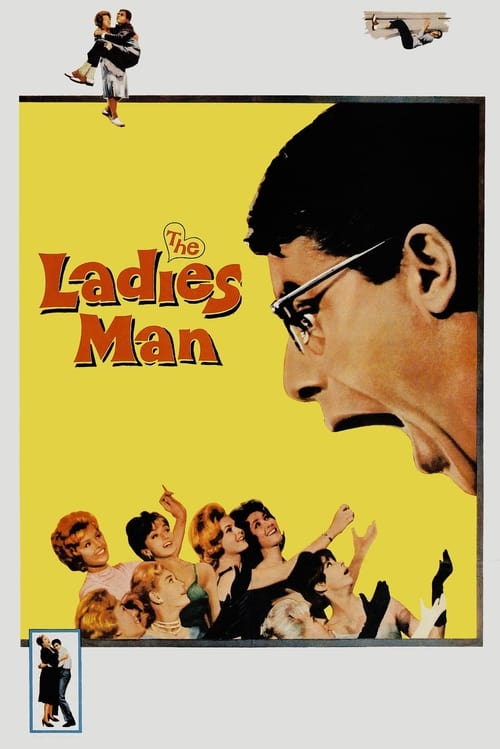
The Ladies Man
Comedy · 1961
After his girl leaves him for someone else, Herbert gets really depressed and starts searching for a job. He finally finds one in a big house which is inhabited by many, many women. Can he live in the same home with all these females?

DodgeBall: A True Underdog Story
Comedy · 2004
When megalomaniacal White Goodman, the owner of a trendy, high-end fitness center, makes a move to take over the struggling local gym run by happy-go-lucky Pete La Fleur, there's only one way for La Fleur to fight back: dodgeball. Aided by a dodgeball guru and Goodman's attorney, La Fleur and his rag-tag team of underdogs launch a knock-down, drag-out battle in which the winner takes all.

Thunderstruck
Comedy · 2012
After NBA star Kevin Durant switches talent with 16 year old Brian, the teenager becomes the star of his high school team, but Durant starts struggling and eventually learns an important lesson.
Cinema release signals and current streaming, rental, and purchase options for your region.
Streaming availability data supplied by JustWatch.
Cast & crew
Directed by
Carl Reiner
Written by
Steve Martin · Carl Gottlieb · Michael Elias

Steve Martin
Navin R. Johnson

Bernadette Peters
Marie Kimble Johnson

Catlin Adams
Patty Bernstein

Mabel King
Mother

Richard Ward
Father

Carl Gottlieb
Iron Balls McGinty

Dick Anthony Williams
Taj
Two incompatible taste archetypes. One film. Read the arguments, then issue a completely binding cultural ruling.
“It owes the canon nothing.”
The movie pursues immediacy and audience pleasure without begging institutions to certify its worth.
“Easy pleasure, short half-life.”
It moves efficiently through the moment but offers little reason to keep arguing once the credits end.