The defence The Sentimental Softie
“Sincerity is not manipulation.”
The film risks embarrassment to make emotion communal, and that openness is harder than fashionable detachment.
The Tortoise and the Hare
Animation · Family · Fantasy · 1935
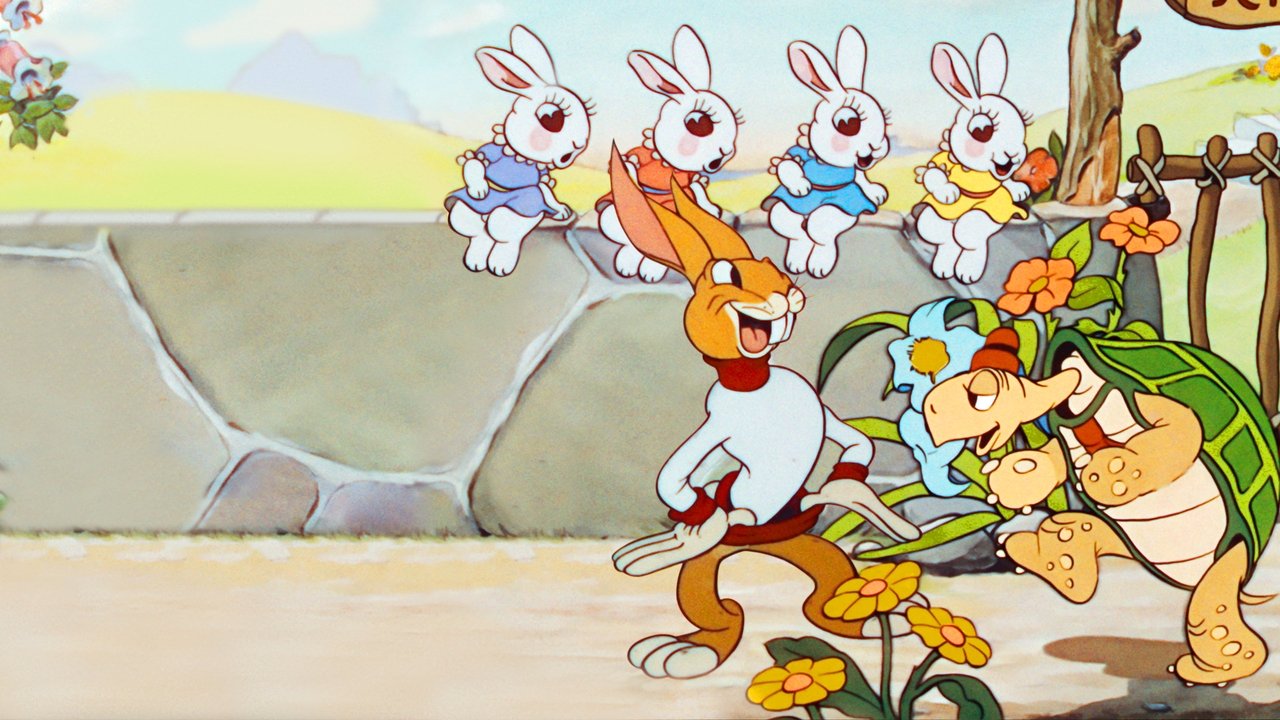
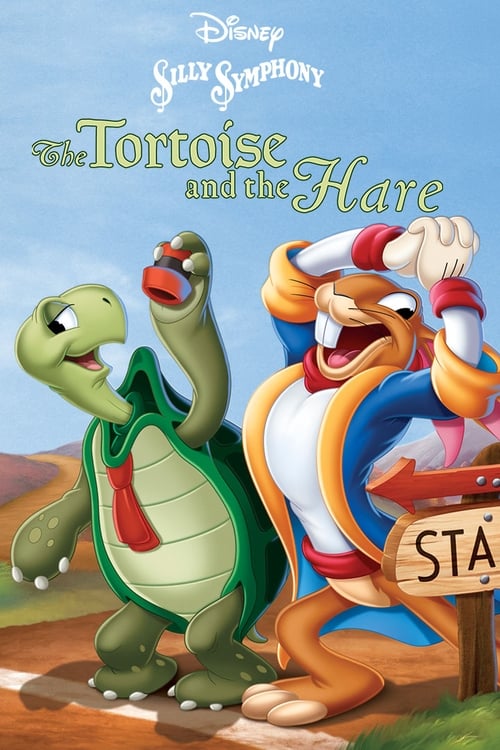
The Tortoise and the Hare is an animated short film released on January 5, 1935 by United Artists, produced by Walt Disney and directed by Wilfred Jackson. Based on an Aesop's fable of the same name, The Tortoise and the Hare won the 1934 Academy Award for Best Short Subject: Cartoons. This cartoon is also believed to be one of the influences for Bugs Bunny.
“Hare stops to show off, and the slower Tortoise wins the race.”
Critical arithmetic
Scores change. Arguments endure.
TMDB
6.6 / 10
Community rating
The Tortoise and the Hare is an animated short film released on January 5, 1935 by United Artists, produced by Walt Disney and directed by Wilfred Jackson. Based on an Aesop's fable of the same name, The Tortoise and the Hare won the 1934 Academy Award for Best Short Subject: Cartoons. This cartoon is also believed to be one of the influences for Bugs Bunny.
Not a recommendation score. A measure of how closely the film’s taste signals resemble yours.
The archetype split
The Sentimental Softie
“You came to feel something, and you will.”
Read their caseThe Cool Ironist
“Feeling things is a little embarrassing.”
Read their objectionThe split comes from the same five-axis model used by the test, not audience ratings or review sentiment.
TMDB supplies the candidates. CriticWise reorders them by craft, strangeness, prestige, emotion, and pace.
Disney Princess Enchanted Tales: Follow Your Dreams
Animation · 2007
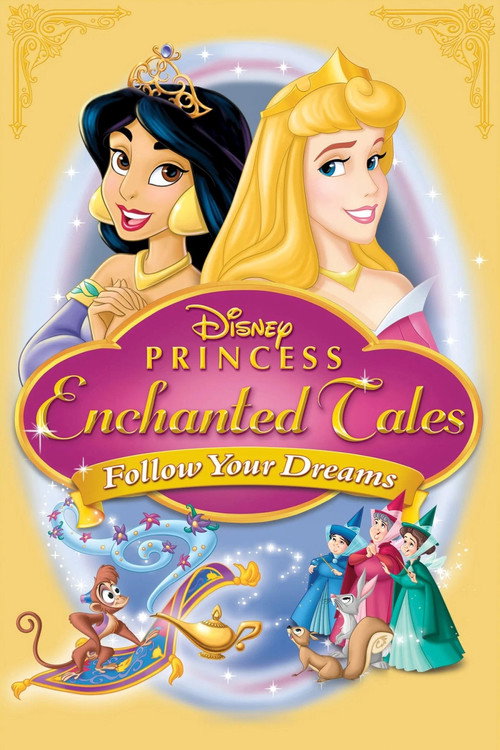
Princess Aurora and Princess Jasmine learn valuable life lessons in two short stories.
Thelma the Unicorn
Animation · 2024
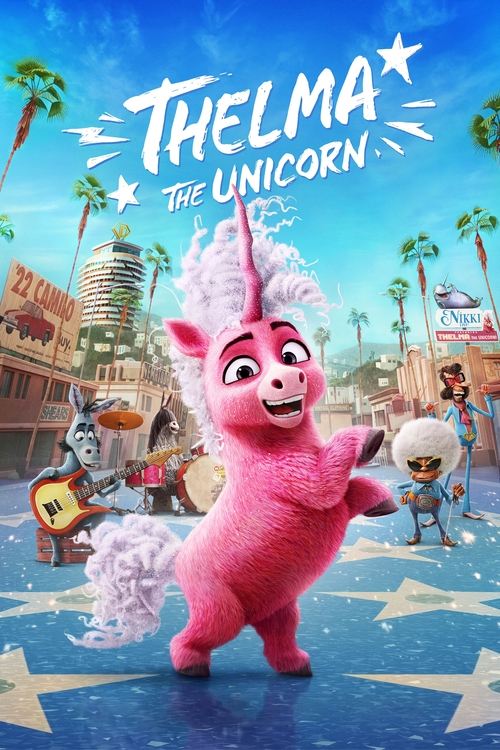
Thelma dreams of being a glamorous unicorn. Then in a rare pink and glitter-filled moment of fate, Thelma's wish comes true. She rises to instant international stardom, but at an unexpected cost. After a while, Thelma realizes that she was happier as her ordinary, sparkle-free self. So she ditches her horn, scrubs off her sparkles, and returns home, where her best friend is waiting for her with a hug.

Legends of Oz: Dorothy's Return
Animation · 2014
Dorothy wakes in post-tornado Kansas, only to be whisked back to Oz to try to save her old friends, the Scarecrow, the Lion, the Tin Man, and Glinda, from a devious new villain, the Jester. New comrades Wiser the Owl, Marshal Mallow, China Princess, and Tugg the Tugboat join Dorothy on her latest magical journey through the colorful landscape of Oz to restore order and happiness to Emerald City.

The Wise Little Hen
Animation · 1934
Join Donald Duck in his debut in the classic animated short The Wise Little Hen. The Little Hen is planting corn and would like to have help from Peter Pig and Donald Duck, but they refuse stating they each have a "tummy ache." When it comes time to harvest the corn, Peter Pig and Donald still refuse to help the Hen, so she and her chicks do the harvest by themselves. Finally, the hen cooks the corn and offers some to Donald and Peter Pig, but when they look more carefully they discover a surprise.
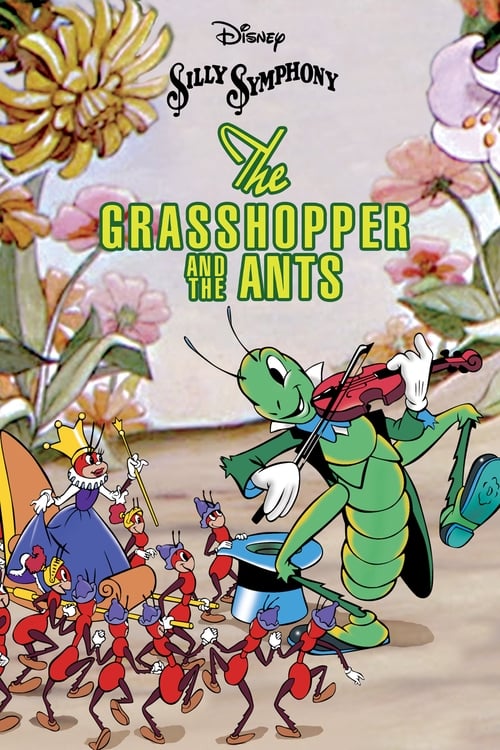
The Grasshopper and the Ants
Animation · 1934
As in the classic fable, the grasshopper plays his fiddle and lives for the moment, while the industrious ants squirrel away massive amounts of food for the winter. With his song, he's able to convince at least one small ant until the queen arrives and scares him back to work. The queen warns the grasshopper of the trouble he'll be in, come winter. Winter comes, and the grasshopper, near starvation, stumbles across the ants, who are having a full-on feast in their snug little tree. They take him in and warm him up. The queen tells him only those who work can eat so he must play for them. Written by Jon Reeves
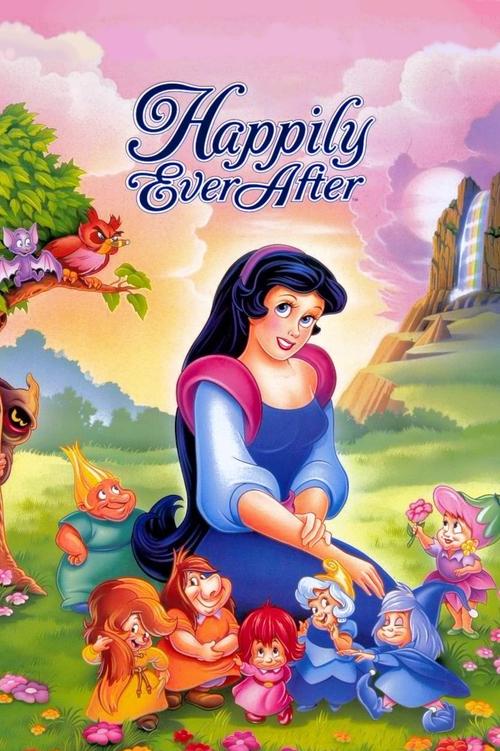
Happily Ever After
Family · 1989
In the aftermath of her more famous adventure, Snow White must team up with the dwarves' seven female cousins to battle the late Evil Queen's warlock brother and rescue the captured Prince.
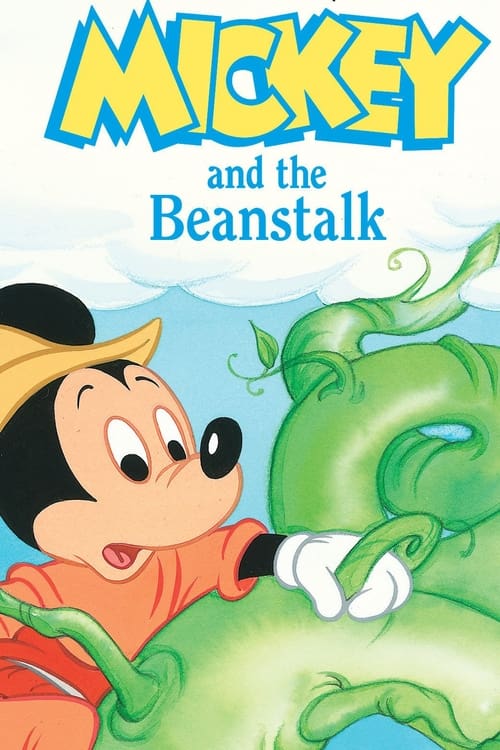
Mickey and the Beanstalk
Animation · 1947
A mysterious thief has stolen the prosperous Happy Valley's most prized possession: the musical Singing Harp. Can Mickey, Donald, and Goofy find the answer in the irritable Willie the Giant's magnificent castle up in the blue sky?
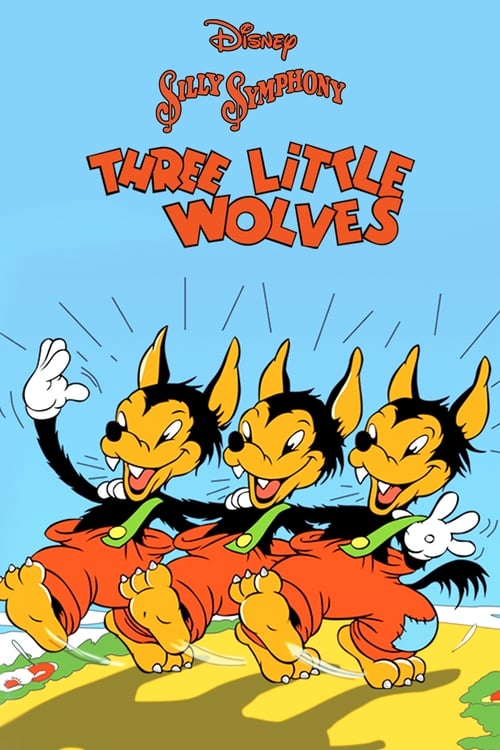
Three Little Wolves
Animation · 1936
Two little pigs cry wolf on their brother and then an actual wolf comes.
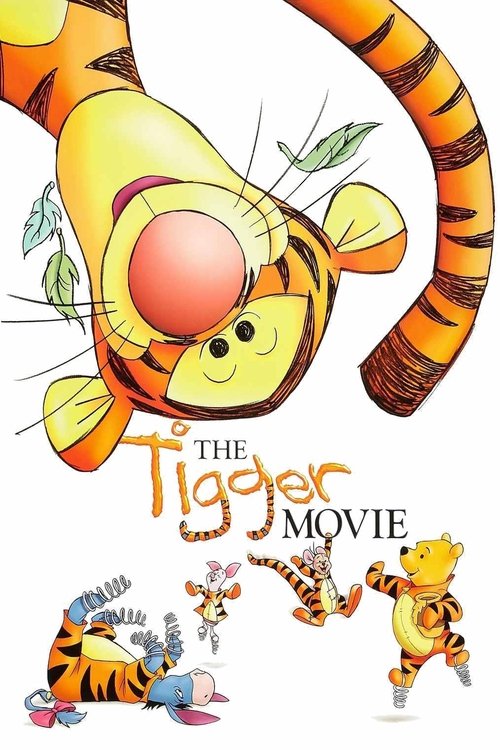
The Tigger Movie
Animation · 2000
Winnie the Pooh, Piglet, Owl, Kanga, Roo, and Rabbit are preparing a suitable winter home for Eeyore, the perennially dejected donkey, but Tigger's continual bouncing interrupts their efforts. Rabbit suggests that Tigger go find others of his kind to bounce with, but Tigger thinks "the most wonderful thing about tiggers is" he's "the only one!" Just in case though, the joyously jouncy feline sets out to see if he can find relatives.

Tom and Jerry's Giant Adventure
Animation · 2013
Tom And Jerry are among the last animals living in Storybook Town, a fairy tale-inspired theme park "where dreams come true, if you believe."
Cinema release signals and current streaming, rental, and purchase options for your region.
Streaming availability data supplied by JustWatch.
Cast & crew
Directed by
Wilfred Jackson
Written by
Larry Clemmons
Eddie Holden
Toby Tortoise (voice) (uncredited)
Ned Norton
Max Hare (voice) (uncredited)

Pinto Colvig
Starter (voice) (uncredited)

Marcellite Garner
Miss Cottontail Girl (voice) (uncredited)
Dorothy Compton
Girl Bunny (voice) (uncredited)

Beatrice Hagen
Girl Bunny (voice) (uncredited)
Mary Moder
Girl Bunny (voice) (uncredited)
Two incompatible taste archetypes. One film. Read the arguments, then issue a completely binding cultural ruling.
“Sincerity is not manipulation.”
The film risks embarrassment to make emotion communal, and that openness is harder than fashionable detachment.
“The strings are showing.”
Every cue tells you exactly what to feel and when, leaving sentiment to do the work character should have done.