The defence The Sentimental Softie
“Sincerity is not manipulation.”
The film risks embarrassment to make emotion communal, and that openness is harder than fashionable detachment.


Little Sister
Comedy · Drama · 2016
After returning to her childhood home, young nun Colleen finds her old room exactly how she left it: painted black and covered in goth and metal posters. Her parents are happy enough to see her, but her brother is living as a recluse in the guesthouse since returning home from the Iraq war.
Critical arithmetic
Scores change. Arguments endure.
IMDb
6.3 / 10
4K votes
Rotten Tomatoes
94 %
Tomatometer
Metacritic
74 / 100
Metascore
TMDB
6.0 / 10
Community rating
External scores via OMDb · CC BY-NC 4.0. Values normalized for display; availability varies by title.
After returning to her childhood home, young nun Colleen finds her old room exactly how she left it: painted black and covered in goth and metal posters. Her parents are happy enough to see her, but her brother is living as a recluse in the guesthouse since returning home from the Iraq war.
Not a recommendation score. A measure of how closely the film’s taste signals resemble yours.
The archetype split
The Sentimental Softie
“You came to feel something, and you will.”
Read their caseThe Cool Ironist
“Feeling things is a little embarrassing.”
Read their objectionThe split comes from the same five-axis model used by the test, not audience ratings or review sentiment.
TMDB supplies the candidates. CriticWise reorders them by craft, strangeness, prestige, emotion, and pace.

My Mother's Wedding
Comedy · 2025
Three sisters return to their home for the third wedding of their twice-widowed mother. But the mother and daughters are forced to revisit the past and confront the future, with help from a colorful group of unexpected wedding guests.

Wild Oats
Comedy · 2016
Everything changes for Eva when she receives an insurance settlement check accidentally made out for $5,000,000 instead of the expected $50,000. She and her best friend take the money and head out for the adventure of a lifetime.
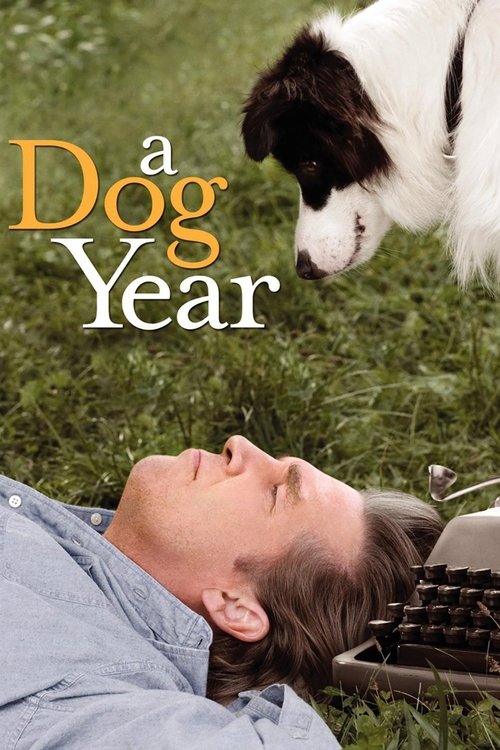
A Dog Year
Comedy · 2009
Jon Katz is close to burnout. He's a writer with writer's block; his wife has left for her sister's because he's emotionally distant; he rarely answers his phone. A kennel sends him a border collie that's undisciplined because of abuse. Despite a series of mishaps, Jon decides to keep trying with the dog, and he rents a dilapidated farm house to give the dog room to run. A local handyman refers Jon to a woman who might be able to help him train the dog. Reluctantly, Jon gives her a try. Is the dog the problem, or the owner?

Critical Care
Comedy · 1997
Werner Ernst is a young hospital resident who becomes embroiled in a legal battle between two half-sisters who are fighting over the care of their comatose father. But are they really fighting over their father's care, or over his $10 million estate? Meanwhile, Werner must contend with his nutty supervisor, who insists that he only care for patients with full insurance. Can Werner sidestep the hospital's legal team and do what's best for the patient?
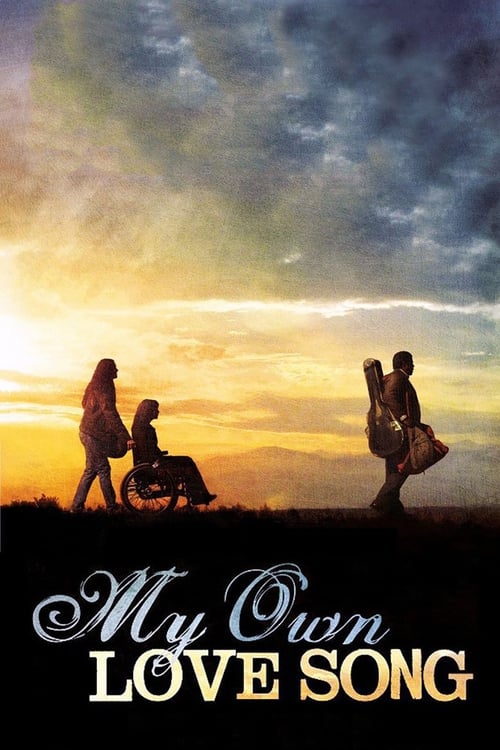
My Own Love Song
Comedy · 2010
A wheelchair-bound singer and her best friend embark on a roadtrip to Memphis.

Chloe and Theo
Comedy · 2015
A young woman, Chloe, living by her wits on the streets of New York City, has a chance meeting with a wise Inuit Eskimo, Theo, who was sent to New York by his elders to provide a message to the people of the world – We either change our destructive was or be destroyed by them. Chloe, who has been searching for something to believe in, becomes inspired by Theo and , with the help of a kind lawyer, Monica, the three of them present Theo’s story to the United Nations in hopes of creating a better future for all of us.

Hooking Up
Comedy · 2020
Bailey and Darla embark upon a misguided and mutually deceitful form of therapy, one in which they must drive across the country, re-enacting Darla's colorful history as a sex addict. As their true motivations for the road trip come to light, the unlikely pair force one another to confront their issues, discovering that there might actually be more to love than just sex.

Woman Times Seven
Comedy · 1967
Seven mini-stories of adultery: a widow misbehaves at her husband's funeral, a wife turns to streetwalking for revenge, a prudish girl surprises, a neglected wife vies for her husband's attention, a fight over a dress, a death pact, and a detective revealed as a jealous husband's spy.

Young Adult
Comedy · 2011
A divorced writer from the Midwest returns to her hometown to reconnect with an old flame, who's now married with a family.

The Trip to Italy
Comedy · 2014
Years after their successful restaurant review tour of Northern England, Steve Coogan and Rob Brydon are commissioned for a new tour in Italy.
Cinema release signals and current streaming, rental, and purchase options for your region.
Streaming availability data supplied by JustWatch.
Cast & crew
Directed by
Zach Clark
Written by
Zach Clark · Melodie Sisk

Addison Timlin
Colleen Lunsford

Ally Sheedy
Joani Lunsford

Keith Poulson
Jacob Lunsford

Peter Hedges
Bill Lunsford

Barbara Crampton
The Reverend Mother

Alex Karpovsky
Deli Guy

Kristin Slaysman
Tricia
Two incompatible taste archetypes. One film. Read the arguments, then issue a completely binding cultural ruling.
“Sincerity is not manipulation.”
The film risks embarrassment to make emotion communal, and that openness is harder than fashionable detachment.
“The strings are showing.”
Every cue tells you exactly what to feel and when, leaving sentiment to do the work character should have done.