The defence The Sentimental Softie
“Sincerity is not manipulation.”
The film risks embarrassment to make emotion communal, and that openness is harder than fashionable detachment.
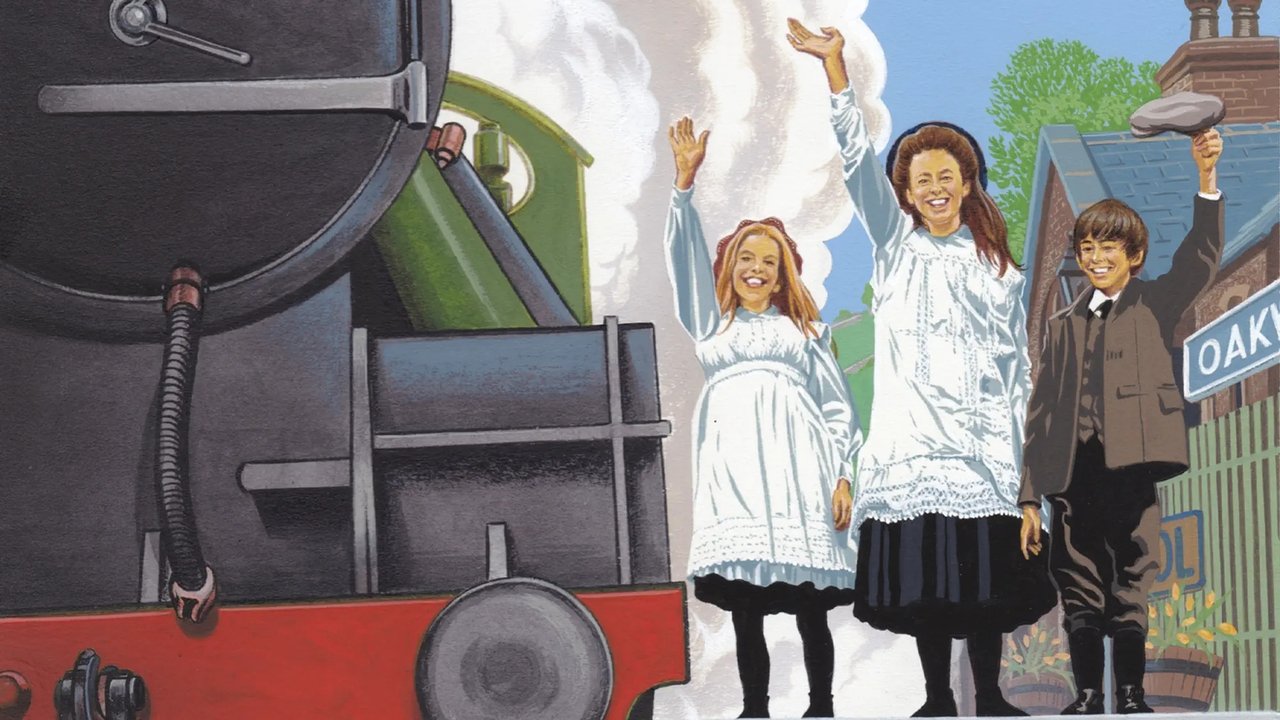
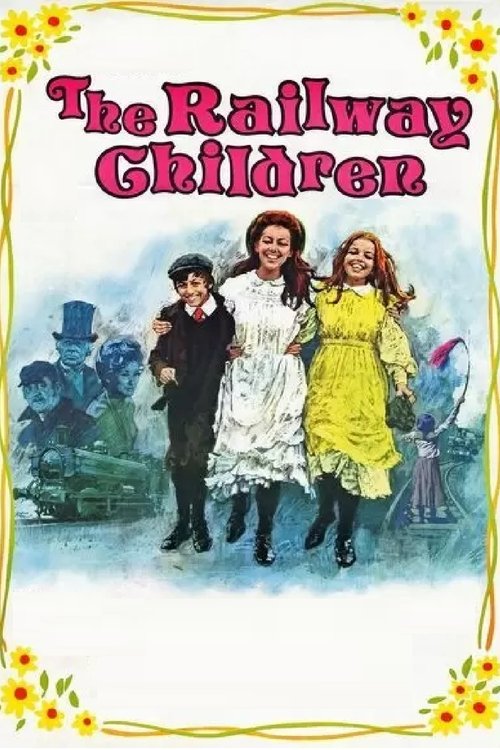
The Railway Children
Drama · Family · 1970
At the dawn of the 20th century, following their father's arrest on suspicion of betraying state secrets, the three Waterbury children—Bobbie, Phyllis and Peter—move with their mother to Yorkshire, where they find themselves involved in unexpected dramas along the railway by their new home.
“The railway, the children... and the wonderful secret they'll share with you!”
Critical arithmetic
Scores change. Arguments endure.
TMDB
6.7 / 10
Community rating
At the dawn of the 20th century, following their father's arrest on suspicion of betraying state secrets, the three Waterbury children—Bobbie, Phyllis and Peter—move with their mother to Yorkshire, where they find themselves involved in unexpected dramas along the railway by their new home.
Not a recommendation score. A measure of how closely the film’s taste signals resemble yours.
The archetype split
The Sentimental Softie
“You came to feel something, and you will.”
Read their caseThe Cool Ironist
“Feeling things is a little embarrassing.”
Read their objectionThe split comes from the same five-axis model used by the test, not audience ratings or review sentiment.
TMDB supplies the candidates. CriticWise reorders them by craft, strangeness, prestige, emotion, and pace.
Little Lord Fauntleroy
Drama · 1936
An American boy turns out to be the heir of a wealthy British earl. He is sent to live with the irritable and unsentimental aristocrat, his grandfather.
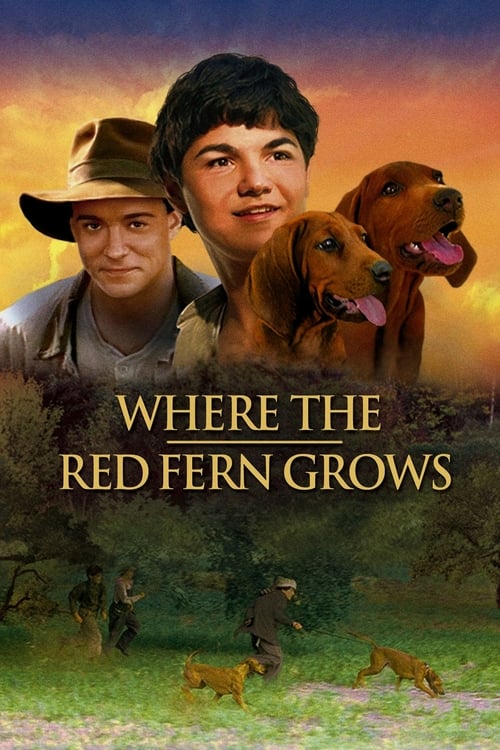
Where the Red Fern Grows
Drama · 2003
Set in the Ozark Mountains during the Great Depression, Billy Coleman works hard and saves his earnings for 2 years to achieve his dream of buying two coonhound pups. He develops a new trust in God as he faces overwhelming challenges in adventure and tragedy roaming the river bottoms of Cherokee country with "Old Dan" and "Little Ann."
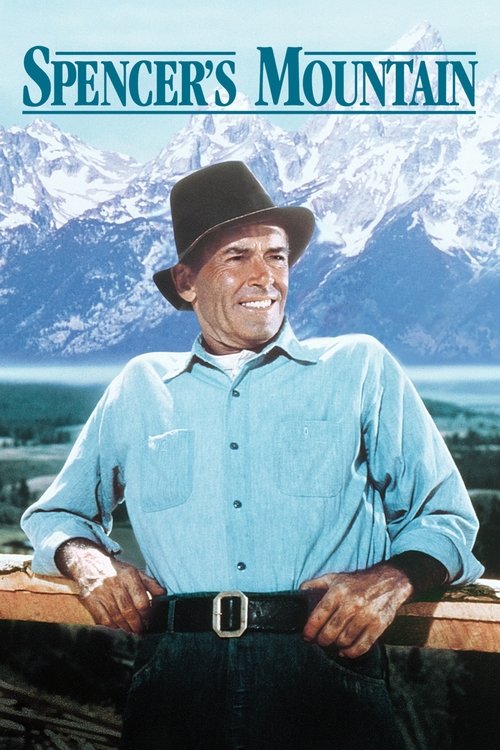
Spencer's Mountain
Drama · 1963
Clay Spencer and his wife, Olivia, live in a small town deep in the mountains. When Clay isn't busy drinking with his buddies or railing against the town minister, he's building the house he's always promised Olivia. He is overjoyed when he learns his eldest son will be the first Spencer to attend college, if he can resist the charms of a pretty local girl and rustle up the money for tuition.

Greyfriars Bobby
Drama · 1961
In Scotland 1865, An old shepherd and his little Skye terrier go to Edinburgh. But when the shepherd dies of pneumonia, the dog remains faithful to his master, refuses to be adopted by anyone, and takes to sleeping on his master's grave in the Greyfriars kirkyard, despite a caretaker with a "no dogs" rule. And when Bobby is taken up for being unlicensed, it's up to the children of Edinburgh and the Lord Provost to decide what's to be done.
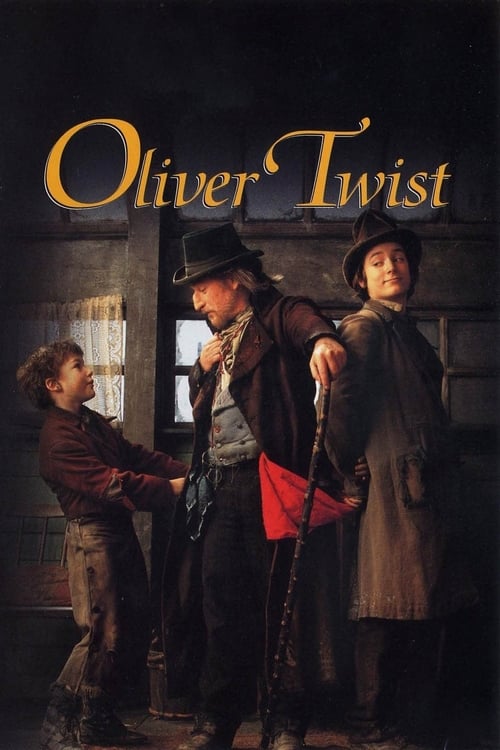
Oliver Twist
Family · 1997
An orphan endures a harsh life in a workhouse before fleeing to London, where he falls in with a gang of juvenile pickpockets led by the criminal Fagin, and eventually finds a better life, exposing the cruelties of poverty and child labor in Victorian England.
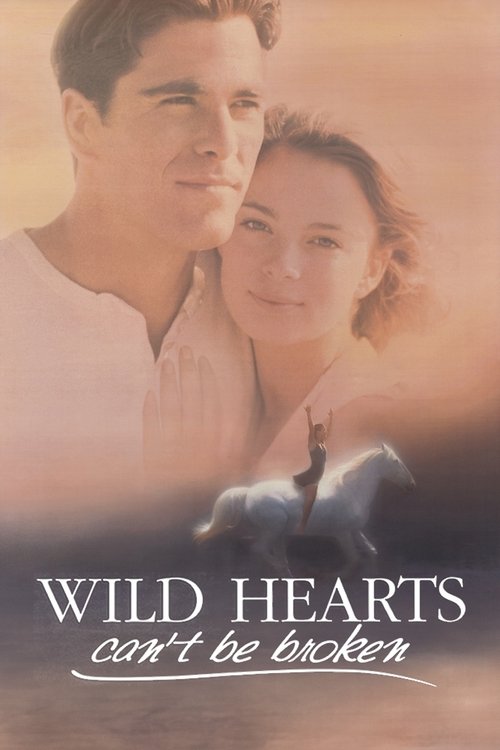
Wild Hearts Can't Be Broken
Drama · 1991
A runaway orphan, young Sonora, persists in a menial job mucking stables in Doc Carver's travelling stunt show. Her great wish is to become a death-defying "diving girl," but Doc refuses her pleas. Undaunted, Sonora's gutsy resolve finally convinces him to give her a break. On the brink of stardom, however, a cruel twist of fate threatens to destroy her dream.
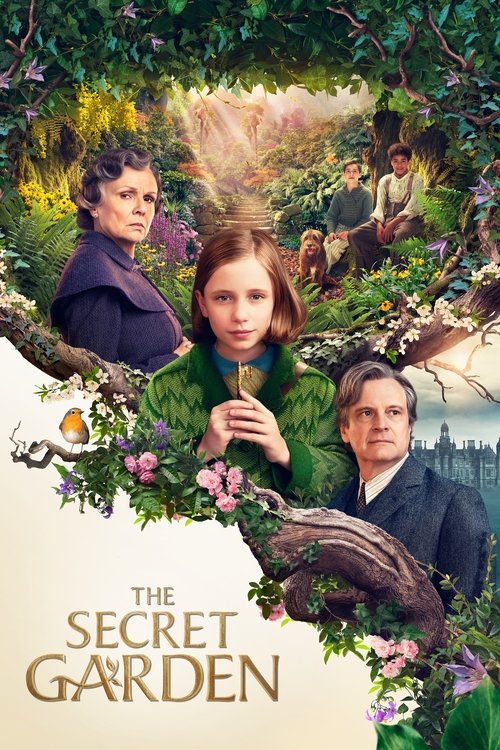
The Secret Garden
Family · 2020
Mary Lennox is born in India to wealthy British parents who never wanted her. When her parents suddenly die, she is sent back to England to live with her uncle. She meets her sickly cousin, and the two children find a wondrous secret garden lost in the grounds of Misselthwaite Manor.
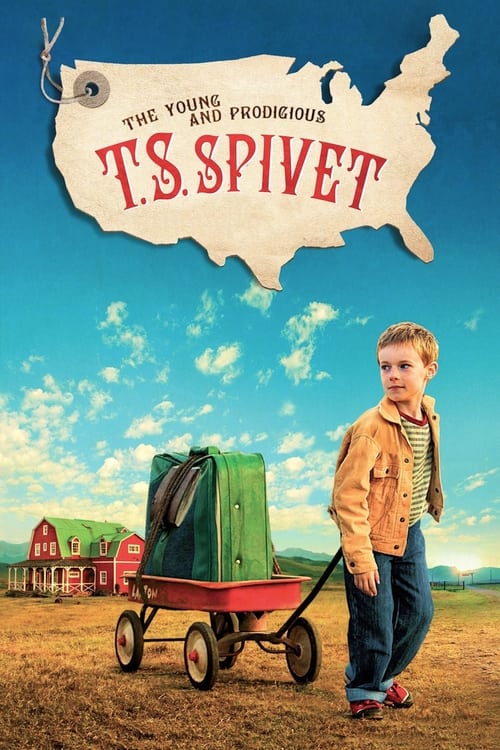
The Young and Prodigious T.S. Spivet
Adventure · 2013
A 10-year-old child prodigy cartographer secretly leaves his family's ranch in Montana where he lives with his cowboy father and scientist mother and travels across the country on board a freight train to receive an award at the Smithsonian Institute.

Black Beauty
Family · 1994
The fates of horses, and the people who own and command them, are revealed as Black Beauty narrates the circle of his life.
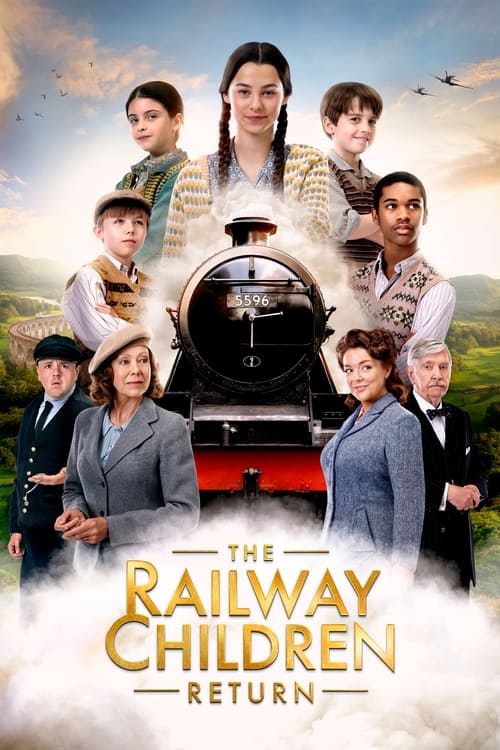
The Railway Children Return
Drama · 2022
Follow a group of children who are evacuated to a Yorkshire village during the Second World War, where they encounter a young soldier who, like them, is far away from home.
Cinema release signals and current streaming, rental, and purchase options for your region.
Streaming availability data supplied by JustWatch.
Cast & crew
Directed by
Lionel Jeffries
Written by
Lionel Jeffries · Robert Lynn

Dinah Sheridan
Mrs. Waterbury

Bernard Cribbins
Albert Perks

William Mervyn
Old Gentleman

Iain Cuthbertson
Charles Waterbury

Jenny Agutter
Roberta 'Bobbie' Waterbury

Sally Thomsett
Phyllis Waterbury

Gary Warren
Peter Waterbury
Two incompatible taste archetypes. One film. Read the arguments, then issue a completely binding cultural ruling.
“Sincerity is not manipulation.”
The film risks embarrassment to make emotion communal, and that openness is harder than fashionable detachment.
“The strings are showing.”
Every cue tells you exactly what to feel and when, leaving sentiment to do the work character should have done.