The defence The Prestige Tourist
“Sincerity is not manipulation.”
The film risks embarrassment to make emotion communal, and that openness is harder than fashionable detachment.
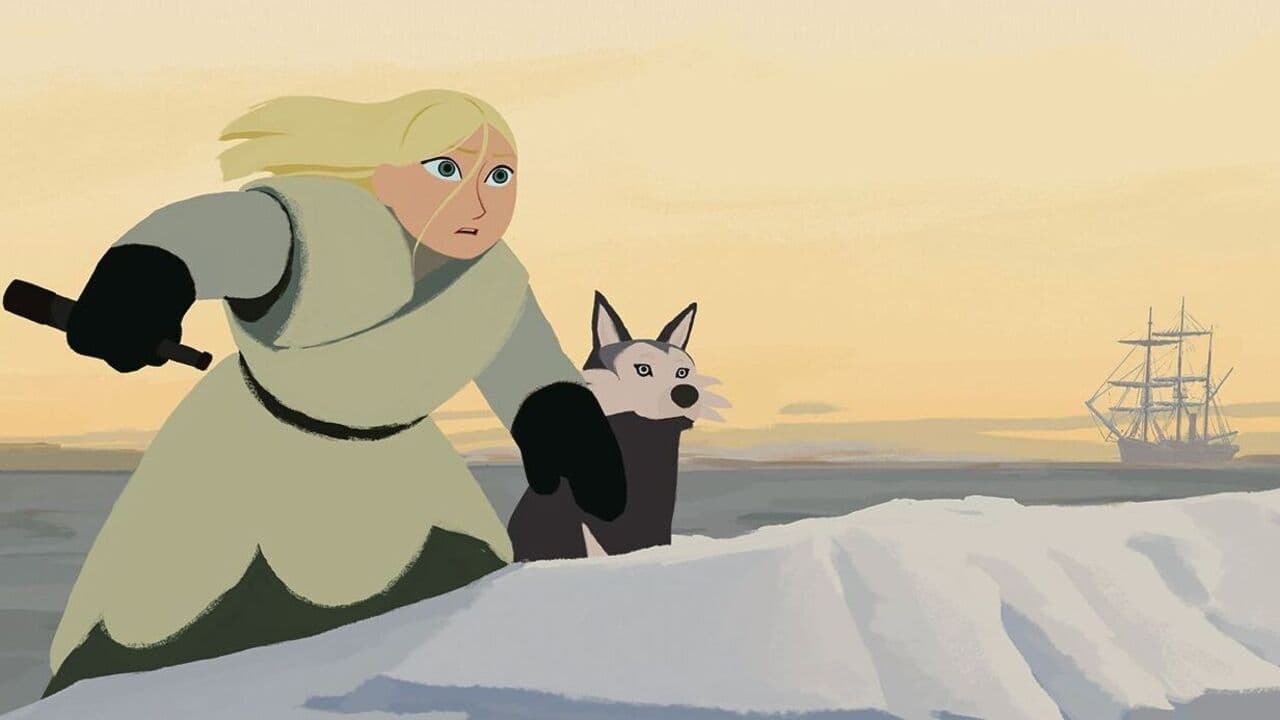

Long Way North
Adventure · Animation · Drama · 2015
In 1892 Saint Petersburg, when her explorer grandfather's failure to return from his latest expedition brings dishonour to her aristocratic family, a resilient teenager runs away to follow in his trail in search of his famed ship.
Critical arithmetic
Scores change. Arguments endure.
TMDB
7.4 / 10
Community rating
In 1892 Saint Petersburg, when her explorer grandfather's failure to return from his latest expedition brings dishonour to her aristocratic family, a resilient teenager runs away to follow in his trail in search of his famed ship.
Not a recommendation score. A measure of how closely the film’s taste signals resemble yours.
The archetype split
The Prestige Tourist
“You like your greatness pre-approved.”
Read their caseThe Popcorn Loyalist
“Big screen, big feelings, no apologies.”
Read their objectionThe split comes from the same five-axis model used by the test, not audience ratings or review sentiment.
TMDB supplies the candidates. CriticWise reorders them by craft, strangeness, prestige, emotion, and pace.

Remi, Nobody's Boy
Adventure · 2018
At the age of 10 years, young Rémi is snatched from his adoptive mother and entrusted to the signor Vitalis, a mysterious itinerant musician. Has its hard sides - he will learn the harsh life of acrobat and sing to win his bread. Accompanied by the faithful dog capi and of the small monkey Joli-Coeur, his long trip through France, made for meetings, friendships and mutual assistance, leads him to the secret of its origins.

Hilda and the Mountain King
Animation · 2021
When Hilda wakes up in the body of a troll, she must use her wits and courage to get back home, become human again — and save the city of Trolberg.

Pachamama
Adventure · 2018
A young boy living in a remote village in the Andes Mountains dreams of becoming shaman.

True Spirit
Adventure · 2023
When the tenacious young sailor Jessica Watson sets out to be the youngest person to sail solo, nonstop and unassisted around the world, many expect her to fail. With the support of her sailing coach and mentor Ben Bryant and her parents, Jessica is determined to accomplish what was thought to be impossible, navigating some of the world’s most challenging stretches of ocean over the course of 210 days.

The Last Mimzy
Drama · 2007
Two siblings begin to develop special talents after they find a mysterious box of toys, and soon their parents and even their teacher are drawn into a strange new world – and find a task ahead of them that is far more important than any of them could imagine.
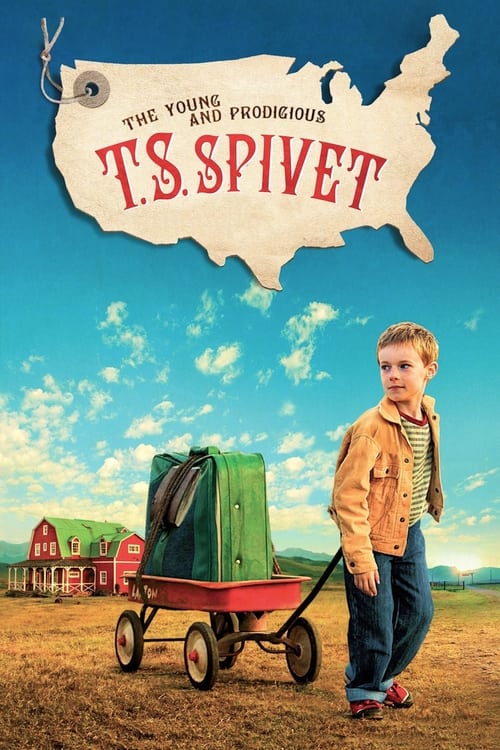
The Young and Prodigious T.S. Spivet
Adventure · 2013
A 10-year-old child prodigy cartographer secretly leaves his family's ranch in Montana where he lives with his cowboy father and scientist mother and travels across the country on board a freight train to receive an award at the Smithsonian Institute.
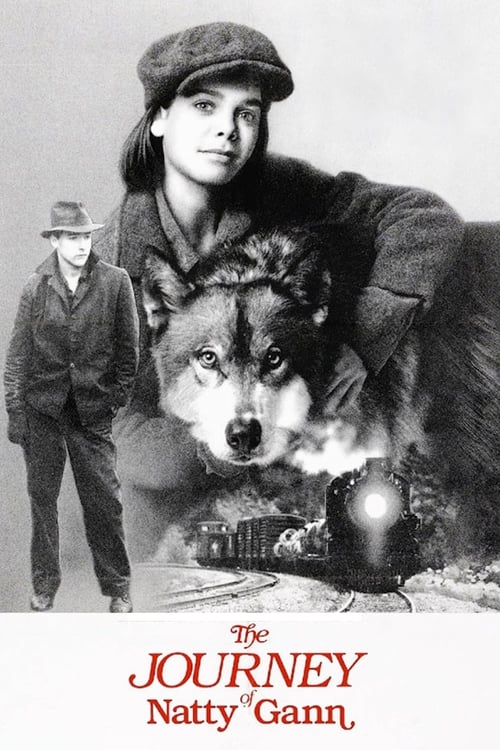
The Journey of Natty Gann
Adventure · 1985
America is in the depths of the Great Depression. Families drift apart when faraway jobs beckon. A courageous young girl confronts overwhelming odds when she embarks on a cross-country search for her father. During her odyssey, she forms a close bond with two diverse traveling companions: a magnificent, protective wolf, and a hardened drifter.

Thomas & Friends: Big World! Big Adventures! The Movie
Family · 2018
Thomas leaves Sodor to fulfil his dream of seeing the world. This heroic quest takes Thomas across deserts, through jungles and over dangerous mountains as he travels across five continents seeing sights he has never seen before.
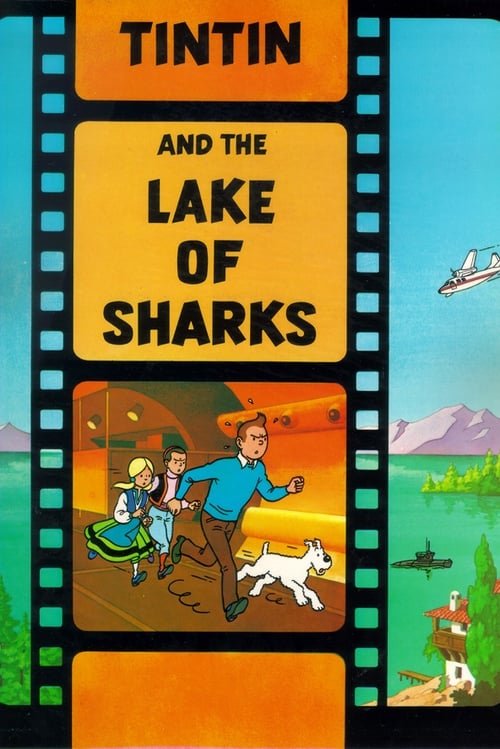
Tintin and the Lake of Sharks
Adventure · 1972
Tintin and Captain Haddock are sent to guard Professor Calculus, who has invented a machine that can duplicate anything, and is staying in a village near the border of Syldavia and Borduria. However, an infamous and ruthless international criminal tries to lure Calculus and Tintin away by kidnapping two children, who live nearby, in order to get his clutches on the machine.

The Brave Little Toaster
Animation · 1987
A group of dated appliances, finding themselves stranded in a summer home that their family had just sold, decide to seek out their eight year old 'master'.
Cinema release signals and current streaming, rental, and purchase options for your region.
Streaming availability data supplied by JustWatch.
Cast & crew
Directed by
Rémi Chayé
Written by
Fabrice de Costil · Patricia Valeix · Claire Paoletti

Christa Théret
Sasha (voice)

Féodor Atkine
Oloukine (voice)

Audrey Sablé
Nadya (voice)

Thomas Sagols
Katch (voice)

Rémi Caillebot
Larson (voice)

Loïc Houdré
Lund (voice)
Fabien Briche
Tomsky (voice)
Two incompatible taste archetypes. One film. Read the arguments, then issue a completely binding cultural ruling.
“Sincerity is not manipulation.”
The film risks embarrassment to make emotion communal, and that openness is harder than fashionable detachment.
“The strings are showing.”
Every cue tells you exactly what to feel and when, leaving sentiment to do the work character should have done.