The defence The Prestige Tourist
“Sincerity is not manipulation.”
The film risks embarrassment to make emotion communal, and that openness is harder than fashionable detachment.
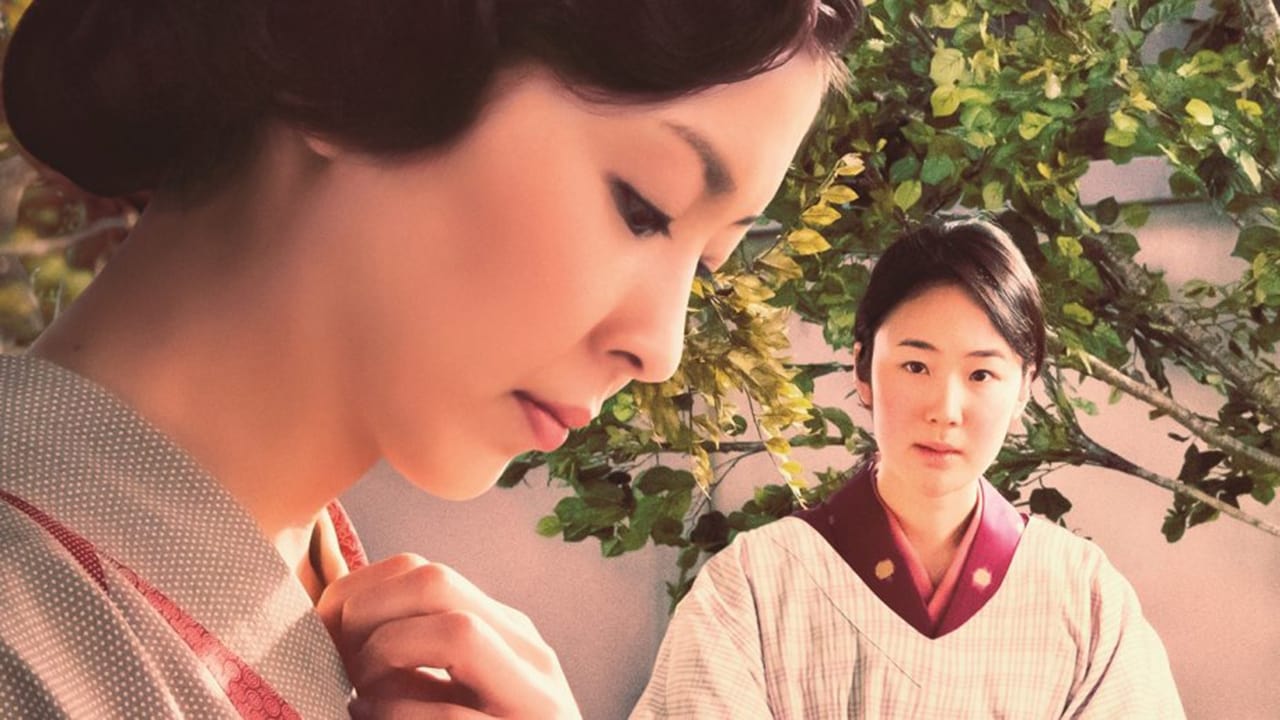

The Little House
Romance · Drama · 2014
Following the death of the unmarried and childless Taki, Takeshi, a young relative of hers, discovers several pages of closely written lines in which the old lady has recorded her memories. This is how he learns the truth about her youth working as a housemaid and nanny for the Hirai family in a little house in Tokyo with a red gabled roof.
Critical arithmetic
Scores change. Arguments endure.
TMDB
6.8 / 10
Community rating
Following the death of the unmarried and childless Taki, Takeshi, a young relative of hers, discovers several pages of closely written lines in which the old lady has recorded her memories. This is how he learns the truth about her youth working as a housemaid and nanny for the Hirai family in a little house in Tokyo with a red gabled roof.
Not a recommendation score. A measure of how closely the film’s taste signals resemble yours.
The archetype split
The Prestige Tourist
“You like your greatness pre-approved.”
Read their caseThe Popcorn Loyalist
“Big screen, big feelings, no apologies.”
Read their objectionThe split comes from the same five-axis model used by the test, not audience ratings or review sentiment.
TMDB supplies the candidates. CriticWise reorders them by craft, strangeness, prestige, emotion, and pace.
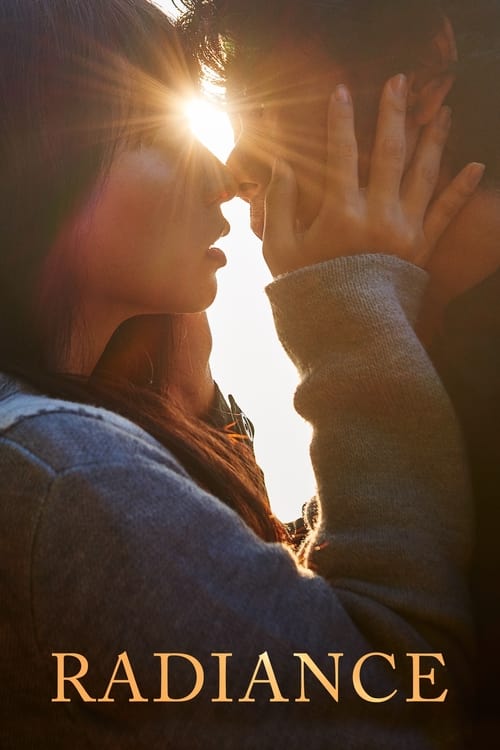
Radiance
Romance · 2017
The story follows the social intercourse between a cameraman, Masaya, with a visual impairment, and Misako who disconnects from the world.

My Tomorrow, Your Yesterday
Romance · 2016
Takatoshi Minamiyama majors in art at an university in Kyoto. On the train to the school, he sees Emi Fukuju and falls in love with her at first sight. Gathering up all his courage, he speaks to her. They begin to date and enjoy happy days together, but Emi reveals her secret to him.

Even If This Love Disappears Tonight
Romance · 2022
A high school girl wakes up each day with no memory of the day before. When she agrees to date a shy classmate, Toru, he begins to fall for her—despite her rule against falling in love.

Closest Love to Heaven
Romance · 2017
When Ninon finds out that her neighbor and popular classmate Yuiji Kira only has one year to live, she decides to go out of her way and help him attain happiness on his remaining time.

Love Everlasting
Romance · 2016
Bridger is a young outsider who's always wanted more. He and his mother flee an abusive home, eventually finding a small town in the middle of nowhere. Once there, Bridger finds true acceptance with another misfit.

All My Life
Romance · 2020
It was a chance meeting started by one of Sol’s friends trying to chat up Jennifer. However, in the end, it was those two who hit it off. Sol enjoyed Jen’s smile, her effort, and how silly she could be. Jen enjoyed Sol’s cooking, his athleticism, and that he would join her in fun moments. As you can imagine, love bloomed, and things got serious. Jen’s investment in Sol led to her pushing him to follow his dreams and even move in to save money. Sol’s investment in Jen well, it led to him proposing. But what started as a liver tumor grew into full-on cancer, so with a diagnosis of 6 months to live, Sol and Jennifer try to make the best of it.
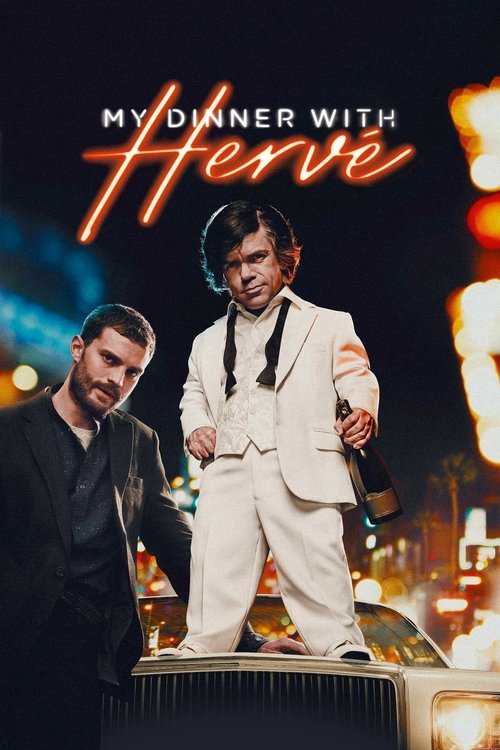
My Dinner with Hervé
Drama · 2018
An unlikely friendship evolves over one wild night in LA between a struggling journalist and actor Hervé Villechaize, the world's most famous gun-toting dwarf, resulting in life-changing consequences for both.

Turtles All the Way Down
Drama · 2024
Aza confronts her potential for love, happiness, friendship, and hope while navigating an endless barrage of invasive, obsessive thoughts.

Breathe
Drama · 2017
Based on the true story of Robin, a handsome, brilliant and adventurous man whose life takes a dramatic turn when polio leaves him paralyzed.

The Secret: Dare to Dream
Drama · 2020
A widow with three children hires a handyman to fix her house during a major storm. When not doing home repairs, he shares his philosophy of believing in the power of the universe to deliver what we want.
Cinema release signals and current streaming, rental, and purchase options for your region.
Streaming availability data supplied by JustWatch.
Cast & crew
Directed by
Yoji Yamada
Written by
Yoji Yamada · Emiko Hiramatsu

Takako Matsu
Tokiko Hirai

Haru Kuroki
Taki Nunomiya

Satoshi Tsumabuki
Takeshi

Chieko Baisho
Taki Nunomiya

Yui Natsukawa
Yasuko Arai

Yukijiro Hotaru
Liquor Store Old Man
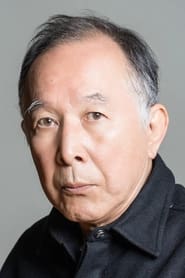
Isao Hashizume
Elementary School Teacher
Two incompatible taste archetypes. One film. Read the arguments, then issue a completely binding cultural ruling.
“Sincerity is not manipulation.”
The film risks embarrassment to make emotion communal, and that openness is harder than fashionable detachment.
“The strings are showing.”
Every cue tells you exactly what to feel and when, leaving sentiment to do the work character should have done.