The defence The Sentimental Softie
“Sincerity is not manipulation.”
The film risks embarrassment to make emotion communal, and that openness is harder than fashionable detachment.
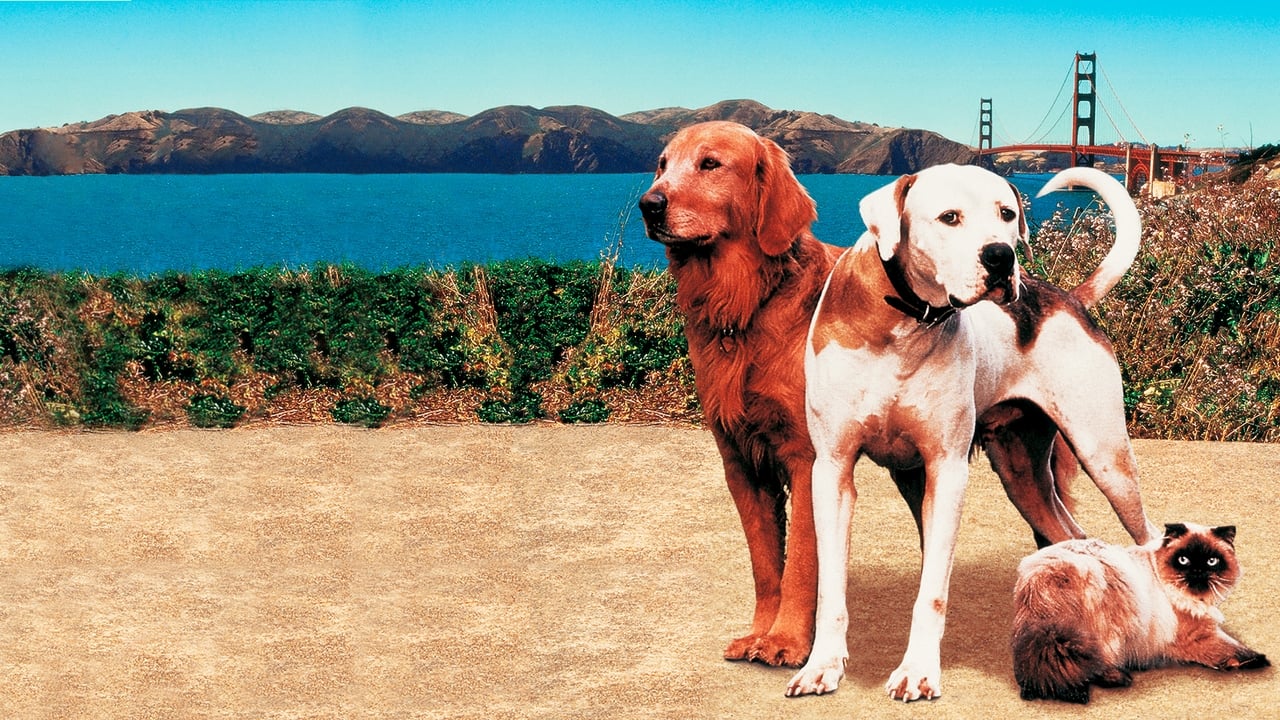
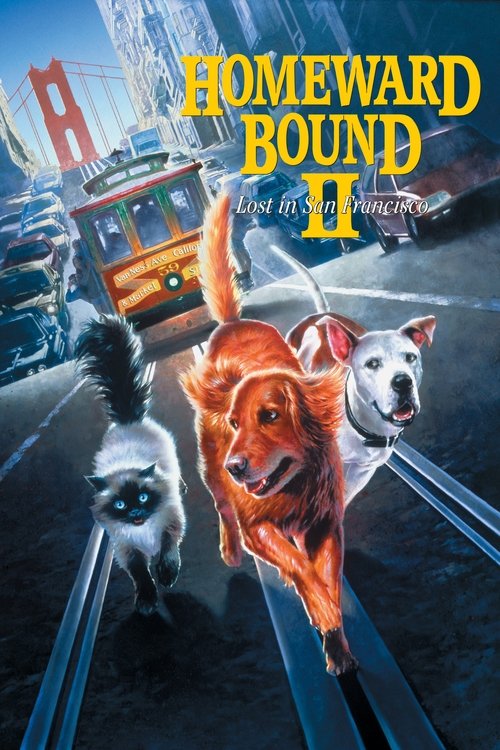
Homeward Bound II: Lost in San Francisco
Adventure · Comedy · Drama · 1996
When the pets accidentally get separated from their vacationing owners, Chance, Shadow, and Sassy navigate the mean streets of San Francisco, trying to find their home across the Golden Gate Bridge. But the road is blocked by a series of hazards, both man and beast.
“Your favorite talking animals are back!”
Critical arithmetic
Scores change. Arguments endure.
TMDB
6.6 / 10
Community rating
When the pets accidentally get separated from their vacationing owners, Chance, Shadow, and Sassy navigate the mean streets of San Francisco, trying to find their home across the Golden Gate Bridge. But the road is blocked by a series of hazards, both man and beast.
Not a recommendation score. A measure of how closely the film’s taste signals resemble yours.
The archetype split
The Sentimental Softie
“You came to feel something, and you will.”
Read their caseThe Cool Ironist
“Feeling things is a little embarrassing.”
Read their objectionThe split comes from the same five-axis model used by the test, not audience ratings or review sentiment.
TMDB supplies the candidates. CriticWise reorders them by craft, strangeness, prestige, emotion, and pace.

The Fox and the Hound
Adventure · 1981
When a feisty little fox named Tod is adopted into a farm family, he quickly becomes friends with a fun and adorable hound puppy named Copper. Life is full of hilarious adventures until Copper is expected to take on his role as a hunting dog -- and the object of his search is his best friend!

Gracie & Pedro: Pets to the Rescue
Animation · 2024
Family frenemies, Gracie and Pedro, must put their differences aside, embarking on a thrilling quest packed with perilous escapades in order to reunite with their owners.
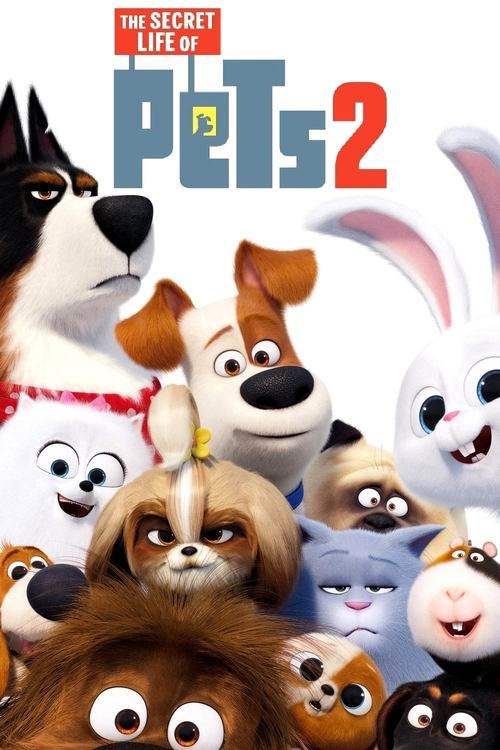
The Secret Life of Pets 2
Animation · 2019
Max the terrier must cope with some major life changes when his owner gets married and has a baby. When the family takes a trip to the countryside, nervous Max has numerous run-ins with canine-intolerant cows, hostile foxes and a scary turkey. Luckily for Max, he soon catches a break when he meets Rooster, a gruff farm dog who tries to cure the lovable pooch of his neuroses.
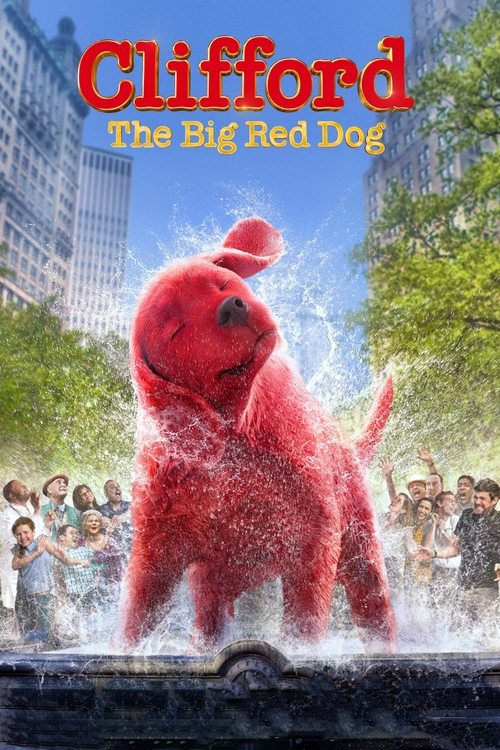
Clifford the Big Red Dog
Family · 2021
As Emily struggles to fit in at home and at school, she discovers a small red puppy who is destined to become her best friend. When Clifford magically undergoes one heck of a growth spurt, becomes a gigantic dog and attracts the attention of a genetics company, Emily and her Uncle Casey have to fight the forces of greed as they go on the run across New York City. Along the way, Clifford affects the lives of everyone around him and teaches Emily and her uncle the true meaning of acceptance and unconditional love.
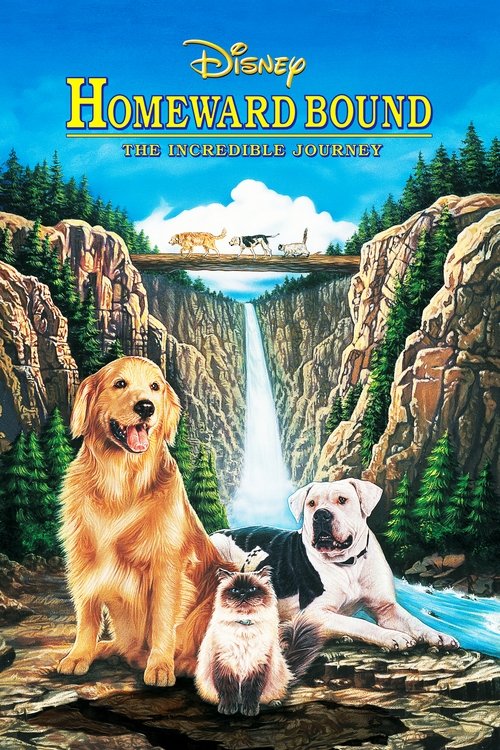
Homeward Bound: The Incredible Journey
Adventure · 1993
Before the Seavers leave for a family vacation to San Francisco, they drop off their pets -- Chance, an adventurous American bulldog; Shadow, a wise golden retriever; and Sassy, a cautious cat -- at a friend's ranch. But when the animals start to worry that they've been left for good, the three embark together on a treacherous and thrilling journey to find their way back home through the California wilderness.
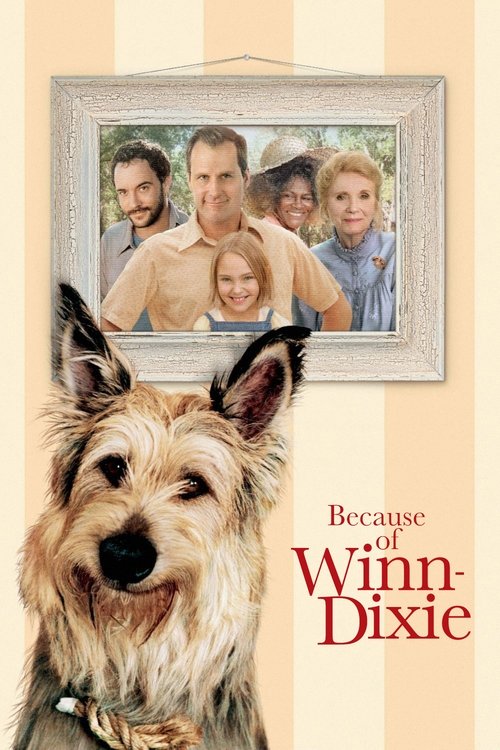
Because of Winn-Dixie
Family · 2005
A girl, abandoned by her mother when she was three, moves to a small town in Florida with her father. There, she adopts an orphaned dog she names Winn-Dixie. The bond between the girl and her special companion brings together the people in a small Florida town and heals her own troubled relationship with her father.
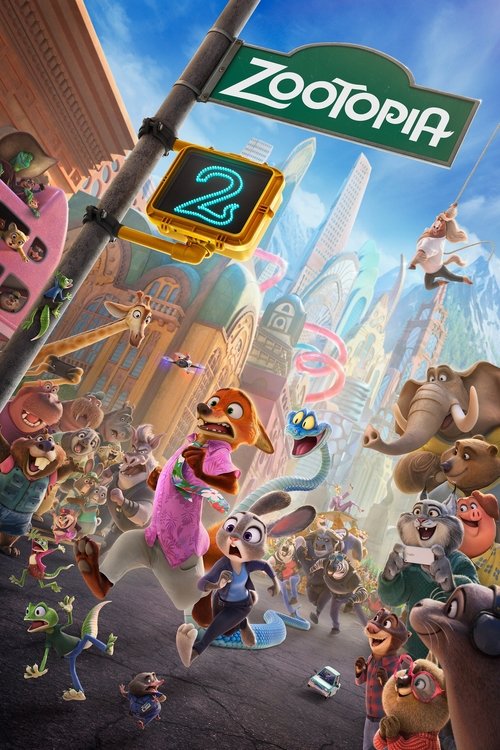
Zootopia 2
Animation · 2025
After cracking the biggest case in Zootopia's history, rookie cops Judy Hopps and Nick Wilde find themselves on the twisting trail of a great mystery when Gary De'Snake arrives and turns the animal metropolis upside down. To crack the case, Judy and Nick must go undercover to unexpected new parts of town, where their growing partnership is tested like never before.
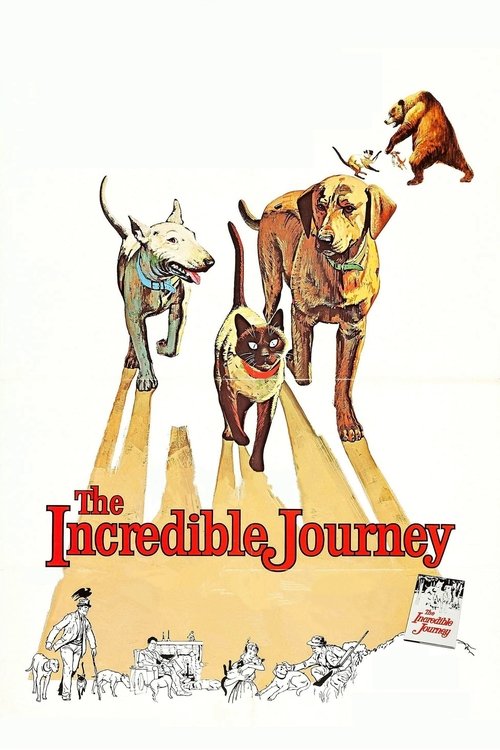
The Incredible Journey
Adventure · 1963
The story of three pets, a cat and two dogs, who lose their owners when they are all on vacation. Can they find their way home?
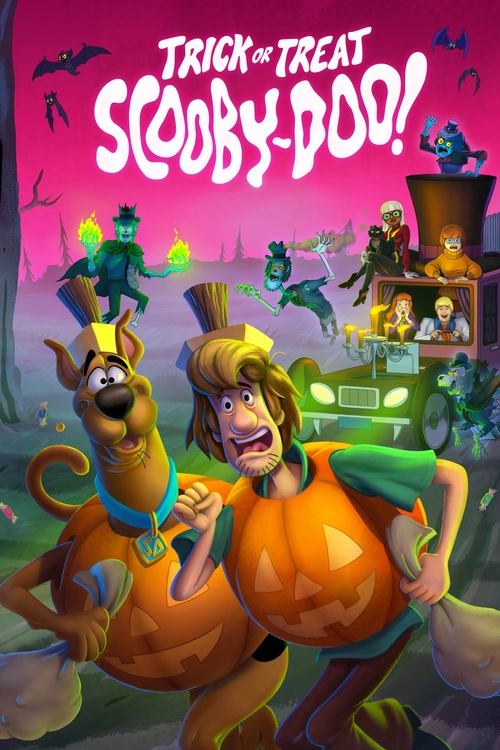
Trick or Treat Scooby-Doo!
Adventure · 2022
Mystery Inc. has cracked the case to top all cases! They’ve tracked down Coco Diablo, the head of a notorious costume crime syndicate. With Coco and her kitty in prison, Mystery Inc. thinks that they can finally enjoy a break. Wrong! Suddenly, menacing doppelgänger ghosts of the Scooby crew and favorite classic foes show up in Coolsville to threaten Halloween. Now it’s up to the meddling kids to unmask the latest scoundrel and save Halloween!

Hey Arnold! The Jungle Movie
Family · 2018
When their trip to San Lorenzo takes a turn for the worst, Arnold and his classmate’s only hope of getting home is retracing the dangerous path that led to Arnold's parents' disappearance.
Cinema release signals and current streaming, rental, and purchase options for your region.
Streaming availability data supplied by JustWatch.
Cast & crew
Directed by
David R. Ellis
Written by
Julie Hickson · Chris Hauty

Michael J. Fox
Chance (voice)

Sally Field
Sassy (voice)

Ralph Waite
Shadow (voice)

Robert Hays
Bob Seaver

Kim Greist
Laura Burnford-Seaver

Michael Bell
Stokey (voice)

Tisha Campbell
Sledge (voice)
Two incompatible taste archetypes. One film. Read the arguments, then issue a completely binding cultural ruling.
“Sincerity is not manipulation.”
The film risks embarrassment to make emotion communal, and that openness is harder than fashionable detachment.
“The strings are showing.”
Every cue tells you exactly what to feel and when, leaving sentiment to do the work character should have done.