The defence The Sentimental Softie
“Sincerity is not manipulation.”
The film risks embarrassment to make emotion communal, and that openness is harder than fashionable detachment.
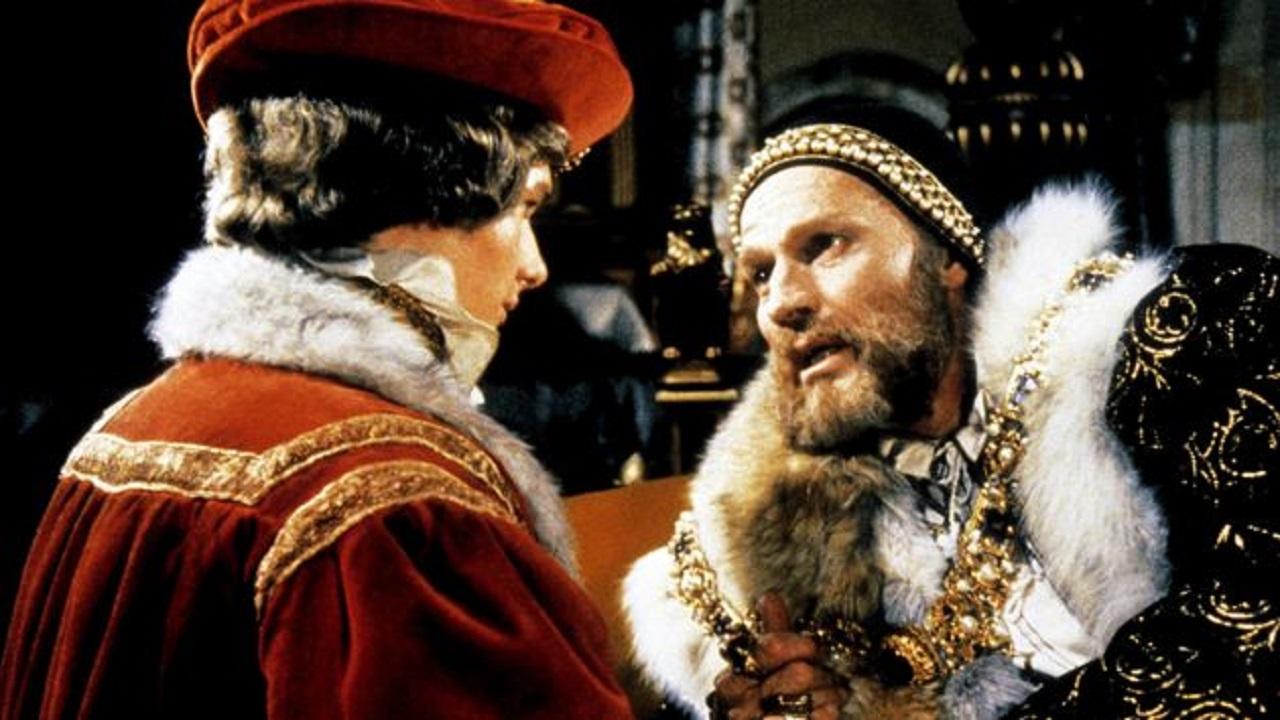

The Prince and the Pauper
Drama · Adventure · 1977
Tom Canty is a poor English boy who bears a remarkable resemblance to Edward, Prince of Wales and son of King Henry VIII. The two boys meet and decide to play a joke on the court by dressing in each other's clothes, but the plan goes awry when they're separated and each must live the other's life.
Critical arithmetic
Scores change. Arguments endure.
TMDB
6.1 / 10
Community rating
Tom Canty is a poor English boy who bears a remarkable resemblance to Edward, Prince of Wales and son of King Henry VIII. The two boys meet and decide to play a joke on the court by dressing in each other's clothes, but the plan goes awry when they're separated and each must live the other's life.
Not a recommendation score. A measure of how closely the film’s taste signals resemble yours.
The archetype split
The Sentimental Softie
“You came to feel something, and you will.”
Read their caseThe Cool Ironist
“Feeling things is a little embarrassing.”
Read their objectionThe split comes from the same five-axis model used by the test, not audience ratings or review sentiment.
TMDB supplies the candidates. CriticWise reorders them by craft, strangeness, prestige, emotion, and pace.
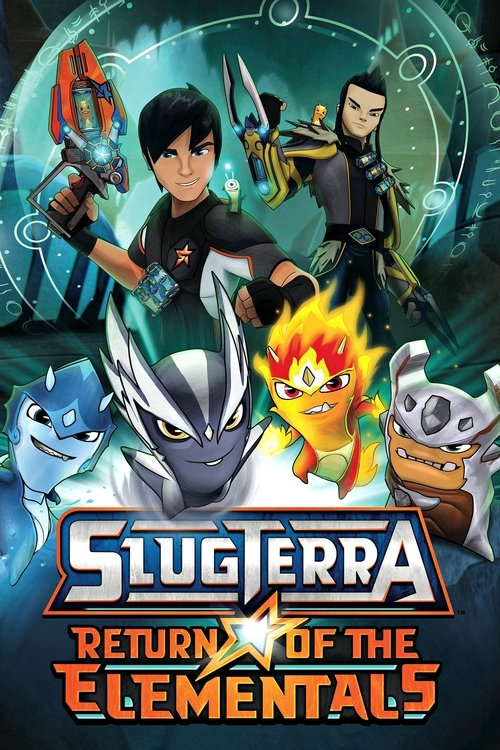
SlugTerra: Return of the Elementals
Family · 2014
A new member has joined Eli and the Shane Gang! Junjie, once the protector of the Eastern Caverns, is a master of the slugslinging art of Slug Fu! But even with the power of five slingers, the Shane Gang find themselves in over their heads as they race across The 99 Caverns in search of the Legendary Elemental Slugs. The five Elementals are ancient slugs of great power, and the forbearers of all slugs found in SlugTerra today. In the wrong hands, they could bring Slugterra to the brink of destruction. So when an evil alliance starts hunting down the Elementals, Eli and his friends — old and new — take off in pursuit of the greatest threat their world has ever faced!
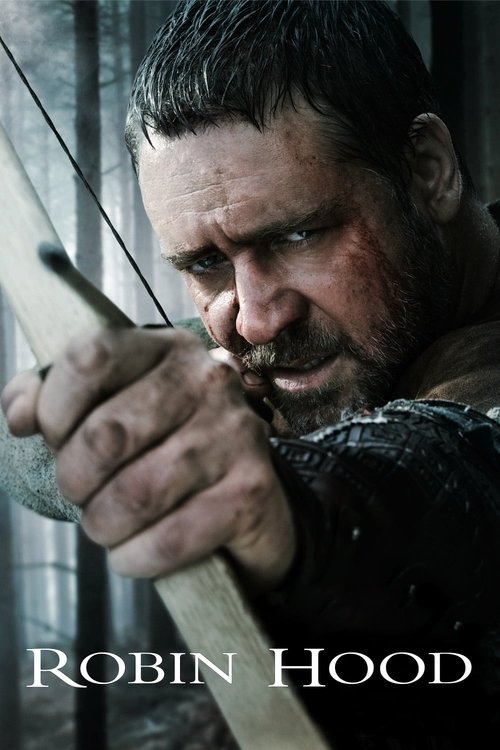
Robin Hood
Action · 2010
When soldier Robin happens upon the dying Robert of Loxley, he promises to return the man's sword to his family in Nottingham. There, he assumes Robert's identity; romances his widow, Marion; and draws the ire of the town's sheriff and King John's henchman, Godfrey.
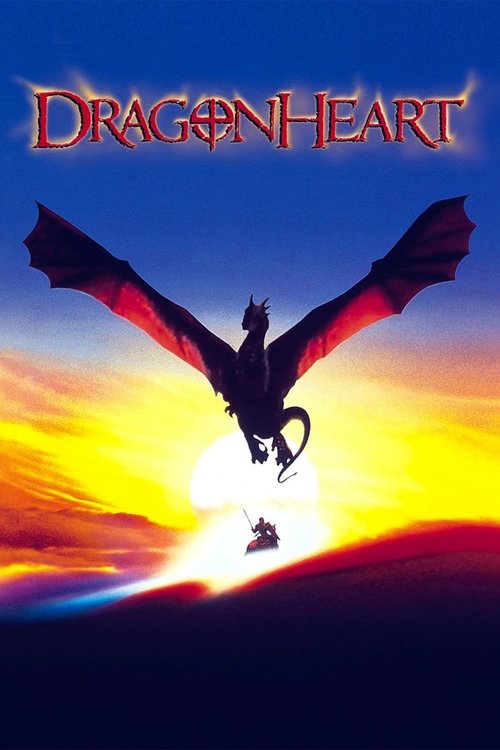
DragonHeart
Fantasy · 1996
In an ancient time when majestic fire-breathers soared through the skies, a knight named Bowen comes face to face and heart to heart with the last dragon on Earth, Draco. Taking up arms to suppress a tyrant king, Bowen soon realizes his task will be harder than he'd imagined: If he kills the king, Draco will die as well.
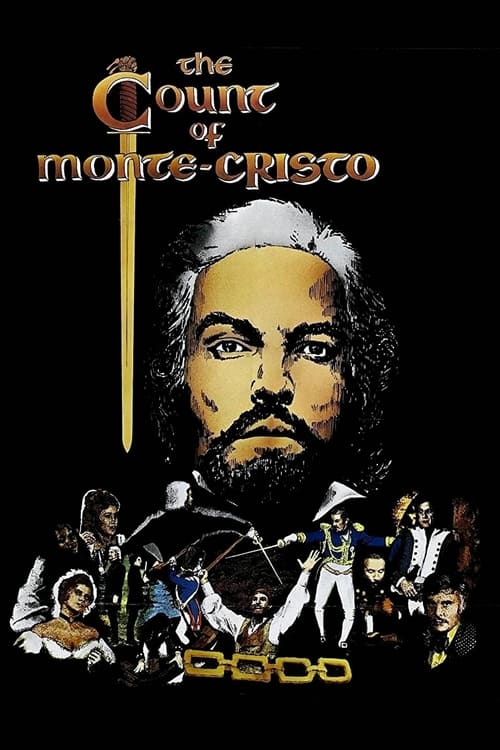
The Count of Monte-Cristo
Adventure · 1975
Young sailor Edmond Dantès is wrongfully imprisoned, escapes, finds treasure, and reinvents himself as the wealthy Count of Monte Cristo to exact revenge on those who betrayed him.
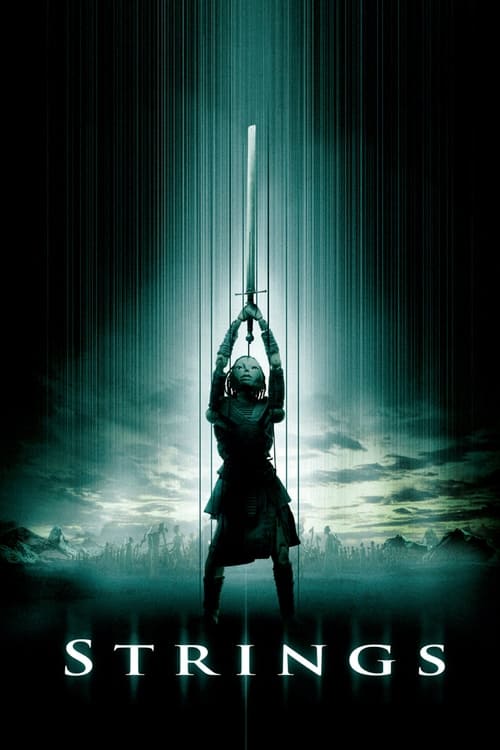
Strings
Adventure · 2004
The story of Prince Hal who sets out to avenge his dead father against the city's rivals, the Zeriths, little knowing it was his wicked uncle Nezo who is the real killer, with his own designs on the throne.
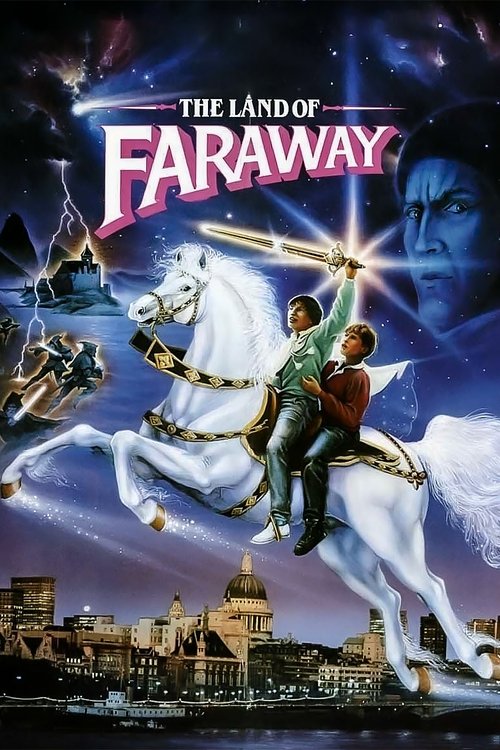
Mio in the Land of Faraway
Adventure · 1987
Under the watch of his unkind realtives, lonely Bosse's luck is changed when he is sent to the land where his real father is the King. In that country, he sets out on a quest, together with his new friend, to destroy the evil Knight Kato.
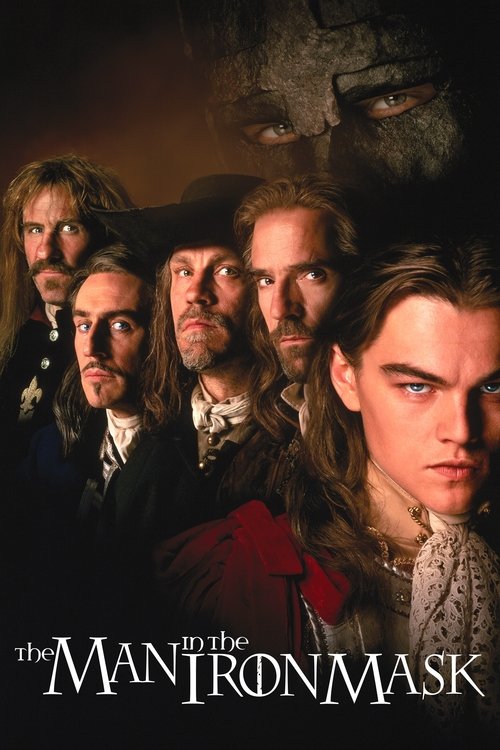
The Man in the Iron Mask
Adventure · 1998
Years have passed since the Three Musketeers, Aramis, Athos and Porthos, have fought together with their friend, D'Artagnan. But with the tyrannical King Louis using his power to wreak havoc in the kingdom while his twin brother, Philippe, remains imprisoned, the Musketeers reunite to abduct Louis and replace him with Philippe.
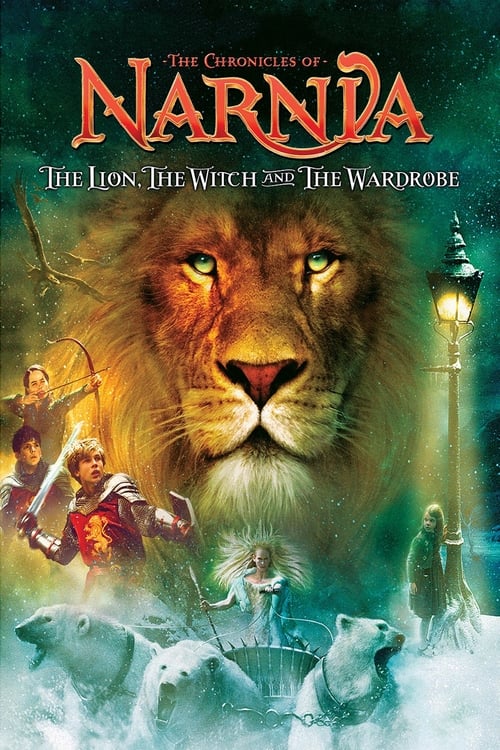
The Chronicles of Narnia: The Lion, the Witch and the Wardrobe
Adventure · 2005
Four kids travel through a wardrobe to the land of Narnia and learn of their destiny to free it with the guidance of a mystical lion.
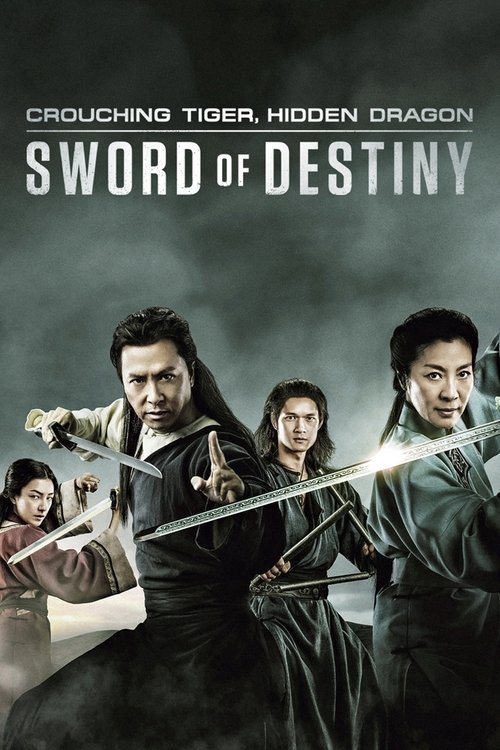
Crouching Tiger, Hidden Dragon: Sword of Destiny
Action · 2016
A story of lost love, young love, a legendary sword and one last opportunity at redemption.
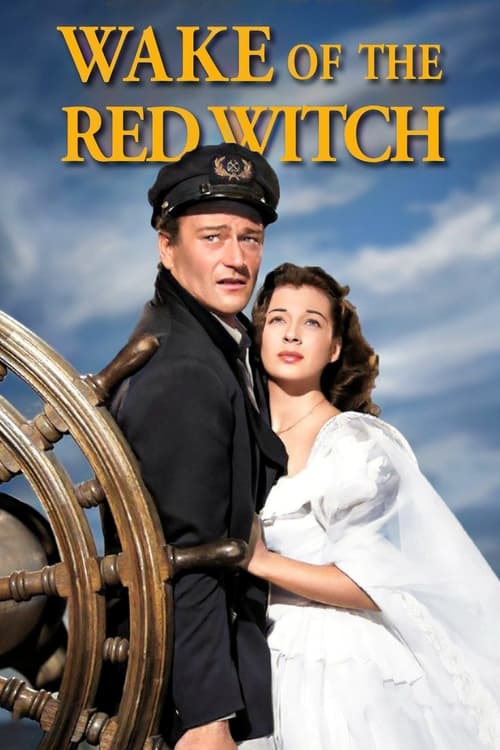
Wake of the Red Witch
Adventure · 1948
Captain Ralls fights Dutch shipping magnate Mayrant Sidneye for the woman he loves, Angelique Desaix, and for a fortune in gold aboard the Red Witch.
Cinema release signals and current streaming, rental, and purchase options for your region.
Streaming availability data supplied by JustWatch.
Cast & crew
Directed by
Richard Fleischer
Written by
Pierre Spengler · Berta Domínguez D. · George MacDonald Fraser

Mark Lester
Prince Edward / Tom Canty

Oliver Reed
Miles Hendon

Charlton Heston
Henry VIII

David Hemmings
Hugh Hendon

Ernest Borgnine
John Canty

George C. Scott
The Ruffler
Harry Andrews
Hertford
Two incompatible taste archetypes. One film. Read the arguments, then issue a completely binding cultural ruling.
“Sincerity is not manipulation.”
The film risks embarrassment to make emotion communal, and that openness is harder than fashionable detachment.
“The strings are showing.”
Every cue tells you exactly what to feel and when, leaving sentiment to do the work character should have done.