The defence The Prestige Tourist
“Sincerity is not manipulation.”
The film risks embarrassment to make emotion communal, and that openness is harder than fashionable detachment.
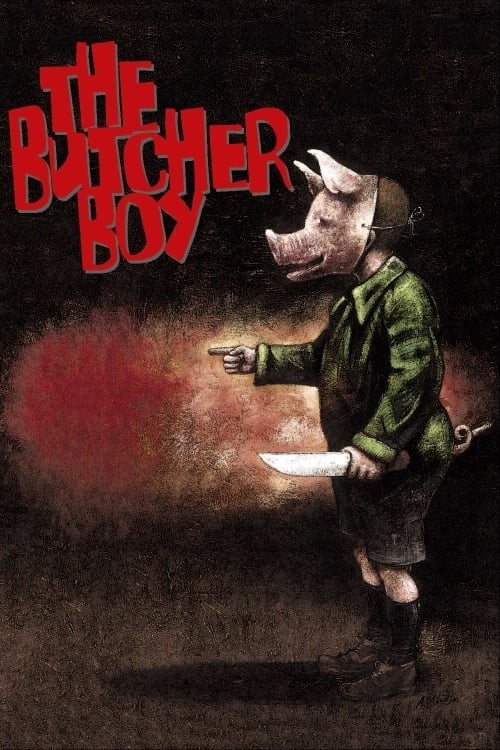
The Butcher Boy
Comedy · Drama · 1998
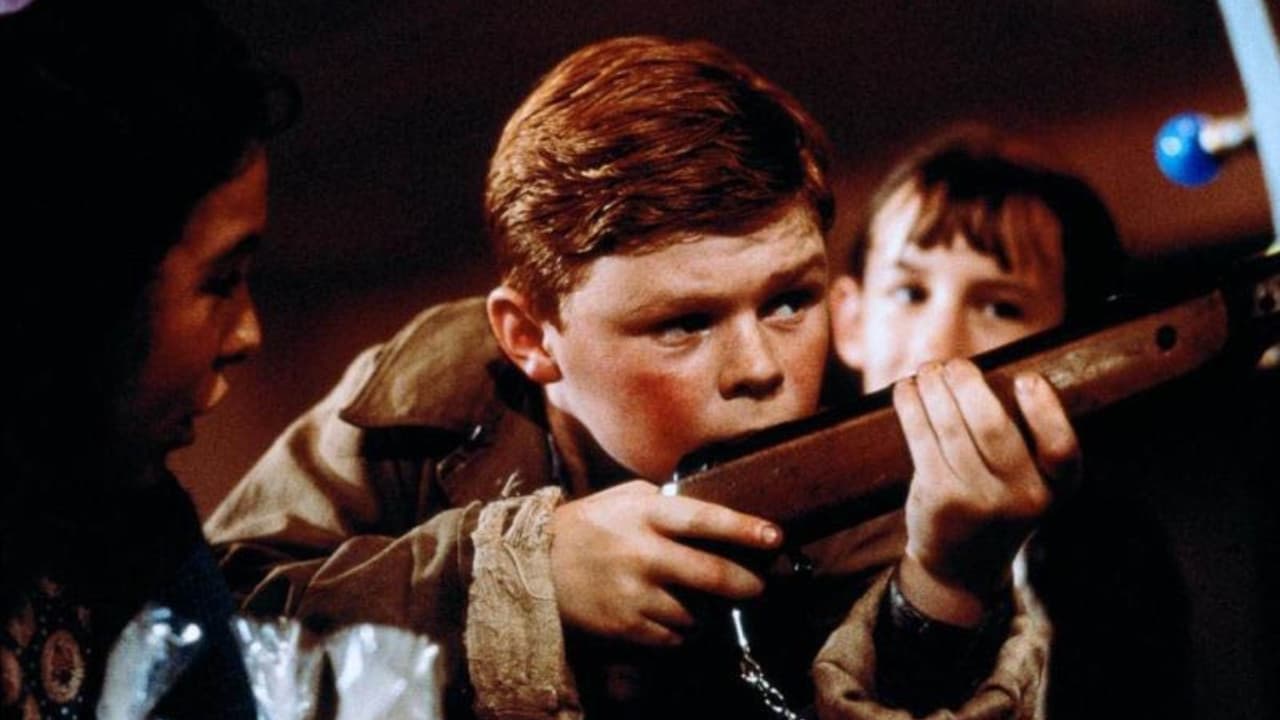
Francie and Joe live the usual playful, fantasy filled childhoods of normal boys. However, with a violent, alcoholic father and a manic depressive, suicidal mother the pressure on Francie to grow up are immense. When Francie's world turns to madness, he tries to counter it with further insanity, with dire consequences.
“This little piggy laughed all the way home!”
Critical arithmetic
Scores change. Arguments endure.
TMDB
6.8 / 10
Community rating
Francie and Joe live the usual playful, fantasy filled childhoods of normal boys. However, with a violent, alcoholic father and a manic depressive, suicidal mother the pressure on Francie to grow up are immense. When Francie's world turns to madness, he tries to counter it with further insanity, with dire consequences.
Not a recommendation score. A measure of how closely the film’s taste signals resemble yours.
The archetype split
The Prestige Tourist
“You like your greatness pre-approved.”
Read their caseThe Popcorn Loyalist
“Big screen, big feelings, no apologies.”
Read their objectionThe split comes from the same five-axis model used by the test, not audience ratings or review sentiment.
TMDB supplies the candidates. CriticWise reorders them by craft, strangeness, prestige, emotion, and pace.

Barney's Version
Comedy · 2010
The picaresque and touching story of the politically incorrect, fully lived life of the impulsive, irascible and fearlessly blunt Barney Panofsky.

Juniper
Drama · 2021
When a self-destructive teenager is suspended from school and asked to look after his feisty alcoholic grandmother as a punishment, the crazy time they spend together turns his life around.

Imaginary Heroes
Comedy · 2004
Matt Travis is good-looking, popular, and his school's best competitive swimmer, so everyone is shocked when he inexplicably commits suicide. As the following year unfolds, each member of his family struggles to recover from the tragedy with mixed results.

The Chumscrubber
Comedy · 2005
The Chumscrubber is a dark comedy about the lives of people who live in upper-class suburbia. It all begins when Dean Stiffle finds the body of his friend, Troy. He doesn't bother telling any of the adults because he knows they won't care. Everyone in town is too self consumed to worry about anything else than themselves. And everybody is on some form of drug just to get through their days.

Wildflower
Comedy · 2023
The story of Bea Johnson from birth to graduation as she navigates life with an intellectually disabled parent and an extended family who can't quite agree on the best way to help.

Maps to the Stars
Drama · 2014
Driven by an intense need for fame and validation, members of a dysfunctional Hollywood family chase celebrity, one another, and the relentless ghosts of their pasts. Their fragile ecosystem is disrupted by the arrival of Agatha, the scarred and estranged pyromaniac daughter.

Ingrid Goes West
Comedy · 2017
Ingrid becomes obsessed with a social network star named Taylor Sloane who seemingly has a perfect life. But when Ingrid decides to drop everything and move west to be Taylor's friend, her behaviour turns unsettling and dangerous.

Almost Friends
Drama · 2017
A man in his mid-20s, still living at home with his mother and stepfather, puts all his eggs in one basket: the girl who works at his local coffee shop. The problem is, she has a serious boyfriend. As they become closer, the line between friendship and intimacy is blurred, and the situation forces both to examine where they are in their lives.

Class Act
Comedy · 1992
Duncan is a genius straight A student, Blade is ajuvenile delinquent. But because of a mix up with their school records, everyone thinks each is the other one. Now, Duncan kind of likes the attention from being thought of as a real bad dude, if only the school bully would stop trying to rough him up. And Blade definitely likes being thought of as important instead of as trouble.

On the Count of Three
Comedy · 2022
Val has reached a place where he feels the only way out is to end things. But he considers himself a bit of a failure—his effectiveness lacking—so he figures he could use some help. As luck would have it, Val’s best friend, Kevin, is recovering from a failed suicide attempt, so he seems like the perfect partner for executing this double suicide plan. But before they go, they have some unfinished business to attend to.
Cinema release signals and current streaming, rental, and purchase options for your region.
Streaming availability data supplied by JustWatch.
Cast & crew
Directed by
Neil Jordan
Written by
Neil Jordan · Pat McCabe

Eamonn Owens
Francie Brady
Alan Boyle
Joe Purcell

Fiona Shaw
Mrs. Nugent

Stephen Rea
Da Brady

Ian Hart
Uncle Arlo

Peter Gowen
Leddy

Sean McGinley
Sergeant
Two incompatible taste archetypes. One film. Read the arguments, then issue a completely binding cultural ruling.
“Sincerity is not manipulation.”
The film risks embarrassment to make emotion communal, and that openness is harder than fashionable detachment.
“The strings are showing.”
Every cue tells you exactly what to feel and when, leaving sentiment to do the work character should have done.