The defence The Arthouse Gremlin
“Its refusal to behave is the point.”
The strange choices create the kind of friction that follows you out of the theatre and into the argument.
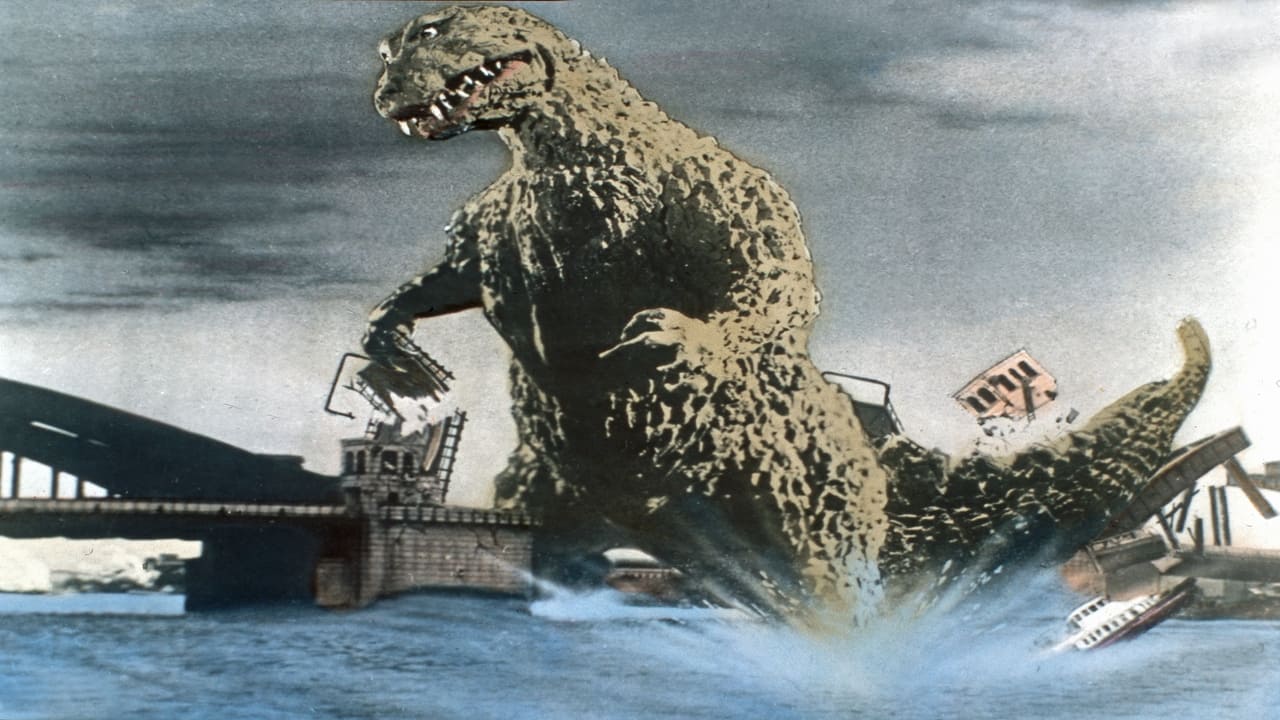
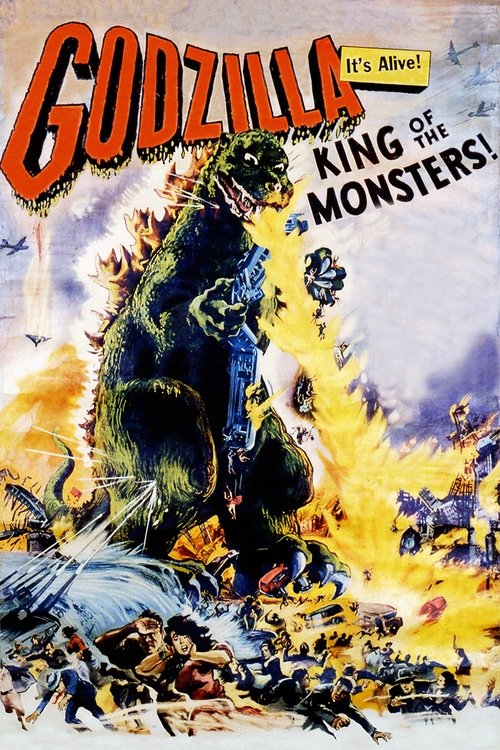
Godzilla, King of the Monsters!
Science Fiction · Horror · 1956
During an assignment, foreign correspondent Steve Martin spends a layover in Tokyo and is caught amid the rampage of an unstoppable prehistoric monster the Japanese call 'Godzilla'. The only hope for both Japan and the world lies on a secret weapon, which may prove more destructive than the monster itself.
“Incredible, unstoppable titan of terror!”
Critical arithmetic
Scores change. Arguments endure.
TMDB
6.5 / 10
Community rating
During an assignment, foreign correspondent Steve Martin spends a layover in Tokyo and is caught amid the rampage of an unstoppable prehistoric monster the Japanese call 'Godzilla'. The only hope for both Japan and the world lies on a secret weapon, which may prove more destructive than the monster itself.
Not a recommendation score. A measure of how closely the film’s taste signals resemble yours.
The archetype split
The Arthouse Gremlin
“The stranger, the better.”
Read their caseThe Popcorn Loyalist
“Big screen, big feelings, no apologies.”
Read their objectionThe split comes from the same five-axis model used by the test, not audience ratings or review sentiment.
TMDB supplies the candidates. CriticWise reorders them by craft, strangeness, prestige, emotion, and pace.
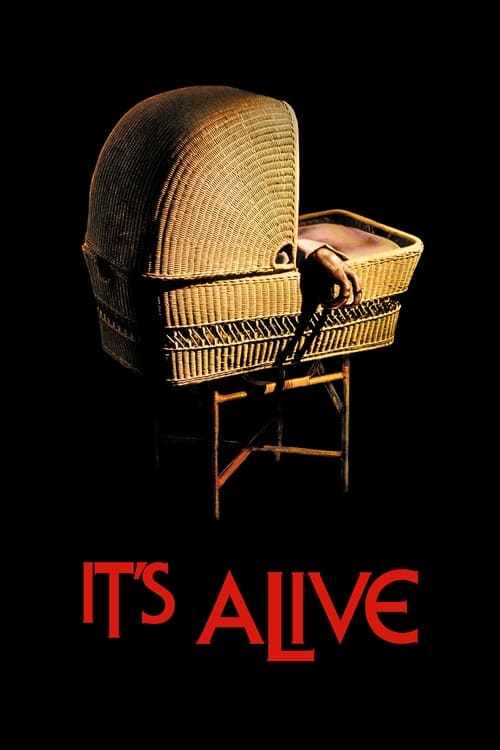
It's Alive
Horror · 1974
The Davises are expecting a baby, which turns out to be a monster with a nasty habit of killing people whenever scared. And it's easily scared.
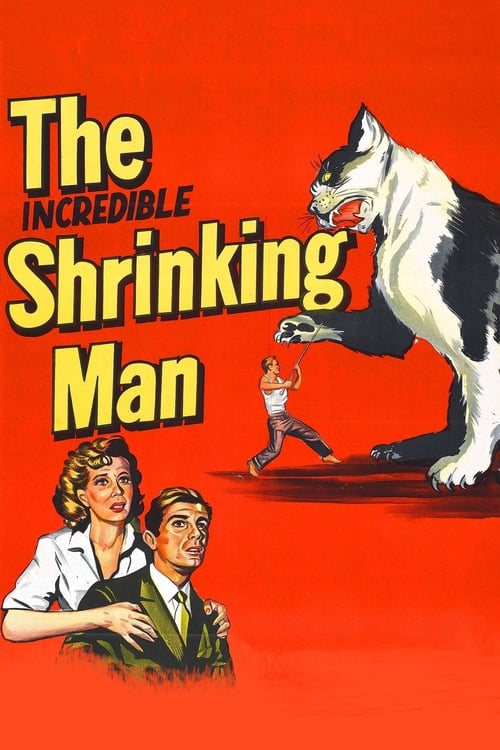
The Incredible Shrinking Man
Sci-fi · 1957
A dangerous combination of radiation and insecticide causes the unfortunate Scott Carey to shrink, slowly but surely, until he is only a few inches tall. His home becomes a wilderness where he must survive everything from spiders living in the cellar to his beloved cat.
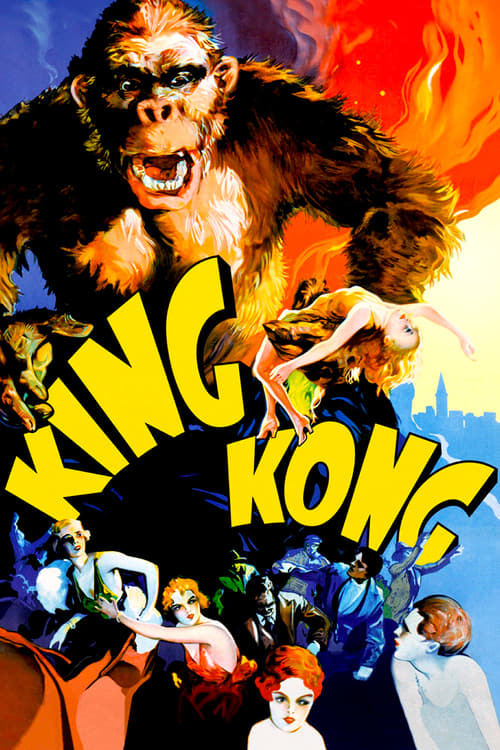
King Kong
Adventure · 1933
Adventurous filmmaker Carl Denham sets out to produce a motion picture unlike anything the world has seen before. Alongside his leading lady Ann Darrow and his first mate Jack Driscoll, they arrive on an island and discover a legendary creature said to be neither beast nor man. Denham captures the monster to be displayed on Broadway as King Kong, the eighth wonder of the world.

Eradication
Horror · 2022
When an unknown disease wipes out most of the world’s population, a man with unique blood is isolated for study. Fearing for his wife’s safety, he breaks his quarantine – into a world overrun by monstrous Infected and a shadowy agency hunting them down.
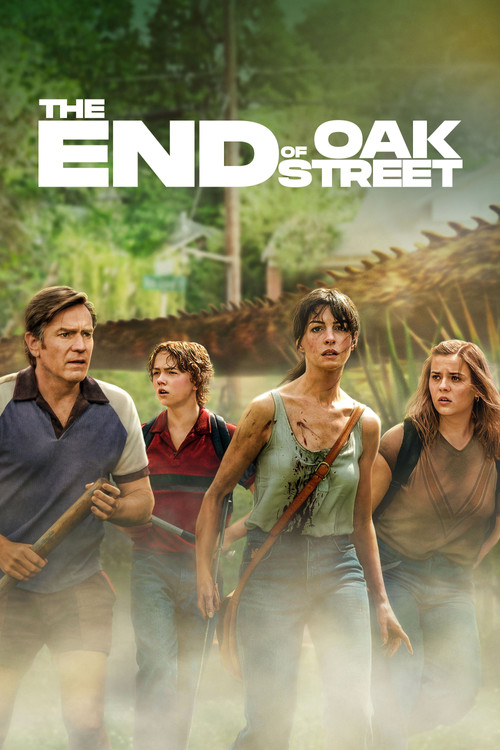
The End of Oak Street
Sci-fi · 2026
After a mysterious cosmic event rips Oak Street from suburbia and transports their neighborhood to someplace unknown, the Platt family soon discovers that their very survival depends on them sticking together as they navigate their now unrecognizable surroundings.
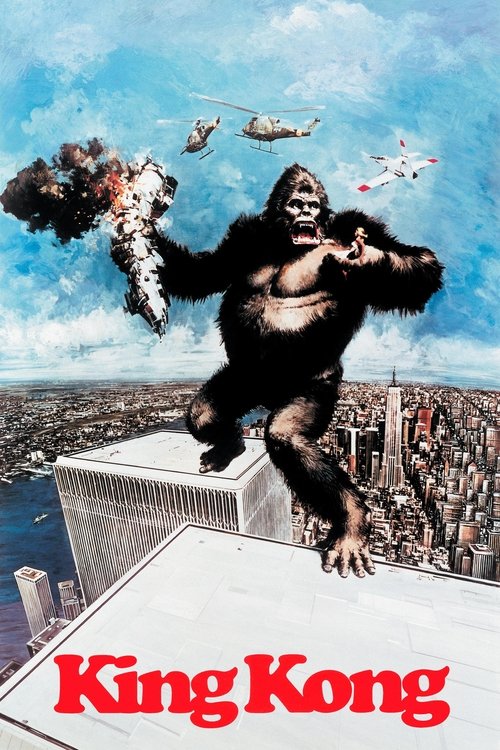
King Kong
Adventure · 1976
An oil company expedition disturbs the peace of a giant ape and brings him back to New York to exploit him.
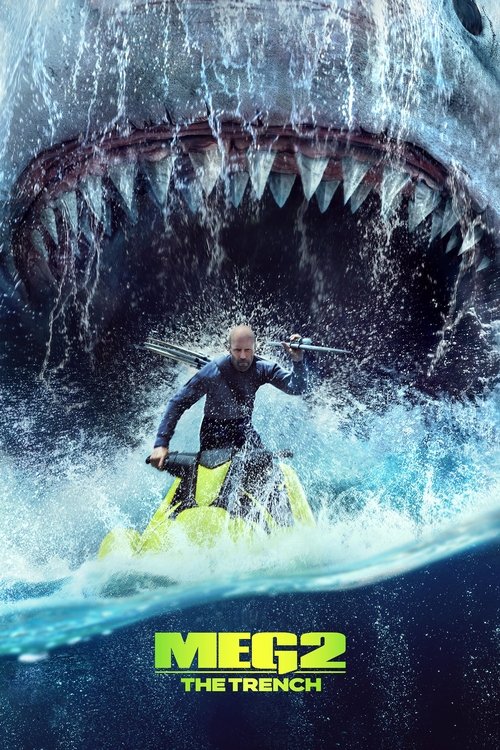
Meg 2: The Trench
Action · 2023
An exploratory dive into the deepest depths of the ocean of a daring research team spirals into chaos when a malevolent mining operation threatens their mission and forces them into a high-stakes battle for survival.
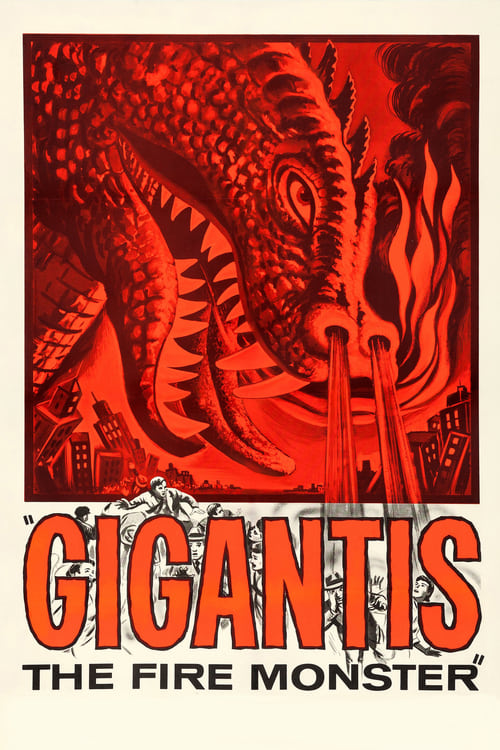
Gigantis, the Fire Monster
Action · 1959
A prehistoric monster called Gigantis emerges alongside another creature named Angurus.
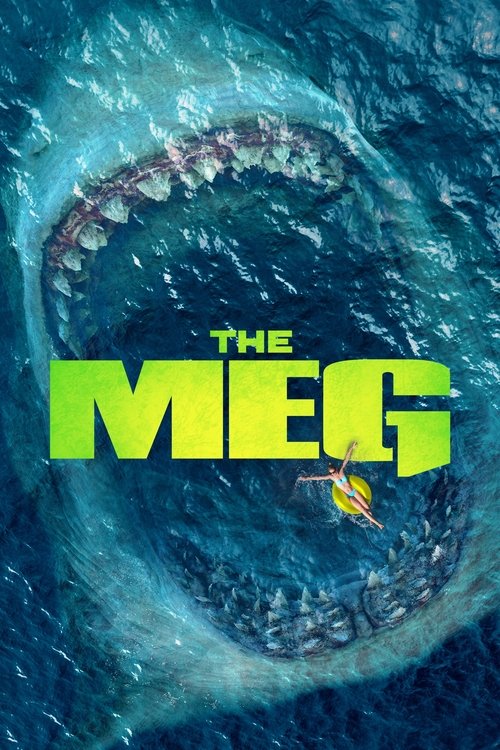
The Meg
Action · 2018
A deep sea submersible pilot revisits his past fears in the Mariana Trench, and accidentally unleashes the seventy foot ancestor of the Great White Shark believed to be extinct.
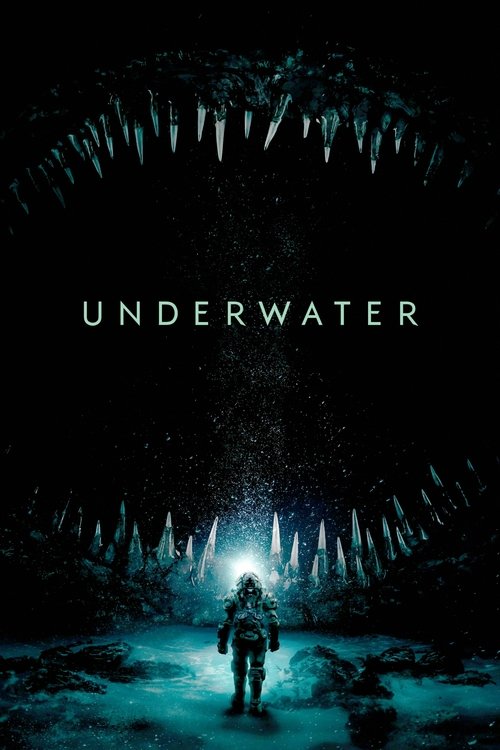
Underwater
Horror · 2020
After an earthquake destroys their underwater station, six researchers must navigate two miles along the dangerous, unknown depths of the ocean floor to make it to safety in a race against time.
Cinema release signals and current streaming, rental, and purchase options for your region.
Streaming availability data supplied by JustWatch.
Cast & crew
Directed by
Ishirō Honda · Terry O. Morse
Written by
Al C. Ward · Terry O. Morse · Tomoyuki Tanaka · Eiji Tsuburaya

Raymond Burr
Steve Martin

Takashi Shimura
Dr. Yamane

Momoko Kôchi
Emiko Yamane

Akira Takarada
Ogata

Akihiko Hirata
Dr. Serizawa

Sachio Sakai
Hagiwara

Fuyuki Murakami
Dr. Tabata
Two incompatible taste archetypes. One film. Read the arguments, then issue a completely binding cultural ruling.
“Its refusal to behave is the point.”
The strange choices create the kind of friction that follows you out of the theatre and into the argument.
“Oddness is not depth.”
A film can break every rule and still leave nothing behind but the memory of how hard it tried to be singular.