The defence The Sentimental Softie
“Sincerity is not manipulation.”
The film risks embarrassment to make emotion communal, and that openness is harder than fashionable detachment.

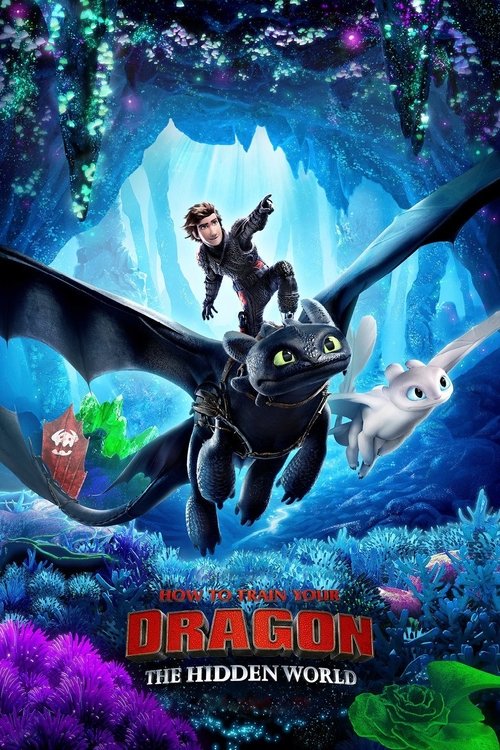
How to Train Your Dragon: The Hidden World
Animation · Family · Adventure · 2019
As Hiccup fulfills his dream of creating a peaceful dragon utopia, Toothless’ discovery of an untamed, elusive mate draws the Night Fury away. When danger mounts at home and Hiccup’s reign as village chief is tested, both dragon and rider must make impossible decisions to save their kind.
“Fly on your own. Find your way home.”
Critical arithmetic
Scores change. Arguments endure.
IMDb
7.4 / 10
183.8K votes
Rotten Tomatoes
90 %
Tomatometer
Metacritic
71 / 100
Metascore
TMDB
7.8 / 10
Community rating
External scores via OMDb · CC BY-NC 4.0. Values normalized for display; availability varies by title.
As Hiccup fulfills his dream of creating a peaceful dragon utopia, Toothless’ discovery of an untamed, elusive mate draws the Night Fury away. When danger mounts at home and Hiccup’s reign as village chief is tested, both dragon and rider must make impossible decisions to save their kind.
Not a recommendation score. A measure of how closely the film’s taste signals resemble yours.
The archetype split
The Sentimental Softie
“You came to feel something, and you will.”
Read their caseThe Cool Ironist
“Feeling things is a little embarrassing.”
Read their objectionThe split comes from the same five-axis model used by the test, not audience ratings or review sentiment.
TMDB supplies the candidates. CriticWise reorders them by craft, strangeness, prestige, emotion, and pace.
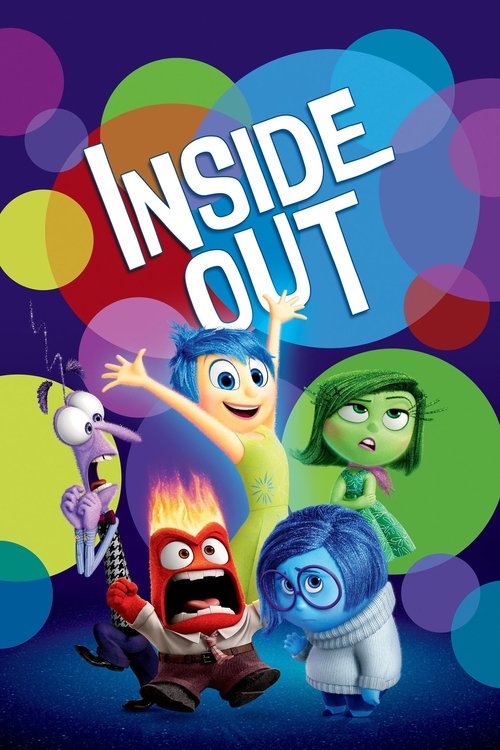
Inside Out
Animation · 2015
When 11-year-old Riley moves to a new city, her Emotions team up to help her through the transition. Joy, Fear, Anger, Disgust and Sadness work together, but when Joy and Sadness get lost, they must journey through unfamiliar places to get back home.

How to Train Your Dragon
Fantasy · 2010
As the son of a Viking leader on the cusp of manhood, shy Hiccup Horrendous Haddock III faces a rite of passage: he must kill a dragon to prove his warrior mettle. But after downing a feared dragon, he realizes that he no longer wants to destroy it, and instead befriends the beast – which he names Toothless – much to the chagrin of his warrior father.

Peter Pan
Animation · 1953
Leaving the safety of their nursery behind, Wendy, Michael and John follow Peter Pan to a magical world where childhood lasts forever. But while in Neverland, the kids must face Captain Hook and foil his attempts to get rid of Peter for good.

The Little Prince
Adventure · 2015
Based on the best-seller book 'The Little Prince', the movie tells the story of a little girl that lives with resignation in a world where efficiency and work are the only dogmas. Everything will change when accidentally she discovers her neighbor that will tell her about the story of the Little Prince that he once met.
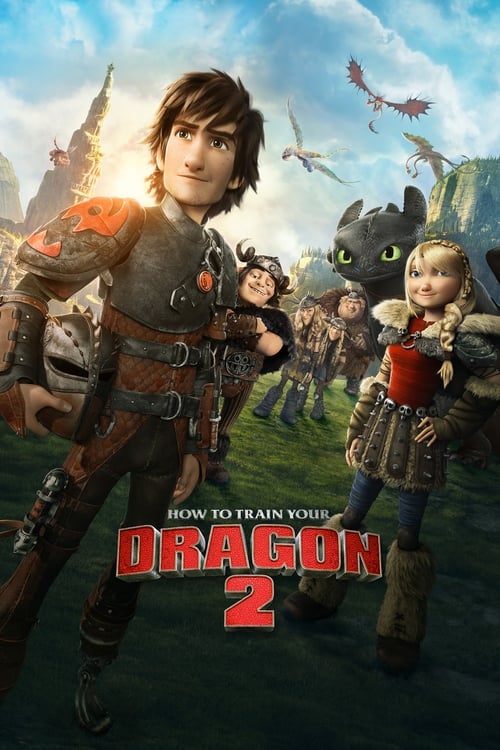
How to Train Your Dragon 2
Fantasy · 2014
Five years after uniting the dragons and Vikings of Berk, Hiccup and Toothless soar beyond their homeland, charting the vast unknown. During one of their adventures, the pair discover a secret cave that houses hundreds of wild dragons—and a mysterious dragon rider with a startling connection to Hiccup. And as the ruthless conqueror Drago Bludvist rises to seize control of both dragons and people alike, Hiccup must step into his role as a true leader and, alongside his friends and Toothless, protect Berk from a devastating war.
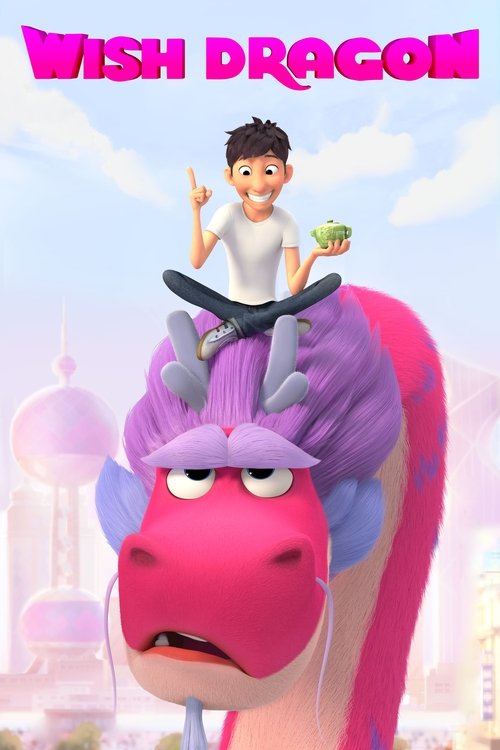
Wish Dragon
Animation · 2021
Determined teen Din is longing to reconnect with his childhood best friend when he meets a wish-granting dragon who shows him the magic of possibilities.

Elio
Animation · 2025
Elio, a space fanatic with an active imagination, finds himself on a cosmic misadventure where he must form new bonds with eccentric alien lifeforms, navigate a crisis of intergalactic proportions and somehow discover who he is truly meant to be.

Firebreather
Fantasy · 2010
It's not easy being a teen like Duncan. His mom wants him to pay more attention to his homework, while his dad - a 120-foot-tall monster known as a Kaiju - wants him to become the next King of All Monsters. When these worlds collide, Duncan must use his human wits and his Kaiju powers - including super strength, agility and the ability to breathe fire - to protect his family and friends from a giant monster rampage.
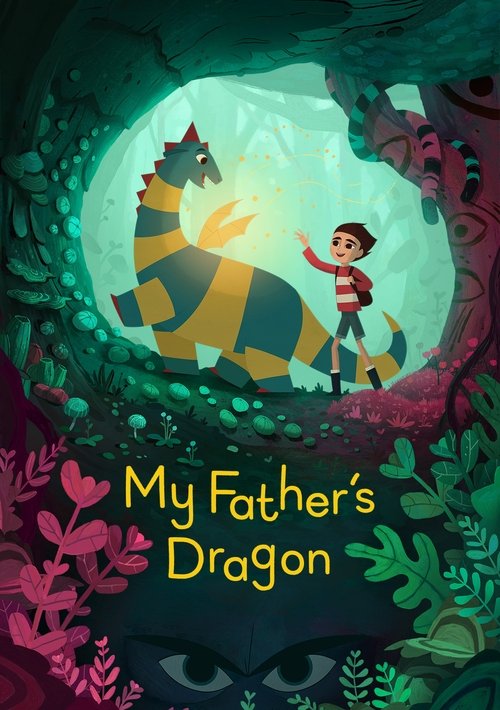
My Father's Dragon
Animation · 2022
Struggling to cope after a move to the city with his mother, Elmer runs away in search of Wild Island and a young dragon who waits to be rescued. Elmer’s adventures introduce him to ferocious beasts, a mysterious island and the friendship of a lifetime.

How to Train Your Dragon
Fantasy · 2025
On the rugged isle of Berk, where Vikings and dragons have been bitter enemies for generations, Hiccup stands apart, defying centuries of tradition when he befriends Toothless, a feared Night Fury dragon. Their unlikely bond reveals the true nature of dragons, challenging the very foundations of Viking society.
Cinema release signals and current streaming, rental, and purchase options for your region.
Streaming availability data supplied by JustWatch.
Cast & crew
Directed by
Dean DeBlois
Written by
Dean DeBlois

Jay Baruchel
Hiccup (voice)

America Ferrera
Astrid (voice)

F. Murray Abraham
Grimmel (voice)

Cate Blanchett
Valka (voice)

Gerard Butler
Stoick (voice)

Craig Ferguson
Gobber (voice)

Jonah Hill
Snotlout (voice)
Two incompatible taste archetypes. One film. Read the arguments, then issue a completely binding cultural ruling.
“Sincerity is not manipulation.”
The film risks embarrassment to make emotion communal, and that openness is harder than fashionable detachment.
“The strings are showing.”
Every cue tells you exactly what to feel and when, leaving sentiment to do the work character should have done.