The defence The Sentimental Softie
“Sincerity is not manipulation.”
The film risks embarrassment to make emotion communal, and that openness is harder than fashionable detachment.
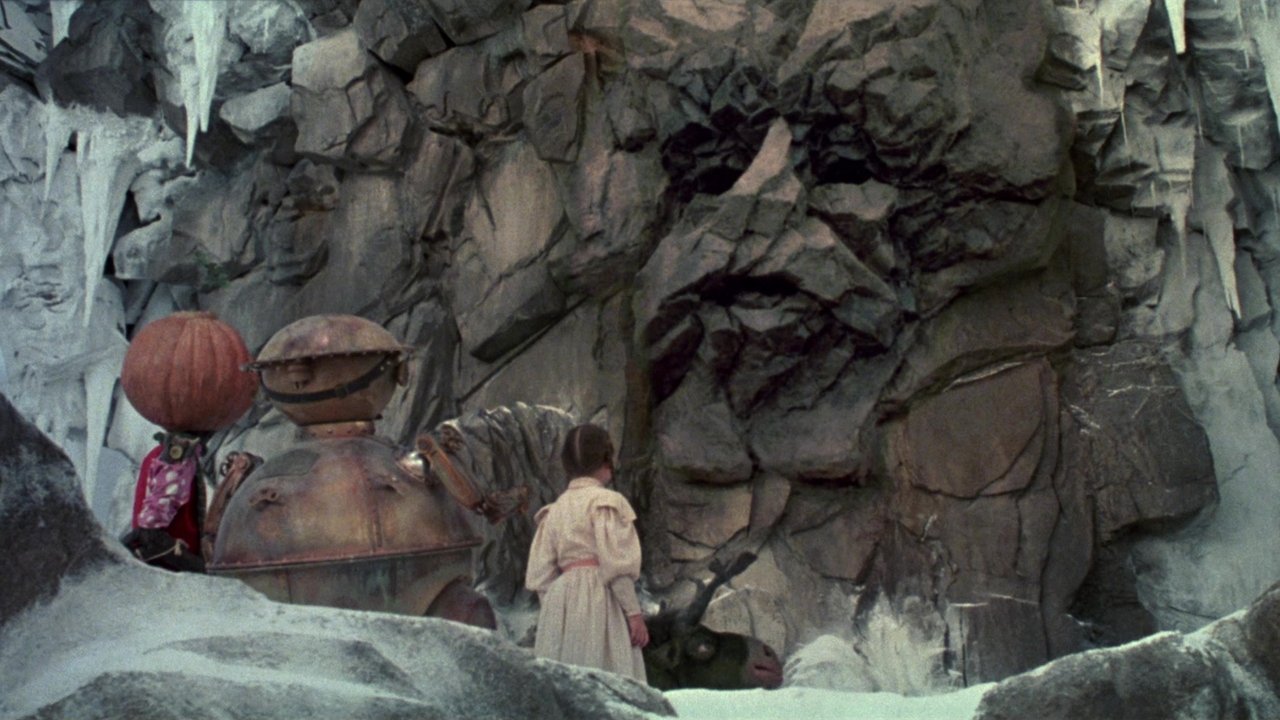

Return to Oz
Adventure · Family · Fantasy · 1985
Dorothy, saved from a psychiatric experiment by a mysterious girl, finds herself back in the land of her dreams, and makes delightful new friends, and dangerous new enemies.
“An all-new adventure down the yellow brick road.”
Critical arithmetic
Scores change. Arguments endure.
IMDb
6.7 / 10
34.6K votes
Rotten Tomatoes
59 %
Tomatometer
Metacritic
42 / 100
Metascore
TMDB
6.7 / 10
Community rating
External scores via OMDb · CC BY-NC 4.0. Values normalized for display; availability varies by title.
Dorothy, saved from a psychiatric experiment by a mysterious girl, finds herself back in the land of her dreams, and makes delightful new friends, and dangerous new enemies.
Not a recommendation score. A measure of how closely the film’s taste signals resemble yours.
The archetype split
The Sentimental Softie
“You came to feel something, and you will.”
Read their caseThe Cool Ironist
“Feeling things is a little embarrassing.”
Read their objectionThe split comes from the same five-axis model used by the test, not audience ratings or review sentiment.
TMDB supplies the candidates. CriticWise reorders them by craft, strangeness, prestige, emotion, and pace.
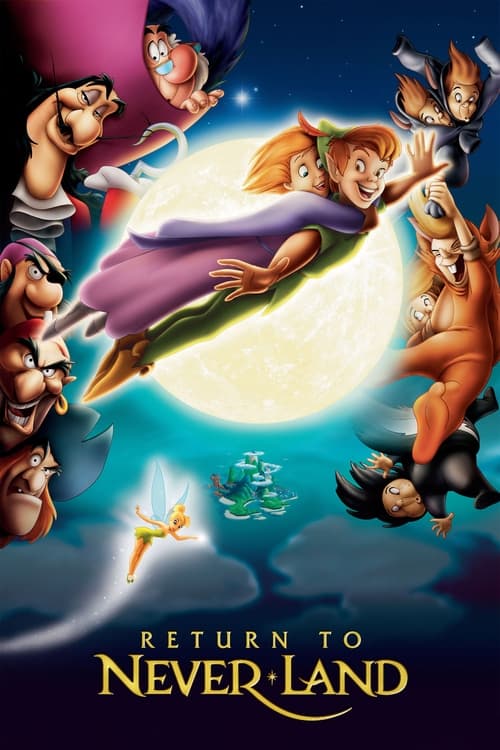
Return to Never Land
Adventure · 2002
In 1940, the world is besieged by World War II. Wendy, all grown up, has two children; including Jane, who does not believe Wendy's stories about Peter Pan.

Wish Upon a Unicorn
Adventure · 2020
Two children discover that their mother is gone. The youngest of the pair, adventurer and upcomming singer, Long Johnson forces his older sister, Lily Johnson, to hunt down a unicorn with magical blood.
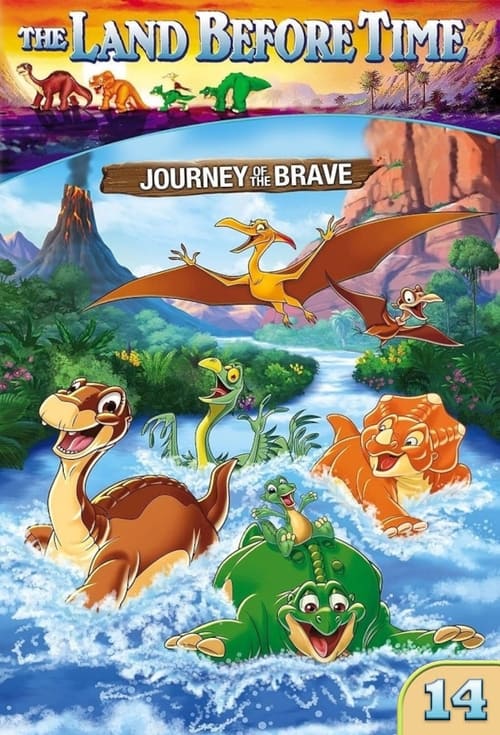
The Land Before Time XIV: Journey of the Brave
Animation · 2016
On a day known to the dinosaurs as "Treasure Day", Bron becomes stuck in the Mysterious Beyond. This event urges the young Longneck Littlefoot to take his friends on a quest to the Fire Mountain to save his father. Along the way, they befriend a Flyer.
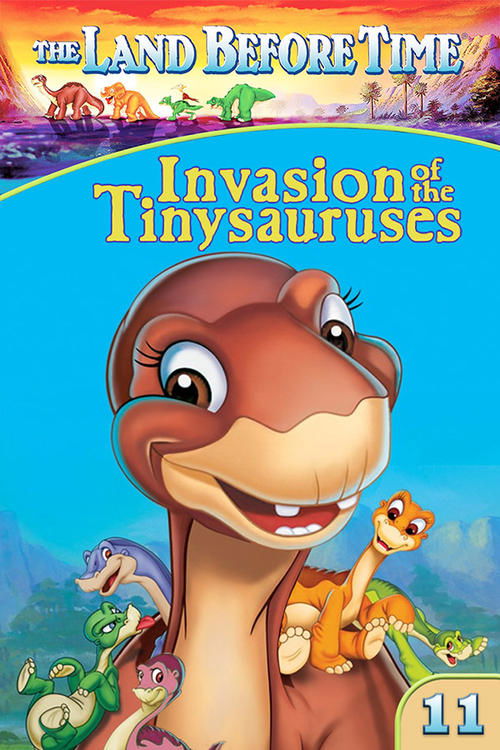
The Land Before Time XI: Invasion of the Tinysauruses
Animation · 2005
Littlefoot and his friends return in another adventure. But this time, they aren't the smallest dinosaurs in the valley anymore.
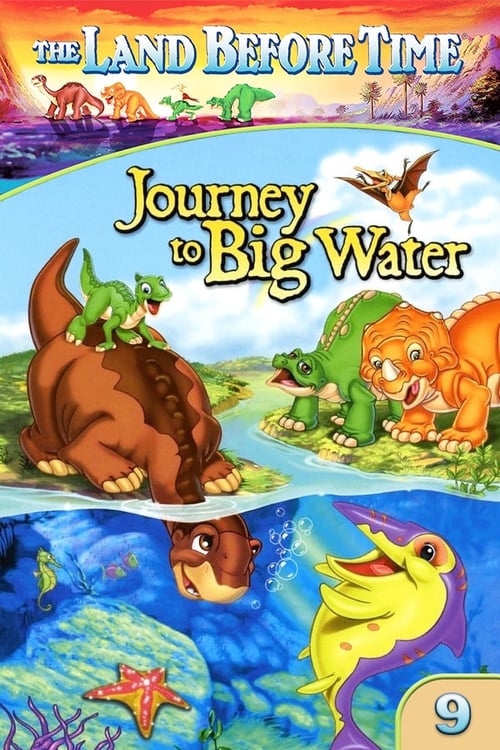
The Land Before Time IX: Journey to Big Water
Animation · 2002
Littlefoot befriends with a mysterious, fun-loving dolphin-like creature named Mo, who is trapped in "new water" caused by heavy rain. The gang then goes on an adventure to the "big water" to bring Mo home.
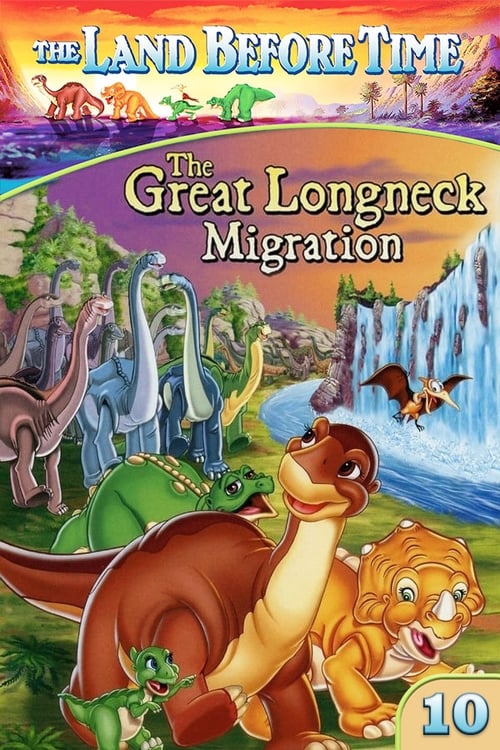
The Land Before Time X: The Great Longneck Migration
Animation · 2003
A bedtime story leads Littlefoot and his grandparents on a journey to a new land, where Littlefoot discovers someone who vanished before he was born: his father! Now Littlefoot must decide between two worlds. Will he leave to be with his friends in the Great Valley, or stay behind and start a new life with his father?
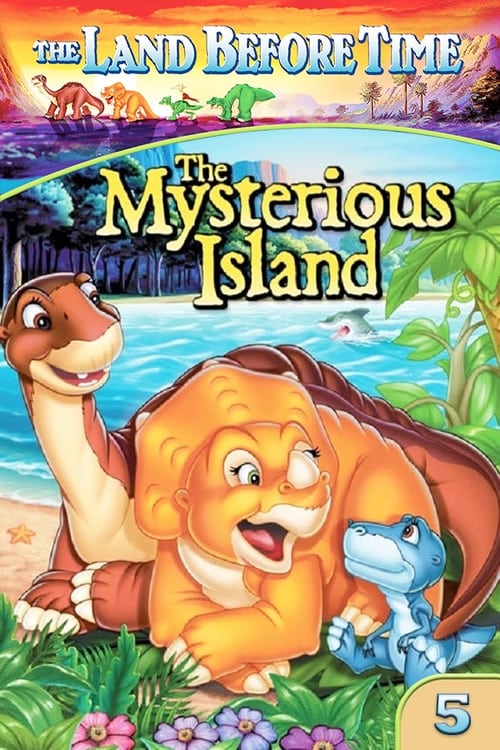
The Land Before Time V: The Mysterious Island
Animation · 1997
A plague of locusts strikes the Great Valley, decimating the plants and forcing the dinosaurs to migrate in search of food. When the adults in the herd begin fighting over the scarce resources, young Littlefoot and his friends Petrie, Cera, Ducky and Spike split off from the main group, becoming stranded on an island after their path was destroyed by a tsunami. As they search for a way off the island, they encounter an old acquaintance who may become friend or foe.

Tom and Jerry & The Wizard of Oz
Animation · 2011
After a deadly storm, Tom and Jerry find themselves stranded on an unknown island ruled by the evil Wizard of Oz. As they try to find their way back home, they worry for their master Dorothy's safety.
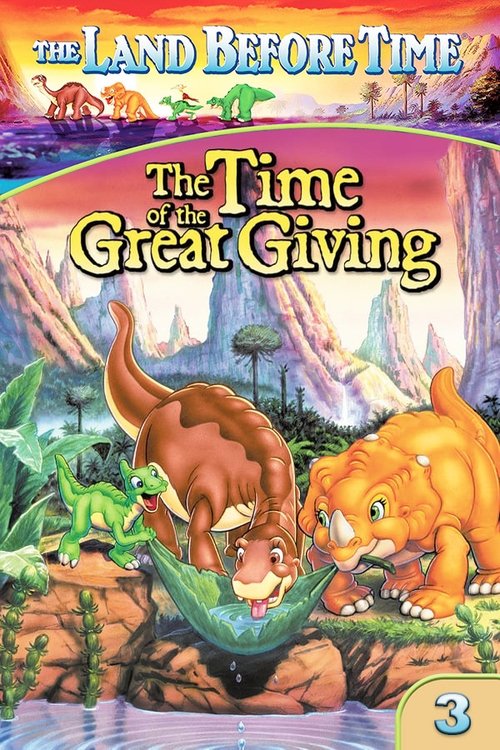
The Land Before Time III: The Time of the Great Giving
Animation · 1995
A huge meteorite has plunged into the Great Valley, cutting off the water supply and causing tension among the once-peaceful dinosaurs. While the adults argue and turn against one another, Littlefoot and his friends venture out to find a new source of water, only to be constantly bullied by a trio of older dinosaurs. The journey becomes a fight for survival when the group is cornered by a pack of Velociraptors and trapped by a sudden wildfire.
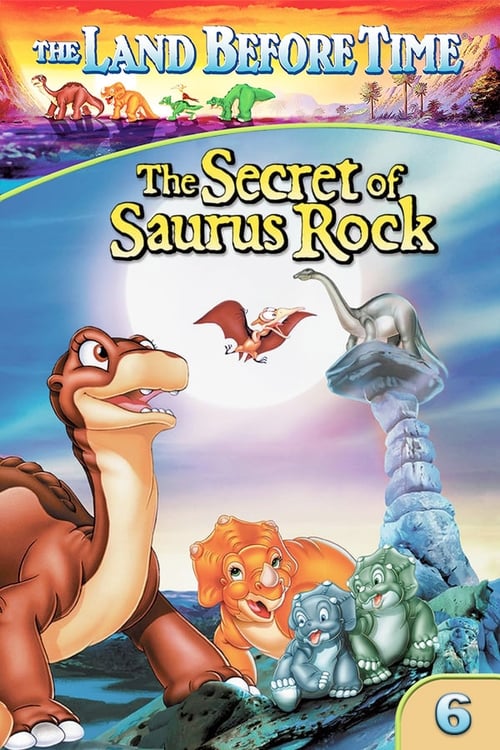
The Land Before Time VI: The Secret of Saurus Rock
Animation · 1998
Legends claim that Saurus Rock keeps bad luck out of the Great Valley. Is it really true? Could the mysterious Longneck named Doc be the famous Lone Dinosaur, who can defeat a Sharptooth with his lasso-like tail To find out, Littlefoot and company must cross the great Valley and face a dangerous Sharptooth themselves!
Cinema release signals and current streaming, rental, and purchase options for your region.
Streaming availability data supplied by JustWatch.
Cast & crew
Directed by
Walter Murch
Written by
Gill Dennis · Walter Murch

Fairuza Balk
Dorothy

Nicol Williamson
Dr. Worley / Nome King

Jean Marsh
Nurse Wilson / Mombi

Piper Laurie
Aunt Em

Matt Clark
Uncle Henry

Michael Sundin
Tik-Tok (on-set performer)

Tim Rose
Tik-Tok (on-set performer)
Two incompatible taste archetypes. One film. Read the arguments, then issue a completely binding cultural ruling.
“Sincerity is not manipulation.”
The film risks embarrassment to make emotion communal, and that openness is harder than fashionable detachment.
“The strings are showing.”
Every cue tells you exactly what to feel and when, leaving sentiment to do the work character should have done.