The defence The Prestige Tourist
“Sincerity is not manipulation.”
The film risks embarrassment to make emotion communal, and that openness is harder than fashionable detachment.
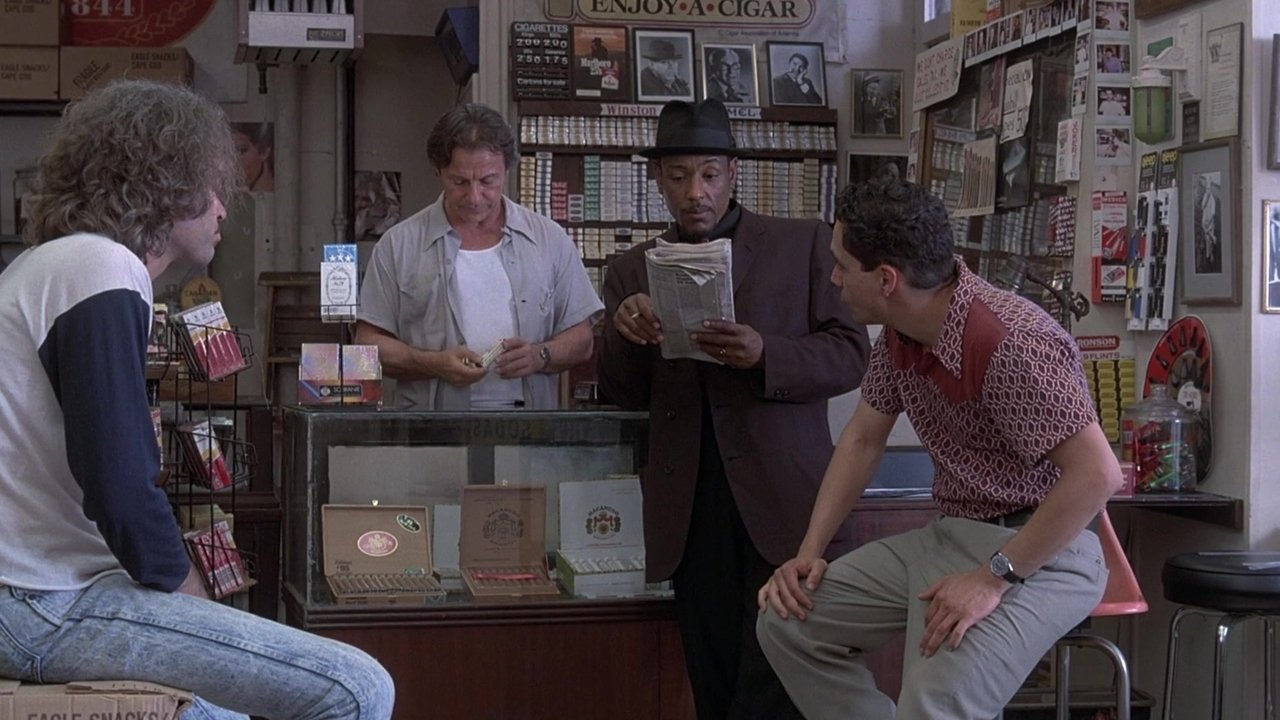
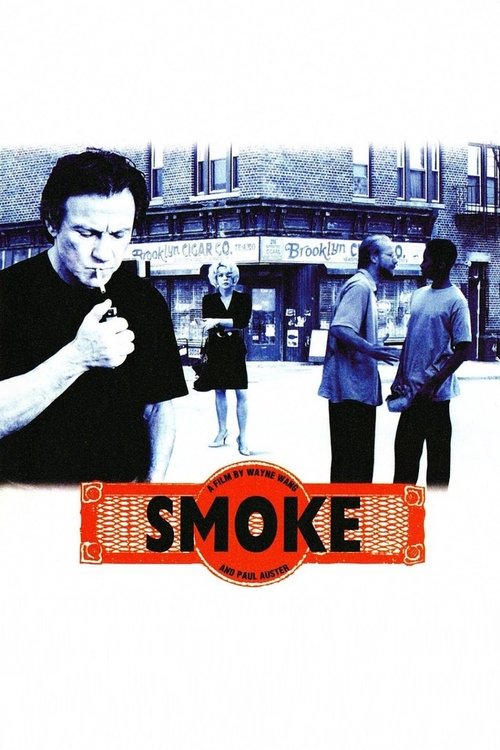
Smoke
Comedy · Drama · 1995
Writer Paul Benjamin is nearly hit by a bus when he leaves Auggie Wren's smoke shop. Stranger Rashid Cole saves his life, and soon middle-aged Paul tells homeless Rashid that he wouldn't mind a short-term housemate. Still grieving over his wife's murder, Paul is moved by both Rashid's quest to reconnect with his father and Auggie's discovery that a woman who might be his daughter is about to give birth.
“The most precious things are lighter than air.”
Critical arithmetic
Scores change. Arguments endure.
TMDB
7.2 / 10
Community rating
Writer Paul Benjamin is nearly hit by a bus when he leaves Auggie Wren's smoke shop. Stranger Rashid Cole saves his life, and soon middle-aged Paul tells homeless Rashid that he wouldn't mind a short-term housemate. Still grieving over his wife's murder, Paul is moved by both Rashid's quest to reconnect with his father and Auggie's discovery that a woman who might be his daughter is about to give birth.
Not a recommendation score. A measure of how closely the film’s taste signals resemble yours.
The archetype split
The Prestige Tourist
“You like your greatness pre-approved.”
Read their caseThe Popcorn Loyalist
“Big screen, big feelings, no apologies.”
Read their objectionThe split comes from the same five-axis model used by the test, not audience ratings or review sentiment.
TMDB supplies the candidates. CriticWise reorders them by craft, strangeness, prestige, emotion, and pace.
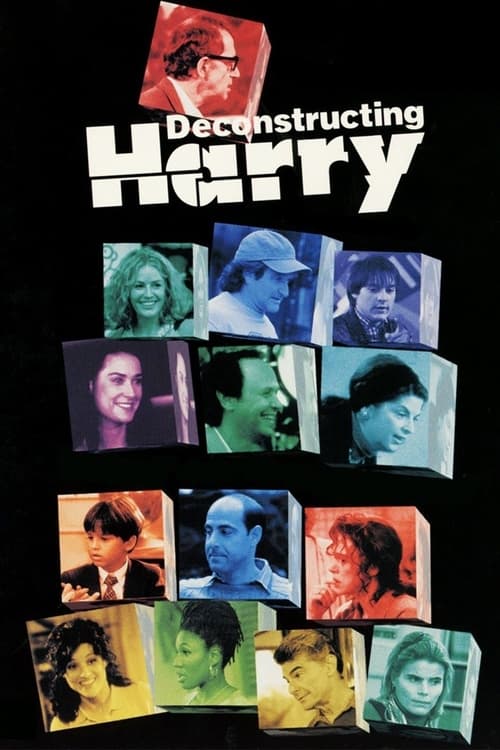
Deconstructing Harry
Comedy · 1997
Writer Harry Block draws inspiration from people he knows, and from events that happened to him, sometimes causing these people to become alienated from him as a result.
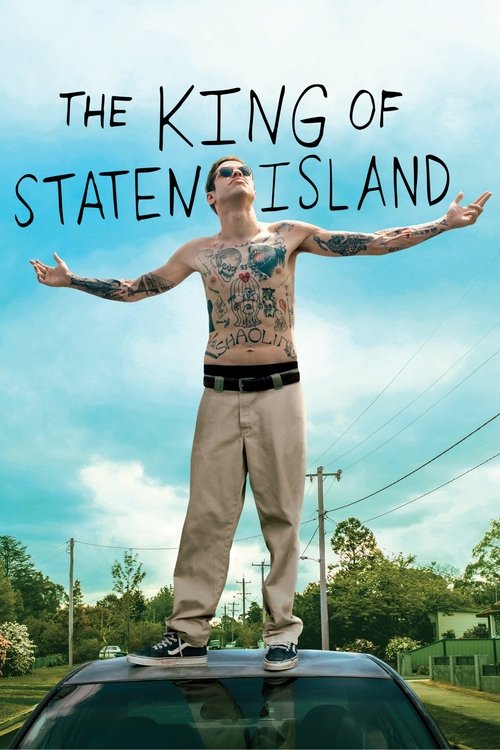
The King of Staten Island
Comedy · 2020
Scott has been a case of arrested development ever since his firefighter father died when he was seven. He's now reached his mid-20s having achieved little, chasing a dream of becoming a tattoo artist that seems far out of reach. As his ambitious younger sister heads off to college, Scott is still living with his exhausted ER nurse mother and spends his days smoking weed, hanging with the guys — Oscar, Igor and Richie — and secretly hooking up with his childhood friend Kelsey. But when his mother starts dating a loudmouth firefighter named Ray, it sets off a chain of events that will force Scott to grapple with his grief and take his first tentative steps toward moving forward in life.

Bank of Dave
Comedy · 2023
The true story of how Dave Fishwick, a working class man and self-made millionaire, fought to set up a community bank so that he could help the local businesses of Burnley not only survive, but thrive. In his bid to help his beloved community, he has to take on the elitist financial institutions of London and fight to receive the first, new banking license to be issued in over 100 years.
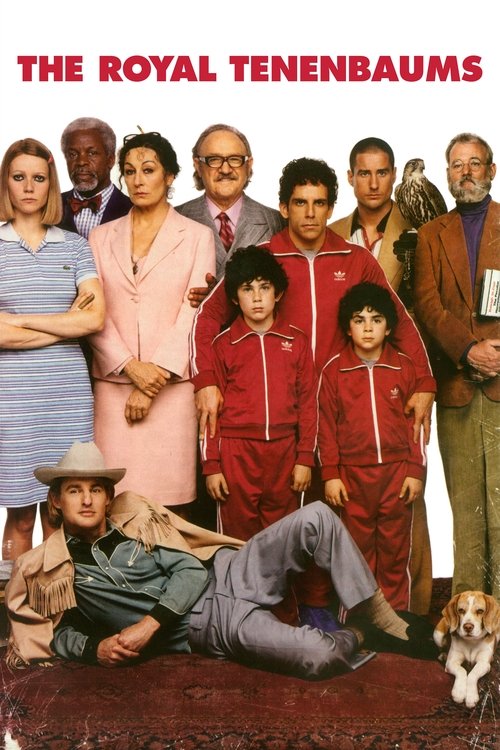
The Royal Tenenbaums
Comedy · 2001
Royal Tenenbaum and his wife Etheline had three children and then they separated. All three children are extraordinary --- all geniuses. Virtually all memory of the brilliance of the young Tenenbaums was subsequently erased by two decades of betrayal, failure, and disaster. Most of this was generally considered to be their father's fault. "The Royal Tenenbaums" is the story of the family's sudden, unexpected reunion one recent winter.
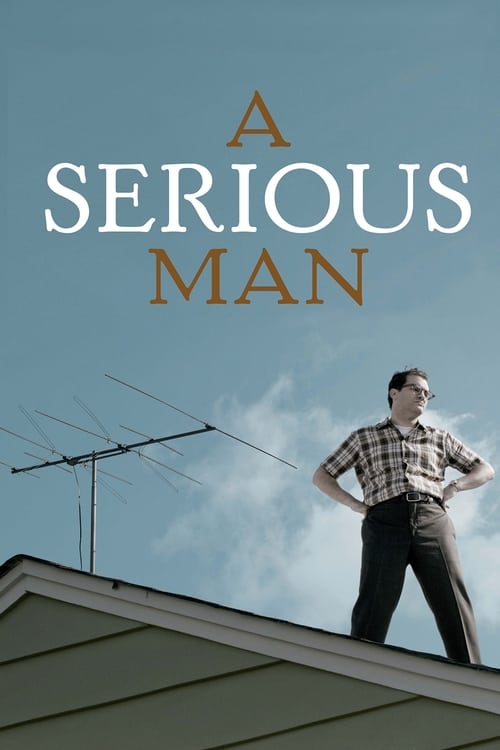
A Serious Man
Comedy · 2009
It is 1967, and Larry Gopnik, a physics professor at a quiet Midwestern university, has just been informed by his wife Judith that she is leaving him. He scrambles to find a semblance of meaning as he loses control of nearly every aspect of his life.

Blindspotting
Comedy · 2018
Collin must make it through his final three days of probation for a chance at a new beginning. He and his troublemaking childhood best friend, Miles, work as movers, and when Collin witnesses a police shooting, the two men’s friendship is tested as they grapple with identity and their changed realities in the rapidly-gentrifying neighborhood they grew up in.
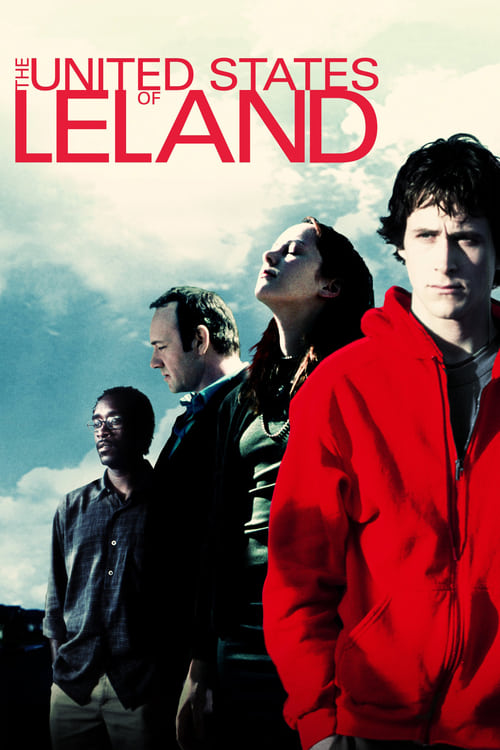
The United States of Leland
Crime · 2003
A withdrawn young man, Leland Fitzgerald is imprisoned for the murder of a mentally disabled boy, who also happened to be the brother of his girlfriend, Becky. As the community struggles to deal with the killing, Pearl Madison, a teacher at the prison, decides to write about Leland's case. Meanwhile, others affected by the murder, including Becky and her sister, Julie, must contend with their own problems.

Light Sleeper
Drama · 1992
John LeTour is a recovering drug user who suffers insomnia and still deals to a high-end New York clientele, even though he’s trying to move on from the business. John’s professional midlife crisis becomes something more acute — and dangerous — when he re-encounters an old flame while a string of seemingly drug-related murders rocks the city.
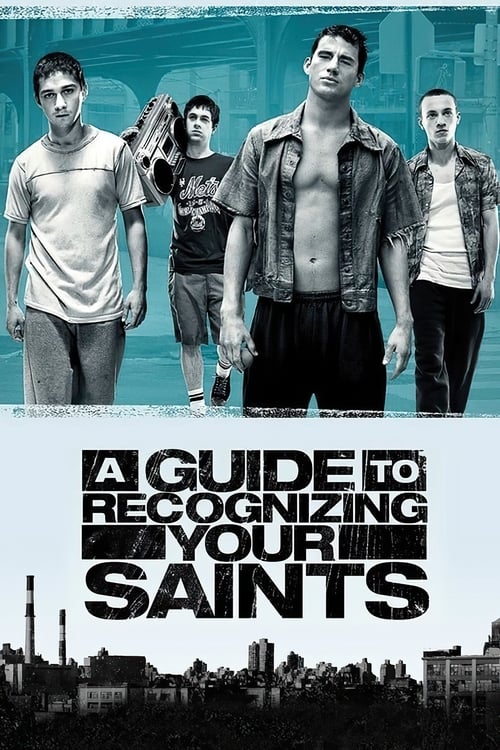
A Guide to Recognizing Your Saints
Crime · 2006
Dito Montiel, a successful author, receives a call from his long-suffering mother, asking him to return home and visit his ailing father. Dito recalls his childhood growing up in a violent neighborhood in Queens, N.Y., with friends Antonio, Giuseppe, Nerf and Mike.

Mikey and Nicky
Crime · 1976
Nick is desperate, holed up in a cheap hotel, suffering from an ulcer and convinced that a local mob boss wants him killed. Terrified, he calls Mikey, his friend since childhood and a fellow gangster. So begins a long night…
Cinema release signals and current streaming, rental, and purchase options for your region.
Streaming availability data supplied by JustWatch.
Cast & crew
Directed by
Wayne Wang
Written by
Paul Auster

Harvey Keitel
Augustus 'Auggie' Wren

William Hurt
Paul Benjamin

Stockard Channing
Ruby McNutt
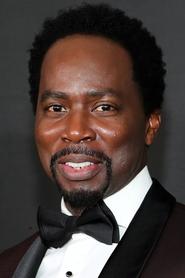
Harold Perrineau
Thomas 'Rashid' Cole
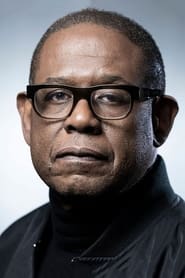
Forest Whitaker
Cyrus Cole

Giancarlo Esposito
1st OTB Man / Tommy

José Zúñiga
2nd OTB Man / Jerry
Two incompatible taste archetypes. One film. Read the arguments, then issue a completely binding cultural ruling.
“Sincerity is not manipulation.”
The film risks embarrassment to make emotion communal, and that openness is harder than fashionable detachment.
“The strings are showing.”
Every cue tells you exactly what to feel and when, leaving sentiment to do the work character should have done.