Director Maps · Opening argument 02
Denis Villeneuve: where should you start?
Villeneuve makes scale feel severe. Choose whether you want that control applied to grief, violence, mystery, atmosphere or prophecy.
Filed by
CriticWise Editorial
3 minute read · 266 words
The Villeneuve constant
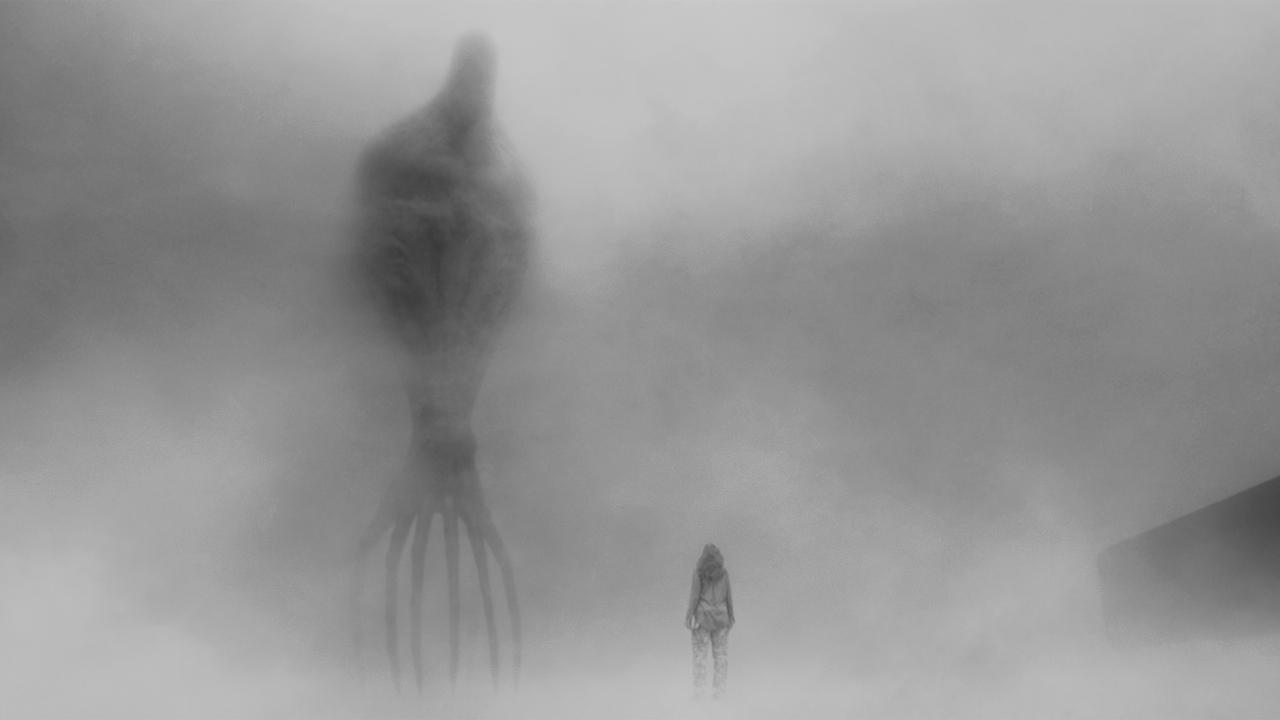
Denis Villeneuve builds films around controlled pressure. Architecture dwarfs people, sound announces forces larger than dialogue, and characters approach moral or perceptual thresholds with very little comic relief available.
His work is accessible but rarely casual. The ideal starting point depends on whether you need a strong emotional handhold or prefer to be absorbed by atmosphere and consequence.
Choose your entrance
For emotional thinkers: Arrival
2016
The clearest union of high concept and intimate cost. Begin here if ideas matter most when they alter a human life.
For thriller people: Sicario
2015
Procedure, landscape and moral uncertainty tighten into one of Villeneuve’s leanest exercises in dread.
For dark mystery: Prisoners
2013
A missing-child investigation tests how quickly certainty becomes permission for cruelty.
For atmosphere devotees: Blade Runner 2049
2017
Duration, design and loneliness matter more than momentum. Choose it if inhabiting the image is part of the plot.
For monumental spectacle: Dune: Part Two
2024
Scale becomes political seduction. It rewards viewers who want blockbuster clarity without moral reassurance.
Where to go second
Arrival leads naturally to Blade Runner 2049. Sicario points toward Prisoners and the harder-edged Incendies. Dune viewers should return to Arrival before assuming scale is Villeneuve’s only register.
If the work feels too solemn, that response is useful. Villeneuve’s precision can resemble emotional distance when the frame’s authority matters more to you than the characters’ vulnerability.
“Villeneuve’s cinema asks how small a person can look before their decision becomes enormous.”