Director Maps · Opening argument 03
Bong Joon-ho: where should you start?
The genre may change halfway through the sentence. That is not loss of control; it is often where Bong’s control becomes visible.
Filed by
CriticWise Editorial
3 minute read · 265 words
The Bong constant
Bong Joon-ho treats genre as a delivery system for social pressure. Comedy, horror, thriller and melodrama do not take turns politely; they collide because ordinary life under unequal systems rarely maintains one stable tone.
His films are visually precise without becoming emotionally sterile, and politically alert without reducing characters to correct positions.
Choose your entrance
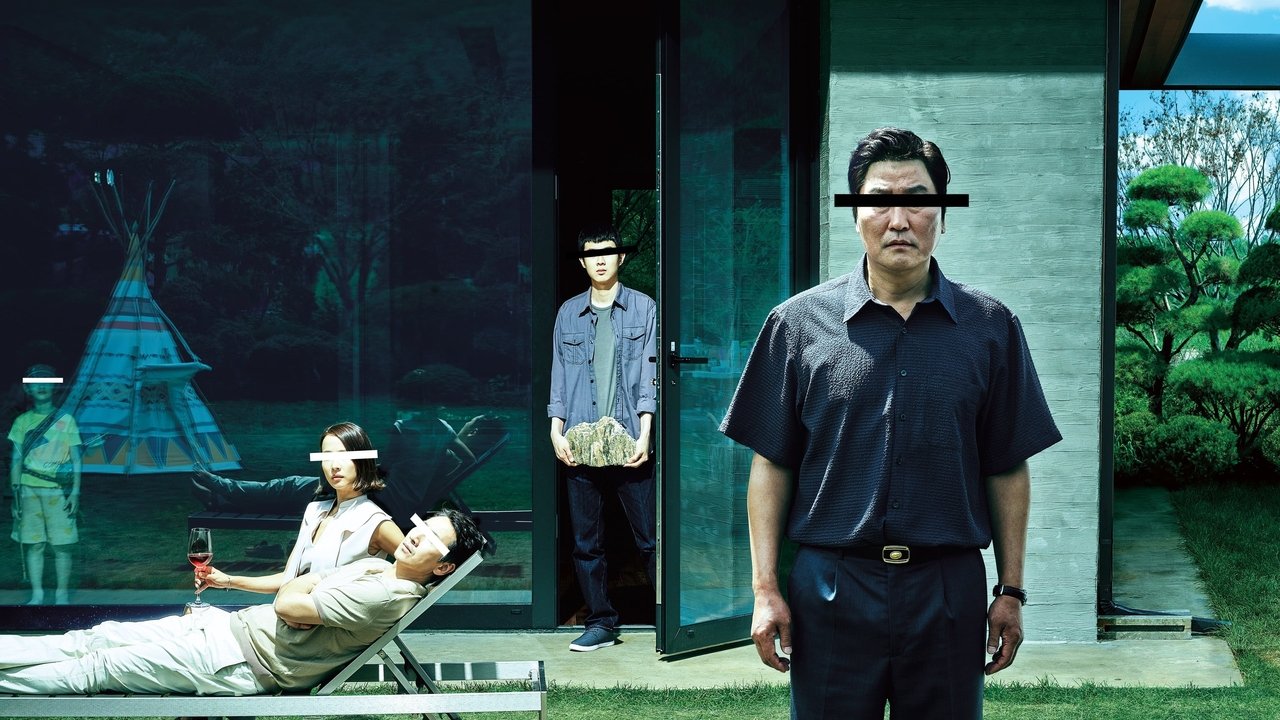
For the complete demonstration: Parasite
2019
Architecture, class, comedy and violence operate in perfect coordination. It is the obvious starting point because it deserves to be.
For procedural darkness: Memories of Murder
2003
An investigation exposes institutional failure while tonal shifts prevent the film from settling into prestige solemnity.
For monster-movie energy: The Host
2006
Creature spectacle, family comedy and government failure share one riverbank without cancelling one another.
For psychological intensity: Mother
2009
Maternal devotion becomes an investigative force and then something harder to defend.
For blunt allegory and motion: Snowpiercer
2013
Class structure becomes literal geography as each train carriage reveals another arrangement of violence and privilege.
Where to go second
Parasite viewers should choose Memories of Murder for control or The Host for tonal elasticity. Snowpiercer opens a path toward Okja, where corporate satire and creature tenderness become even less compatible.
If the tonal movement unsettles you, stay with it. Bong’s films often use laughter to lower the audience’s guard before showing why the situation was never safe.
“In Bong’s cinema, the joke and the wound usually occupy the same frame.”