The defence The Prestige Tourist
“Form is the argument.”
Every composed frame and deliberate cut is evidence that control can be thrilling in its own right.
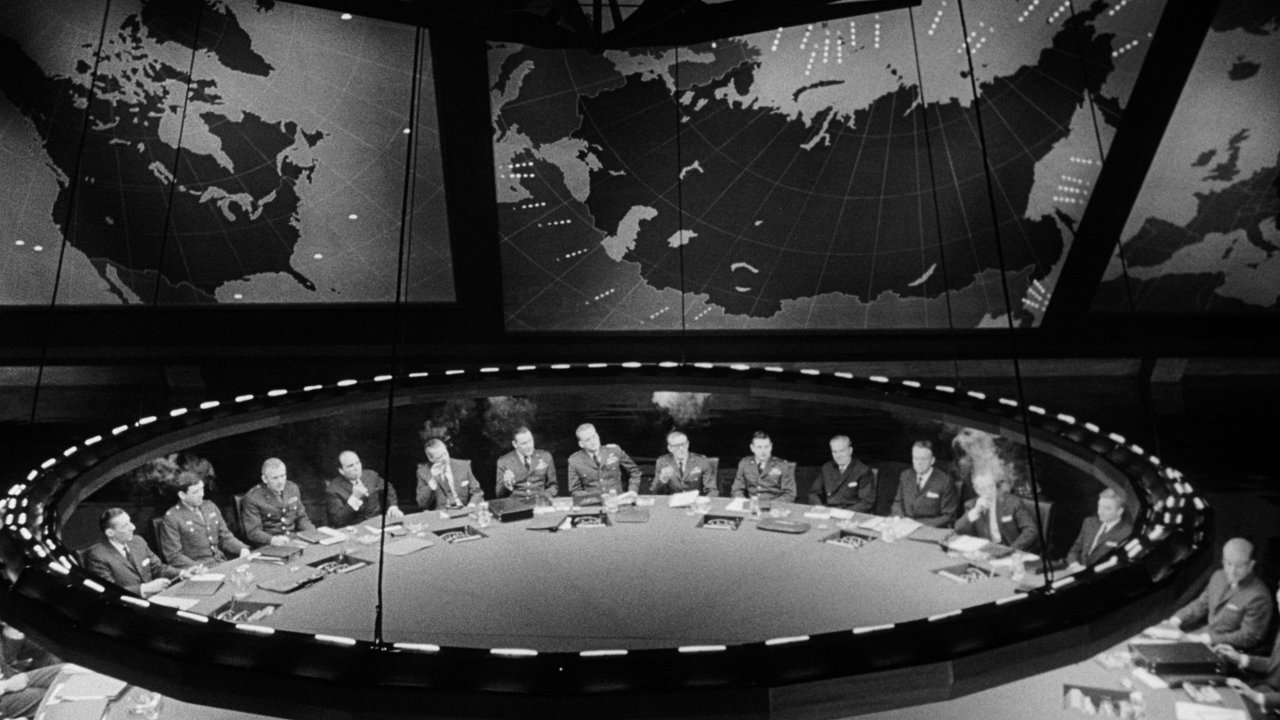
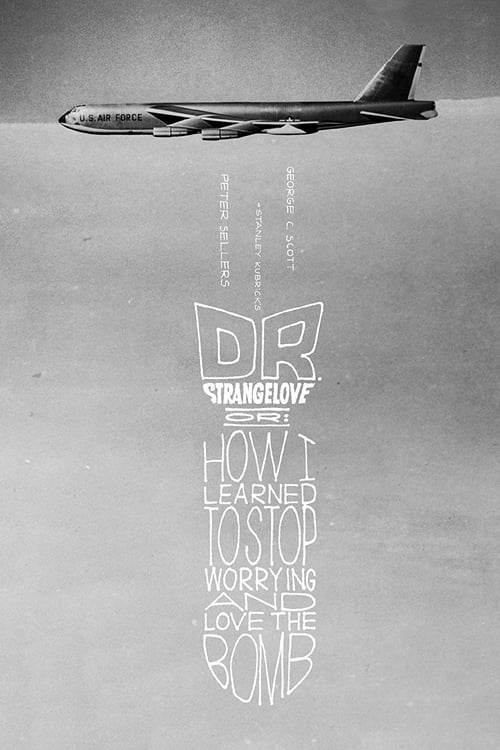
Dr. Strangelove or: How I Learned to Stop Worrying and Love the Bomb
Comedy · War · 1964
After the insane General Jack D. Ripper initiates a nuclear strike on the Soviet Union, a war room full of politicians, generals and a Russian diplomat all frantically try to stop it.
“The hot-line suspense comedy.”
Critical arithmetic
Scores change. Arguments endure.
IMDb
8.3 / 10
555.4K votes
Rotten Tomatoes
98 %
Tomatometer
Metacritic
97 / 100
Metascore
TMDB
8.1 / 10
Community rating
External scores via OMDb · CC BY-NC 4.0. Values normalized for display; availability varies by title.
After the insane General Jack D. Ripper initiates a nuclear strike on the Soviet Union, a war room full of politicians, generals and a Russian diplomat all frantically try to stop it.
Not a recommendation score. A measure of how closely the film’s taste signals resemble yours.
The archetype split
The Prestige Tourist
“You like your greatness pre-approved.”
Read their caseThe Popcorn Loyalist
“Big screen, big feelings, no apologies.”
Read their objectionThe split comes from the same five-axis model used by the test, not audience ratings or review sentiment.
TMDB supplies the candidates. CriticWise reorders them by craft, strangeness, prestige, emotion, and pace.
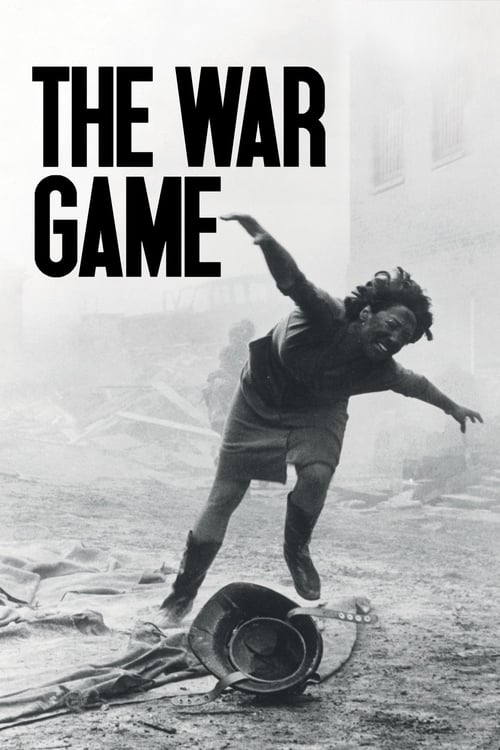
The War Game
War · 1966
A hypothetical Chinese invasion of South Vietnam triggers a new world war between East and West. In Rochester, Kent, the anticipation of a nuclear attack leads to mass evacuations. When a stray missile explodes, the ensuing firestorm blinds all those who see it. It's not long before the fabric of society is ripped apart from radiation poisoning, a lack of infrastructure and rioting for food and other necessities.
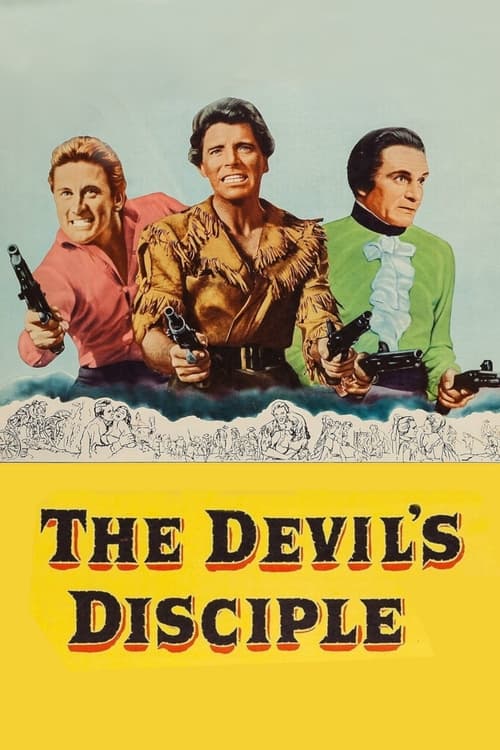
The Devil's Disciple
War · 1959
In a small New England town during the American War of Independence, Dick Dudgeon, a revolutionary American Puritan, is mistaken for local minister Rev. Anthony Anderson and arrested by the British. Dick discovers himself incapable of accusing another human to suffer and continues to masquerade as the reverend.
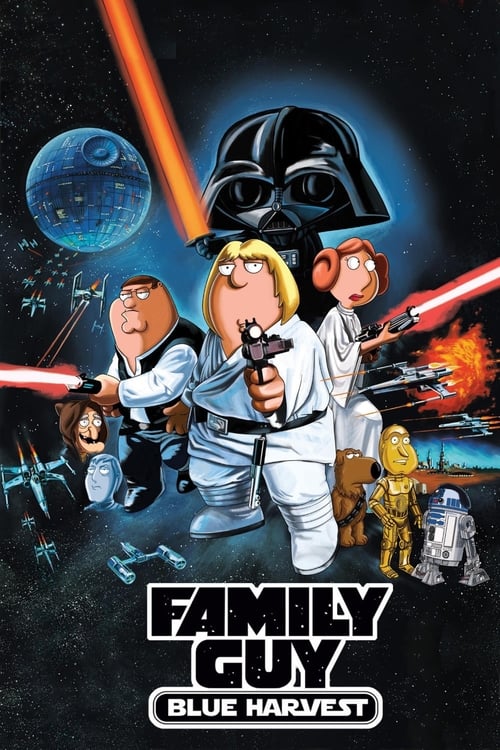
Family Guy Presents: Blue Harvest
Animation · 2007
With the Griffins stuck at home during a blackout, Peter tells the story of "Star Wars Episode IV: A New Hope".
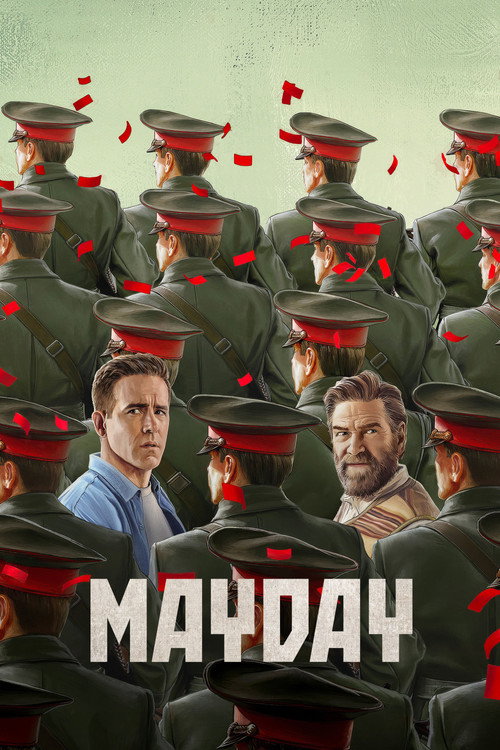
Mayday
Action · 2026
When a U.S. Navy pilot on a top-secret mission during the Cold War gets trapped behind enemy lines, his only chance at survival is to form an alliance with an eccentric ex-KGB agent.
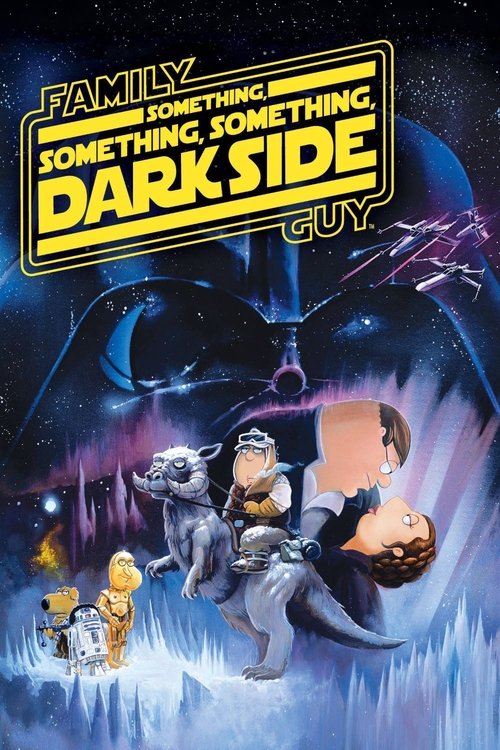
Family Guy Presents: Something, Something, Something, Dark Side
Animation · 2009
Peter makes good on another power outage at home by retelling "Star Wars Episode V: The Empire Strikes Back".

Sleeper
Comedy · 1973
Miles Monroe, a clarinet-playing health food store proprietor, is revived out of cryostasis 200 years into a future world in order to help rebels fight an oppressive government regime.
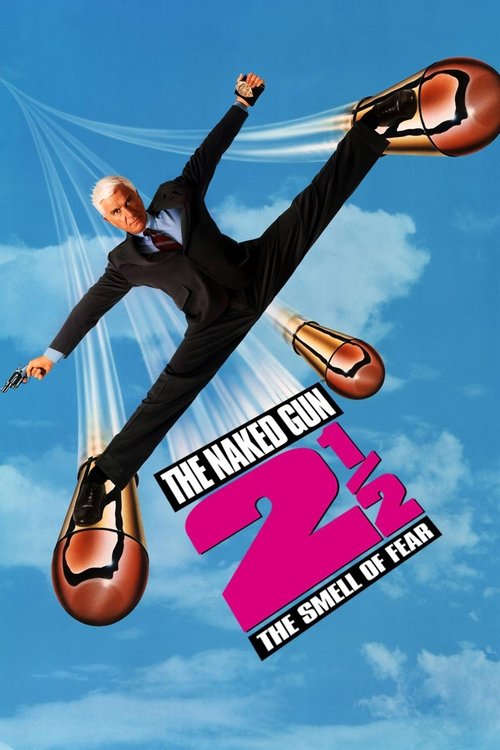
The Naked Gun 2½: The Smell of Fear
Comedy · 1991
Bumbling lieutenant Frank Drebin is out to foil the big boys in the energy industry, who intend to suppress technology that will put them out of business.
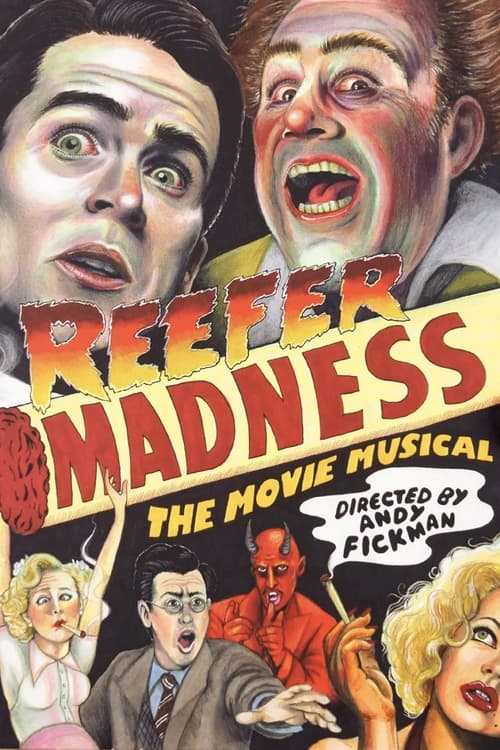
Reefer Madness: The Movie Musical
Comedy · 2006
From an ominous Lecturer, a small 1930s middle American community learns of the Harper Affair, in which young Jimmy Harper finds his life of promise turn into a life of debauchery and murder thanks to the new drug menace marijuana. Along the way, he receives help from his girlfriend Mary and Jesus Himself, but always finds himself in the arms of the Reefer Man and the rest of the denizens of the Reefer Den.

Hot Shots!
Action · 1991
The gang that created Airplane! and The Naked Gun sets its sights on Top Gun in this spoof. Topper Harley is a talented but unstable fighter pilot with an axe to grind: clearing the family name. His mission is to avenge his father and save a mission sabotaged by greedy weapons manufacturers. He also gets involved in a relationship with Ramada Thompson, a woman with an unusually talented stomach. Hot Shots! makes fun of a variety of other films, from Dances with Wolves to The Fabulous Baker Boys.
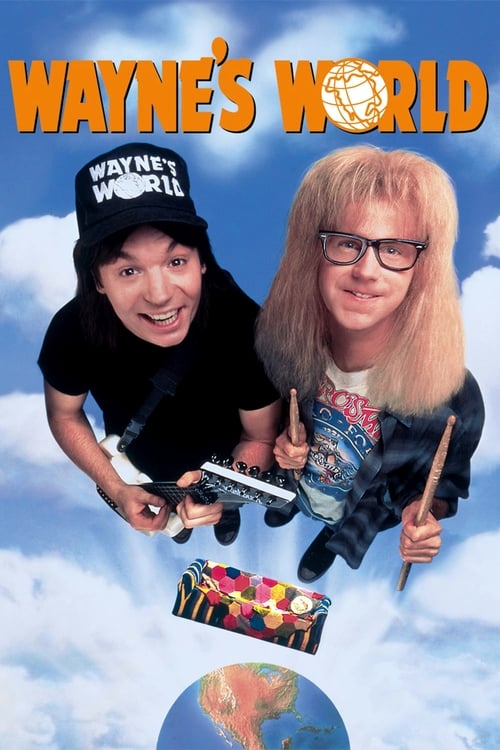
Wayne's World
Comedy · 1992
The adventures of two amiably aimless metal-head friends, Wayne and Garth. From Wayne's basement, the pair broadcast a talk-show called "Wayne's World" on local public access television. The show comes to the attention of a sleazy network executive who wants to produce a big-budget version of "Wayne's World"—and he also wants Wayne's girlfriend, a rock singer named Cassandra. Wayne and Garth have to battle the executive not only to save their show, but also Cassandra.
Cinema release signals and current streaming, rental, and purchase options for your region.
Streaming availability data supplied by JustWatch.
Cast & crew
Directed by
Stanley Kubrick
Written by
Stanley Kubrick · Terry Southern · Peter George
Peter Sellers
Group Capt. Lionel Mandrake / President Merkin Muffley / Dr. Strangelove
George C. Scott
General 'Buck' Turgidson
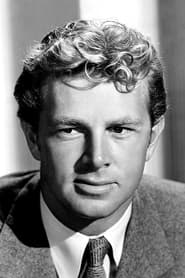
Sterling Hayden
Brigadier General Jack D. Ripper
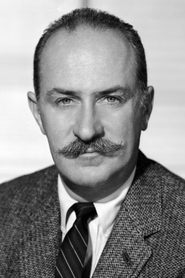
Keenan Wynn
Colonel Bat Guano
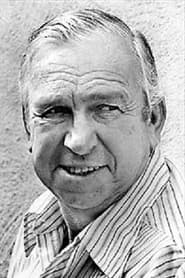
Slim Pickens
Major "King" Kong
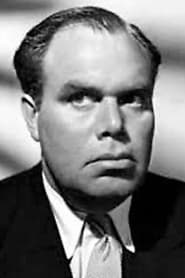
Peter Bull
Botschafter De Sadesky

James Earl Jones
Lt. Lothar Zogg
Two incompatible taste archetypes. One film. Read the arguments, then issue a completely binding cultural ruling.
“Form is the argument.”
Every composed frame and deliberate cut is evidence that control can be thrilling in its own right.
“Technique in search of a pulse.”
Immaculate construction is still construction. The film may be too busy proving its craft to feel alive.