The defence The Big-Idea Head
“Form is the argument.”
Every composed frame and deliberate cut is evidence that control can be thrilling in its own right.
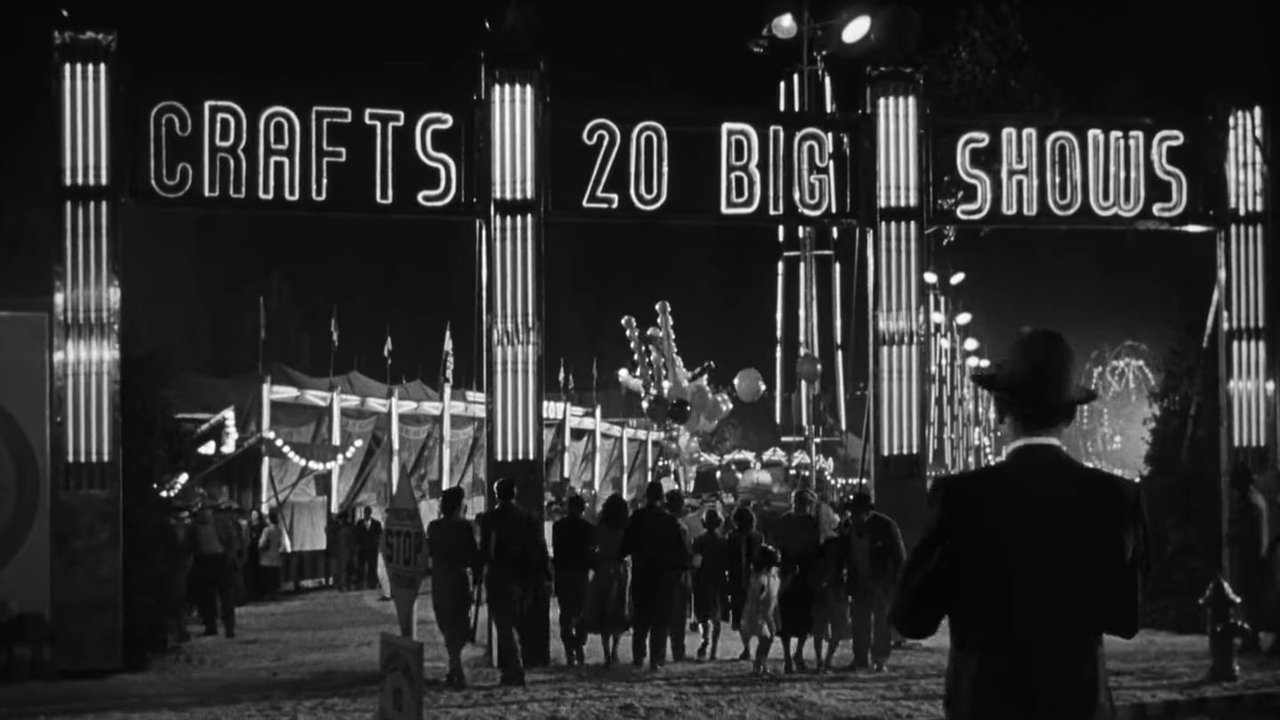
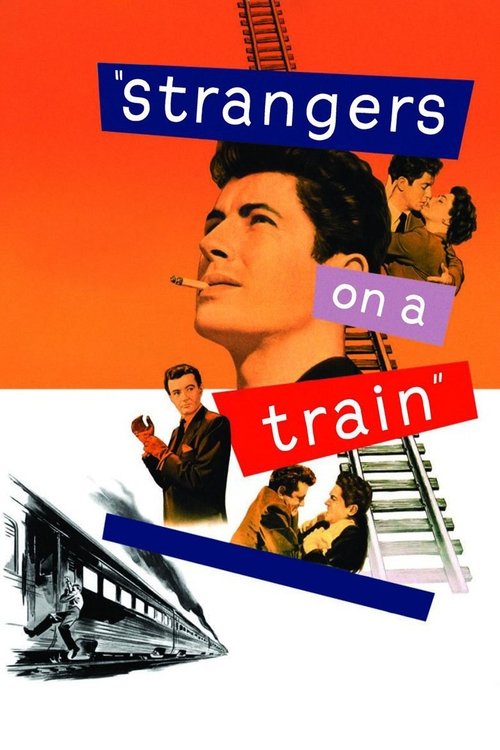
Strangers on a Train
Crime · Thriller · Drama · 1951
A charming psychopath tries to coerce a tennis star into his theory that two strangers can commit the perfect crime by exchanging murders—each killing the other’s most-hated person.
“It starts with a shriek of a train whistle... and ends with shrieking excitement!”
Critical arithmetic
Scores change. Arguments endure.
TMDB
7.7 / 10
Community rating
A charming psychopath tries to coerce a tennis star into his theory that two strangers can commit the perfect crime by exchanging murders—each killing the other’s most-hated person.
Not a recommendation score. A measure of how closely the film’s taste signals resemble yours.
The archetype split
The Big-Idea Head
“You watch with your brain, not your gut.”
Read their caseThe Popcorn Loyalist
“Big screen, big feelings, no apologies.”
Read their objectionThe split comes from the same five-axis model used by the test, not audience ratings or review sentiment.
TMDB supplies the candidates. CriticWise reorders them by craft, strangeness, prestige, emotion, and pace.
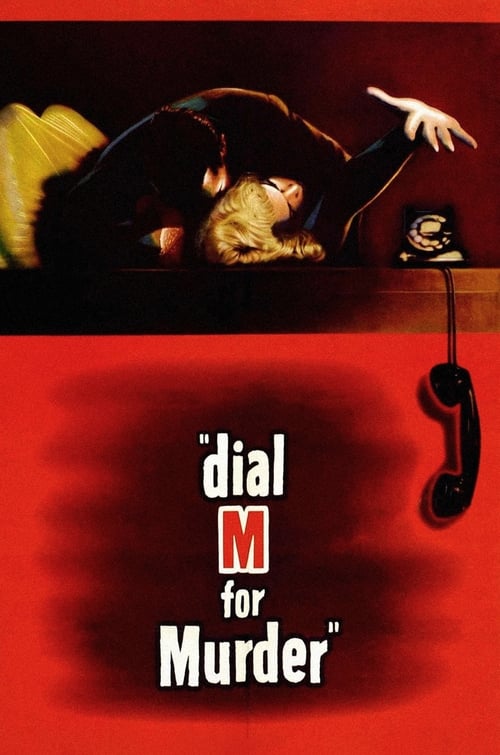
Dial M for Murder
Thriller · 1954
When her American lover visits London, a wealthy woman’s jealous husband hatches a plan to murder her and inherit her fortune.
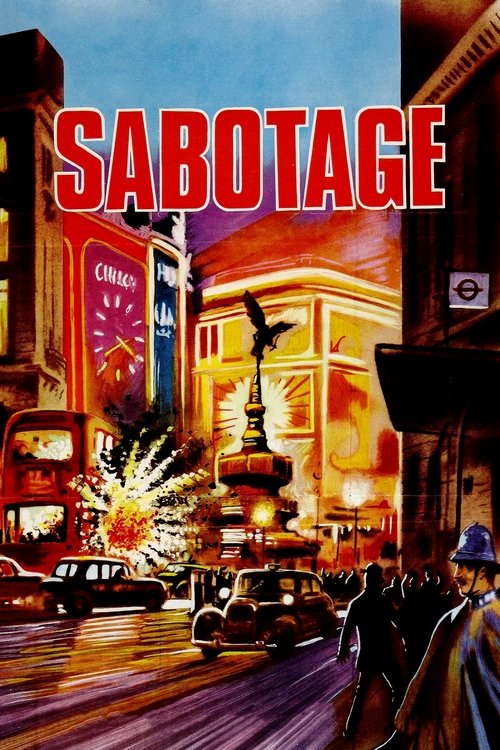
Sabotage
Drama · 1936
Karl Anton Verloc and his wife own a small cinema in a quiet London suburb where they live seemingly happily. But Mrs. Verloc does not know that her husband has a secret that will affect their relationship and threaten her teenage brother's life.
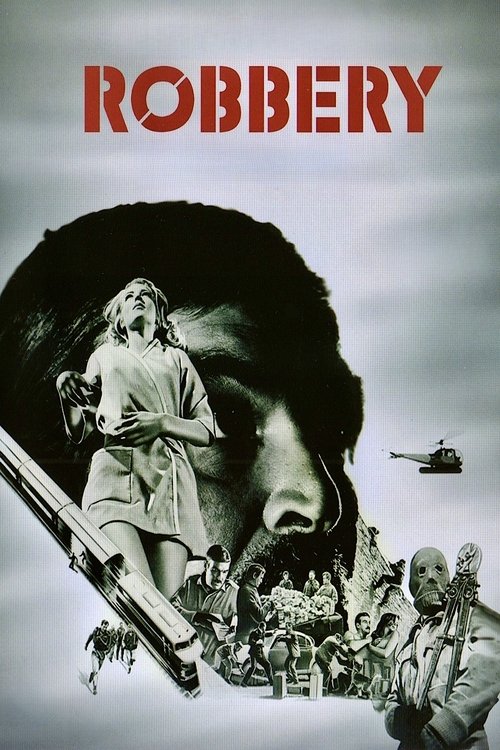
Robbery
Crime · 1967
In this fictionalised account of the Great Train Robbery, career criminal Paul Clifton plans an audacious crime: the robbery of a mail train carrying millions in cash.
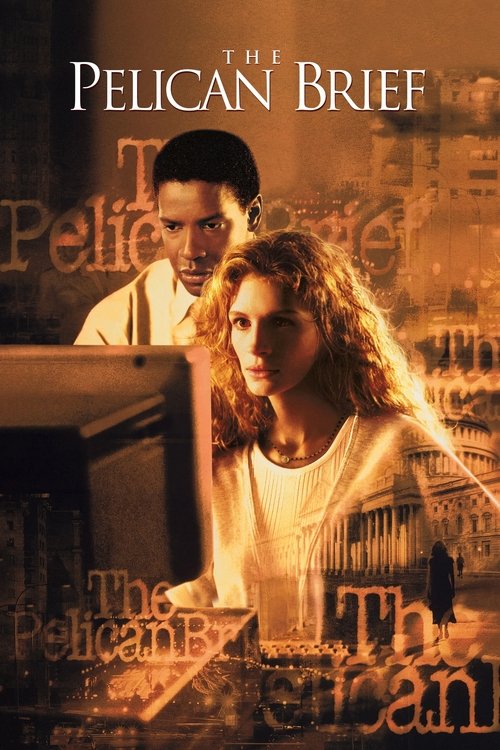
The Pelican Brief
Thriller · 1993
A law student's theory about the recent deaths of two Supreme Court justices embroils her in a far-reaching web of murder, corruption, and greed.
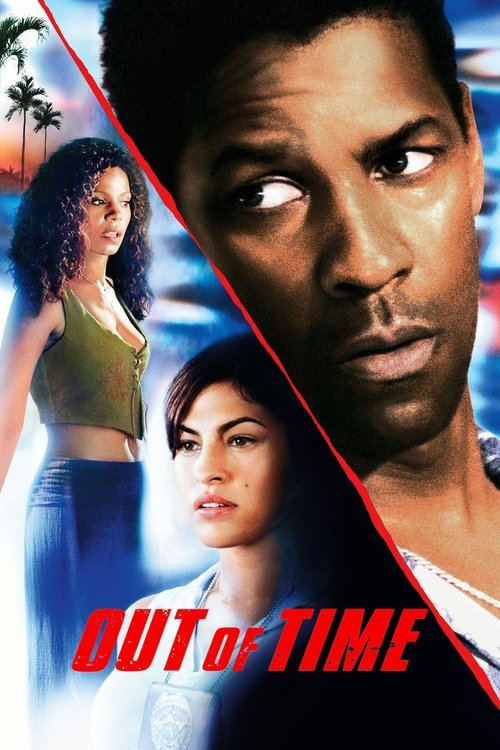
Out of Time
Thriller · 2003
Matt Lee Whitlock, respected chief of police in small Banyan Key, Florida, must solve a vicious double homicide before he himself falls under suspicion. Matt Lee has to stay a few steps ahead of his own police force and everyone he's trusted in order to find out the truth.
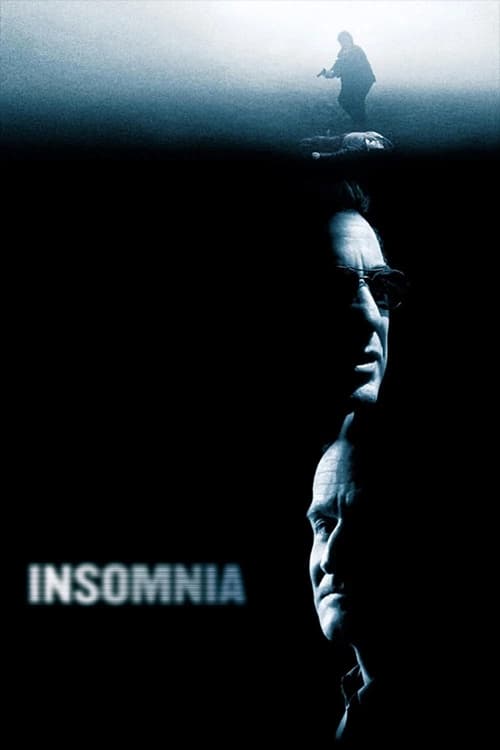
Insomnia
Thriller · 2002
Two Los Angeles homicide detectives are dispatched to a northern town where the sun doesn't set to investigate the methodical murder of a local teen.
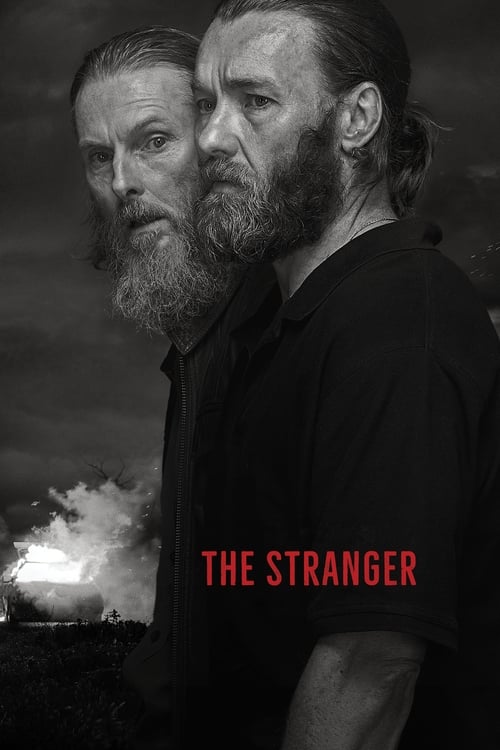
The Stranger
Thriller · 2022
Two strangers strike up a conversation on a long journey. However, neither is who they appear to be, each carry secrets that threaten to ruin them — and in the background, one of the nation's largest police operations is closing in.
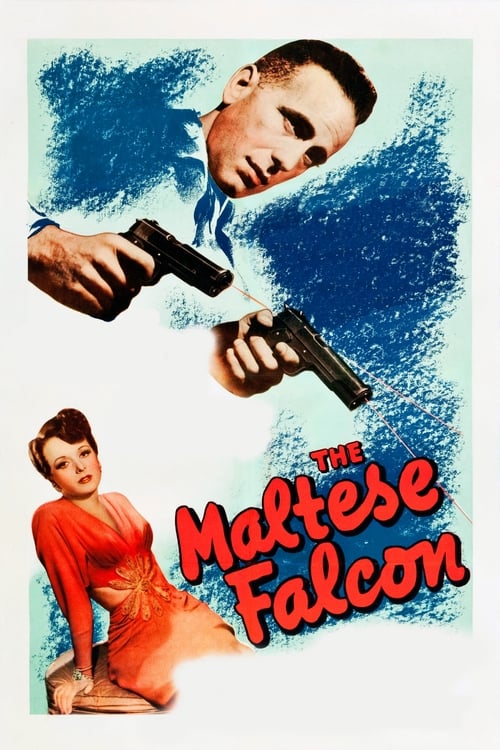
The Maltese Falcon
Mystery · 1941
A private detective takes on a case that involves him with three eccentric criminals, a beautiful liar, and their quest for a priceless statuette.
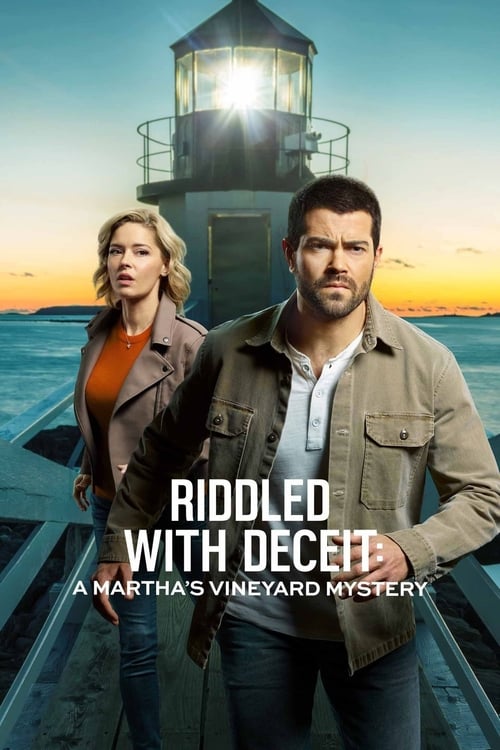
Riddled with Deceit: A Martha's Vineyard Mystery
Mystery · 2020
Former detective Jeff Jackson teams up with Dr. Zee Madieras to track down their friend's missing emerald brooch, a thief, and also... a murderer.
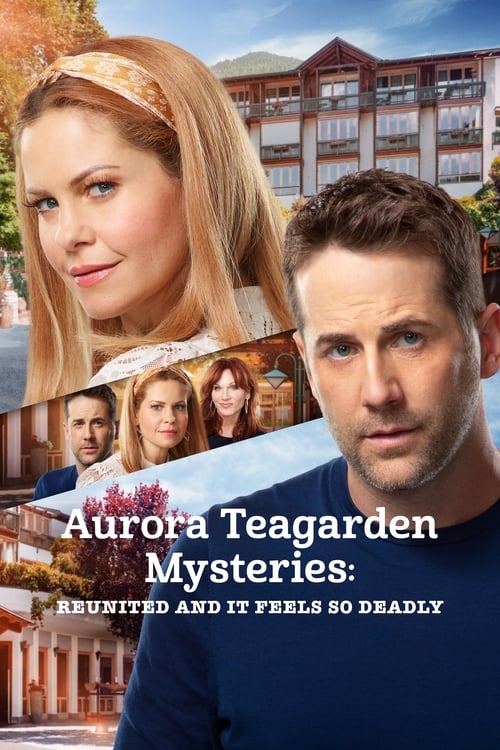
Aurora Teagarden Mysteries: Reunited and It Feels So Deadly
Mystery · 2020
Aurora's high school reunion turns deadly when a body is found in the hotel pool. Aurora and her Real Murders Club help investigate which classmate was most likely to kill.
Cinema release signals and current streaming, rental, and purchase options for your region.
Streaming availability data supplied by JustWatch.
Cast & crew
Directed by
Alfred Hitchcock
Written by
Raymond Chandler · Czenzi Ormonde

Farley Granger
Guy Haines

Ruth Roman
Anne Morton
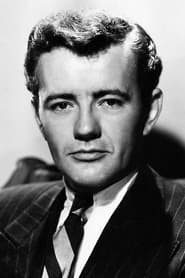
Robert Walker
Bruno Antony
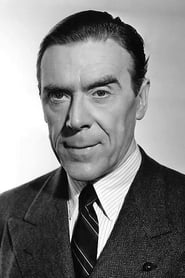
Leo G. Carroll
Senator Morton

Patricia Hitchcock
Barbara Morton

Kasey Rogers
Miriam Haines

Marion Lorne
Mrs. Antony
Two incompatible taste archetypes. One film. Read the arguments, then issue a completely binding cultural ruling.
“Form is the argument.”
Every composed frame and deliberate cut is evidence that control can be thrilling in its own right.
“Technique in search of a pulse.”
Immaculate construction is still construction. The film may be too busy proving its craft to feel alive.