The defence The Popcorn Loyalist
“Sincerity is not manipulation.”
The film risks embarrassment to make emotion communal, and that openness is harder than fashionable detachment.
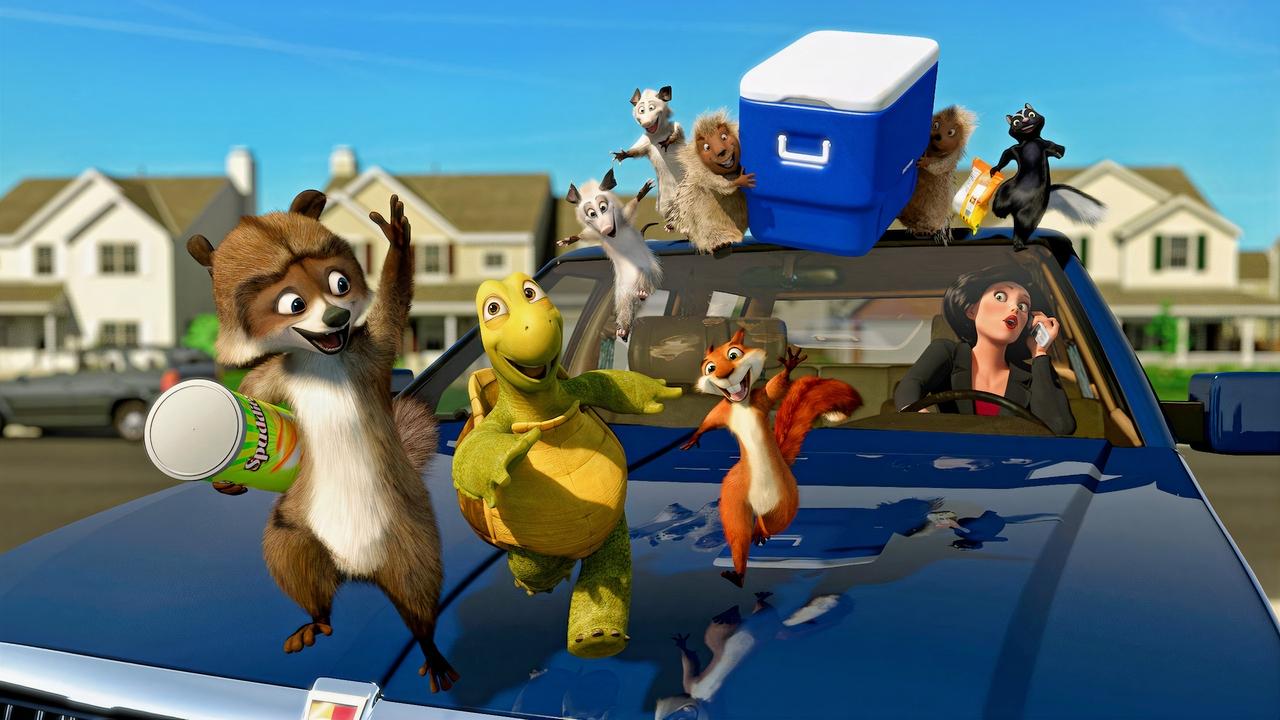
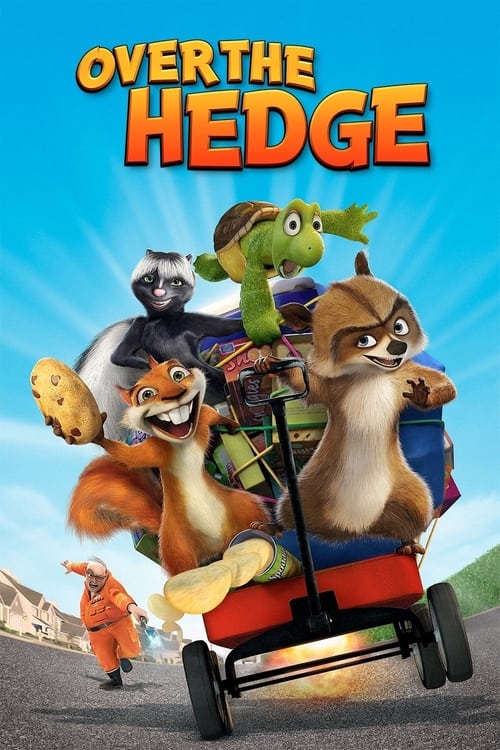
Over the Hedge
Adventure · Animation · Comedy · 2006
A scheming raccoon fools a mismatched family of forest creatures into helping him repay a debt of food, by invading the new suburban sprawl that popped up while they were hibernating – and learns a lesson about family himself.
“Get over it.”
Critical arithmetic
Scores change. Arguments endure.
TMDB
6.6 / 10
Community rating
A scheming raccoon fools a mismatched family of forest creatures into helping him repay a debt of food, by invading the new suburban sprawl that popped up while they were hibernating – and learns a lesson about family himself.
Not a recommendation score. A measure of how closely the film’s taste signals resemble yours.
The archetype split
The Popcorn Loyalist
“Big screen, big feelings, no apologies.”
Read their caseThe Cool Ironist
“Feeling things is a little embarrassing.”
Read their objectionThe split comes from the same five-axis model used by the test, not audience ratings or review sentiment.
TMDB supplies the candidates. CriticWise reorders them by craft, strangeness, prestige, emotion, and pace.
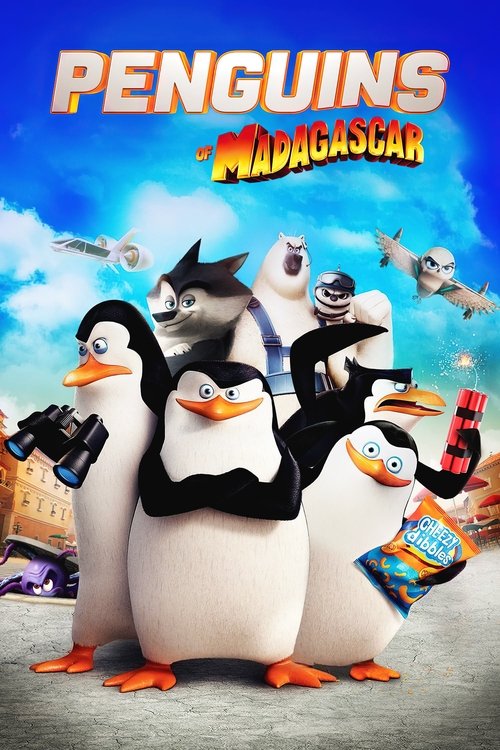
Penguins of Madagascar
Family · 2014
Skipper, Kowalski, Rico and Private join forces with undercover organization The North Wind to stop the villainous Dr. Octavius Brine from destroying the world as we know it.
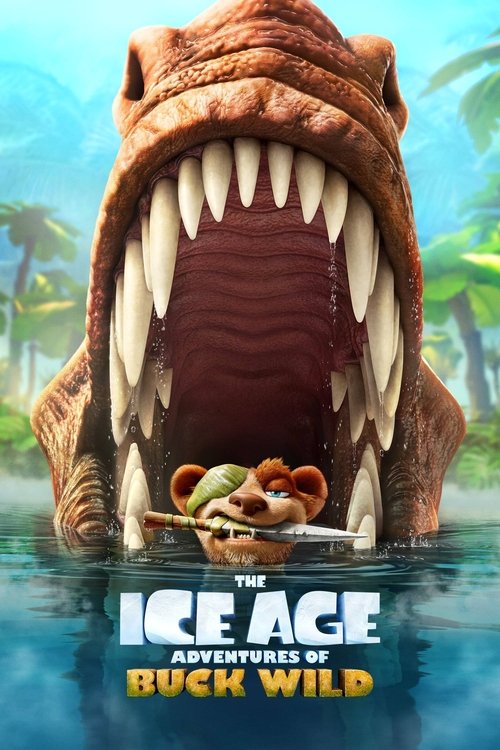
The Ice Age Adventures of Buck Wild
Animation · 2022
The fearless one-eyed weasel Buck teams up with mischievous possum brothers Crash & Eddie as they head off on a new adventure into Buck's home: The Dinosaur World.
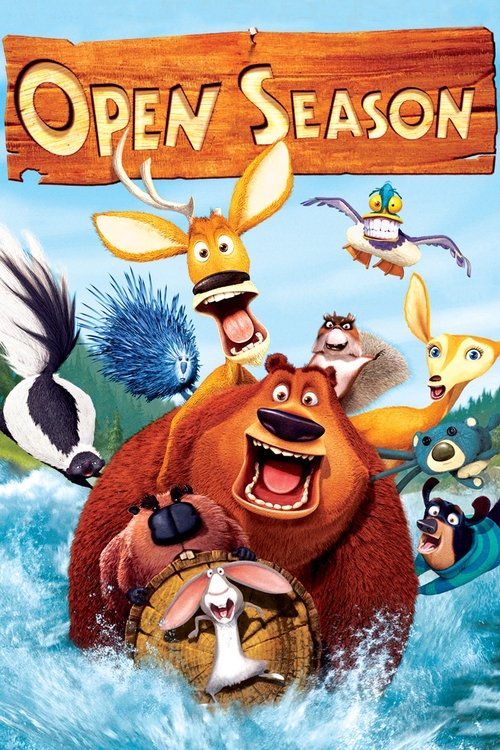
Open Season
Animation · 2006
Boog, a domesticated 900lb. Grizzly bear finds himself stranded in the woods 3 days before Open Season. Forced to rely on Elliot, a fast-talking mule deer, the two form an unlikely friendship and must quickly rally other forest animals if they are to form a rag-tag army against the hunters.
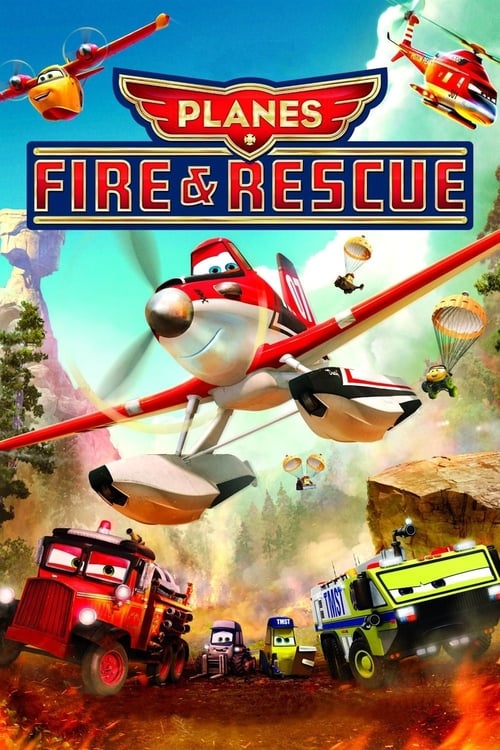
Planes: Fire & Rescue
Animation · 2014
When world-famous air racer Dusty learns that his engine is damaged and he may never race again, he must shift gears and is launched into the world of aerial firefighting. Dusty joins forces with veteran fire and rescue helicopter Blade Ranger and his team, a bunch of all-terrain vehicles known as The Smokejumpers. Together, the fearless team battles a massive wildfire, and Dusty learns what it takes to become a true hero.
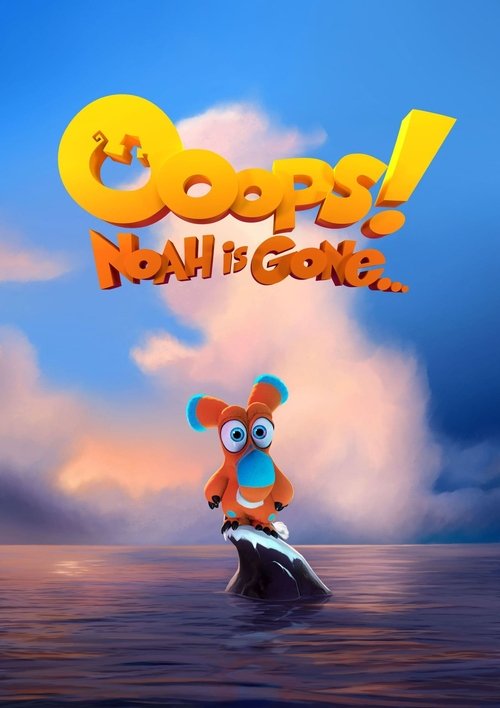
Ooops! Noah Is Gone...
Animation · 2015
It's the end of the world. A flood is coming. Luckily for Dave and his son Finny, a couple of clumsy Nestrians, an Ark has been built to save all animals. But as it turns out, Nestrians aren't allowed. Sneaking on board with the involuntary help of Hazel and her daughter Leah, two Grymps, they think they're safe. Until the curious kids fall off the Ark. Now Finny and Leah struggle to survive the flood and hungry predators and attempt to reach the top of a mountain, while Dave and Hazel must put aside their differences, turn the Ark around and save their kids. It's definitely not going to be smooth sailing.
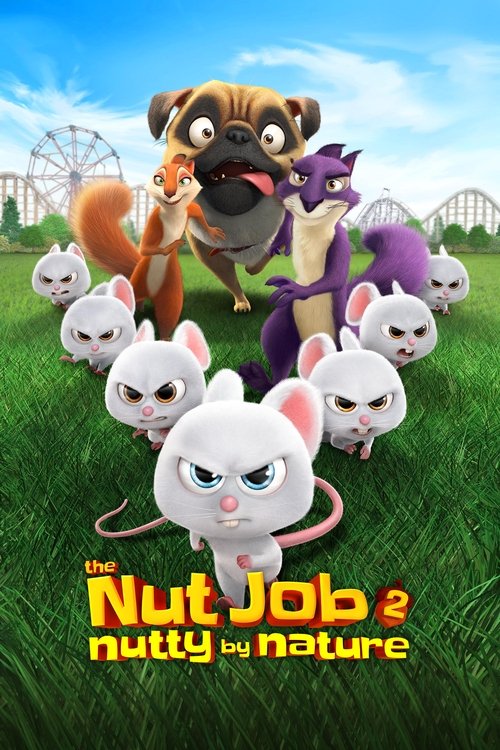
The Nut Job 2: Nutty by Nature
Animation · 2017
When the evil mayor of Oakton decides to bulldoze Liberty Park and build a dangerous amusement park in its place, Surly Squirrel and his ragtag group of animal friends need to band together to save their home, defeat the mayor, and take back the park.
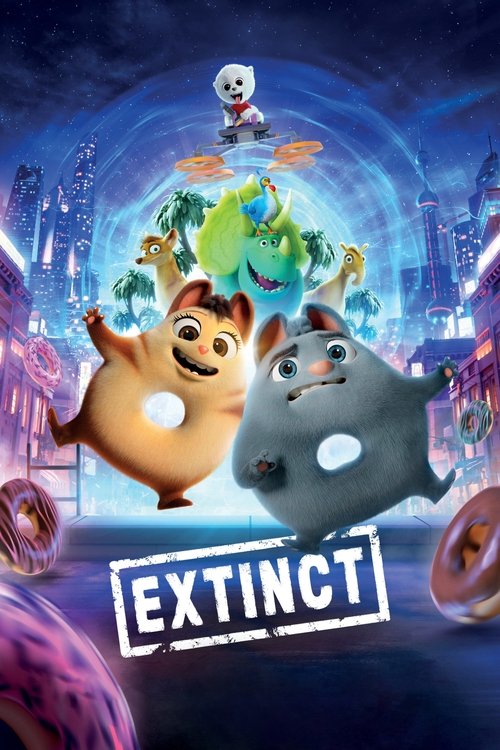
Extinct
Animation · 2021
Op and Ed, two adorable donut-shaped animals - flummels - accidentally time-travel from 1835 to modern-day Shanghai. There they discover traffic, trans fats, and worst of all, that flummels are now extinct. It's up to this bumbling pair to save themselves and their species...and, just maybe, change the course of history.

Clifford's Really Big Movie
Family · 2004
Fearing that he costs too much to feed, Clifford decides to join a traveling carnival so he can enter a talent contest in hopes of winning a lifetime supply of Tummy Yummies treats. Joined by his friends Cleo and T-Bone, Clifford meets up with Shackleford the High-Flying Ferret and Rodrigo Chihuahua of Steel, as they work together to turn a broken-down act into a record-breaking show.

Saving Bikini Bottom: The Sandy Cheeks Movie
Family · 2024
When Bikini Bottom is scooped from the ocean, scientific squirrel Sandy Cheeks and her pal SpongeBob SquarePants saddle up for Texas to save their town.
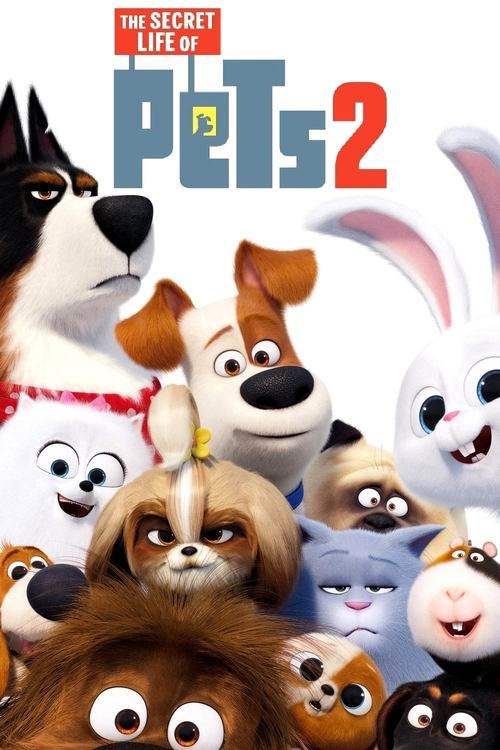
The Secret Life of Pets 2
Animation · 2019
Max the terrier must cope with some major life changes when his owner gets married and has a baby. When the family takes a trip to the countryside, nervous Max has numerous run-ins with canine-intolerant cows, hostile foxes and a scary turkey. Luckily for Max, he soon catches a break when he meets Rooster, a gruff farm dog who tries to cure the lovable pooch of his neuroses.
Cinema release signals and current streaming, rental, and purchase options for your region.
Streaming availability data supplied by JustWatch.
Cast & crew
Directed by
Karey Kirkpatrick · Tim Johnson
Written by
Len Blum · Lorne Cameron · David Hoselton · Karey Kirkpatrick

Bruce Willis
RJ (voice)
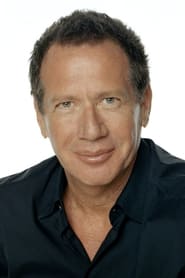
Garry Shandling
Verne (voice)

Steve Carell
Hammy (voice)

Wanda Sykes
Stella (voice)

William Shatner
Ozzie (voice)
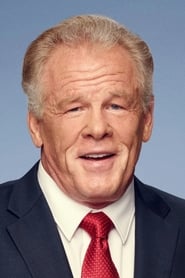
Nick Nolte
Vincent (voice)
Thomas Haden Church
Dwayne (voice)
Two incompatible taste archetypes. One film. Read the arguments, then issue a completely binding cultural ruling.
“Sincerity is not manipulation.”
The film risks embarrassment to make emotion communal, and that openness is harder than fashionable detachment.
“The strings are showing.”
Every cue tells you exactly what to feel and when, leaving sentiment to do the work character should have done.