The defence The Prestige Tourist
“Sincerity is not manipulation.”
The film risks embarrassment to make emotion communal, and that openness is harder than fashionable detachment.

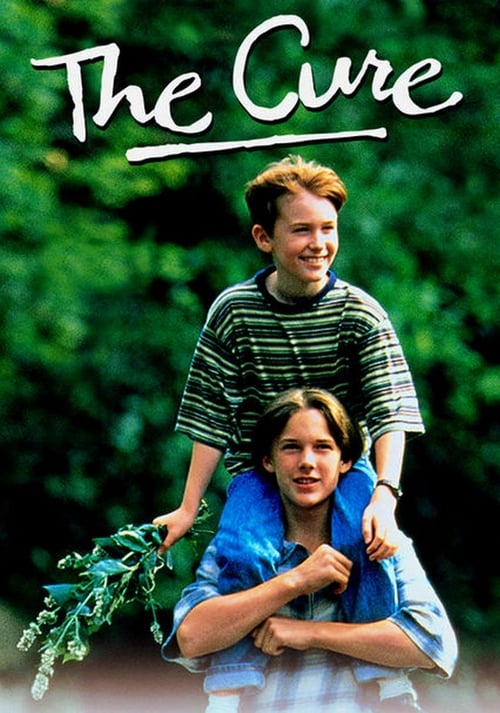
The Cure
Drama · Family · 1995
Erik, a loner, finds a friend in Dexter, an eleven-year-old boy with AIDS. They vow to find a cure for AIDS together and save Dexter's life in an eventful summer.
“The best cure for a disease is friendship.”
Critical arithmetic
Scores change. Arguments endure.
TMDB
7.9 / 10
Community rating
Erik, a loner, finds a friend in Dexter, an eleven-year-old boy with AIDS. They vow to find a cure for AIDS together and save Dexter's life in an eventful summer.
Not a recommendation score. A measure of how closely the film’s taste signals resemble yours.
The archetype split
The Prestige Tourist
“You like your greatness pre-approved.”
Read their caseThe Popcorn Loyalist
“Big screen, big feelings, no apologies.”
Read their objectionThe split comes from the same five-axis model used by the test, not audience ratings or review sentiment.
Cinema release signals and current streaming, rental, and purchase options for your region.
Streaming availability data supplied by JustWatch.
Cast & crew
Directed by
Peter Horton
Written by
Robert Kuhn

Joseph Mazzello
Dexter

Brad Renfro
Erik

Annabella Sciorra
Linda

Diana Scarwid
Gail

Bruce Davison
Dr. Stevens

Nicky Katt
Pony

Aeryk Egan
Tyler
Two incompatible taste archetypes. One film. Read the arguments, then issue a completely binding cultural ruling.
“Sincerity is not manipulation.”
The film risks embarrassment to make emotion communal, and that openness is harder than fashionable detachment.
“The strings are showing.”
Every cue tells you exactly what to feel and when, leaving sentiment to do the work character should have done.