The defence The Prestige Tourist
“Sincerity is not manipulation.”
The film risks embarrassment to make emotion communal, and that openness is harder than fashionable detachment.

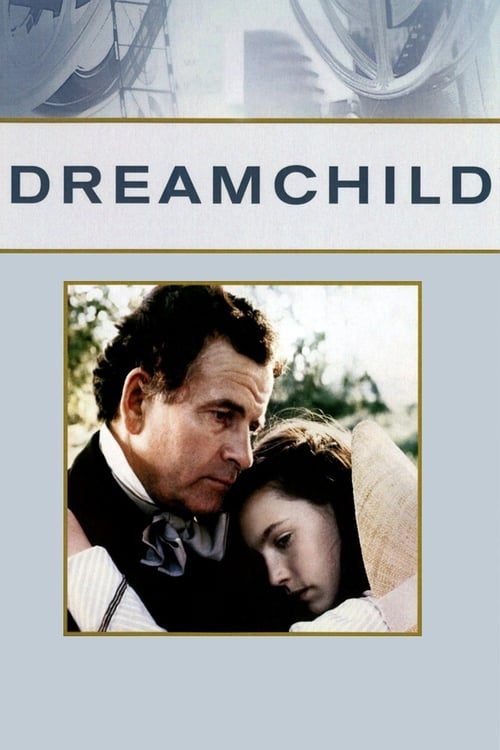
Dreamchild
Drama · Fantasy · 1985
80-year-old Alice Hargreaves is about to visit Columbia University to attend a reception in honour of author Lewis Carroll. As a child, Alice's close friendship with the writer was the creative catalyst for Carroll's most beloved work. However, as Alice reflects on her experiences with the author, she slowly realises the complexity of their bond has had lasting, deeply felt ramifications.
“He loved the child we will never forget...”
Critical arithmetic
Scores change. Arguments endure.
TMDB
6.6 / 10
Community rating
80-year-old Alice Hargreaves is about to visit Columbia University to attend a reception in honour of author Lewis Carroll. As a child, Alice's close friendship with the writer was the creative catalyst for Carroll's most beloved work. However, as Alice reflects on her experiences with the author, she slowly realises the complexity of their bond has had lasting, deeply felt ramifications.
Not a recommendation score. A measure of how closely the film’s taste signals resemble yours.
The archetype split
The Prestige Tourist
“You like your greatness pre-approved.”
Read their caseThe Popcorn Loyalist
“Big screen, big feelings, no apologies.”
Read their objectionThe split comes from the same five-axis model used by the test, not audience ratings or review sentiment.
TMDB supplies the candidates. CriticWise reorders them by craft, strangeness, prestige, emotion, and pace.

Orlando
Drama · 1992
England, 1600. Queen Elizabeth I promises Orlando, a young nobleman obsessed with poetry, that she will grant him land and fortune if he agrees to satisfy a very particular request.

The Lovely Bones
Fantasy · 2009
After being brutally murdered, 14-year-old Susie Salmon watches from heaven over her grief-stricken family -- and her killer. As she observes their daily lives, she must balance her thirst for revenge with her desire for her family to heal.

FX's A Christmas Carol
Drama · 2019
London, 1843. Ebenezer Scrooge, a bitter old man, despises the Christmas holiday. Over the course of Christmas Eve night he is visited by three ghosts to show him his past, present and future.

My Zoe
Drama · 2019
Isabelle, a geneticist recovering from a toxic marriage, is raising her only daughter, Zoe, with her contentious ex-husband. Zoe means everything to her mother and so when tragedy strikes the fractured family, Isabelle travels to Russia in seeking the help of a world-renowned fertility physician who Isabelle believes can help bring back her little girl.
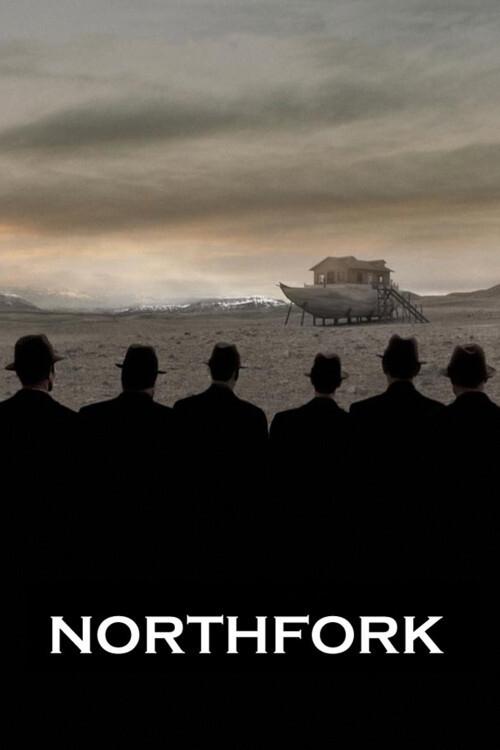
Northfork
Fantasy · 2003
The year is 1955, and a great flood is coming to Northfork, Montana. A new hydroelectric dam is about to be installed in the mountains above the town, ready to submerge the valley in the name of progress. It is the responsibility of a six-man Evacuation Committee to relocate the townsfolk to higher ground. Most have duly departed, but a few stubborn stragglers remain – among them a priest caring for a sickly orphan, a boy whose fevered visions are leading him to believe he is a member of a roaming band of lost angels desperately searching for a way home.

Passing
Drama · 2021
In 1920s New York City, a Black woman finds her world upended when her life becomes intertwined with a former childhood friend who's passing as white.

Wonderstruck
Drama · 2017
The story of a young boy in the Midwest is told simultaneously with a tale about a young girl in New York from fifty years ago as they both seek the same mysterious connection.
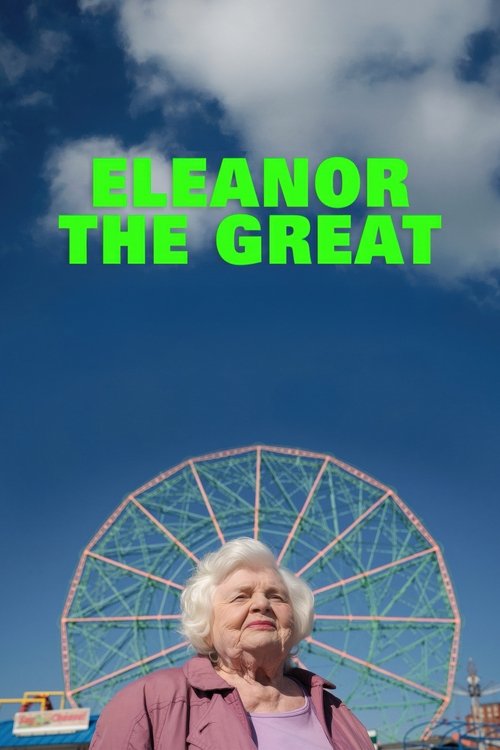
Eleanor the Great
Drama · 2025
94-year-old Eleanor Morgenstein tries to rebuild her life after the death of her best friend. As a result, she moves back to New York City after living in Florida for decades.

Safe
Drama · 1995
Carol White, a Los Angeles housewife in the late 1980s, comes down with a debilitating illness with no clear diagnosis.
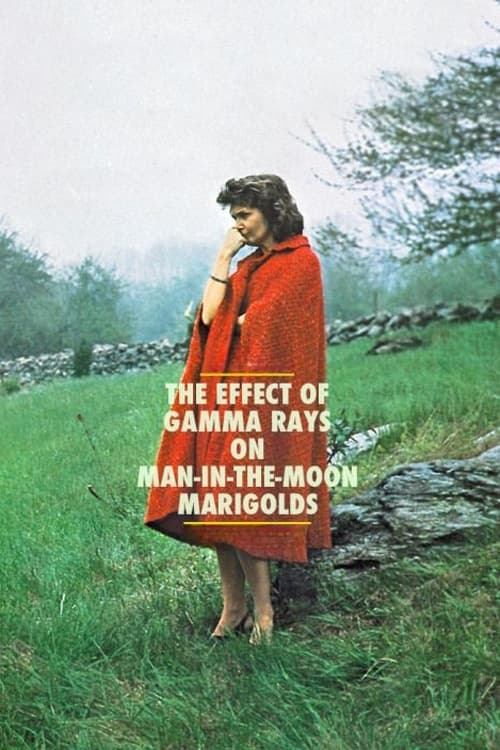
The Effect of Gamma Rays on Man-in-the-Moon Marigolds
Drama · 1972
Middle-aged widow Beatrice Hunsdorfer and her daughters Ruth and Matilda are struggling to survive in a society they barely understand. Beatrice dreams of opening an elegant tea room but does not have the wherewithal to achieve her lofty goal. Epileptic Ruth is a rebellious adolescent, while shy but highly intelligent and idealistic Matilda seeks solace in her pets and school projects, including one designed to show how small amounts of radium affect marigolds.
Cinema release signals and current streaming, rental, and purchase options for your region.
Streaming availability data supplied by JustWatch.
Cast & crew
Directed by
Gavin Millar
Written by
Dennis Potter

Coral Browne
Alice Hargreaves

Ian Holm
Reverend Charles L. Dodgson / Lewis Carroll

Peter Gallagher
Jack Dolan
Caris Corfman
Sally Mackeson

Nicola Cowper
Lucy

Jane Asher
Mrs. Liddell

Amelia Shankley
Little Alice
Two incompatible taste archetypes. One film. Read the arguments, then issue a completely binding cultural ruling.
“Sincerity is not manipulation.”
The film risks embarrassment to make emotion communal, and that openness is harder than fashionable detachment.
“The strings are showing.”
Every cue tells you exactly what to feel and when, leaving sentiment to do the work character should have done.