The defence The Auteur Devotee
“Ambition earns the room.”
The film reaches for consequence and scale, accepting the risk of seriousness instead of shrinking from it.
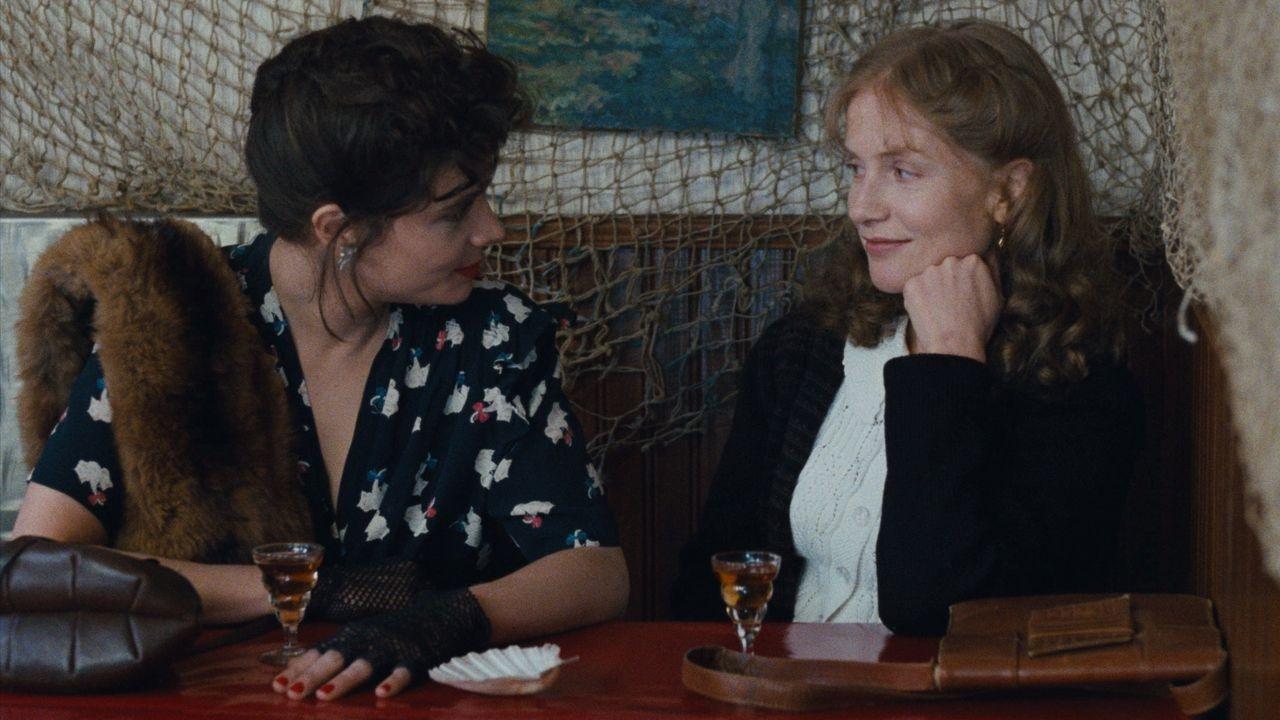

Story of Women
Drama · History · 1988
France, World War II. In order to somehow make ends meet, the mother of two children, Marie Latour, does underground abortions and rents a room to a familiar prostitute. She doesn't pay any attention to her husband, who returned from the war because of his injury, and lives her own life. Abortions gradually begin to bring a good income, and boredom can be easily dispelled by starting up with a young lover.
Critical arithmetic
Scores change. Arguments endure.
TMDB
7.3 / 10
Community rating
France, World War II. In order to somehow make ends meet, the mother of two children, Marie Latour, does underground abortions and rents a room to a familiar prostitute. She doesn't pay any attention to her husband, who returned from the war because of his injury, and lives her own life. Abortions gradually begin to bring a good income, and boredom can be easily dispelled by starting up with a young lover.
Not a recommendation score. A measure of how closely the film’s taste signals resemble yours.
The archetype split
The Auteur Devotee
“You watch the director, not the movie.”
Read their caseThe Popcorn Loyalist
“Big screen, big feelings, no apologies.”
Read their objectionThe split comes from the same five-axis model used by the test, not audience ratings or review sentiment.
TMDB supplies the candidates. CriticWise reorders them by craft, strangeness, prestige, emotion, and pace.

Vivre Sa Vie
Drama · 1962
Twelve episodic tales in the life of a Parisian woman and her slow descent into prostitution.

Another Day
Drama · 2026
Garance is a young actress, but not a star. She manages everything as best she can, valiant, cheerful, a soldier, and she finds in alcohol an unconditional fuel, a source of comfort. Garance changes her life and begins an eight-year journey of moves, work, encounters, parties and anxieties, joys and hardships… An intimate, friendly, and sexual revolution. But she consumes, more and more. Until the very possibility of death…

A Love to Hide
Drama · 2005
A young Jewish girl, Sara, is looking to escape the clutches of the Third Reich after seeing her parents and sister brutally slain by a smuggler who betrayed them while attempting to escape to England. Terrified, she is sheltered by her childhood friend Jean, a homosexual in a clandestine relationship with his lover Philippe.

Sometimes in April
Drama · 2005
Two brothers are divided by marriage and fate during the 100 horrifying days of the 1994 Rwandan genocide.

Triumph of the Spirit
Drama · 1989
During World War II, Salamo Arouch, a passionate boxer, is arrested and sent to a concentration camp. Soon, he is forced to box against his fellow prisoners for the sake of entertainment.

Shooting Dogs
Drama · 2006
Two westerners, a priest and a teacher find themselves in the middle of the Rwandan genocide and face a moral dilemna. Do they place themselves in danger and protect the refugees, or escape the country with their lives? Based on a true story.

Ike: Countdown to D-Day
Drama · 2004
The story of the senior-level preparations for the D-Day invasion on June 6, 1944 from the time of Dwight D. Eisenhower's appointment as the Supreme Allied Commander in Europe, to the establishment of the beachhead in Normandy.

Casualties of War
Drama · 1989
During the Vietnam War, a soldier finds himself the outsider of his own squad when they unnecessarily kidnap a female villager.

The Baby of Mâcon
Drama · 1993
In 17th-century Tuscany, a church play is performed for the benefit of young aristocrat Cosimo. In the play, a grotesque old woman gives birth to a beautiful baby boy. The child's older sister is quick to exploit the situation, selling blessings from the baby, and even claiming she's the true mother by virgin birth. However, when she attempts to seduce the bishop's son, the Church exacts a terrible revenge.

The Margin
Drama · 1976
A businessman leaves his country home, and wife and young son for a business trip to Paris. While there he develops a sexual and spiritual bond with a call girl.
Cinema release signals and current streaming, rental, and purchase options for your region.
Streaming availability data supplied by JustWatch.
Cast & crew
Directed by
Claude Chabrol
Written by
Colo Tavernier O'Hagan · Claude Chabrol

Isabelle Huppert
Marie Latour

François Cluzet
Paul Latour

Nils Tavernier
Lucien

Marie Trintignant
Lulu / Lucie
Guillaume Foutrier
Pierrot 1
Nicolas Foutrier
Pierrot 2
Aurore Gauvin
Mouche 1
Two incompatible taste archetypes. One film. Read the arguments, then issue a completely binding cultural ruling.
“Ambition earns the room.”
The film reaches for consequence and scale, accepting the risk of seriousness instead of shrinking from it.
“Importance has entered the chat.”
The production keeps announcing its significance, as though awards-season posture were proof of insight.