The defence The Sentimental Softie
“Sincerity is not manipulation.”
The film risks embarrassment to make emotion communal, and that openness is harder than fashionable detachment.
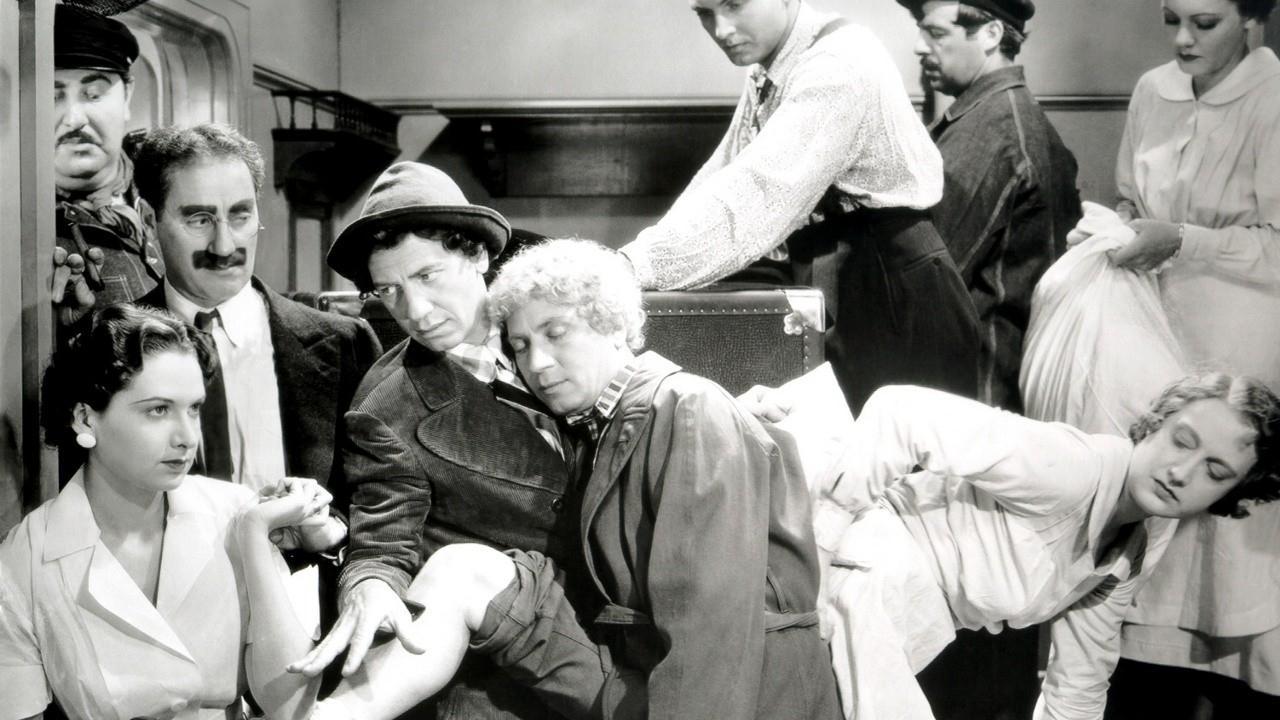
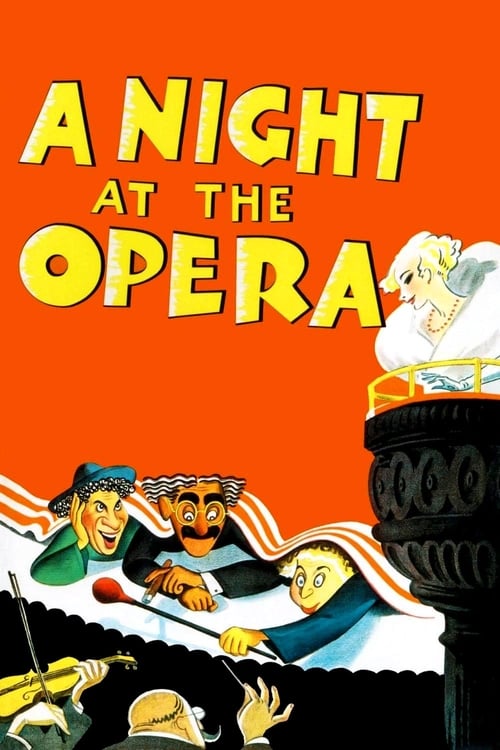
A Night at the Opera
Comedy · Music · 1935
The Marx Brothers take on high society and the opera world to bring two lovers together. A sly business manager and two wacky friends of two opera singers help them achieve success while humiliating their stuffy and snobbish enemies.
“Don't miss it! The funniest picture ever made!”
Critical arithmetic
Scores change. Arguments endure.
TMDB
7.4 / 10
Community rating
The Marx Brothers take on high society and the opera world to bring two lovers together. A sly business manager and two wacky friends of two opera singers help them achieve success while humiliating their stuffy and snobbish enemies.
Not a recommendation score. A measure of how closely the film’s taste signals resemble yours.
The archetype split
The Sentimental Softie
“You came to feel something, and you will.”
Read their caseThe Cool Ironist
“Feeling things is a little embarrassing.”
Read their objectionThe split comes from the same five-axis model used by the test, not audience ratings or review sentiment.
TMDB supplies the candidates. CriticWise reorders them by craft, strangeness, prestige, emotion, and pace.

Adam Sandler: 100% Fresh
Comedy · 2018
Adam Sandler takes his comical musical musings back out on the road, from comedy clubs to concert halls to one very unsuspecting subway station.

Bo Burnham: Make Happy
Comedy · 2016
Combining his trademark wit and self-deprecating humor with original music, Bo Burnham offers up his unique twist on life in this stand-up special about life, death, sexuality, hypocrisy, mental illness and Pringles cans.
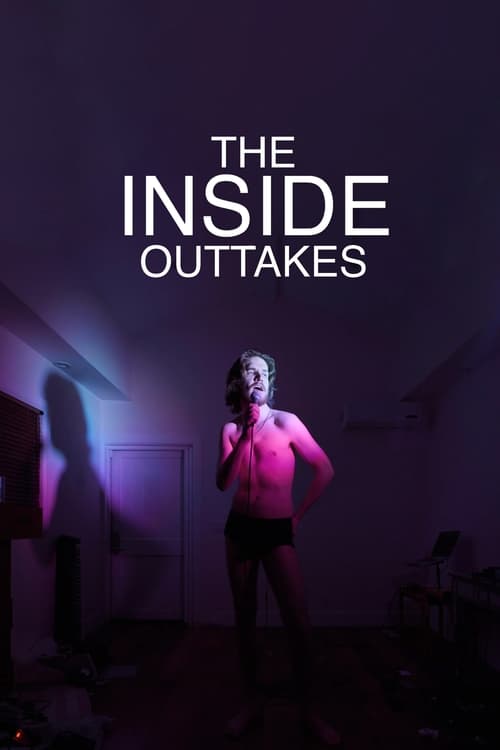
Bo Burnham: The Inside Outtakes
Comedy · 2022
Exactly one year after the release of the one man show, "Bo Burnham: Inside" (made in one room, by one person, throughout the pandemic,) comes a series of unseen outtakes, deleted scenes, alternative versions of songs, and new songs unused from the special.
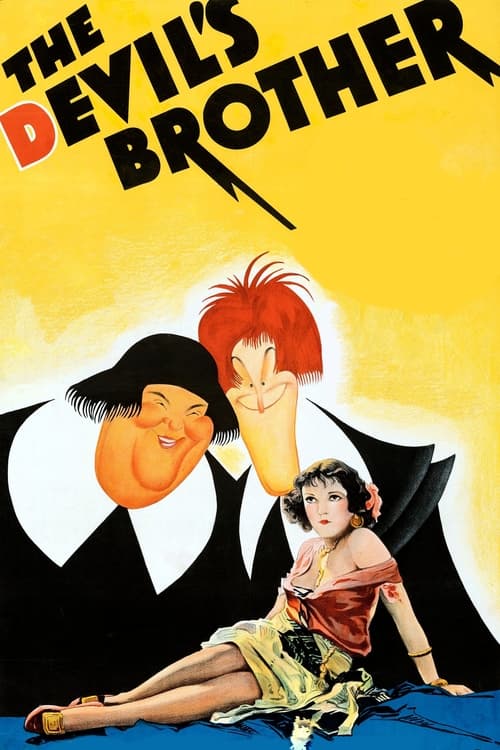
The Devil's Brother
Comedy · 1933
Two wannabe bandits join the service of a dashing nobleman, who secretly masquerades as Fra Diavolo, a notorious outlaw.

A Mighty Wind
Comedy · 2003
Three eclectic, never-quite-famous folk bands come together for the first time in decades following the death of their manager to put on an reunion concert in his honor, at the request of his son.

Weird: The Al Yankovic Story
Music · 2022
Exploring every facet of ‘Weird Al’ Yankovic’s life, from his meteoric rise to fame with early hits like ‘Eat It’ and ‘Like a Surgeon’ to his torrid celebrity love affairs and famously depraved lifestyle, this biopic takes audiences on a truly unbelievable journey through Yankovic’s life and career, from gifted child prodigy to the greatest musical legend of all time.
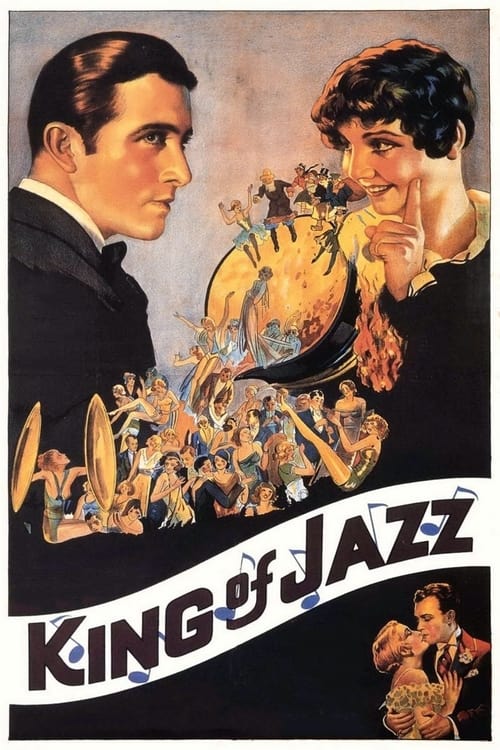
King of Jazz
Music · 1930
A large-scale revue musical built around Paul Whiteman and his orchestra, presenting a series of musical performances, sketches, and staged tableaux in early two-color Technicolor, emblematic of Hollywood’s early sound-era “all-star” musical productions.
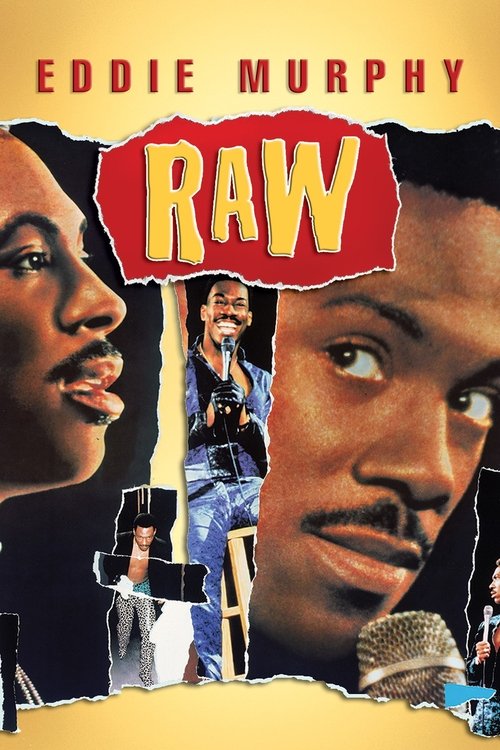
Eddie Murphy Raw
Comedy · 1987
Eddie Murphy delights, shocks and entertains with dead-on celebrity impersonations, observations on '80s love, sex and marriage, a remembrance of Mom's hamburgers and much more.

Tom Segura: Disgraceful
Comedy · 2018
Tom Segura gives voice to the sordid thoughts you'd never say out loud, with blunt musings on porn, parking lot power struggles, parenthood and more.
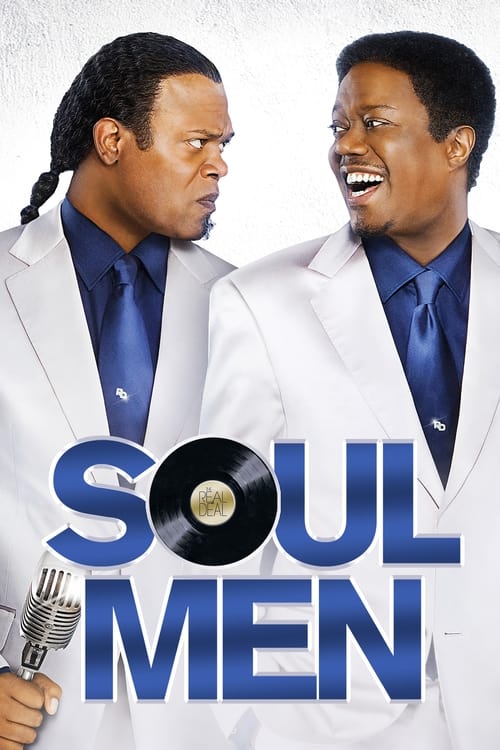
Soul Men
Comedy · 2008
Two former backup soul singers, Louis and Floyd, have not spoken to each other in 20 years, and reluctantly agree to travel across the country together to a reunion concert to honor their recently-deceased lead singer. Cleo, a beautiful young woman who is believed to be Floyd's daughter, accompanies them as a new singer.
Cinema release signals and current streaming, rental, and purchase options for your region.
Streaming availability data supplied by JustWatch.
Cast & crew
Directed by
Sam Wood
Written by
Morrie Ryskind · George S. Kaufman · James Kevin McGuinness

Groucho Marx
Otis B. Driftwood

Chico Marx
Fiorello
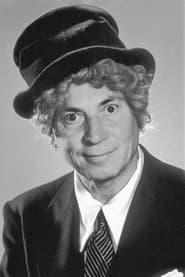
Harpo Marx
Tomasso

Kitty Carlisle
Rosa

Allan Jones
Ricardo Barroni

Sig Ruman
Gottlieb

Walter Woolf King
Lassparri
Two incompatible taste archetypes. One film. Read the arguments, then issue a completely binding cultural ruling.
“Sincerity is not manipulation.”
The film risks embarrassment to make emotion communal, and that openness is harder than fashionable detachment.
“The strings are showing.”
Every cue tells you exactly what to feel and when, leaving sentiment to do the work character should have done.