The defence The Sentimental Softie
“Sincerity is not manipulation.”
The film risks embarrassment to make emotion communal, and that openness is harder than fashionable detachment.
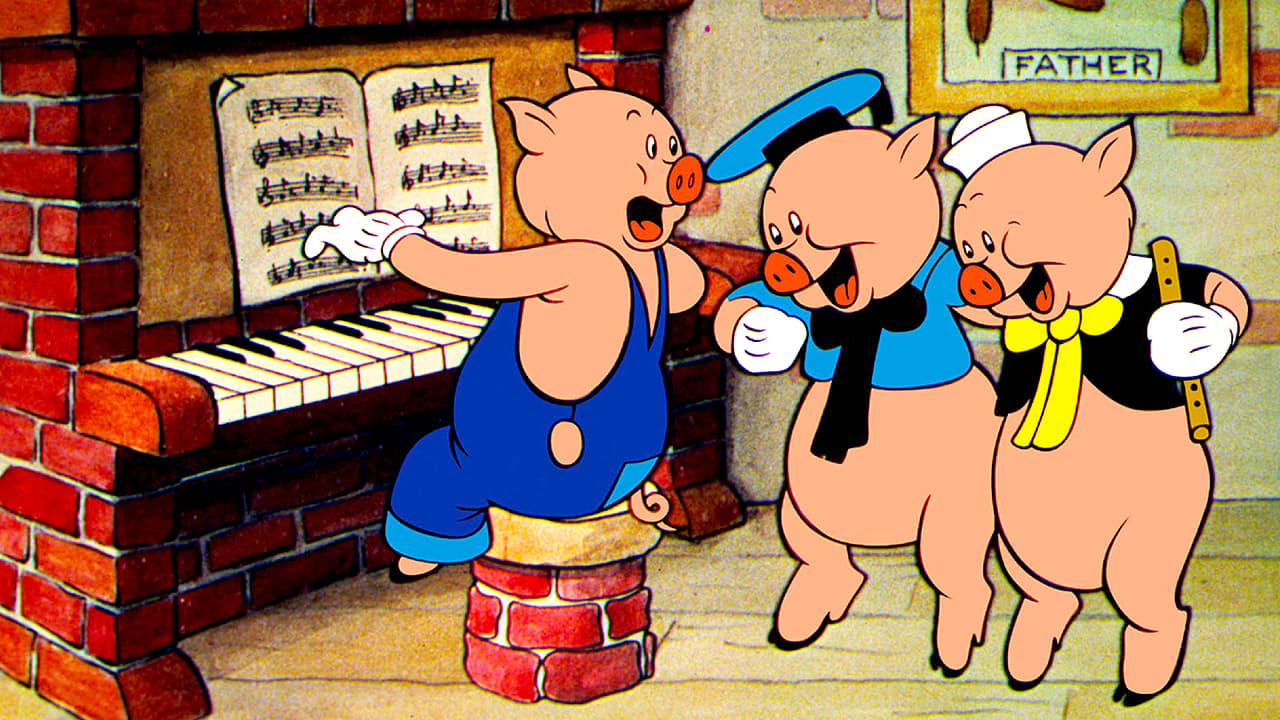
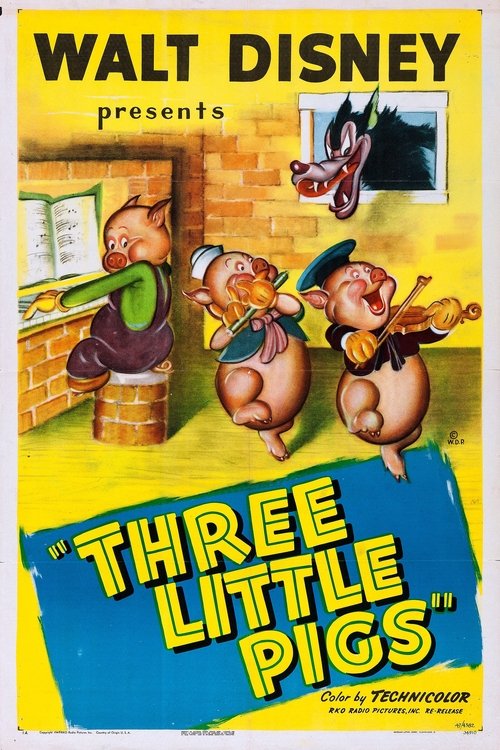
Three Little Pigs
Music · Animation · Comedy · 1933
The two pigs building houses of hay and sticks scoff at their brother, building the brick house. But when the wolf comes around and blows their houses down (after trickery like dressing as a foundling sheep fails), they run to their brother's house. And throughout, they sing the classic song, "Who's Afraid of the Big Bad Wolf?".
“Who's afraid of the BIG BAD WOLF?”
Critical arithmetic
Scores change. Arguments endure.
IMDb
7.5 / 10
7.7K votes
TMDB
6.9 / 10
Community rating
External scores via OMDb · CC BY-NC 4.0. Values normalized for display; availability varies by title.
The two pigs building houses of hay and sticks scoff at their brother, building the brick house. But when the wolf comes around and blows their houses down (after trickery like dressing as a foundling sheep fails), they run to their brother's house. And throughout, they sing the classic song, "Who's Afraid of the Big Bad Wolf?".
Not a recommendation score. A measure of how closely the film’s taste signals resemble yours.
The archetype split
The Sentimental Softie
“You came to feel something, and you will.”
Read their caseThe Cool Ironist
“Feeling things is a little embarrassing.”
Read their objectionThe split comes from the same five-axis model used by the test, not audience ratings or review sentiment.
TMDB supplies the candidates. CriticWise reorders them by craft, strangeness, prestige, emotion, and pace.

The Wise Little Hen
Animation · 1934
Join Donald Duck in his debut in the classic animated short The Wise Little Hen. The Little Hen is planting corn and would like to have help from Peter Pig and Donald Duck, but they refuse stating they each have a "tummy ache." When it comes time to harvest the corn, Peter Pig and Donald still refuse to help the Hen, so she and her chicks do the harvest by themselves. Finally, the hen cooks the corn and offers some to Donald and Peter Pig, but when they look more carefully they discover a surprise.
The Wonderful World of Mickey Mouse: Steamboat Silly
Animation · 2023
Mickey and gang must stop hundreds of old film reel versions of Mickey from wreaking havoc all over town.
The Looney, Looney, Looney Bugs Bunny Movie
Animation · 1981
Bugs Bunny hosts an award show featuring several classic Looney Tunes shorts and characters.
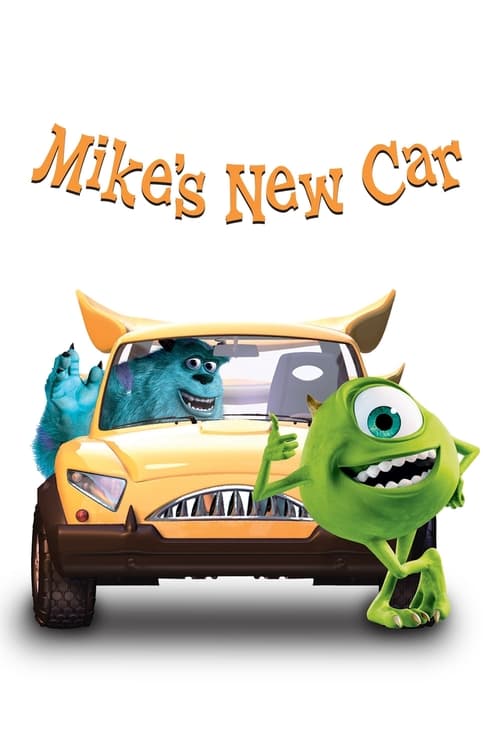
Mike's New Car
Animation · 2002
Mike discovers that being the top-ranking laugh collector at Monsters, Inc. has its benefits – in particular, earning enough money to buy a six-wheel-drive car that's loaded with gadgets. That new-car smell doesn't last long enough, however, as Sulley jump-starts an ill-fated road test that teaches Mike the true meaning of buyer's remorse.
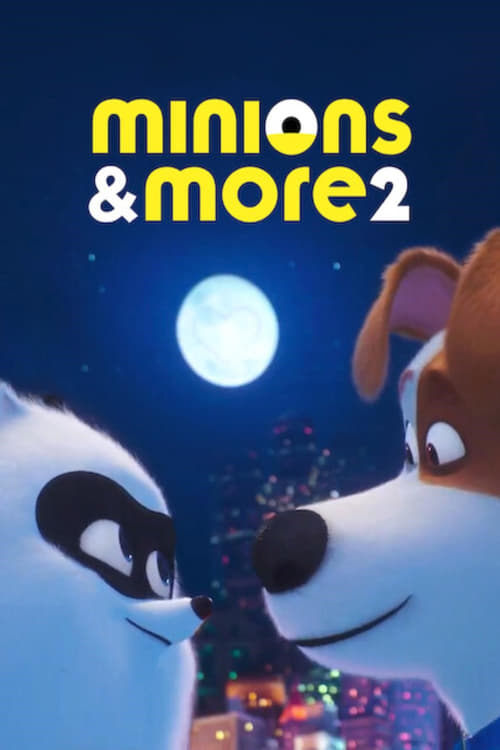
Minions & More 2
Comedy · 2022
This collection of 11 short films produced by Illumination includes: From the "Despicable Me" franchise: Mower Minions (2016); Yellow Is the New Black (2018); Competition (2015); Cro Minion (2015); Binky Nelson Unpacified (2015); Panic in the Mailroom (2013). From the "Secret Life of Pets" franchise: Super Gidget (2019). From the "Sing" franchise: Eddie's Life Coach (2017); Gunter Babysits (2017). From the "Lorax" franchise: Serenade (2012); Wagon Ho! (2012).

Ferdinand the Bull
Animation · 1938
This Oscar-winning short tells of a bull who preferred to sit under trees and smell flowers to clashing horns with his fellow animals. As luck would have it, an untimely bee reveals Ferdinand's ferocious side via pained howls and wild stomping. This lands him in the bull-fighting arena amidst characters based on Walt's animators with a matador reportedly modeled after Walt himself.
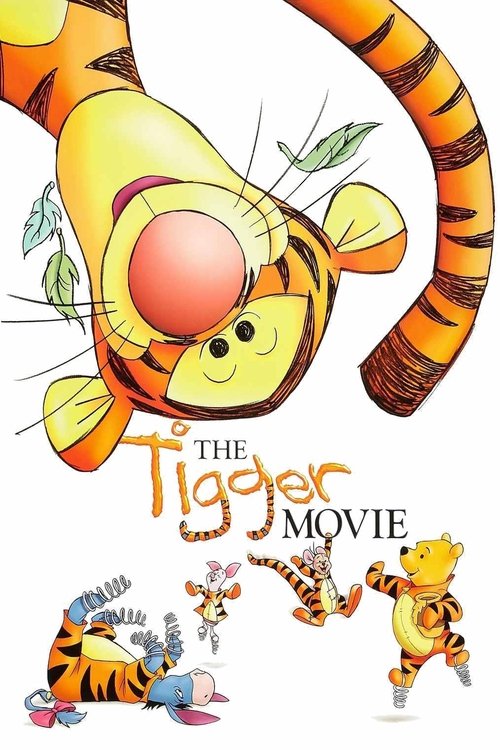
The Tigger Movie
Animation · 2000
Winnie the Pooh, Piglet, Owl, Kanga, Roo, and Rabbit are preparing a suitable winter home for Eeyore, the perennially dejected donkey, but Tigger's continual bouncing interrupts their efforts. Rabbit suggests that Tigger go find others of his kind to bounce with, but Tigger thinks "the most wonderful thing about tiggers is" he's "the only one!" Just in case though, the joyously jouncy feline sets out to see if he can find relatives.
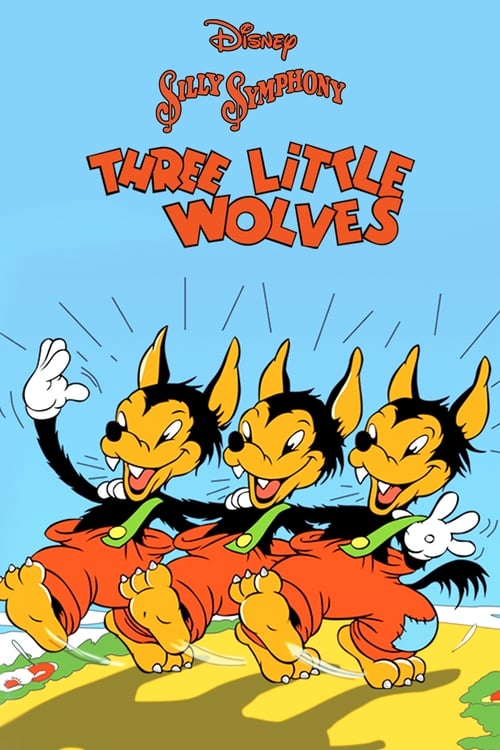
Three Little Wolves
Animation · 1936
Two little pigs cry wolf on their brother and then an actual wolf comes.
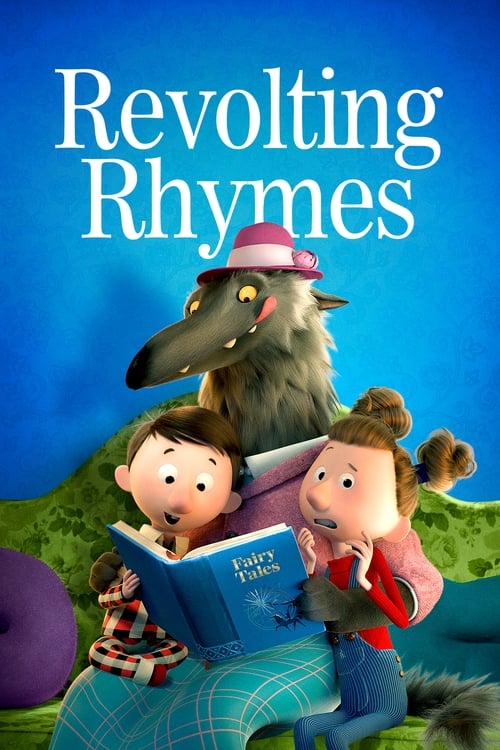
Revolting Rhymes
Family · 2017
Two half-hour animated films based on the much-loved rhymes written by Roald Dahl and illustrated by Quentin Blake.
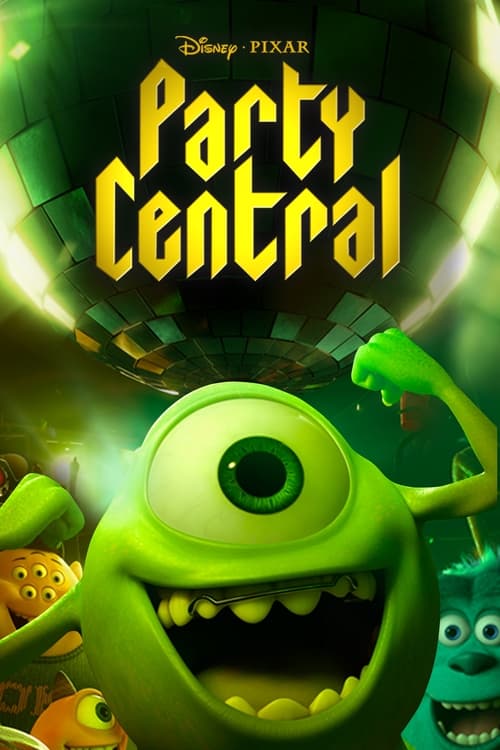
Party Central
Family · 2014
Mike and Sulley are back at Monsters University for a fun-filled weekend with their Oozma Kappa fraternity brothers. The gang is throwing their first party, but no one’s showing up. Luckily for them, Mike and Sulley have come up with a plan to make sure “Party Central” is the most epic party the school has ever seen.
Cinema release signals and current streaming, rental, and purchase options for your region.
Streaming availability data supplied by JustWatch.
Cast & crew
Directed by
Burt Gillett
Written by
Pinto Colvig · Boris V. Morkovin · Ted Sears · Webb Smith

Billy Bletcher
Big Bad Wolf (voice)

Pinto Colvig
Practical Pig (voice)
Dorothy Compton
Fiddler Pig (voice)
Mary Moder
Fifer Pig (voice)
Two incompatible taste archetypes. One film. Read the arguments, then issue a completely binding cultural ruling.
“Sincerity is not manipulation.”
The film risks embarrassment to make emotion communal, and that openness is harder than fashionable detachment.
“The strings are showing.”
Every cue tells you exactly what to feel and when, leaving sentiment to do the work character should have done.