The defence The Sentimental Softie
“Sincerity is not manipulation.”
The film risks embarrassment to make emotion communal, and that openness is harder than fashionable detachment.
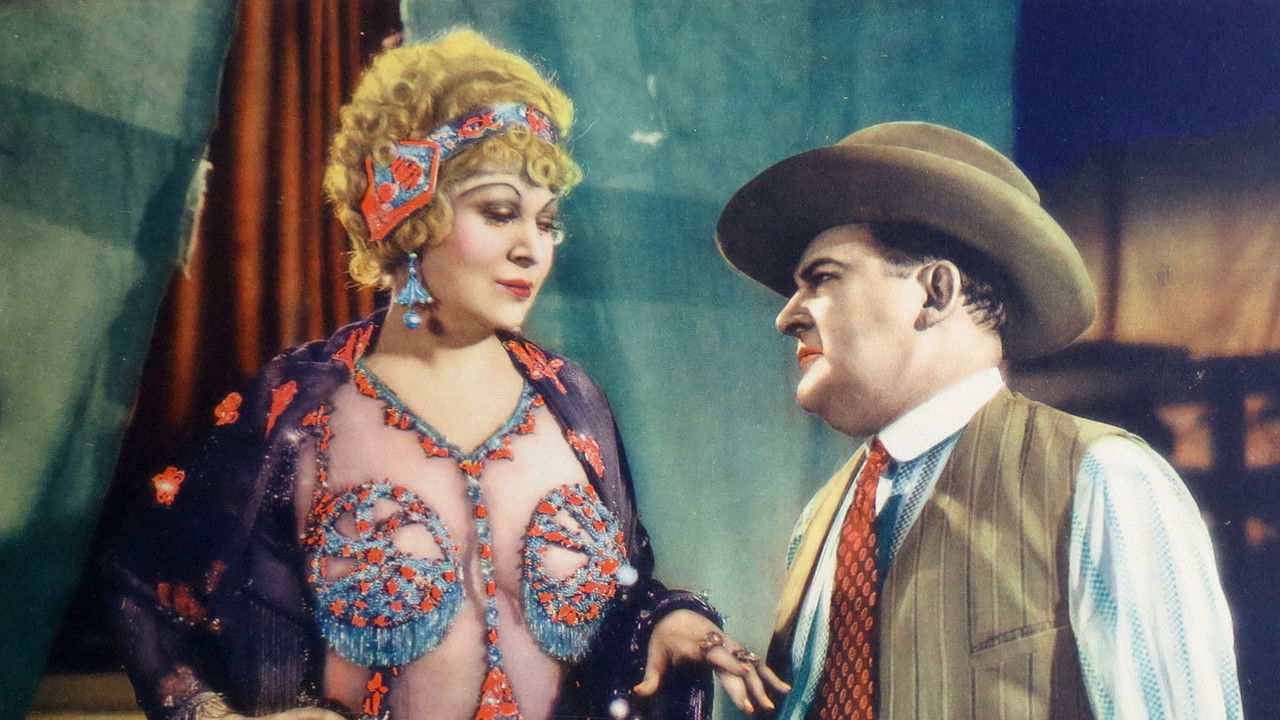
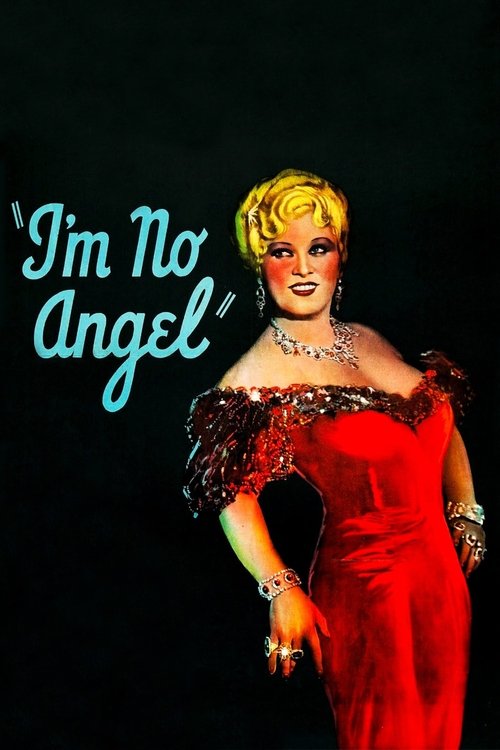
I'm No Angel
Comedy · Romance · 1933
Bold performer Tira works as dancing beauty and lion tamer at a fair. Out of an urgent financial need, she agrees to a risky new number: she'll put her head into the lion's mouth! With this attraction, the circus makes it to New York and Tira can pursue her dearest occupation — flirting with rich men and accepting expensive presents.
“"Come up and see me sometime - any time!"”
Critical arithmetic
Scores change. Arguments endure.
TMDB
6.4 / 10
Community rating
Bold performer Tira works as dancing beauty and lion tamer at a fair. Out of an urgent financial need, she agrees to a risky new number: she'll put her head into the lion's mouth! With this attraction, the circus makes it to New York and Tira can pursue her dearest occupation — flirting with rich men and accepting expensive presents.
Not a recommendation score. A measure of how closely the film’s taste signals resemble yours.
The archetype split
The Sentimental Softie
“You came to feel something, and you will.”
Read their caseThe Cool Ironist
“Feeling things is a little embarrassing.”
Read their objectionThe split comes from the same five-axis model used by the test, not audience ratings or review sentiment.
TMDB supplies the candidates. CriticWise reorders them by craft, strangeness, prestige, emotion, and pace.
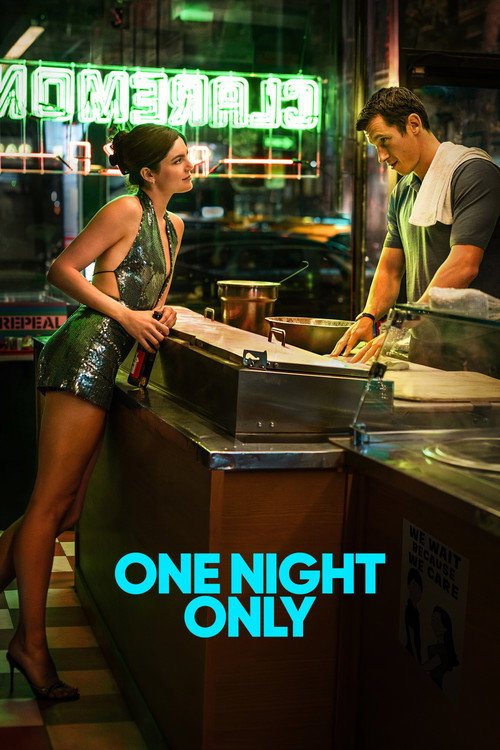
One Night Only
Romance · 2026
Two love-starved strangers crash into each other on the one night of the year when single people are allowed to have sex.

Someone Great
Comedy · 2019
An aspiring music journalist lands her dream job and is about to move to San Francisco when her boyfriend of nine years decides to call it quits. To nurse her broken heart, she and her two best friends spend one outrageous last adventure in New York City.
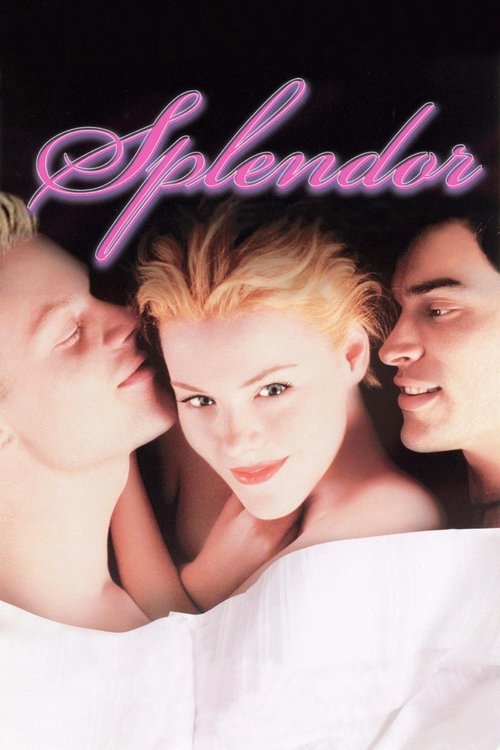
Splendor
Comedy · 1999
Veronica is a white-bread beauty searching for a good man in Los Angeles. While slam dancing at a Halloween rave, she meets Abel, a sensitive poet. Then she meets Zed, a supersexy tattooed drummer with incredible biceps. Who will she choose? Does she go for true love or cheap sex? She can't decide so she chooses both. But after managing to nurture a picture-perfect threesome, along comes Ernest, a rich movie director with deep baby blues that sweep Veronica off her feet. What's a girl to do now?

The Incredible Jessica James
Romance · 2017
Burned by a bad breakup, a struggling New York City playwright makes an unlikely connection with a divorced app designer she meets on a blind date.
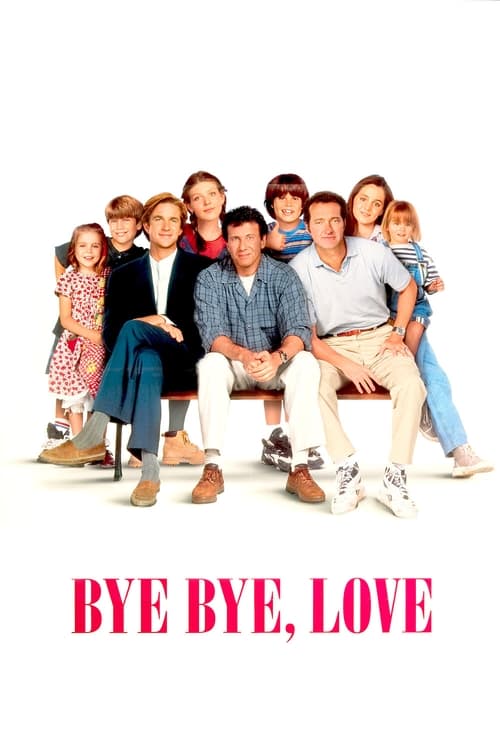
Bye Bye Love
Comedy · 1995
With varying degrees of success, recently divorced friends Dave, Vic and Donny are trying to move on with their lives. Vic feels vilified by his ex-wife's parents, while Donny has a shaky bond with his teen daughter, Emma. Dave, meanwhile, has an enviable problem -- he has more dates than he can handle. As they confront their post-marital challenges, the men take solace in one another's plights.
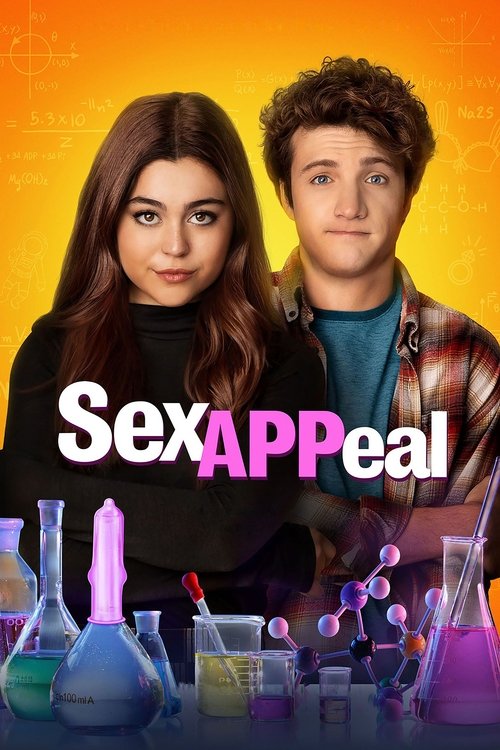
Sex Appeal
Comedy · 2022
Avery, a teenager with a tendency towards perfectionism, enlists her friend Larson to help her prepare for her first time with her long-distance boyfriend.
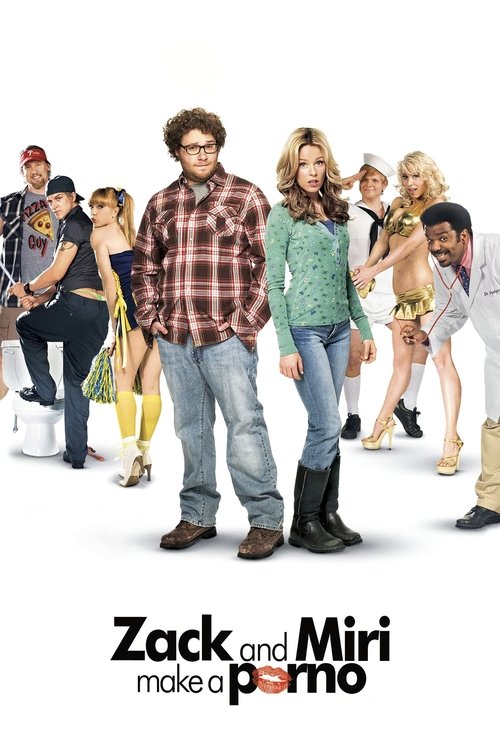
Zack and Miri Make a Porno
Comedy · 2008
Lifelong platonic friends Zack and Miri look to solve their respective cash-flow problems by making an adult film together. As the cameras roll, however, the duo begin to sense that they may have more feelings for each other than they previously thought.
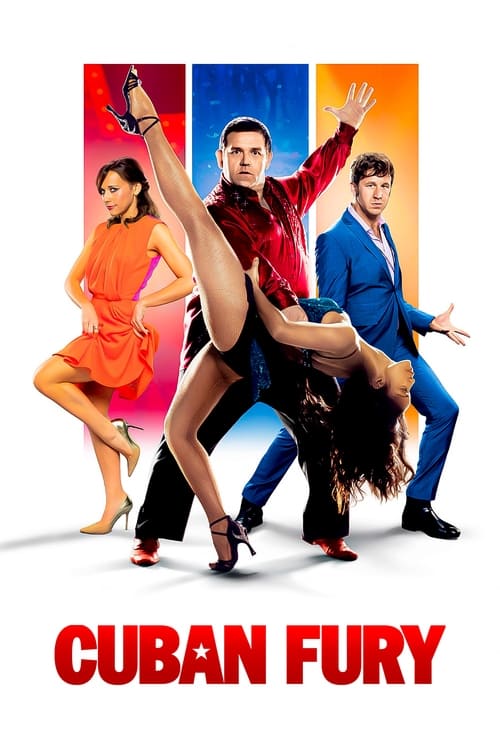
Cuban Fury
Comedy · 2014
Beneath Bruce Garrett's under-confident, overweight exterior, the passionate heart of a salsa king lies dormant. Now, one woman is about to reignite his Latin fire.

Players
Romance · 2024
New York sportswriter Mack has spent years devising successful hook-up "plays" with her friends, but when she unexpectedly falls for one of her targets, she must learn what it takes to go from simply scoring to playing for keeps.

Someone Like You...
Comedy · 2001
Jane Goodale has everything going for her. She's a producer on a popular daytime talk show, and is in a hot romance with the show's dashing executive producer Ray. But when the relationship goes terribly awry, Jane begins an extensive study of the male animal, including her womanizing roommate Eddie. Jane puts her studies and romantic misadventure to use as a pseudonymous sex columnist -- and becomes a sensation.
Cinema release signals and current streaming, rental, and purchase options for your region.
Streaming availability data supplied by JustWatch.
Cast & crew
Directed by
Wesley Ruggles
Written by
Mae West

Mae West
Tira

Cary Grant
Jack Clayton

Gregory Ratoff
Benny Pinkowitz
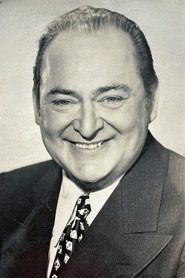
Edward Arnold
Big Bill Barton

Ralf Harolde
Slick Wiley

Kent Taylor
Kirk Lawrence

Gertrude Michael
Alicia Hatton
Two incompatible taste archetypes. One film. Read the arguments, then issue a completely binding cultural ruling.
“Sincerity is not manipulation.”
The film risks embarrassment to make emotion communal, and that openness is harder than fashionable detachment.
“The strings are showing.”
Every cue tells you exactly what to feel and when, leaving sentiment to do the work character should have done.