The defence The Sentimental Softie
“Sincerity is not manipulation.”
The film risks embarrassment to make emotion communal, and that openness is harder than fashionable detachment.

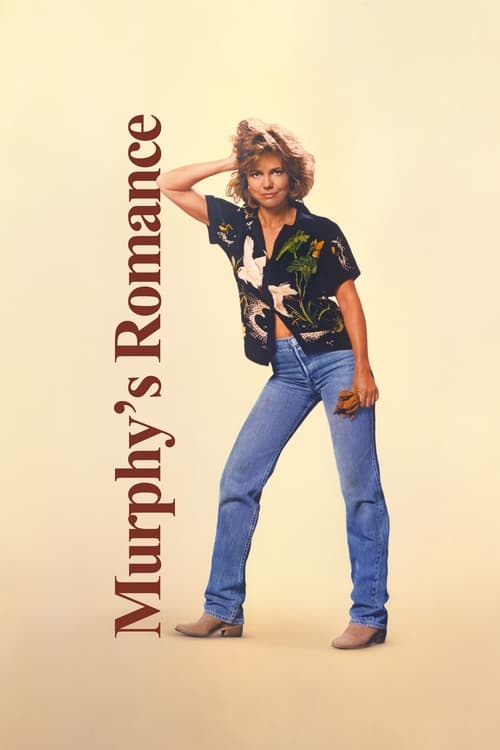
Murphy's Romance
Comedy · Drama · Romance · 1985
Emma, a divorced single mother seeking to start her life over, moves to a small town in Arizona. She befriends Murphy, the older local pharmacist, but things turn complicated when her ex-husband shows up.
“Just when you think you've found the right guy, someone even worse comes along.”
Critical arithmetic
Scores change. Arguments endure.
TMDB
6.2 / 10
Community rating
Emma, a divorced single mother seeking to start her life over, moves to a small town in Arizona. She befriends Murphy, the older local pharmacist, but things turn complicated when her ex-husband shows up.
Not a recommendation score. A measure of how closely the film’s taste signals resemble yours.
The archetype split
The Sentimental Softie
“You came to feel something, and you will.”
Read their caseThe Cool Ironist
“Feeling things is a little embarrassing.”
Read their objectionThe split comes from the same five-axis model used by the test, not audience ratings or review sentiment.
TMDB supplies the candidates. CriticWise reorders them by craft, strangeness, prestige, emotion, and pace.
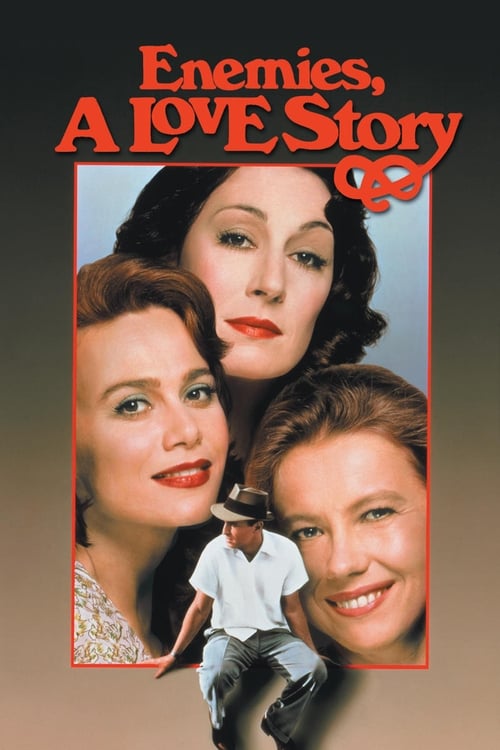
Enemies, a Love Story
Comedy · 1989
A ghostwriter finds himself romantically involved with his current wife, a married woman and his long-vanished wife.

Walking and Talking
Comedy · 1996
Just as Amelia thinks she's over her anxiety and insecurity, her best friend announces her engagement, bringing her anxiety and insecurity right back.

The Good House
Romance · 2021
When wry New England realtor Hildy Good rekindles a romance with her old high-school flame, Frank Getchell, it ignites long-buried emotions and family secrets that propel Hildy toward a reckoning with the one person she's been avoiding for decades: herself. Based on the best-selling novel by Ann Leary.

Sidewalks of New York
Comedy · 2001
The film follows the marital and dating lives of three men and three women who unknowingly form a tangled web of relationships. Interspersing "man on the street" interviews with scenes from the six characters' lives, the film weaves a humorous and biting commentary on the game of love -- easy to start, hard to finish.

Jack Goes Boating
Comedy · 2010
A limo driver's blind date sparks a tale of love, betrayal, friendship and grace—centered on two working-class New York City couples.

Breaking & Exiting
Comedy · 2018
Harry, a charming house thief, gets more than he bargains for during an attempted burglary when he stumbles upon Daisy and decides to save her from herself, sending both of them into a darkly comedic journey of self discovery and love.

Tortilla Soup
Comedy · 2001
A Mexican-American master chef and father to three daughters has lost his taste for food but not for life.

Solitary Man
Comedy · 2009
A car magnate watches his personal and professional life hit the skids because of his business and romantic indiscretions.

Numb
Comedy · 2007
Hudson Milbank is a successful Hollywood screenwriter who suddenly and strangely finds himself without any emotional feelings. He tries doctor after doctor and shrink after shrink, but nothing works. The Golf Channel, lesbian exercise classes and a dizzying variety of pills get him through the day, but don't quite solve his problem. His writing partner tries everything to get him back to normal, but it's not until Hudson meets Sara that he finds a real motivation to get better and to actually start feeling again. From the writer of Deuce Bigalow, comes NUMB, a romantic comedy following an unusual man looking for strange love.
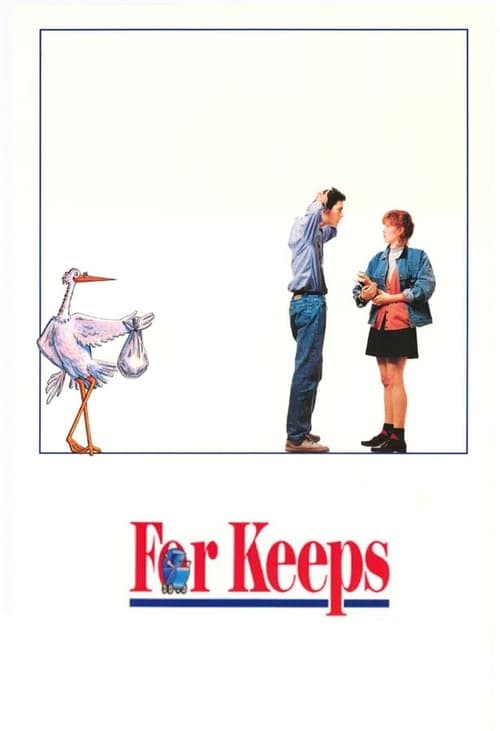
For Keeps
Comedy · 1988
Young high school couple Darcy Elliot and Stan Bobrucz are one year from graduation, with promising futures ahead of them. But their paths take a drastic turn when Darcy becomes pregnant. Unwilling to go through an abortion or an adoption — despite their parents' pleas — Darcy and Stan decide to sacrifice their college experiences and degrees in order to keep and raise the baby. After a quick marriage, the two realize it won't be as easy as they thought.
Cinema release signals and current streaming, rental, and purchase options for your region.
Streaming availability data supplied by JustWatch.
Cast & crew
Directed by
Martin Ritt
Written by
Irving Ravetch · Harriet Frank Jr.

Sally Field
Emma Moriarty

James Garner
Murphy Jones

Brian Kerwin
Bobby Jack Moriarty

Corey Haim
Jake Moriarty

Dennis Burkley
Freeman Coverly
Georgann Johnson
Margaret

Dortha Duckworth
Bessie
Two incompatible taste archetypes. One film. Read the arguments, then issue a completely binding cultural ruling.
“Sincerity is not manipulation.”
The film risks embarrassment to make emotion communal, and that openness is harder than fashionable detachment.
“The strings are showing.”
Every cue tells you exactly what to feel and when, leaving sentiment to do the work character should have done.