The defence The Sentimental Softie
“Its refusal to behave is the point.”
The strange choices create the kind of friction that follows you out of the theatre and into the argument.
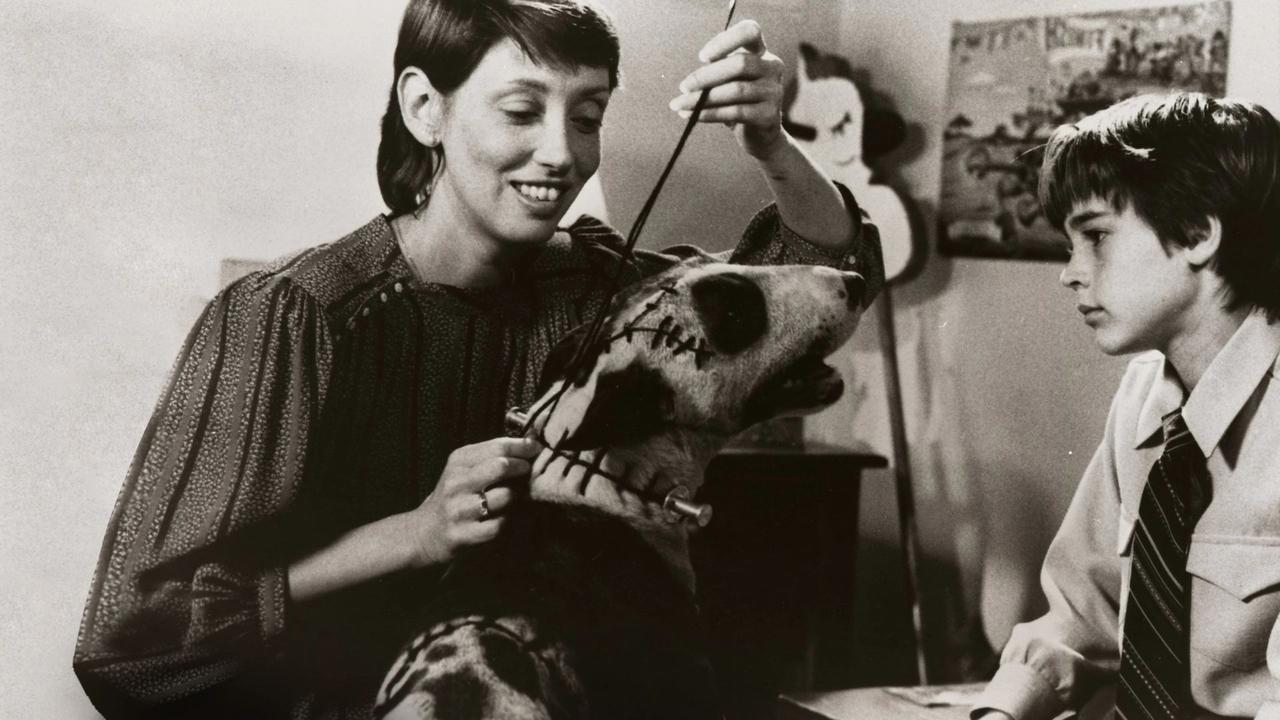

Frankenweenie
Horror · Family · Science Fiction · 1984
When young Victor's pet dog Sparky (who stars in Victor's home-made monster movies) is hit by a car, Victor decides to bring him back to life the only way he knows how. But when the bolt-necked "monster" wreaks havoc and terror in the hearts of Victor's neighbors, he has to convince them (and his parents) that despite his appearance, Sparky's still the good loyal friend he's always been.
“A comic twist on a classic tail!”
Critical arithmetic
Scores change. Arguments endure.
TMDB
6.9 / 10
Community rating
When young Victor's pet dog Sparky (who stars in Victor's home-made monster movies) is hit by a car, Victor decides to bring him back to life the only way he knows how. But when the bolt-necked "monster" wreaks havoc and terror in the hearts of Victor's neighbors, he has to convince them (and his parents) that despite his appearance, Sparky's still the good loyal friend he's always been.
Not a recommendation score. A measure of how closely the film’s taste signals resemble yours.
The archetype split
The Sentimental Softie
“You came to feel something, and you will.”
Read their caseThe Popcorn Loyalist
“Big screen, big feelings, no apologies.”
Read their objectionThe split comes from the same five-axis model used by the test, not audience ratings or review sentiment.
TMDB supplies the candidates. CriticWise reorders them by craft, strangeness, prestige, emotion, and pace.
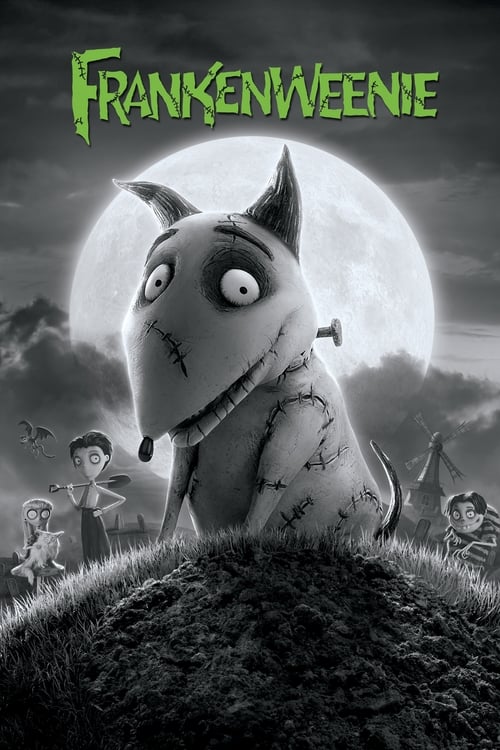
Frankenweenie
Animation · 2012
When a car hits young Victor's pet dog Sparky, Victor decides to bring him back to life the only way he knows how. But when the bolt-necked "monster" wreaks havoc and terror in the hearts of Victor's neighbors, he has to convince them that Sparky's still the good, loyal friend he was.
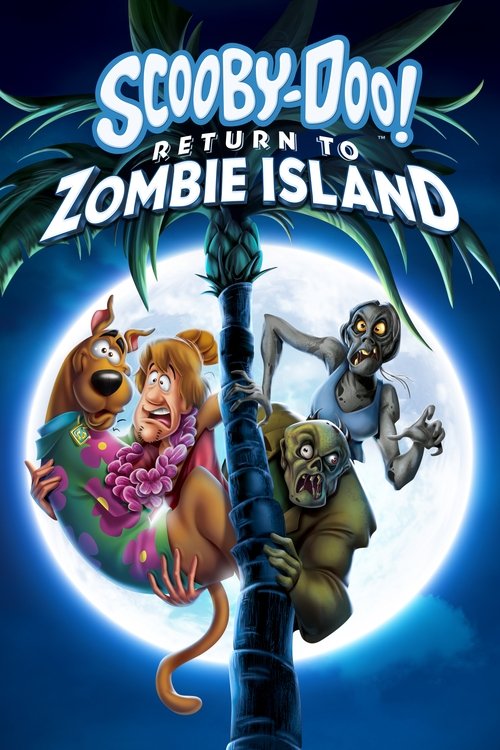
Scooby-Doo! Return to Zombie Island
Fantasy · 2019
Scooby-Doo and his pals win an all-expense paid vacation and embark on a trip of a lifetime to a tropical paradise. Their destination however, turns out to be Zombie Island. As soon as they arrive, they realize the place looks strangely familiar and is reminiscent of a trip they took years ago, in which they became wrapped up in a mystery involving zombies. The gang soon learns that their trip to paradise comes with a price when the zombies re-emerge and attack their hotel. Will Scooby-Doo and the Mystery Inc. gang finally solve the mystery behind Zombie Island?
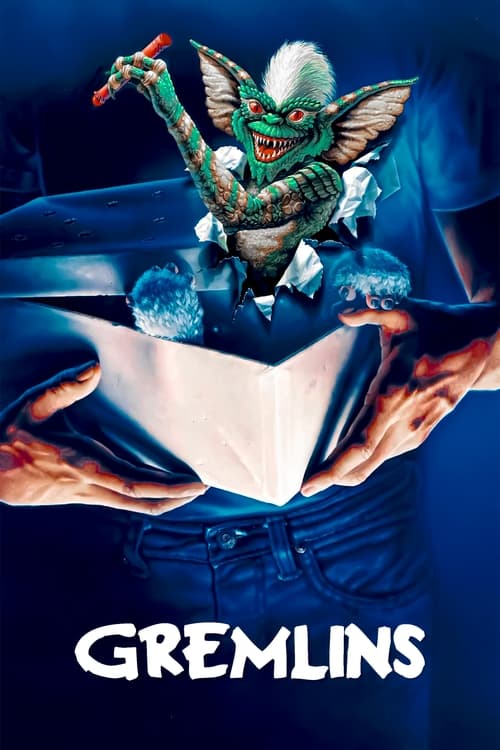
Gremlins
Fantasy · 1984
After receiving an exotic small animal as a Christmas gift, a young man inadvertently breaks three important rules concerning his new pet, which unleashes a horde of malevolently mischievous creatures on a small town.
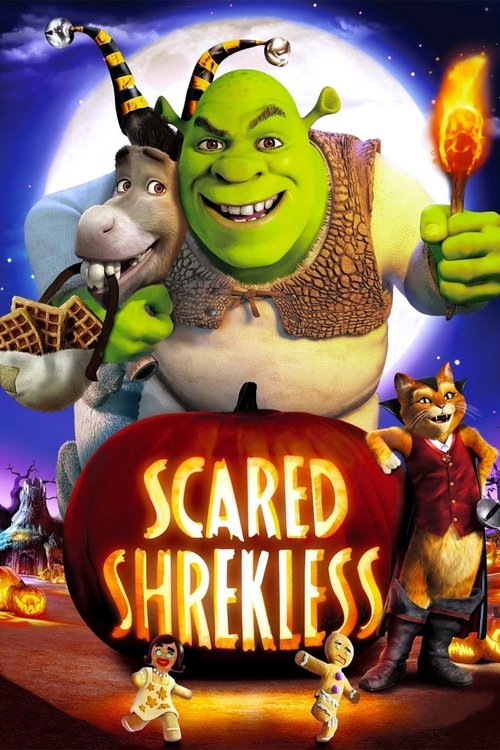
Scared Shrekless
Animation · 2010
Shrek challenges Donkey, Puss in Boots and his other fairy tale character friends to spend the night in Lord Farquaad's haunted castle, telling scary stories to see who can resist becoming scared and stay the longest.
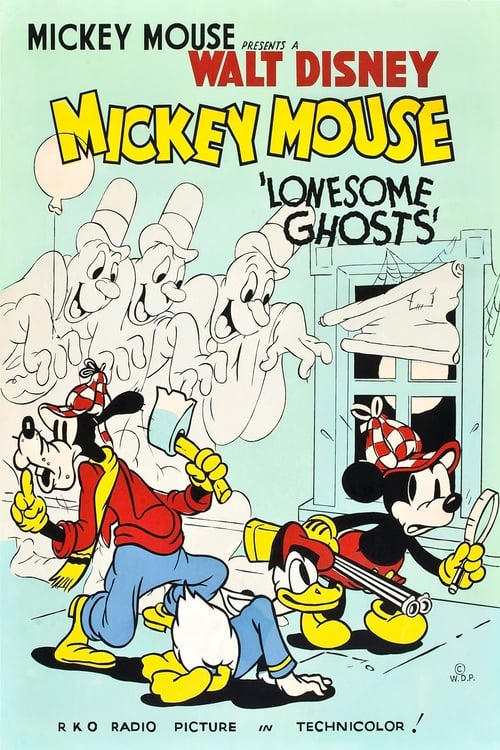
Lonesome Ghosts
Animation · 1937
On a dark and stormy night, four bored ghosts decide to have some fun by calling the Ajax Ghost Exterminators.

Night of the Zoopocalypse
Animation · 2025
A wolf and mountain lion team up when a meteor unleashes a virus turning zoo animals into zombies. They join forces with other survivors to rescue the zoo and stop the deranged mutant leader from spreading the virus.
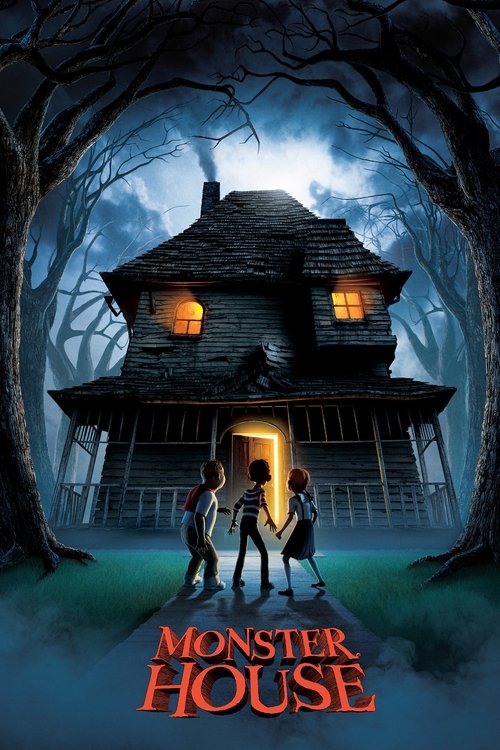
Monster House
Animation · 2006
Monsters under the bed are scary enough, but what happens when an entire house is out to get you? Three teens aim to find out when they go up against a decrepit neighboring home and unlock its frightening secrets.
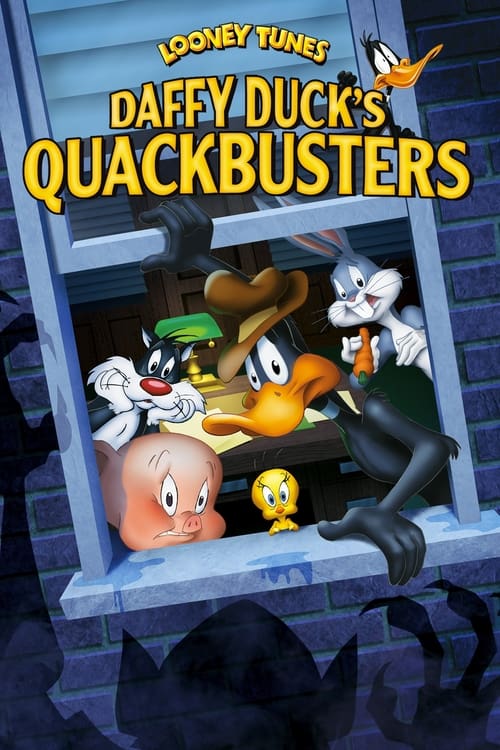
Daffy Duck's Quackbusters
Animation · 1988
In this feature-length film combining footage from classic Warner Brothers cartoon shorts with newly animated bridging sequences, Daffy Duck, after having induced laughter in an ailing millionaire and forestalled the millionaire's death for a time (as chronicled in Daffy Dilly (1948), is the beneficiary for the deceased millionaire's assets. But the millionaire's will clearly stipulates that Daffy must use the money for the common good, by providing a service, and should Daffy think of pursuing selfish aims, the millionaire's ghost will "repossess" his millions by making them disappear from Earthly existence. Under the pretense of community service, Daffy opens an exorcism agency and employs Porky Pig, Sylvester Cat, and Bugs Bunny to track and eliminate ghosts, ghouls, and other monsters, while Daffy secretly schemes to use his learned "ghost-busting" talents to rid himself of the millionaire's nagging spirit.
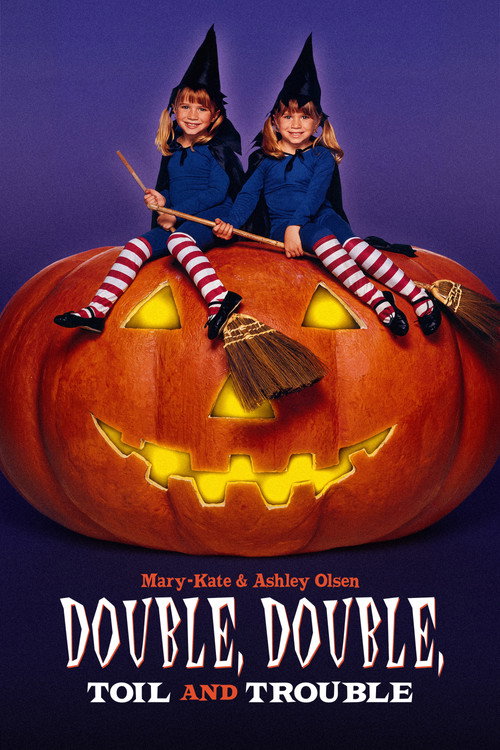
Double, Double, Toil and Trouble
Family · 1993
On Halloween night, two precocious little girls try to save their parents from their nasty old capitalist aunt's greedy clutches. Magic abounds and they meet mysterious new friends along the way.
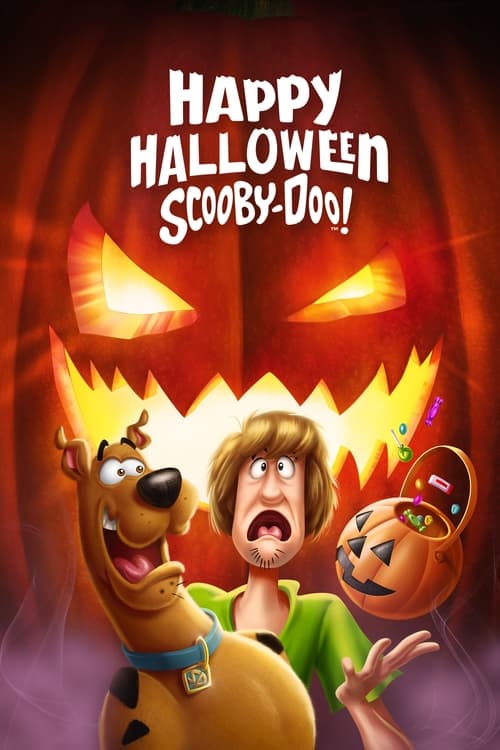
Happy Halloween, Scooby-Doo!
Family · 2020
Scooby-Doo and the gang team up with their pals, Bill Nye The Science Guy and Elvira Mistress of the Dark, to solve this mystery of gigantic proportions and save Crystal Cove!
Cinema release signals and current streaming, rental, and purchase options for your region.
Streaming availability data supplied by JustWatch.
Cast & crew
Directed by
Tim Burton
Written by
Tim Burton · Leonard Ripps

Shelley Duvall
Susan Frankenstein

Daniel Stern
Ben Frankenstein

Barret Oliver
Victor Frankenstein

Joseph Maher
Mr. Chambers
Roz Braverman
Mrs. Epstein

Paul Bartel
Mr. Walsh

Sofia Coppola
Anne Chambers
Two incompatible taste archetypes. One film. Read the arguments, then issue a completely binding cultural ruling.
“Its refusal to behave is the point.”
The strange choices create the kind of friction that follows you out of the theatre and into the argument.
“Oddness is not depth.”
A film can break every rule and still leave nothing behind but the memory of how hard it tried to be singular.