The defence The Auteur Devotee
“Ambition earns the room.”
The film reaches for consequence and scale, accepting the risk of seriousness instead of shrinking from it.
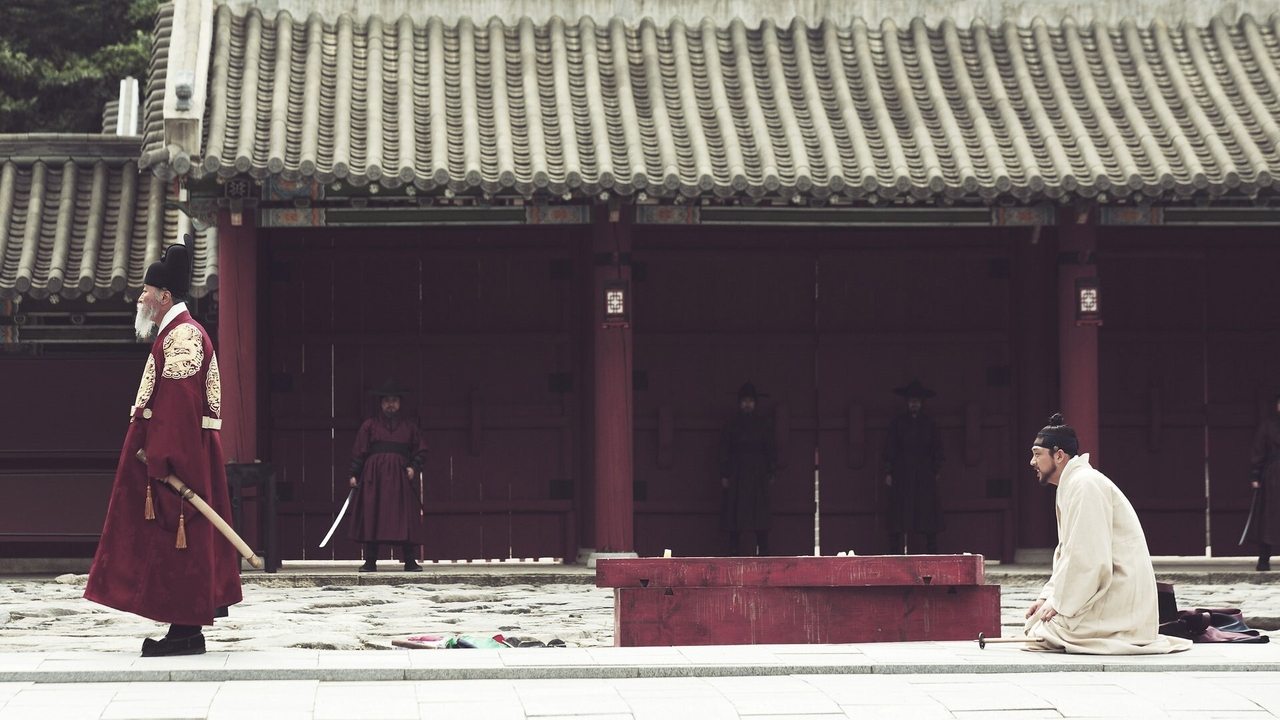
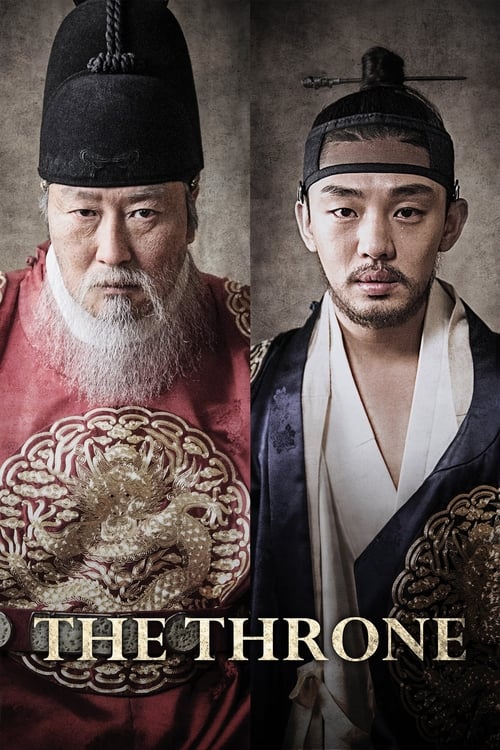
The Throne
Drama · History · 2015
Ancient Korea, July 4, 1762. The Crown Prince Hyojang, posthumously named Sado, son of King Yeongjo of Joseon, is accused of treason. Thus, the king asks him to commit suicide, but his closest vassals prevent it, so the king orders the prince to get inside a wooden rice chest, where he suffers deprivation of food and water.
“The ways of a royal household.”
Critical arithmetic
Scores change. Arguments endure.
TMDB
7.1 / 10
Community rating
Ancient Korea, July 4, 1762. The Crown Prince Hyojang, posthumously named Sado, son of King Yeongjo of Joseon, is accused of treason. Thus, the king asks him to commit suicide, but his closest vassals prevent it, so the king orders the prince to get inside a wooden rice chest, where he suffers deprivation of food and water.
Not a recommendation score. A measure of how closely the film’s taste signals resemble yours.
The archetype split
The Auteur Devotee
“You watch the director, not the movie.”
Read their caseThe Popcorn Loyalist
“Big screen, big feelings, no apologies.”
Read their objectionThe split comes from the same five-axis model used by the test, not audience ratings or review sentiment.
TMDB supplies the candidates. CriticWise reorders them by craft, strangeness, prestige, emotion, and pace.
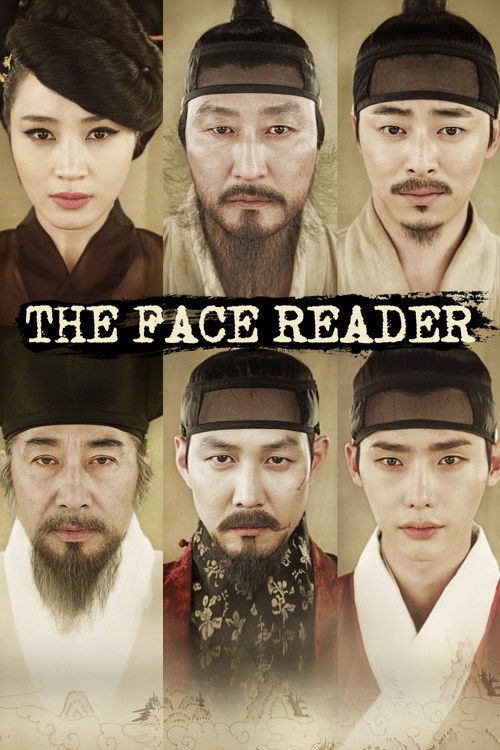
The Face Reader
Drama · 2013
An exceptionally talented face reader becomes entangled in a bloody power struggle between a child king and his uncle who plans to usurp the throne.
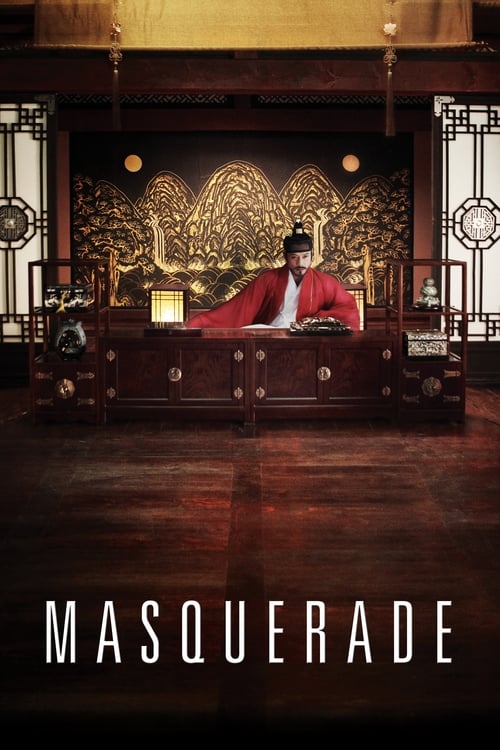
Masquerade
Drama · 2012
Though it places his own life in danger, a look-alike commoner secretly takes the place of a poisoned king to save his country from falling into chaos.
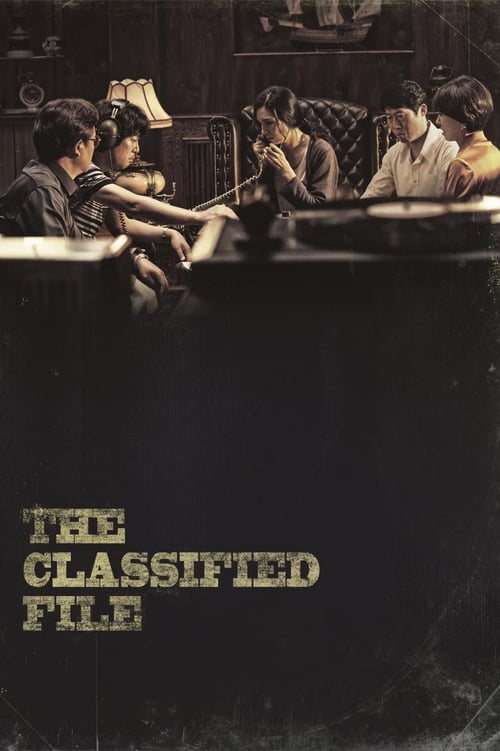
The Classified File
Crime · 2015
A detective and a fortune teller join forces to find a kidnapped child whom no one expects to be alive. Based on a true story.
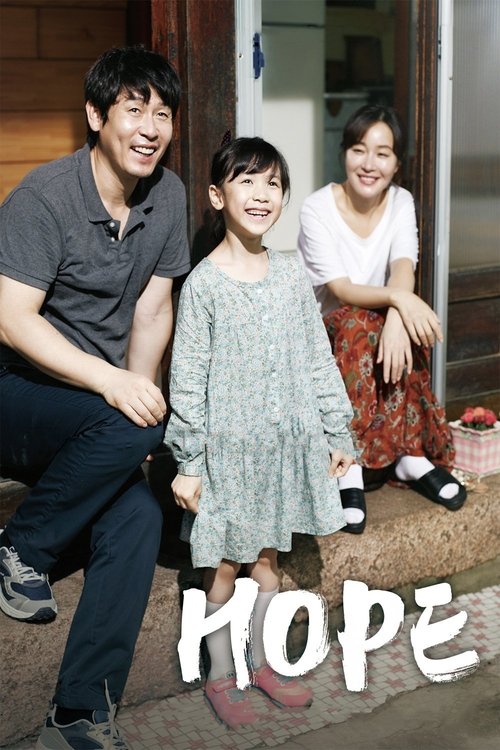
Hope
Drama · 2013
After 8-year-old So-won narrowly survives a brutal sexual assault, her family labors to help her heal while coping with their own rage and grief.
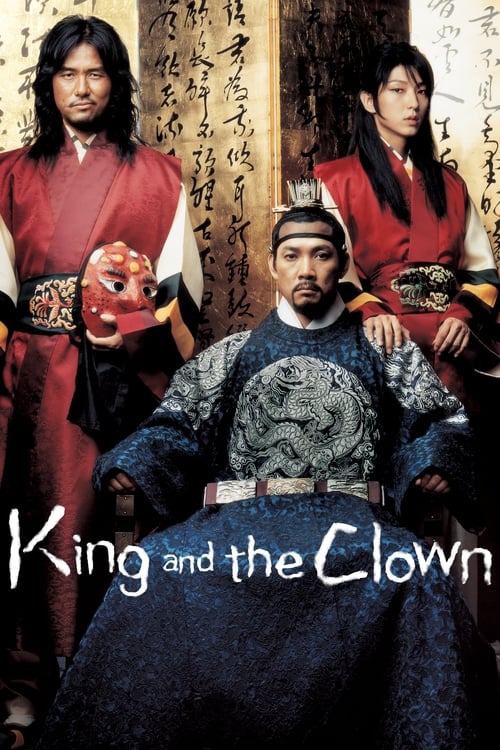
King and the Clown
Drama · 2005
Two clowns living in Korea's Chosun Dynasty get arrested for staging a play that satirizes the king. They are dragged to the palace and threatened with execution but are given a chance to save their lives if they can make the king laugh.

Victoria & Abdul
Drama · 2017
Queen Victoria strikes up an unlikely friendship with a young Indian clerk named Abdul Karim.
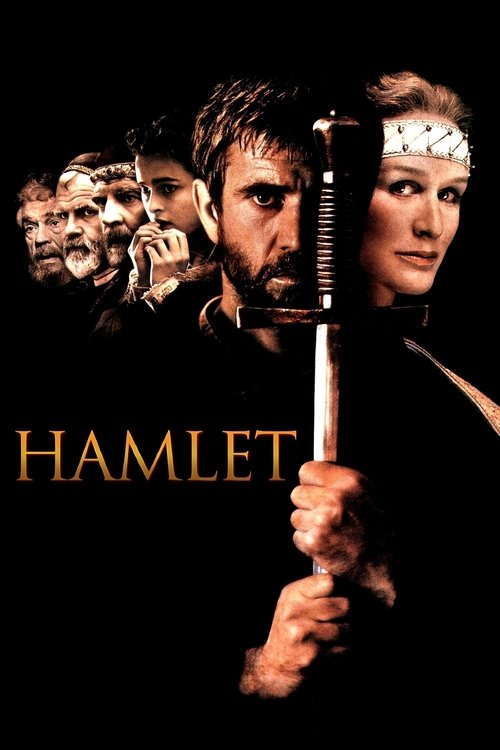
Hamlet
Drama · 1990
Hamlet, Prince of Denmark, finds out that his uncle Claudius killed his father to obtain the throne, and plans revenge.

A United Kingdom
Drama · 2016
The inspiring true story of Seretse Khama, the King of Bechuanaland (modern Botswana), and Ruth Williams, the London office worker he married in 1948 in the face of fierce opposition from their families and the British and South African governments. Seretse and Ruth defied family, Apartheid and empire - their love triumphed over every obstacle flung in their path and in so doing they transformed their nation and inspired the world.

War of the Arrows
Drama · 2011
After the death of their father, two siblings are raised by their father's best friend. However, when one gets kidnapped just before her wedding, the other rises against the Manchus.

The Night Owl
Thriller · 2022
Korea, 1645 - Joseon Dynasty: a partially blind and gifted acupuncturist, Gyeong-su, is invited to work alongside the royal physician in the palace of King Injo, just before the crown prince Sohyeon returns after having been held captive by the Qing Dynasty. Prince Sohyeon and his father begin to differ in opinion on the future direction of their dynasty, leading King Injo to suffer from severe anxiety and paranoia. One night, Gyeong-su witnesses prince Sohyeon's death. Disbelieved as a witness on account of his blindness, Gyeong-su must struggle to reveal the truth while not falling prey to the power-hungry conspirators of the palace.
Cinema release signals and current streaming, rental, and purchase options for your region.
Streaming availability data supplied by JustWatch.
Cast & crew
Directed by
Lee Joon-ik
Written by
Oh Seung-hyeon · Lee Song-won · Cho Chul-hyun

Yoo Ah-in
Crown Prince Sado

Song Kang-ho
King Yeongjo

Moon Geun-young
Lady Hye Gyeong-gung

Jeon Hye-jin
Royal Consort Yeong-bin

Kim Hae-sook
Queen In-won

Park Won-sang
Hong Bong-han

Lee Hyo-je
Young Jeongjo
Two incompatible taste archetypes. One film. Read the arguments, then issue a completely binding cultural ruling.
“Ambition earns the room.”
The film reaches for consequence and scale, accepting the risk of seriousness instead of shrinking from it.
“Importance has entered the chat.”
The production keeps announcing its significance, as though awards-season posture were proof of insight.