The defence The Sentimental Softie
“Sincerity is not manipulation.”
The film risks embarrassment to make emotion communal, and that openness is harder than fashionable detachment.
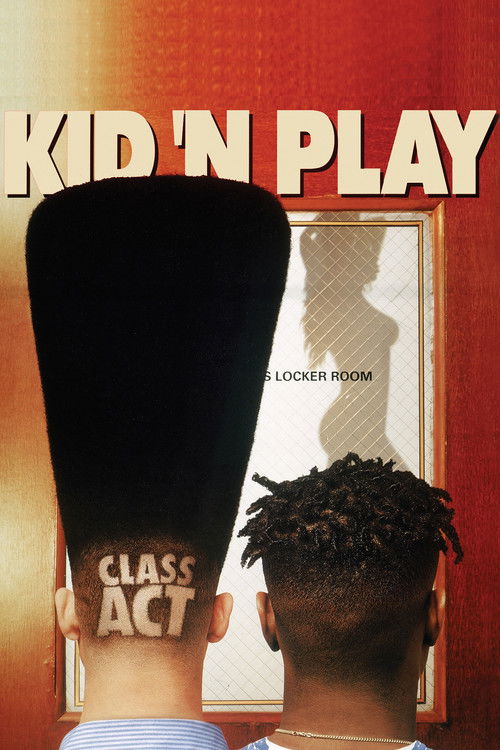
Class Act
Comedy · Drama · 1992
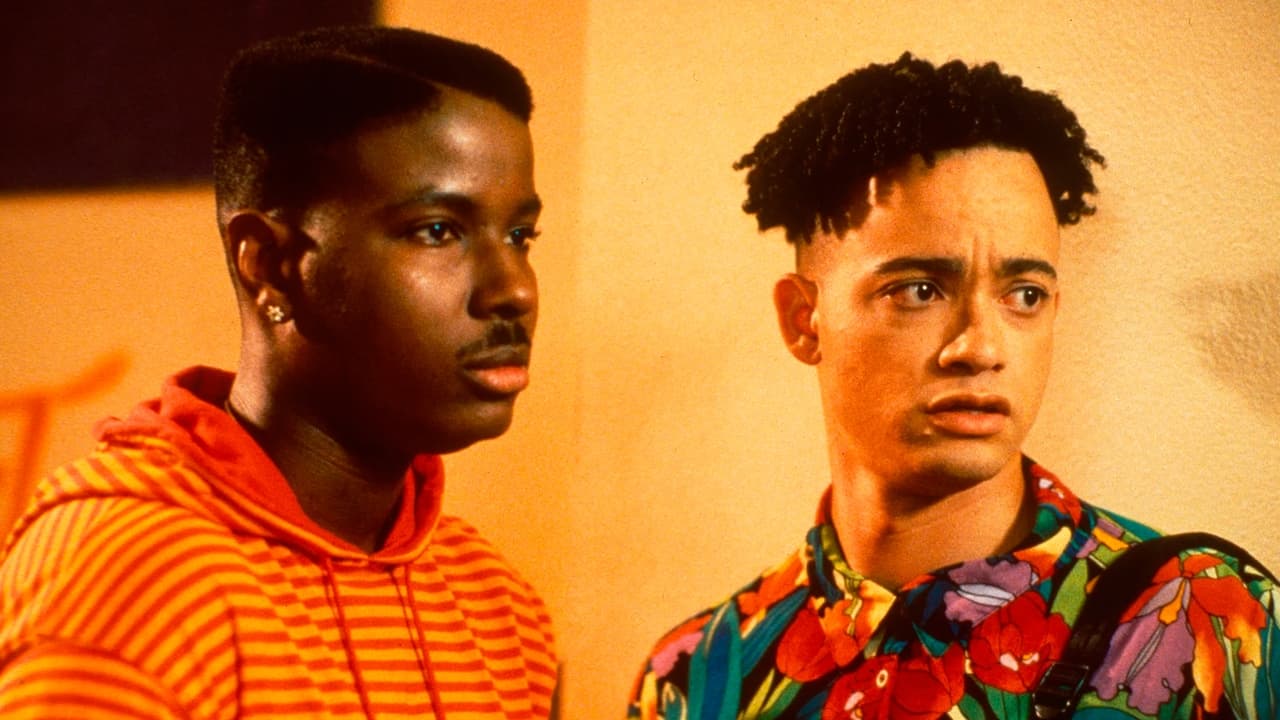
Duncan is a genius straight A student, Blade is ajuvenile delinquent. But because of a mix up with their school records, everyone thinks each is the other one. Now, Duncan kind of likes the attention from being thought of as a real bad dude, if only the school bully would stop trying to rough him up. And Blade definitely likes being thought of as important instead of as trouble.
“A hair-raising comedy!”
Critical arithmetic
Scores change. Arguments endure.
TMDB
6.3 / 10
Community rating
Duncan is a genius straight A student, Blade is ajuvenile delinquent. But because of a mix up with their school records, everyone thinks each is the other one. Now, Duncan kind of likes the attention from being thought of as a real bad dude, if only the school bully would stop trying to rough him up. And Blade definitely likes being thought of as important instead of as trouble.
Not a recommendation score. A measure of how closely the film’s taste signals resemble yours.
The archetype split
The Sentimental Softie
“You came to feel something, and you will.”
Read their caseThe Cool Ironist
“Feeling things is a little embarrassing.”
Read their objectionThe split comes from the same five-axis model used by the test, not audience ratings or review sentiment.
TMDB supplies the candidates. CriticWise reorders them by craft, strangeness, prestige, emotion, and pace.
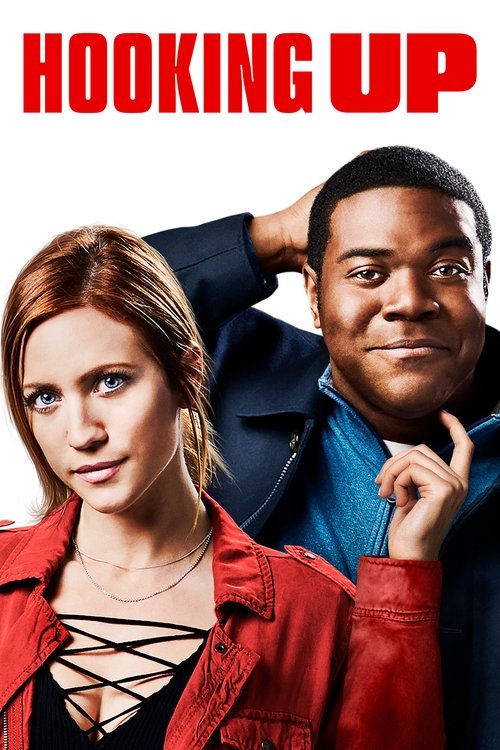
Hooking Up
Comedy · 2020
Bailey and Darla embark upon a misguided and mutually deceitful form of therapy, one in which they must drive across the country, re-enacting Darla's colorful history as a sex addict. As their true motivations for the road trip come to light, the unlikely pair force one another to confront their issues, discovering that there might actually be more to love than just sex.

The Good Half
Comedy · 2024
Renn Wheeland returns home to Cleveland for his mother's funeral. Once there, he forges new relationships while healing old ones, before confronting his problems and trying to face his grief.
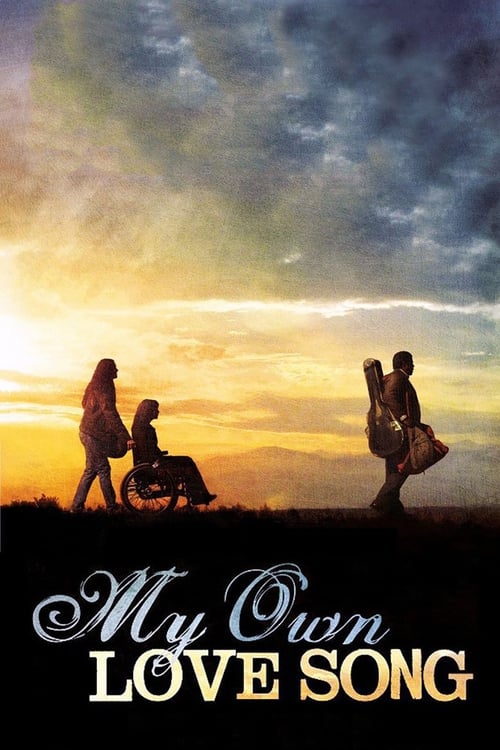
My Own Love Song
Comedy · 2010
A wheelchair-bound singer and her best friend embark on a roadtrip to Memphis.

Critical Care
Comedy · 1997
Werner Ernst is a young hospital resident who becomes embroiled in a legal battle between two half-sisters who are fighting over the care of their comatose father. But are they really fighting over their father's care, or over his $10 million estate? Meanwhile, Werner must contend with his nutty supervisor, who insists that he only care for patients with full insurance. Can Werner sidestep the hospital's legal team and do what's best for the patient?
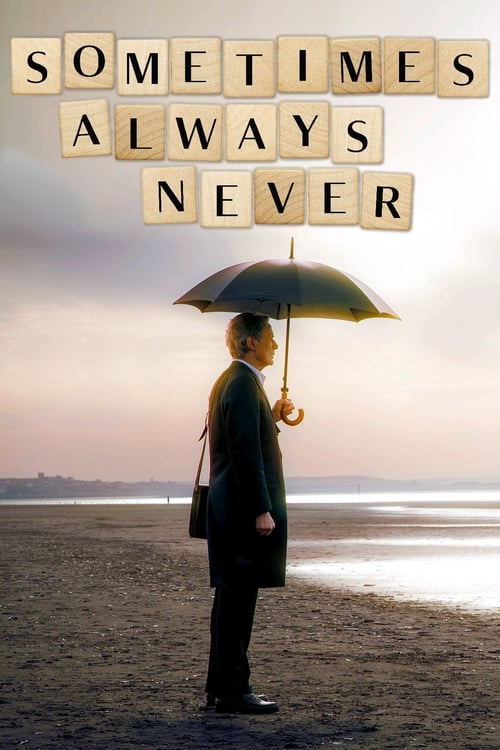
Sometimes Always Never
Drama · 2019
Alan is a stylish tailor with moves as sharp as his suits. He has spent years searching tirelessly for his missing son Michael who stormed out over a game of Scrabble. With a body to identify and his family torn apart, Alan must repair the relationship with his youngest son and solve the mystery of an online player who he thinks could be Michael, so he can finally move on and reunite his family.
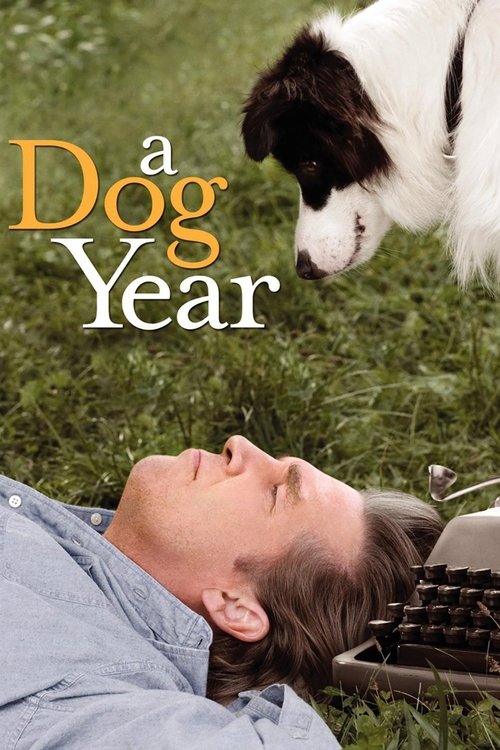
A Dog Year
Comedy · 2009
Jon Katz is close to burnout. He's a writer with writer's block; his wife has left for her sister's because he's emotionally distant; he rarely answers his phone. A kennel sends him a border collie that's undisciplined because of abuse. Despite a series of mishaps, Jon decides to keep trying with the dog, and he rents a dilapidated farm house to give the dog room to run. A local handyman refers Jon to a woman who might be able to help him train the dog. Reluctantly, Jon gives her a try. Is the dog the problem, or the owner?
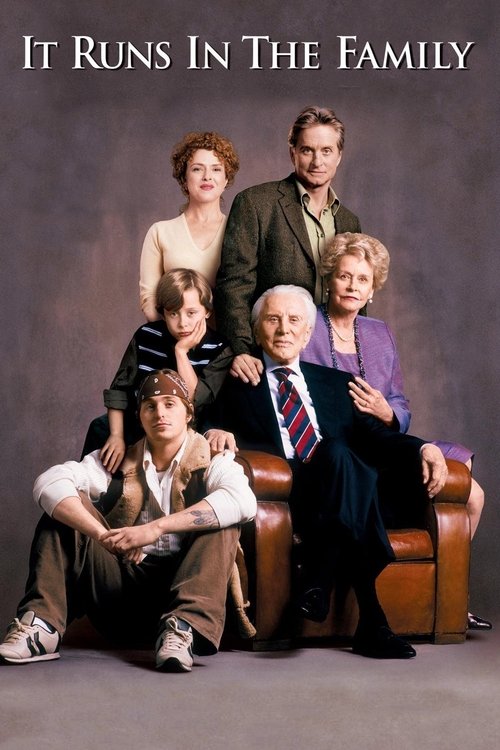
It Runs in the Family
Comedy · 2003
This is the story of a dysfunctional New York family, and their attempts to reconcile

The Happiest Millionaire
Comedy · 1967
A happy and unbelievably lucky young Irish immigrant, John Lawless, lands a job as the butler of an unconventional millionaire, Biddle. His daughter, Cordelia Drexel Biddle, tires of the unusual antics of her father--especially since the nice young men around town all fear him. Wouldn't you fear a father-in-law that keeps alligators for pets and teaches boxing at his daily Bible classes?
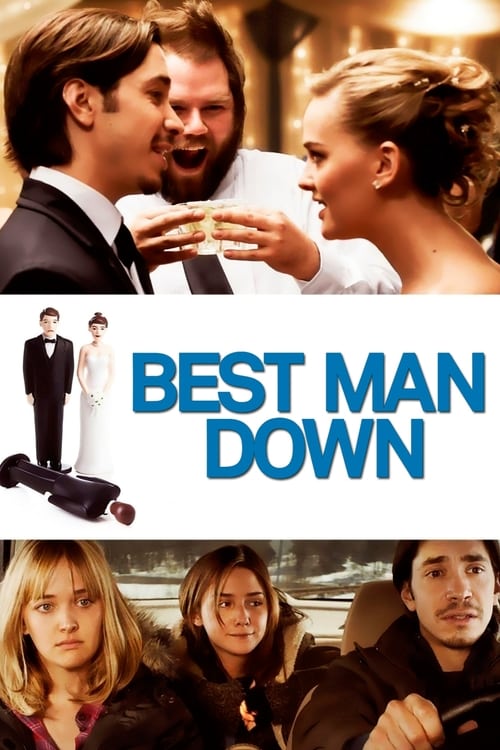
Best Man Down
Comedy · 2012
A newlywed couple cancels their honeymoon and returns to the snowy Midwest to make the funeral arrangements for their best man, who died unexpectedly after their ceremony.
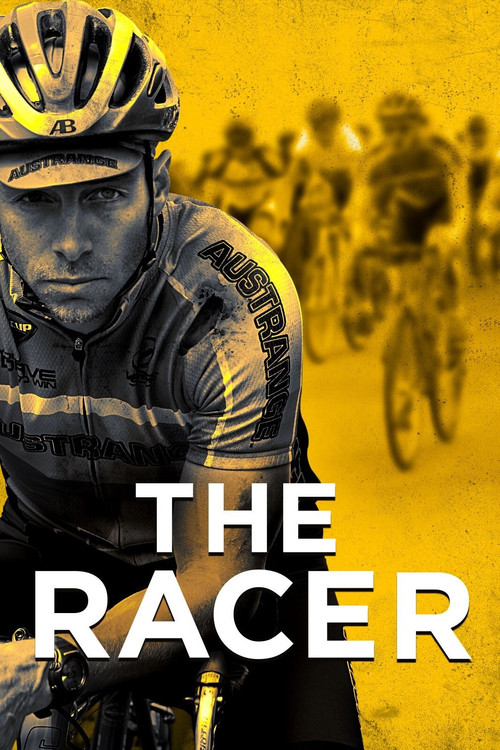
The Racer
Drama · 2020
Summer 1998 - the opening stages of Le Tour de France are relocated to Ireland. Belgian rider Dom Chabol (late 30s) has been one of the best “Domestiques” (support riders) on the Tour for the last 20 years. It’s a sacrificial role – setting pace, blocking wind, and providing support to enable the team’s sprinter to victory - winning is not an option. But Dom secretly harbours a desire to wear the yellow jersey - just once before his career is over. At the start of what will likely be his last Tour, Dom is unceremoniously dropped from the Team he has dedicated his life to. His best mate Sonny, the team masseur, fails to reassure him about his future. But a chance liaison with Lynn, a young Irish doctor, softens the blow, and Dom starts to accept - and even enjoy - the idea of civilian life. But as he gears up to go home and to face his estranged sister, a massive doping error knocks another teammate off the Tour and Dom is thrown back in the saddle…
Cinema release signals and current streaming, rental, and purchase options for your region.
Streaming availability data supplied by JustWatch.
Cast & crew
Directed by
Randall Miller
Written by
John Semper Jr. · Cynthia Friedlob · Wayne Allan Rice · Richard Brenne

Christopher Reid
Duncan Pinderhughes (as Christopher 'Kid' Reid)

Christopher Martin
Blade Brown (as Christopher 'Play' Martin)

Karyn Parsons
Ellen

Alysia Rogers
Damita

Meshach Taylor
Duncan's Dad
Mariann Aalda
Duncan's Mom

Loretta Devine
Blade's Mom
Two incompatible taste archetypes. One film. Read the arguments, then issue a completely binding cultural ruling.
“Sincerity is not manipulation.”
The film risks embarrassment to make emotion communal, and that openness is harder than fashionable detachment.
“The strings are showing.”
Every cue tells you exactly what to feel and when, leaving sentiment to do the work character should have done.