The defence The Sentimental Softie
“Sincerity is not manipulation.”
The film risks embarrassment to make emotion communal, and that openness is harder than fashionable detachment.


Lost in America
Comedy · 1985
David and Linda Howard are successful yuppies from LA. When he gets a job disappointment, David convinces Linda that they should quit their jobs, liquidate their assets, and emulate the movie Easy Rider, spending the rest of their lives traveling around America...in a Winnebago.
Critical arithmetic
Scores change. Arguments endure.
TMDB
6.9 / 10
Community rating
David and Linda Howard are successful yuppies from LA. When he gets a job disappointment, David convinces Linda that they should quit their jobs, liquidate their assets, and emulate the movie Easy Rider, spending the rest of their lives traveling around America...in a Winnebago.
Not a recommendation score. A measure of how closely the film’s taste signals resemble yours.
The archetype split
The Sentimental Softie
“You came to feel something, and you will.”
Read their caseThe Cool Ironist
“Feeling things is a little embarrassing.”
Read their objectionThe split comes from the same five-axis model used by the test, not audience ratings or review sentiment.
TMDB supplies the candidates. CriticWise reorders them by craft, strangeness, prestige, emotion, and pace.
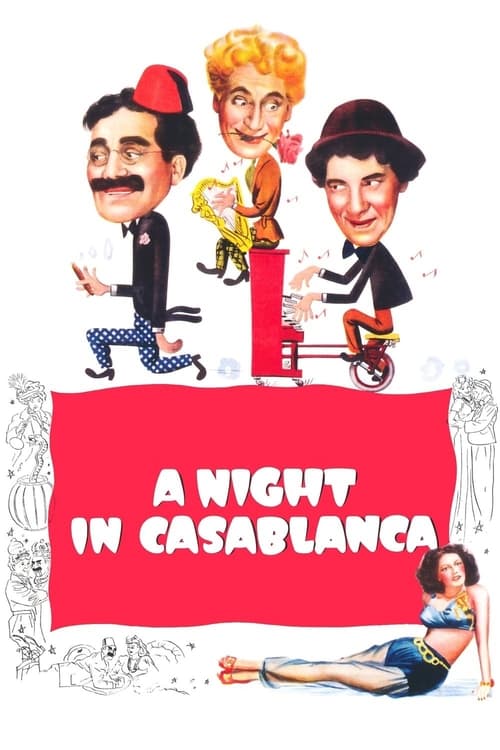
A Night in Casablanca
Comedy · 1946
The Marx Brothers are employed at a hotel in postwar Casablanca, where a ring of Nazis is trying to recover a cache of stolen treasure.

Problemista
Comedy · 2024
Alejandro is an aspiring toy designer from El Salvador, struggling to bring his unusual ideas to life in New York City. As time on his work visa runs out, a job assisting an erratic art-world outcast becomes his only hope to stay in the country and realize his dream.
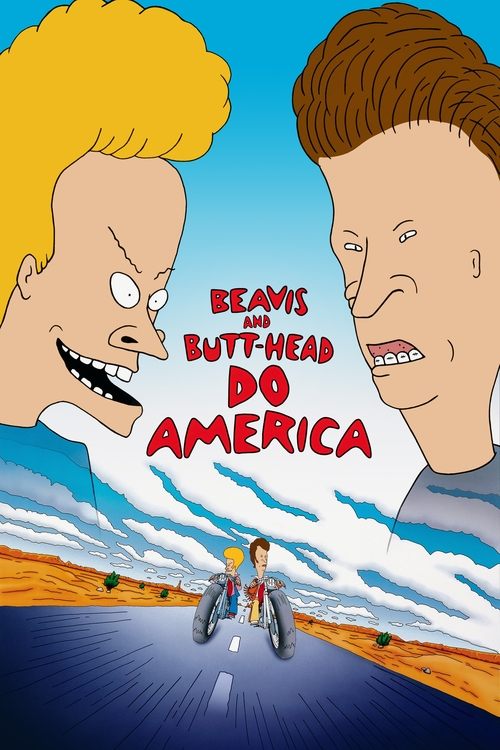
Beavis and Butt-Head Do America
Animation · 1996
Slacker duo Beavis and Butt-Head wake to discover their TV has been stolen. Their search for a new one takes them on a clueless adventure across America, during which they manage to accidentally become America's most wanted.

The Secret of My Success
Comedy · 1987
Brantley Foster, a well-educated kid from Kansas, has always dreamed of making it big in New York City, but once there, he learns that jobs - and girls - are hard to get. When he visits his uncle, Howard Prescott, who runs a multi-million-dollar company, he is given a job in the mail room.
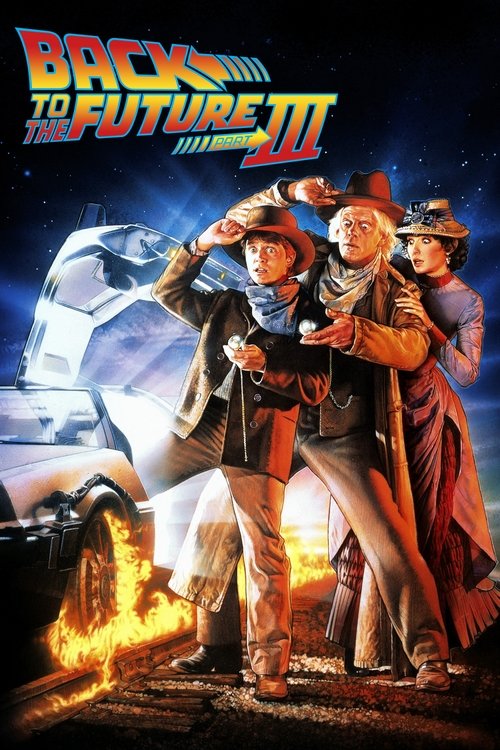
Back to the Future Part III
Adventure · 1990
The final installment finds Marty digging the trusty DeLorean out of a mineshaft and looking for Doc in the Wild West of 1885. But when their time machine breaks down, the travelers are stranded in a land of spurs. More problems arise when Doc falls for pretty schoolteacher Clara Clayton, and Marty tangles with Buford Tannen.
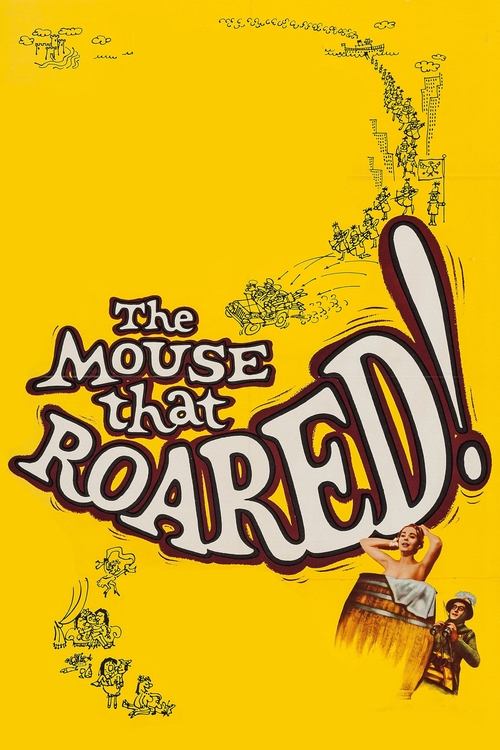
The Mouse That Roared
Comedy · 1959
The Duchy of Grand Fenwick decides that the only way to get out of their economic woes is to declare war on the United States, lose and accept foreign aid. They send an invasion force (in chain mail, armed with bows and arrows) to New York and they arrive during a nuclear drill that has cleared the streets.

Crocodile Dundee
Adventure · 1986
When a New York reporter plucks crocodile hunter Mick Dundee from the Australian Outback for a visit to the Big Apple, it's a clash of cultures and a recipe for good-natured comedy as naïve Dundee negotiates the concrete jungle. He proves that his instincts are quite useful in the city and adeptly handles everything from wily muggers to high-society snoots without breaking a sweat.
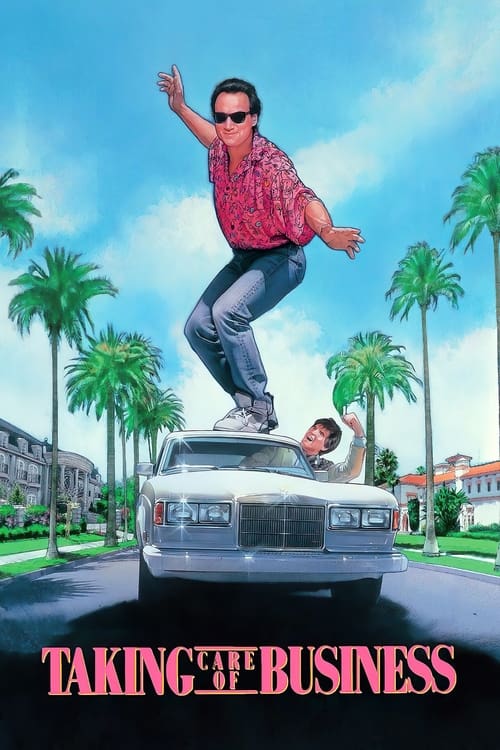
Taking Care of Business
Comedy · 1990
An uptight advertising exec has his entire life in a filofax organizer which mistakenly ends up in the hands of a friendly convict who poses as him.
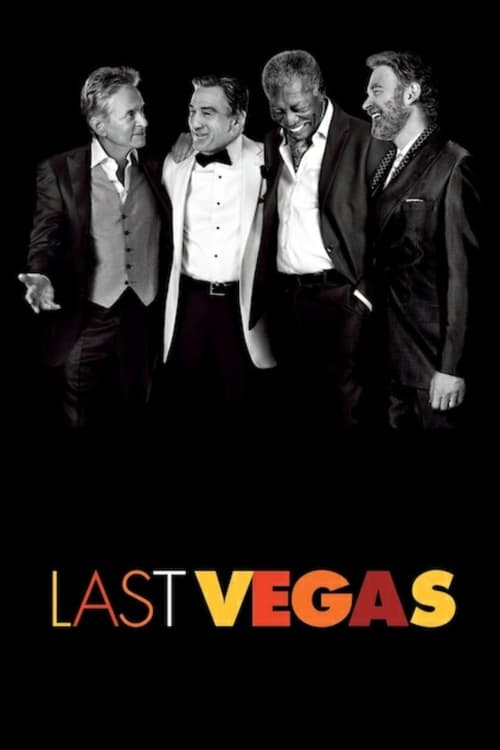
Last Vegas
Comedy · 2013
Aging pals Billy, Paddy, Archie, and Sam have been best friends since childhood. When Billy finally proposes to his much-younger girlfriend, all four friends go to Las Vegas to celebrate the end of Billy's longtime bachelorhood and relive their glory days. However, the four quickly realize that the intervening decades have changed Sin City and tested their friendship in ways they had not imagined.

Dumb and Dumber
Comedy · 1994
Lloyd and Harry are two men whose stupidity is really indescribable. When Mary, a beautiful woman, loses an important suitcase with money before she leaves for Aspen, the two friends (who have found the suitcase) decide to return it to her. After some "adventures" they finally get to Aspen where, using the lost money they live it up and fight for Mary's heart.
Cinema release signals and current streaming, rental, and purchase options for your region.
Streaming availability data supplied by JustWatch.
Cast & crew
Directed by
Albert Brooks
Written by
Albert Brooks · Monica Johnson

Albert Brooks
David Howard

Julie Hagerty
Linda Howard

Michael Greene
Paul Dunn

Garry Marshall
Casino Manager

Maggie Roswell
Patty
Tom Tarpey
Brad Tooley
Ernie Brown
Pharmacist
Two incompatible taste archetypes. One film. Read the arguments, then issue a completely binding cultural ruling.
“Sincerity is not manipulation.”
The film risks embarrassment to make emotion communal, and that openness is harder than fashionable detachment.
“The strings are showing.”
Every cue tells you exactly what to feel and when, leaving sentiment to do the work character should have done.