The defence The Sentimental Softie
“Sincerity is not manipulation.”
The film risks embarrassment to make emotion communal, and that openness is harder than fashionable detachment.
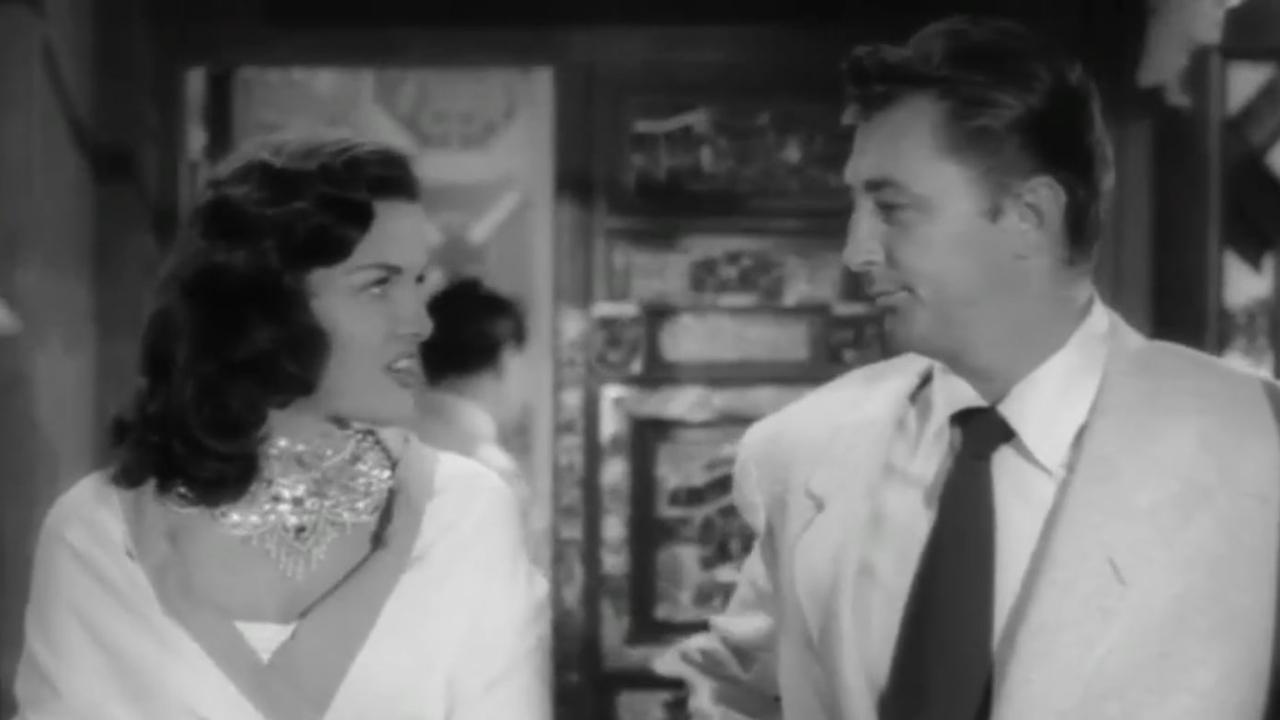
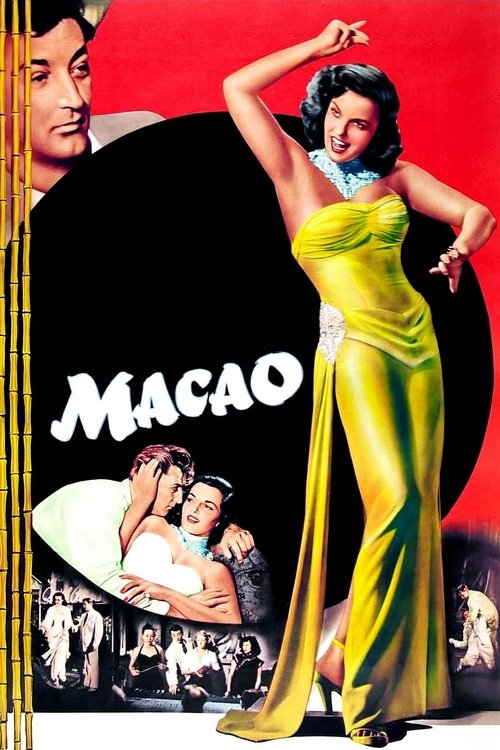
Macao
Adventure · Drama · Romance · 1952
Nick Cochran, an American in exile in Macao, has a chance to restore his name by helping capture an international crime lord. Undercover, can he mislead the bad guys and still woo the attractive singer/petty crook, Julie Benson?
“A sultry chanteuse, a hunk on the lam and a fortune in stolen gems”
Critical arithmetic
Scores change. Arguments endure.
IMDb
6.6 / 10
4.3K votes
Rotten Tomatoes
40 %
Tomatometer
TMDB
6.3 / 10
Community rating
External scores via OMDb · CC BY-NC 4.0. Values normalized for display; availability varies by title.
Nick Cochran, an American in exile in Macao, has a chance to restore his name by helping capture an international crime lord. Undercover, can he mislead the bad guys and still woo the attractive singer/petty crook, Julie Benson?
Not a recommendation score. A measure of how closely the film’s taste signals resemble yours.
The archetype split
The Sentimental Softie
“You came to feel something, and you will.”
Read their caseThe Cool Ironist
“Feeling things is a little embarrassing.”
Read their objectionThe split comes from the same five-axis model used by the test, not audience ratings or review sentiment.
TMDB supplies the candidates. CriticWise reorders them by craft, strangeness, prestige, emotion, and pace.
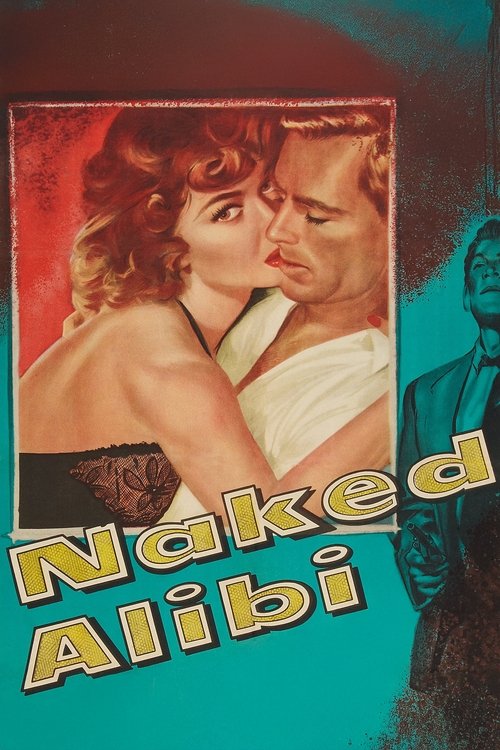
Naked Alibi
Crime · 1954
Questioned as a murder suspect, solid (but drunk) citizen Al Willis attacks his police questioners, is beaten, and swears vengeance against them. Next night, Lieut. Parks is murdered; Willis is the only suspect in the eyes of tough Chief Conroy, who pursues him doggedly despite lack of evidence. The obsessed Conroy is dismissed from the force, but continues to harass Willis, who flees to a sleazy town on the Mexican border. Of course, Conroy follows. But which is crazy, Conroy or Willis?
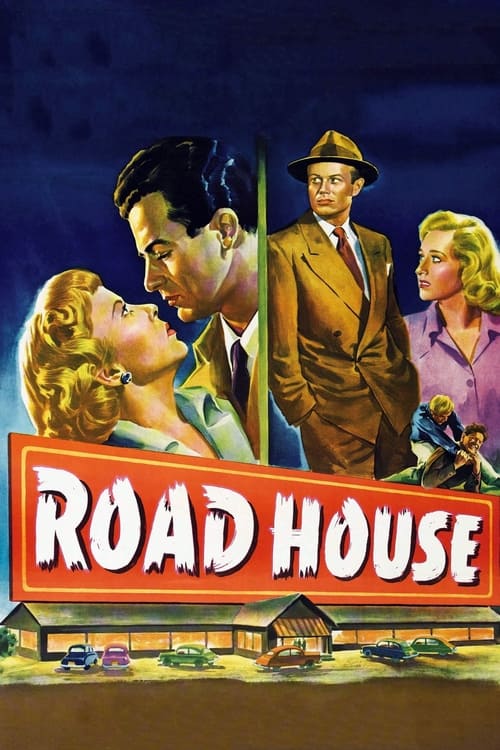
Road House
Thriller · 1948
A night club owner becomes infatuated with a torch singer and frames his best friend/manager for embezzlement when the chanteuse falls in love with him.
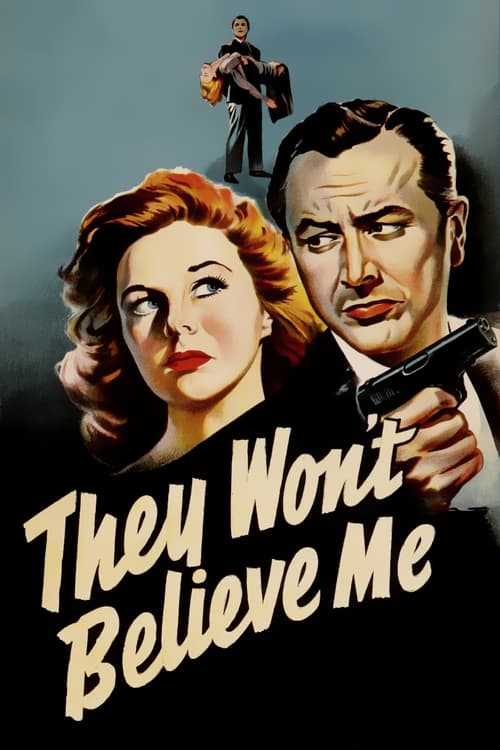
They Won't Believe Me
Drama · 1947
On trial for murdering his girlfriend, philandering stockbroker Larry Ballentine takes the stand to claim his innocence and describe the actual, but improbable sounding, sequence of events that led to her death.
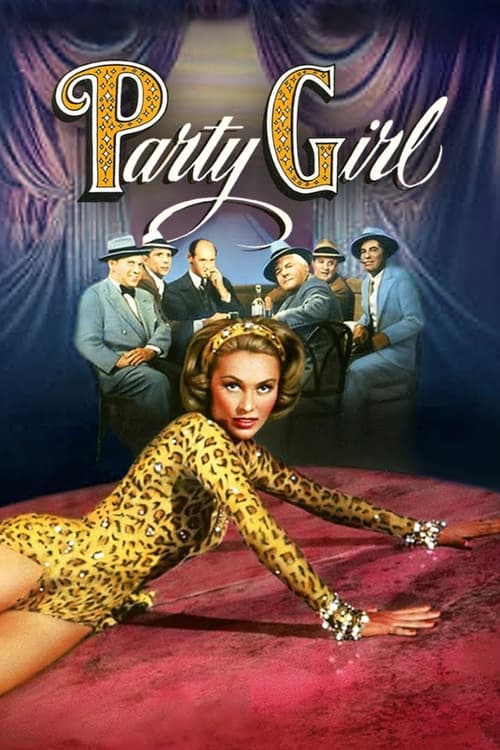
Party Girl
Crime · 1958
Slick lawyer Thomas Farrell has made a career of defending mobsters in trials. It's not until he meets a lovely showgirl at a mob party that he realizes that there's more to life than winning trials. Farrell tries to quit the racket, but mob boss Rico Angelo threatens to hurt the showgirl if Farrell leaves him.
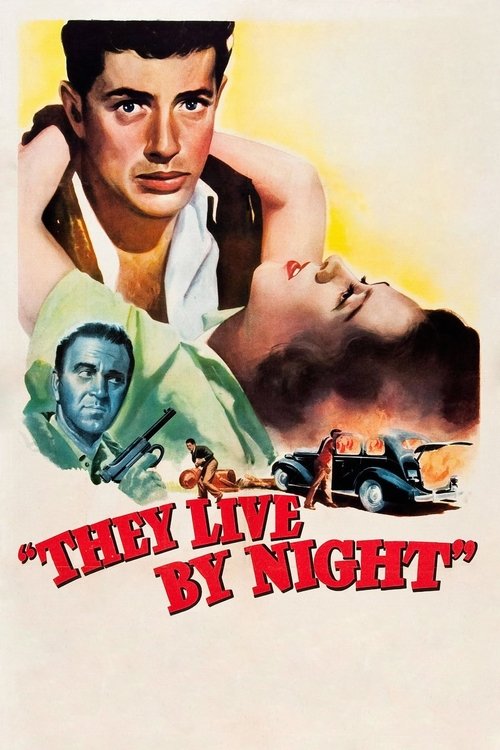
They Live by Night
Crime · 1949
An escaped convict, injured during a robbery, falls in love with the woman who nurses him back to health, but their relationship seems doomed from the beginning.

You Only Live Once
Crime · 1937
Based partially on the story of Bonnie and Clyde, Eddie Taylor is an ex-convict who cannot get a break after being released from prison. When he is framed for murder, Taylor is forced to flee with his wife Joan Graham and baby. While escaping prison after being sentenced to death, Taylor becomes a real murderer, condemning himself and Joan to a life of crime and death on the road.
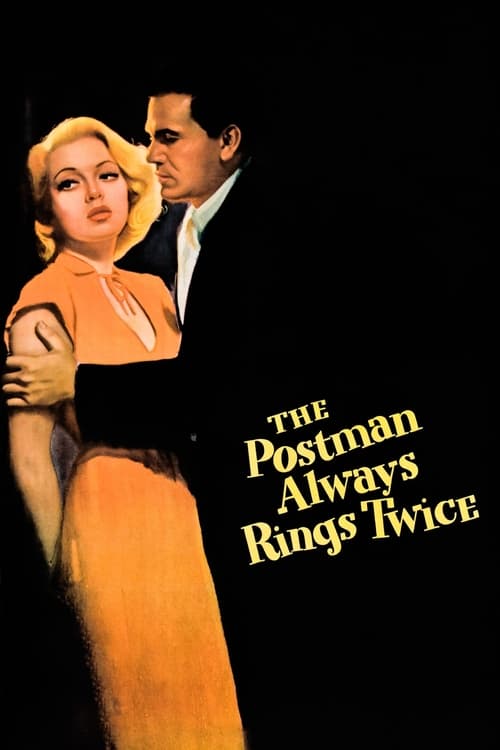
The Postman Always Rings Twice
Drama · 1946
A married woman and a drifter fall in love, then plot to murder her husband.

The Shanghai Gesture
Drama · 1941
A gambling queen uses blackmail to stop a British financier from closing her Chinese clip joint.
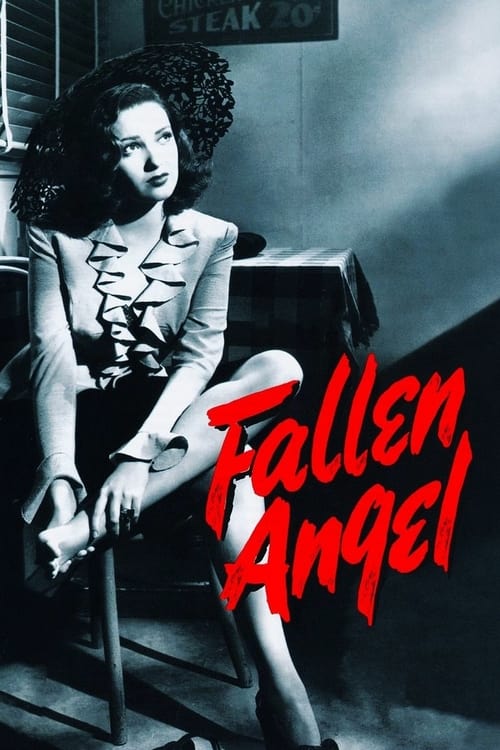
Fallen Angel
Crime · 1945
An unemployed drifter, Eric Stanton wanders into a small California town and begins hanging around the local diner. While Eric falls for the lovely waitress Stella, he also begins romancing a quiet and well-to-do woman named June Mills. Since Stella isn't interested in Eric unless he has money, the lovelorn guy comes up with a scheme to win her over, and it involves June. Before long, murder works its way into this passionate love triangle.

Johnny O'Clock
Crime · 1947
When an employee at an illegal gambling den dies suspiciously, her sister, Nancy, looks into the situation and falls for Johnny O'Clock, a suave partner in the underground casino. Selfish and non-committal by nature, Johnny slowly begins to return Nancy's affection and decides to run away with her, but conflict within his business threatens their plans. As Johnny tries to distance himself from the casino, his shady past comes back to haunt him.
Cinema release signals and current streaming, rental, and purchase options for your region.
Streaming availability data supplied by JustWatch.
Cast & crew
Directed by
Josef von Sternberg
Written by
Bernard C. Schoenfeld · Stanley Rubin · Robert Creighton Williams · George Bricker

Robert Mitchum
Nick Cochran

Jane Russell
Julie Benson
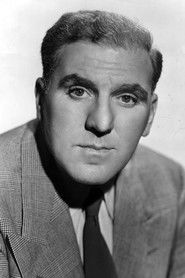
William Bendix
Lawrence C. Trumble
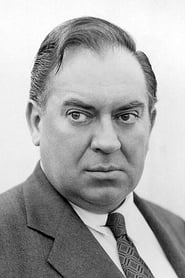
Thomas Gomez
Lt. Sebastian

Gloria Grahame
Margie

Brad Dexter
Vincent Halloran
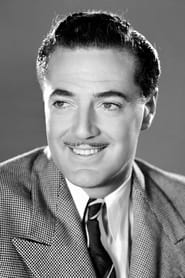
Edward Ashley
Martin Stewart
Two incompatible taste archetypes. One film. Read the arguments, then issue a completely binding cultural ruling.
“Sincerity is not manipulation.”
The film risks embarrassment to make emotion communal, and that openness is harder than fashionable detachment.
“The strings are showing.”
Every cue tells you exactly what to feel and when, leaving sentiment to do the work character should have done.