The defence The Sentimental Softie
“Sincerity is not manipulation.”
The film risks embarrassment to make emotion communal, and that openness is harder than fashionable detachment.

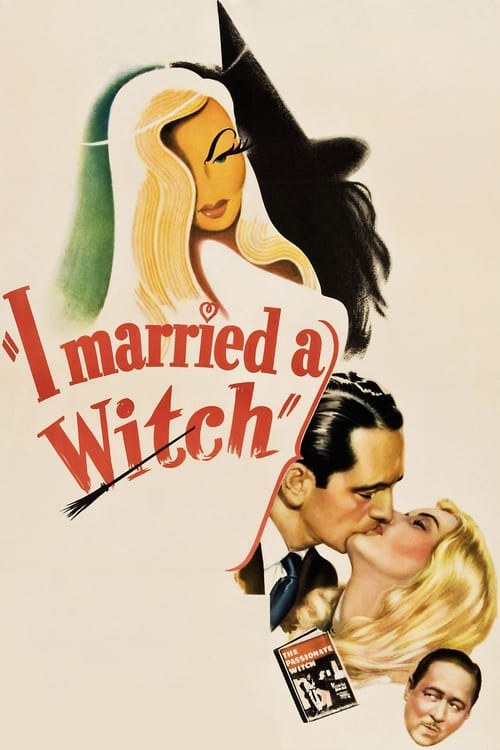
I Married a Witch
Romance · Fantasy · Comedy · 1942
A 17th-century witch returns to wreak havoc in the life of a descendant of the Puritan witch hunter who burned her, but runs afoul of her father when she discovers that her mischief might have found her true love.
“No man can resist her!”
Critical arithmetic
Scores change. Arguments endure.
TMDB
6.9 / 10
Community rating
A 17th-century witch returns to wreak havoc in the life of a descendant of the Puritan witch hunter who burned her, but runs afoul of her father when she discovers that her mischief might have found her true love.
Not a recommendation score. A measure of how closely the film’s taste signals resemble yours.
The archetype split
The Sentimental Softie
“You came to feel something, and you will.”
Read their caseThe Cool Ironist
“Feeling things is a little embarrassing.”
Read their objectionThe split comes from the same five-axis model used by the test, not audience ratings or review sentiment.
TMDB supplies the candidates. CriticWise reorders them by craft, strangeness, prestige, emotion, and pace.

Penelope
Fantasy · 2006
Forlorn heiress Penelope Wilhern is cursed, and the only way out is to fall in love with someone of suitable stock. But how can she find her soulmate when she's sequestered inside her family's estate with only her parents to keep her company? This untraditional fairy tale is about a girl who bucks convention to create her own happy ending.

When We First Met
Comedy · 2018
Using a magical photo booth that sends him back in time, Noah relives the night he met Avery over and over, trying to persuade her to fall for him.
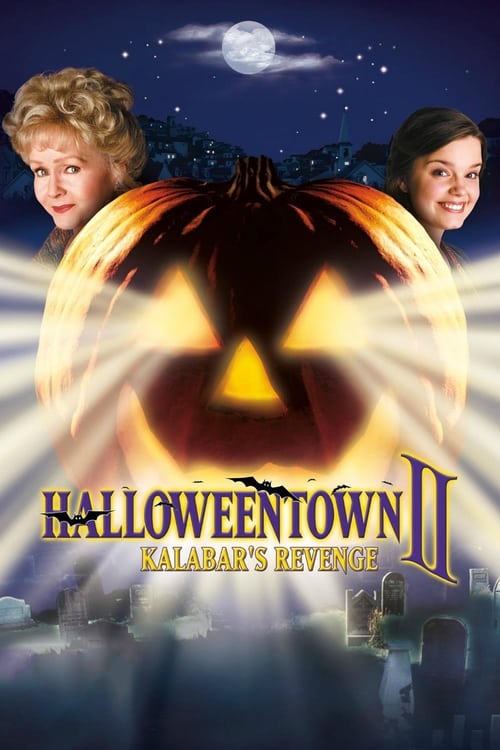
Halloweentown II: Kalabar's Revenge
Family · 2001
The Cromwell clan lives in the real world, except for their grandmother who lives in Halloweentown, a place where monsters go to escape reality. But now the son of the Cromwells' old enemy Kalabar has a plan to use the grandmother's book to turn Halloweentown into a grey dreary version of the real world while transforming the denizens of the real world into monsters.
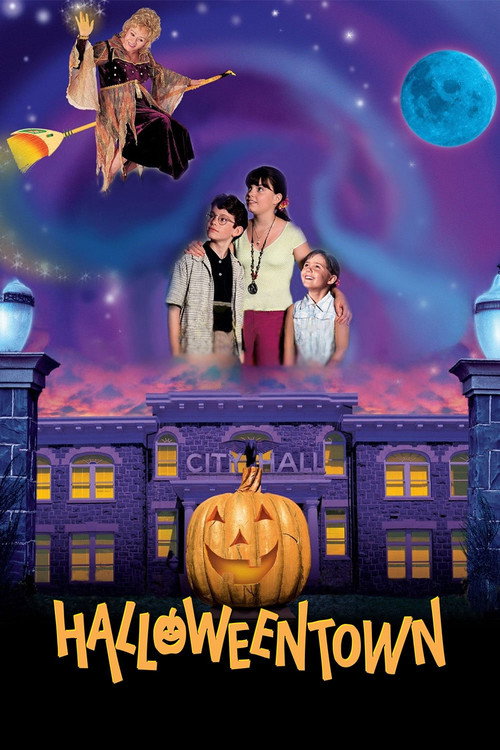
Halloweentown
Family · 1998
On her 13th birthday, Marnie learns she's a witch, discovers a secret portal, and is transported to Halloweentown — a magical place where ghosts and ghouls, witches and werewolves live apart from the human world. But she soon finds herself battling wicked warlocks, evil curses, and endless surprises.
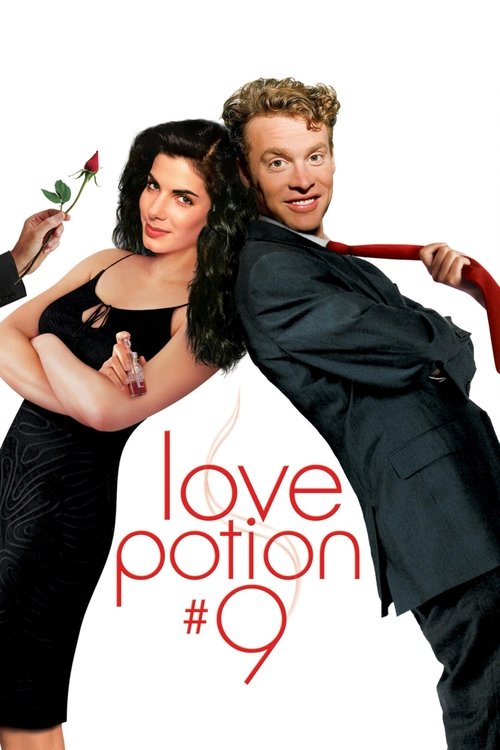
Love Potion No. 9
Comedy · 1992
Unlucky in love, chemist Paul Matthews visits gypsy Madame Rosa for help. Quickly realizing he is a hopeless nerd, she gifts him with Love Potion No. 8, which makes anyone who wears it irresistible to the opposite sex for four hours. Paul and animal psychologist coworker Diane Farrow decide to test it on themselves. The awkward pair suddenly find themselves alluring to anyone they approach, but soon realize they are most attracted to each other.
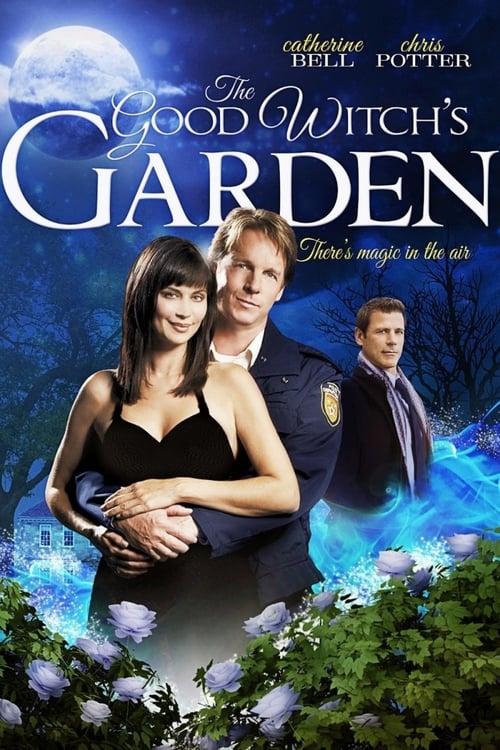
The Good Witch's Garden
TV Movie · 2009
Middleton prepares for its bicentennial, and Grey House is to be the party venue. Good witch Cassie is remodeling it as B&B. her first and only guest, Nick Chasen, claims to be a distant relative. He produces papers to prove he's the heir of the builder, colonial era captain Hamblin, while the Grey lady was his mistress and stole it. Police chief and lover Jake Russell goes all the way to motivate her to fight and disprove the claim before she's effectively disowned. Brandon is dared to pass a rascals-initiation by local brat Steve and Duke. George's gardening skills lead to romance.

Sabrina the Teenage Witch
Fantasy · 1996
A girl, sent by her parents to live with her two eccentric aunts, finds out on her sixteenth birthday that she is a witch.
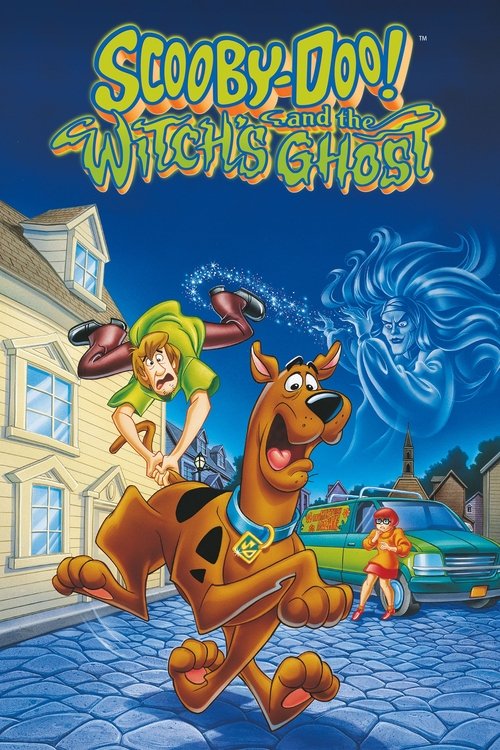
Scooby-Doo! and the Witch's Ghost
Comedy · 1999
Scooby-Doo and the Mystery Gang visit Oakhaven, Massachusetts to seek strange goings on involving a famous horror novelist and his ancestor who is rumored to have been a witch.
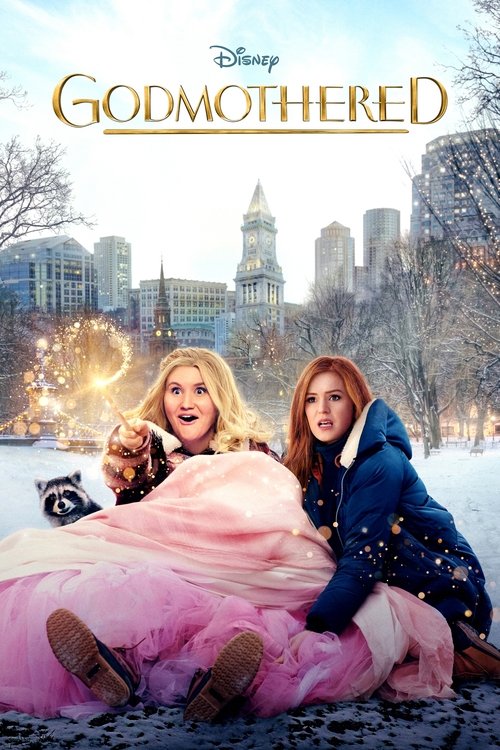
Godmothered
Family · 2020
A young and unskilled fairy godmother that ventures out on her own to prove her worth by tracking down a young girl whose request for help was ignored. What she discovers is that the girl has now become a grown woman in need of something very different than a "prince charming."
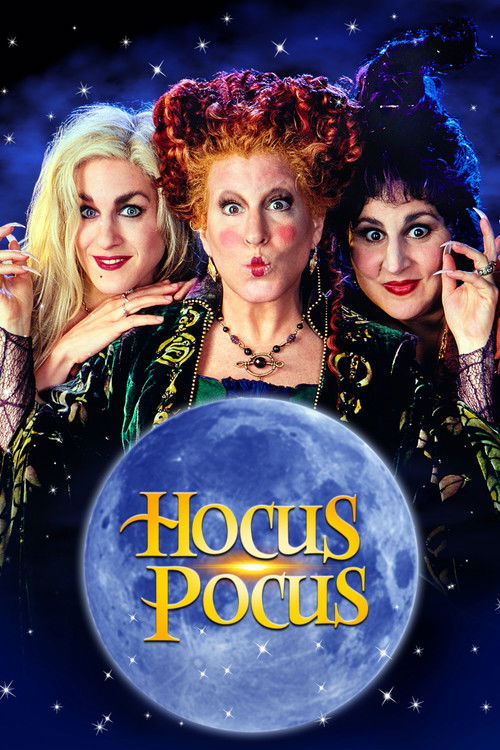
Hocus Pocus
Fantasy · 1993
After 300 years of slumber, three sister witches are accidentally resurrected in Salem on Halloween night, and it is up to three kids and their newfound feline friend to put an end to the witches' reign of terror once and for all.
Cinema release signals and current streaming, rental, and purchase options for your region.
Streaming availability data supplied by JustWatch.
Cast & crew
Directed by
René Clair
Written by
Marc Connelly · Thorne Smith · Robert Pirosh · Norman Matson

Fredric March
Jonathan / Nathaniel / Samuel / Wallace Wooley

Veronica Lake
Jennifer

Robert Benchley
Dr. Dudley White

Susan Hayward
Estelle Masterson
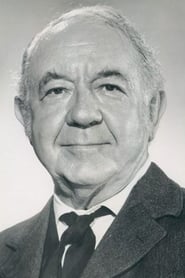
Cecil Kellaway
Daniel

Elizabeth Patterson
Margaret
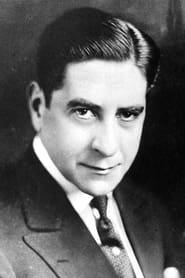
Robert Warwick
J. B. Masterson
Two incompatible taste archetypes. One film. Read the arguments, then issue a completely binding cultural ruling.
“Sincerity is not manipulation.”
The film risks embarrassment to make emotion communal, and that openness is harder than fashionable detachment.
“The strings are showing.”
Every cue tells you exactly what to feel and when, leaving sentiment to do the work character should have done.