The defence The Arthouse Gremlin
“Its refusal to behave is the point.”
The strange choices create the kind of friction that follows you out of the theatre and into the argument.
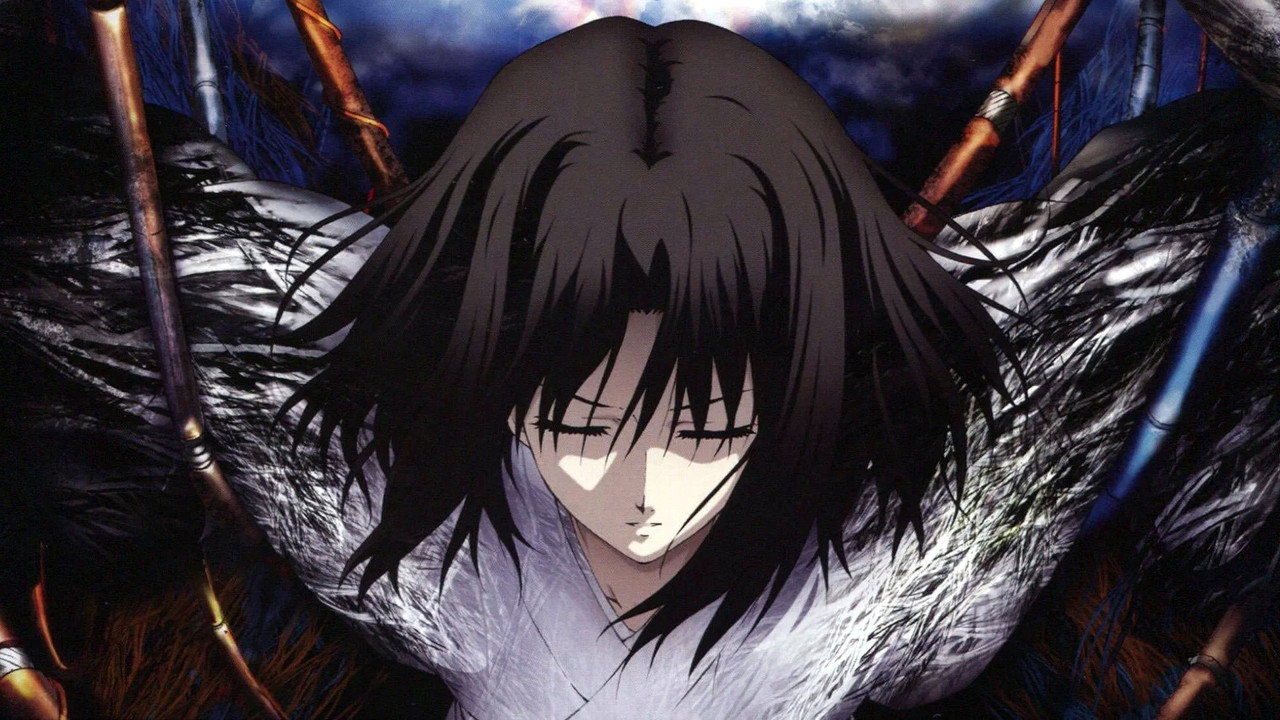
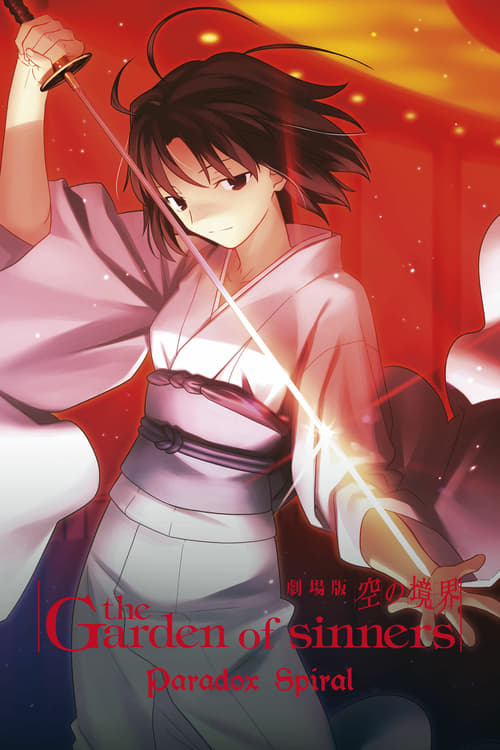
The Garden of Sinners: Paradox Spiral
Action · Animation · Drama · 2008
Tomoe Enjou is attacked by bullies from his old school and saved by Shiki Ryougi. He asks her to hide him at her place and admits that he killed someone. Several days later, there are still no broadcasts about the murder as if it didn't happen... and when the victims are found, they're alive and unharmed.
“"This spiral called Life, accumulated over several miracles and opportunities."”
Critical arithmetic
Scores change. Arguments endure.
TMDB
7.6 / 10
Community rating
Tomoe Enjou is attacked by bullies from his old school and saved by Shiki Ryougi. He asks her to hide him at her place and admits that he killed someone. Several days later, there are still no broadcasts about the murder as if it didn't happen... and when the victims are found, they're alive and unharmed.
Not a recommendation score. A measure of how closely the film’s taste signals resemble yours.
The archetype split
The Arthouse Gremlin
“The stranger, the better.”
Read their caseThe Popcorn Loyalist
“Big screen, big feelings, no apologies.”
Read their objectionThe split comes from the same five-axis model used by the test, not audience ratings or review sentiment.
TMDB supplies the candidates. CriticWise reorders them by craft, strangeness, prestige, emotion, and pace.

The Garden of Sinners: Remaining Sense of Pain
Crime · 2008
July 1998 - After a group of delinquents is found dead in their hangout place with all their limbs twisted and torn off, Aozaki Touko receives a request to find the murderer and asks Shiki for help. The main suspect is Asagami Fujino; a girl who was the boys' plaything until recently, who Shiki believes to be "one of her kind".

Battles Without Honor and Humanity: Deadly Fight in Hiroshima
Drama · 1973
Repeatedly beat to a pulp by gamblers, cops, and gangsters, lone wolf Shoji Yamanaka finally finds a home as a Muraoka family hitman and falls in love with boss Muraoka's niece. Meanwhile, the ambitions of mad dog Katsutoshi Otomo draws our series' hero, Shozo Hirono, and the other yakuza into a new round of bloodshed.
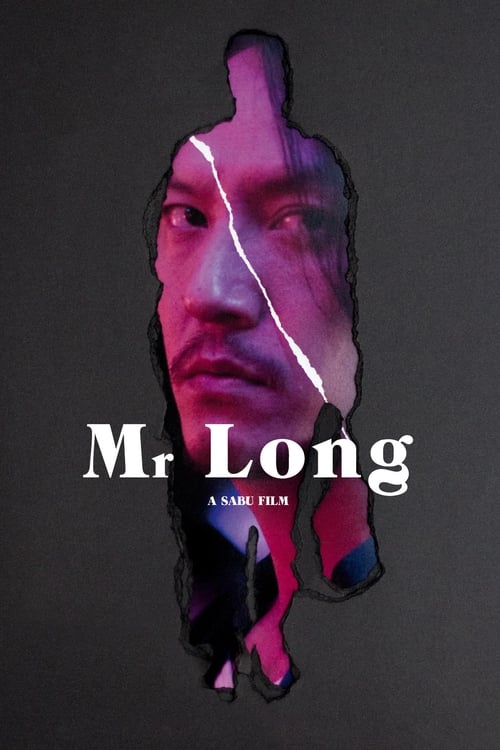
Mr. Long
Crime · 2017
Long is a Taiwanese killer known for his sword skills. After Long fails a Tokyo mission, he moves to a small town where no one knows about him.

Belladonna of Sadness
Animation · 1973
An evil feudal lord rapes a village girl on her wedding night and proceeds to ruin her and her husband's lives. After she's eventually banished from her village, the girl makes a pact with the devil to gain magical ability and take revenge.

The Garden of Sinners: The Hollow Shrine
Animation · 2008
June 1998: After spending two years in a coma caused by a traffic accident, Shiki Ryougi awakens with amnesia. She is visited by Touko Aozaki, a wizard and proprietor of a studio called Garan no Dou. Shiki has lost not only the memory of her accident, but also any real sense that she's even alive. Strangely, enigmatic beings begin to attack her...
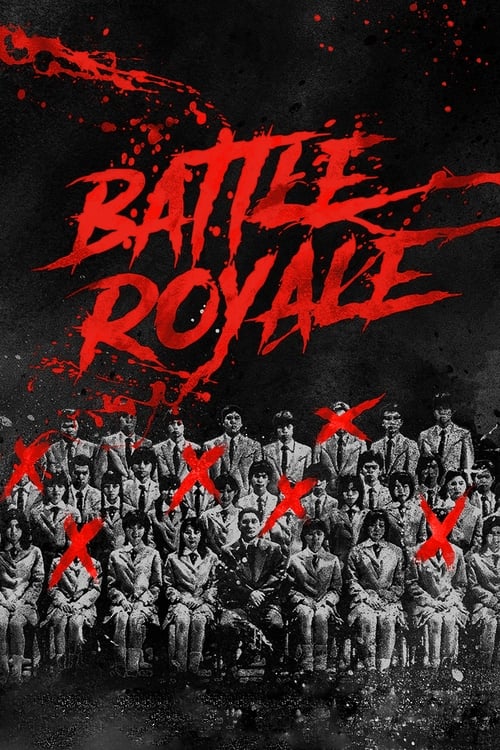
Battle Royale
Drama · 2000
In the future, the Japanese government captures a class of ninth-grade students and forces them to kill each other under the revolutionary "Battle Royale" act.
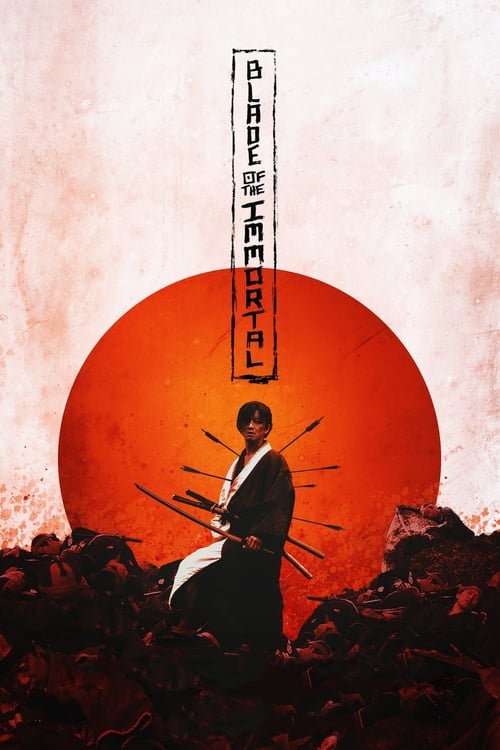
Blade of the Immortal
Action · 2017
Manji, a highly skilled samurai, becomes cursed with immortality after a legendary battle. Haunted by the brutal murder of his sister, Manji knows that only fighting evil will regain his soul. He promises to help a young girl named Rin avenge her parents, who were killed by a group of master swordsmen led by ruthless warrior Anotsu. The mission will change Manji in ways he could never imagine.
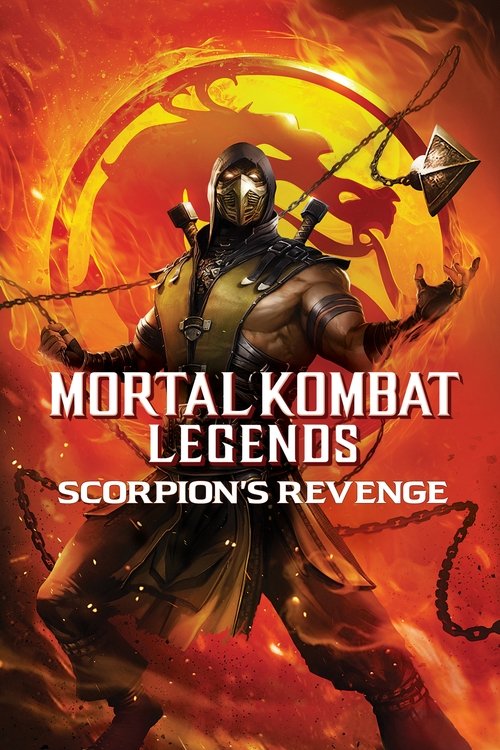
Mortal Kombat Legends: Scorpion's Revenge
Animation · 2020
After the vicious slaughter of his family by stone-cold mercenary Sub-Zero, Hanzo Hasashi is exiled to the torturous Netherrealm. There, in exchange for his servitude to the sinister Quan Chi, he’s given a chance to avenge his family – and is resurrected as Scorpion, a lost soul bent on revenge. Back on Earthrealm, Lord Raiden gathers a team of elite warriors – Shaolin monk Liu Kang, Special Forces officer Sonya Blade, and action star Johnny Cage – an unlikely band of heroes with one chance to save humanity. To do this, they must defeat Shang Tsung's horde of Outworld gladiators and reign over the Mortal Kombat tournament.
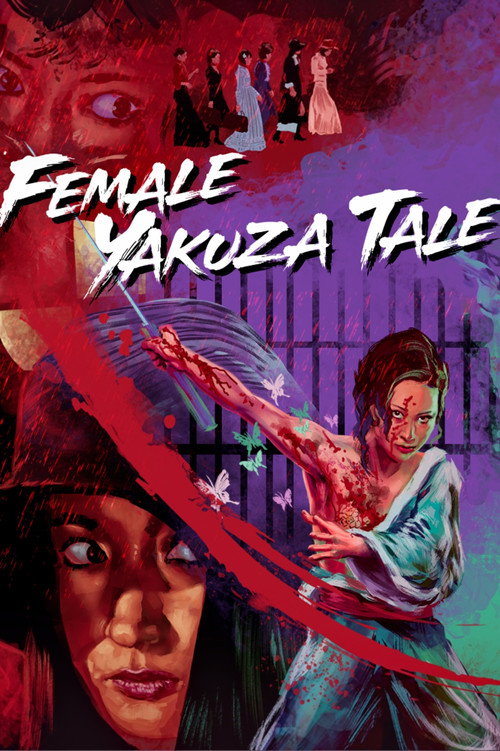
Female Yakuza Tale
Action · 1973
Ocho is accidentally captured by a drug trafficking cartel who use Chinese women to smuggle drugs into Japan by hiding it in their vaginas. She is tortured, and manages to escape, fighting both the male yakuzas and a gang of female thieves.
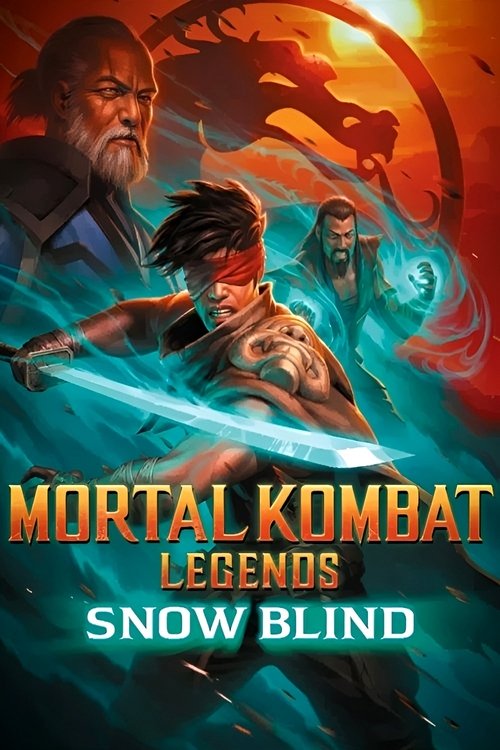
Mortal Kombat Legends: Snow Blind
Animation · 2022
The vicious, power-mad Kano is determined to take over Earthrealm, one soul at a time. Assisted by a trio of cold Black Dragon mercenaries, he embarks on a brutal assault from town to defenseless town. The choice is simple: kneel or be annihilated. Kenshi, a rebel warrior, calls on Kuai Liang, the only one powerful enough to challenge the malevolent Kano. But Kuai Liang has given up the ways of the warrior, and Kenshi is too undisciplined to defeat Kano himself. If Kuai Liang cannot break through the glacier of doubt that holds him back, Earthrealm will fall.
Cinema release signals and current streaming, rental, and purchase options for your region.
Streaming availability data supplied by JustWatch.
Cast & crew
Directed by
Takayuki Hirao
Written by
Masaki Hiramatsu

Maaya Sakamoto
Shiki Ryougi (voice)

Kenichi Suzumura
Mikiya Kokutou (voice)

Jouji Nakata
Souren Araya (voice)

Tetsuya Kakihara
Tomoe Enjou (voice)

Koji Yusa
Cornelius Alba (voice)

Takako Honda
Touko Aozaki (voice)

Ayumi Fujimura
Azaka Kokutou (voice)
Two incompatible taste archetypes. One film. Read the arguments, then issue a completely binding cultural ruling.
“Its refusal to behave is the point.”
The strange choices create the kind of friction that follows you out of the theatre and into the argument.
“Oddness is not depth.”
A film can break every rule and still leave nothing behind but the memory of how hard it tried to be singular.